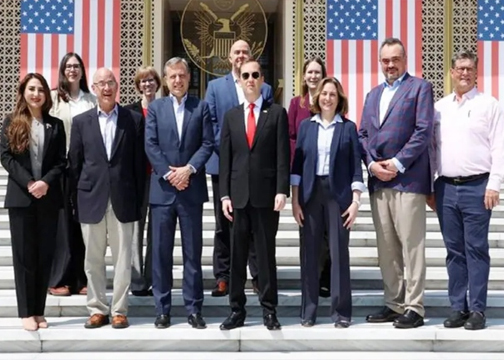
ভারতের রাজধানী দিল্লিতে সম্প্রতি অনুষ্ঠিত হয়েছে দক্ষিণ ও মধ্য এশিয়ার বিভিন্ন দেশে নিযুক্ত মার্কিন রাষ্ট্রদূতদের গুরুত্বপূর্ণ আঞ্চলিক সম্মেলন (‘অ্যাম্বাসেডরস রিজিয়নাল কনফারেন্স’)। ভারতে নিযুক্ত মার্কিন রাষ্ট্রদূত সার্জিও গোরের আয়োজনে অনুষ্ঠিত এই বৈঠকে মার্কিন পররাষ্ট্রমন্ত্রী মার্কো রুবিও ভার্চুয়ালি যুক্ত হয়ে দিকনির্দেশনা প্রদান করেন।
উপস্থিত দেশসমূহ
সম্মেলনটিতে দক্ষিণ ও মধ্য এশিয়ার মোট ১১টি দেশের মার্কিন রাষ্ট্রদূত ও মিশন প্রধানরা অংশ নেন। দেশগুলো হলো:
• দক্ষিণ এশিয়া (৫টি): বাংলাদেশ, ভারত, পাকিস্তান, নেপাল, শ্রীলঙ্কা এবং মালদ্বীপ।
• মধ্য এশিয়া (৫টি): কাজাখস্তান, কিরগিজস্তান, তাজিকিস্তান, তুর্কমেনিস্তান এবং উজবেকিস্তান।
কূটনৈতিক বিশ্লেষণ ও মূল তাৎপর্য
• আঞ্চলিক কৌশলের পুনর্বিন্যাস: দক্ষিণ ও মধ্য এশিয়ার ভৌগোলিক সংযোগ এবং ভূরাজনৈতিক গুরুত্বকে সামনে রেখে ওয়াশিংটনের কূটনৈতিক তৎপরতা জোরদার করার অংশ হিসেবে এই সম্মেলনকে দেখা হচ্ছে। বিশেষ করে আঞ্চলিক নিরাপত্তা এবং বাণিজ্যের প্রসার এখানে প্রধান অগ্রাধিকার পেয়েছে।
• মার্কো রুবিওর আসন্ন মধ্য এশিয়া সফর: এই বৈঠকের পরপরই মার্কো রুবিওর মধ্য এশিয়া সফরের পরিকল্পনা এই অঞ্চলের ভূরাজনীতিতে যুক্তরাষ্ট্রের ক্রমবর্ধমান আগ্রহের জোরালো ইঙ্গিত দেয়। বিশেষ করে উজবেকিস্তানের সমরকন্দে আসন্ন ‘সি৫+১’ (মধ্য এশিয়ার পাঁচ দেশ + যুক্তরাষ্ট্র) মন্ত্রীপর্যায়ের বৈঠক মধ্য এশীয় দেশগুলোর সাথে যুক্তরাষ্ট্রের অংশীদারত্বকে নতুন উচ্চতায় নিয়ে যাবে।
• বাণিজ্যিক ও কূটনৈতিক অংশীদারত্ব: মধ্য এশিয়া কৌশলগত অংশীদারত্ব জোরদার এবং দ্বিপাক্ষিক বাণিজ্য প্রসারে ১০০টিরও বেশি মার্কিন প্রতিষ্ঠানের প্রতিনিধিদের নিয়ে বাণিজ্য মিশন পরিচালনার পরিকল্পনা মার্কিন অর্থনৈতিক কূটনীতিরই বহিঃপ্রকাশ।
• বাংলাদেশের প্রেক্ষিত: এই ১১ দেশের তালিকায় বাংলাদেশের উপস্থিতি অত্যন্ত তাৎপর্যপূর্ণ। আঞ্চলিক ভূরাজনীতি, বৈশ্বিক কূটনীতি এবং অর্থনৈতিক অংশীদারত্বে বাংলাদেশের পরিবর্তনশীল অবস্থান ও কৌশলগত গুরুত্বকে যুক্তরাষ্ট্র যে নজরে রাখছে, এই বৈঠক তারই ইঙ্গিত বহন করে।
এই ভূরাজনৈতিক প্রেক্ষাপটে বাংলাদেশ ও দক্ষিণ এশিয়ার অন্যান্য দেশের সাথে যুক্তরাষ্ট্রের কূটনৈতিক সম্পর্কের ভবিষ্যৎ রূপরেখা নিয়ে কি আপনার আরও কোনো সুনির্দিষ্ট বিষয়ে জানার আগ্রহ আছে?
লেখক: ড. আবুল হাসনাৎ মিল্টন,সাংবাদিক, রাজনৈতিক বিশ্লেষক ও প্রধান সম্পাদক, দ্যা সোর্স নিউজ বাংলা (The Source News Bangla)
An important regional conference of U.S. ambassadors stationed in various countries of South and Central Asia was recently held in New Delhi, the capital of India. Hosted by Sergio Gor, the U.S. Ambassador to India, the meeting featured virtual participation and directional guidance from U.S. Secretary of State Marco Rubio.
Participating Countries
The conference was attended by U.S. ambassadors and heads of mission from a total of 11 countries across South and Central Asia. The countries are:
• South Asia (6 countries): Bangladesh, India, Pakistan, Nepal, Sri Lanka, and Maldives.
• Central Asia (5 countries): Kazakhstan, Kyrgyzstan, Tajikistan, Turkmenistan, and Uzbekistan.
•
Diplomatic Analysis and Key Significance
• Readjustment of Regional Strategy: This conference is seen as part of Washington's efforts to intensify diplomatic activities, keeping in view the geographical connectivity and geopolitical importance of South and Central Asia. In particular, regional security and the expansion of trade emerged as top priorities here.
• Marco Rubio's Upcoming Central Asia Visit: Marco Rubio’s plan to visit Central Asia immediately following this meeting strongly indicates the United States' growing interest in the region's geopolitics. Specifically, the upcoming "C5+1" (five Central Asian countries + the United States) ministerial meeting in Samarkand, Uzbekistan, will take the U.S. partnership with Central Asian nations to new heights.
• Commercial and Diplomatic Partnership: The plan to lead a business delegation of over 100 U.S. companies to boost the U.S.-Central Asia strategic partnership and expand bilateral trade is a clear manifestation of U.S. economic diplomacy.
• Perspective on Bangladesh: Bangladesh's inclusion in this list of 11 countries is highly significant. This meeting indicates that the United States is closely monitoring Bangladesh's shifting position and strategic importance in regional geopolitics, global diplomacy, and economic partnership.
Would you like to know anything more specific regarding the future framework of diplomatic relations between the United States, Bangladesh, and other South Asian countries in this geopolitical context?
Author: Dr. Abul Hasnat Milton, Journalist, Political Analyst, and Editor-in-Chief, The Source News Bangla