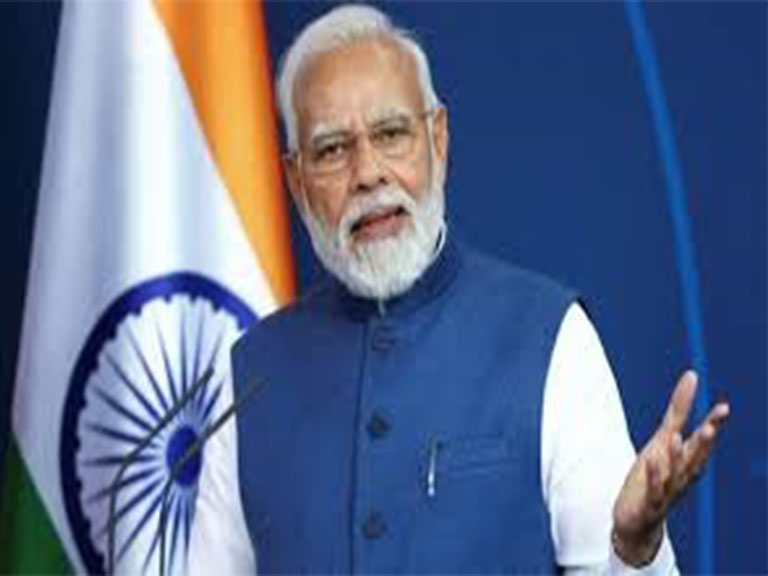
নিট-কাণ্ড নিয়ে অবশেষে মুখ খুললেন প্রধানমন্ত্রী নরেন্দ্র মোদী। বললেন, “প্রশ্নফাঁস মহাপাপ। তা রোখা গোটা দেশের দায়িত্ব। নিট প্রশ্নপত্র ফাঁসের ঘটনায় দোষীদের সর্বোচ্চ কঠোর শাস্তি নিশ্চিত করতে হবে। সব পক্ষকে একযোগে এমন একটি ত্রুটিমুক্ত ও নির্ভুল পরীক্ষা ব্যবস্থা গড়ে তুলতে হবে যাতে ভবিষ্যতে প্রশ্নপত্র ফাঁসের কোনও সুযোগ না থাকে।“ ওদিকে ক্ষমতাচ্যুত ও সম্পূর্ণ ভেঙে যাওয়া দল তৃণমূল নেত্রী মমতা বন্দ্যোপাধ্যায় বলেছেন যে তিনি প্রয়োজনে ককরোচ পার্টির হয়ে আন্দোলনে সামিল হবেন। এই ঘোলা জলে মাছ ধরতে অনেক বিরোধী নেতা-নেত্রী নেমেছেন। তাদের সাবধান করে মোদী বলেছেন, "শিশুদের উস্কানি দেবেন না, ওদের সঠিক পথ দেখান।" ভারতে প্রশ্নপত্র ফাঁস হওয়ার ঘটনা নতুন নয়। যে কোন দলের শাসনে হয়েছে। কিন্তু শিক্ষা এখন ব্যবসা। সংবাদ মাধ্যমও অনেক শক্তিশালী। কাজেই এর অভিঘাত এখন বেশি। গত ১০ বছরে বিজেপি ক্ষমতায় থাকাকালীন ১৫২ টি পরীক্ষায় প্রশ্নফাঁসের অভিযোগ উঠেছে যা এই আমলে বিপর্যয় হিসেবে গ্রহণ করেছেন প্রধানমন্ত্রী।
পদত্যাগ কি সমস্যা সমাধানের রাস্তা?
ভারতে একটা কমন প্র্যাকটিস আছে তা হল কোন অঘটন ঘটলে মন্ত্রীর পদত্যাগ দাবী ও পদত্যাগ। মন্ত্রীর পদত্যাগে কি দায়মুক্ত হওয়া যায়? পুরোন উদাহরণ বাদ দিলাম, ২০১৭ সালে বিজেপি’র রেলমন্ত্রী সুরেশ প্রভু এক দুর্ঘটনার প্রেক্ষিতে পদত্যাগ করেছিলেন। এবারে শিক্ষামন্ত্রী ধর্মেন্দ্র প্রধানের পদত্যাগ দাবী করার আগে এটা কি বিরোধীরা দেখবেন না যে দ্রুত নিট-এর প্রথম পরীক্ষা বাতিল করে দ্বিতীয় পরীক্ষা গ্রহণ করে ফলপ্রকাশ করে ছাত্রছাত্রীদের ভর্তির যথাযথ ব্যবস্থা করেছেন? এর পদচ্যুতি দাবী করে ভবিষ্যতে লাভ কী হবে? কেন্দ্রীয় সরকার মেনে নিয়েছেন যে সংসদের বাদল অধিবেশনে এই নিয়ে আলোচনা হবে এবং এই প্রশ্নফাঁসের বিরুদ্ধে সর্বদলীয় সিদ্ধান্ত গ্রহণ করা হবে। তারপরেও আন্দোলনের প্রসঙ্গ অবশ্যই অন্য ইঙ্গিত দেয়। বিজেপি সমর্থক মিডিয়া একে ‘ডিপ স্টেট’ চক্রান্ত বলে অভিহিত করছে। আদৌ ব্যাপারটা কি তাই?
ডিপ স্টেট চক্রান্ত এটা নয়
'ডিপ স্টেট' বা 'নেপথ্য রাষ্ট্র' হলো রাষ্ট্রবিজ্ঞান ও রাজনীতির এমন একটি ধারণা, যেখানে মনে করা হয় যে একটি দেশের নির্বাচিত সরকারের আড়ালে একটি অনির্বাচিত, গোপন ও শক্তিশালী গোষ্ঠী রয়েছে, যারা পেছন থেকে রাষ্ট্রের প্রকৃত ক্ষমতা নিয়ন্ত্রণ করে। এই গোষ্ঠীর মধ্যে সাধারণত দেশের উচ্চপদস্থ আমলা, গোয়েন্দা সংস্থার শীর্ষ কর্তা, সামরিক বাহিনীর কর্মকর্তা এবং প্রভাবশালী শিল্পপতিরা থাকতে পারেন। এরা গণতান্ত্রিক প্রক্রিয়াকে পাশ কাটিয়ে নিজেদের স্বার্থে, মতাদর্শে বা পরিকল্পনামাফিক সরকারি নীতি নির্ধারণ বা পরিবর্তন করে। সহজ কথায়, এরা হলো "সরকারের ভেতরের আরেক সরকার"। ): 'ডিপ স্টেট' (তুর্কি ভাষায় derin devlet) শব্দটি প্রথম তুরস্কেই জনপ্রিয় হয়। বিংশ শতাব্দীর শেষের দিকে তুরস্কের সামরিক বাহিনী, গোয়েন্দা সংস্থা এবং কট্টর জাতীয়তাবাদীদের একটি অংশ মিলে একটি গোপন নেটওয়ার্ক তৈরি করেছিল। পাকিস্তানের সামরিক বাহিনী এবং গোয়েন্দা সংস্থা (ISI)-কে প্রায়ই একটি অত্যন্ত শক্তিশালী 'ডিপ স্টেট' হিসেবে আখ্যায়িত করা হয়। মিশরে সামরিক বাহিনীর ক্ষমতা এতটাই বেশি যে তারা শুধু রাজনীতি নয়, দেশের অর্থনীতির একটা বিশাল অংশও সরাসরি নিয়ন্ত্রণ করে।
বাংলাদেশ, শ্রীলঙ্কা ও নেপাল ডিপ স্টেট চক্রান্তের শিকার
বাংলাদেশের ২০২৪ সালের জুলাই আন্দোলন, শ্রীলঙ্কার ২০২২ সালের 'অ্যারাগালয়া' আন্দোলন কিংবা নেপালের সাম্প্রতিক রাজনৈতিক অস্থিরতাকে রাজনৈতিক বিশ্লেষকরা দুভাবে দেখেন। তীব্র জনক্ষোভ ও প্রাতিষ্ঠানিক ব্যর্থতা এবং ডিপ স্টেট কনসপিরেসি। এখানকার ঘটনাগুলির মূল কারণ (Primary Driver) ডিপ স্টেটের ভূমিকা (Deep State Factor)। বাংলাদেশে (২০২৪) ছাত্র-জনতার ক্ষোভের মুখে সামরিক বাহিনী শেষ মুহূর্তে শাসকের পরিবর্তে জনতার পক্ষে অবস্থান নেয়। শ্রীলঙ্কা (২০২২)রাষ্ট্রীয় অর্থনৈতিক দেউলিয়াত্ব ও দৈনন্দিন জীবনের সংকট রাজাপক্ষে পরিবারকে রক্ষা করতে ব্যর্থ হয়ে নিরাপত্তা ব্যবস্থা হাত গুটিয়ে নেয়। নেপালঘন ঘন সরকারবদল ও রাজনৈতিক নেতৃত্বের চরম ব্যর্থতা আঞ্চলিক পরাশক্তিগুলোর (ভারত-চীন) কূটনৈতিক ও রাজনৈতিক প্রভাব সামলাতে ব্যর্থ হয়।
ভারতে ডিপ স্টেট চক্রান্ত কেন ব্যর্থ?
পাকিস্তান, তুরস্ক বা মিশরের মতো ভারতে কোনো 'ধ্রুপদী' বা 'ক্লাসিক' ডিপ স্টেটের অস্তিত্ব নেই। অর্থাৎ, ভারতের সামরিক বাহিনী বা গোয়েন্দা সংস্থাগুলো কখনোই নির্বাচিত সরকারকে উৎখাত করে সরাসরি রাষ্ট্রের নিয়ন্ত্রণ নেয়নি; সেনাবাহিনী এখানে কঠোরভাবে অসামরিক বা নির্বাচিত সরকারের (Civilian Government) অধীনে কাজ করে। ভারতে নেপথ্য ক্ষমতার এই কেন্দ্রগুলোকে মূলত চারটি ভাগে ভাগ করা যায়: ১) আমলাতন্ত্র ২) আদর্শগত বা সাংস্কৃতিক মতাদর্শ ৩) কর্পোরেট-রাজনৈতিক আঁতাত ৪) তদন্ত ও গোয়েন্দা সংস্থা। জনগণের ভোটে নির্বাচিত প্রতিনিধিদের শাসন ও আইনি শাসন ভারতে প্রতিষ্ঠিত। যখন রাষ্ট্রের কর্মচারীরা নিজেদের মালিক ভাবতে শুরু করে এবং জনগণের অধিকার হরণ করে ষড়যন্ত্রে লিপ্ত হয়, তখন তাকে দেশদ্রোহী কর্মকাণ্ড হিসেবে গণ্য করা যায়। যা ভারতে নেই। একটি সচেতন নাগরিক সমাজ এবং স্বাধীন বিচার বিভাগই পারে এই অদৃশ্য শক্তির হাত থেকে দেশকে রক্ষা করতে। ভারতে তা পরিপূর্ণভাবে বিদ্যমান।
মোদীর সৌজন্য বিরোধীদের বোঝা প্রয়োজন
ভারতে যেটা হচ্ছে সেটা আগমার্কা আন্দোলন যা সরকারকে বেকায়দায় ফেলার মতলব। আজ হাসপাতালে এখনও অনশন চালিয়ে যাচ্ছেন সোনম ওয়াংচুক। ‘ককরোচ জনতা পার্টি’র (সিজেপি) দাবি এখন একটাই— কেন্দ্রীয় শিক্ষামন্ত্রী ধর্মেন্দ্র প্রধানের ইস্তফা! এদের সঙ্গে জূটেছেন কংগ্রেস নেতা রাহুল গান্ধী। সরকারের কাছে পাঁচ দফা দাবিও জানান তিনি। নিউ ইয়র্ক, সান হোসে, লন্ডন এবং ডাবলিনেও বিক্ষোভ প্রদর্শন করেছেন ওই গ্রুপের সদস্যেরা। ভারতের মোদী সরকার এখনও সংযত হয়ে এই আন্দোলনের মোকাবিলা করছেন। দলীয় কর্মীদের রাস্তায় নামতে নিষেধ করা হয়েছে। এর কারণ দিল্লির যন্তরমন্তর রোড ছাড়া আর কোথাও আন্দোলন ছড়ায় নি। বিরোধী দলনেতা রাহুল গান্ধী যদি শান্তিপূর্ণ ও রাজনৈতিক মোকাবিলাকে বিজেপি’র দুর্বলতা ভাবেন, ভুল করবেন। এই সামান্য আন্দোলন সামলানোর ক্ষমতা মোদীর আছে। কিন্তু সেই সৌজন্য বোঝার ক্ষমতা রাহুলের আছে কি?
লোখক: অমিত গোস্বামী, সাংবাদিক ও সাহিত্যিক, কোলকাতা
Prime Minister Narendra Modi has finally spoken out on the NEET controversy. He said, "Leaking examination papers is a grave sin. Preventing it is the responsibility of the entire nation. Those responsible for the NEET question paper leak must receive the harshest possible punishment. All stakeholders must work together to build a flawless and foolproof examination system so that there is no scope for question paper leaks in the future."
Meanwhile, West Bengal Chief Minister and Trinamool Congress leader Mamata Banerjee, whose party the author describes as having lost power and weakened, reportedly said that she would, if necessary, join the protests on behalf of the "Cockroach Party." According to the author, many opposition leaders have entered the fray in an attempt to fish in troubled waters. Warning them, Modi said, "Do not provoke children; instead, guide them onto the right path."
Question paper leaks are not new in India. They have occurred under governments of different political parties. However, education has increasingly become a business, and the media has grown much more influential, making the impact of such incidents far greater today. During the BJP's ten years in power, allegations of question paper leaks have surfaced in 152 examinations, a situation that the Prime Minister himself has described as a serious crisis.
Is Resignation the Solution?
In India, it has become common practice for ministers to face demands for resignation whenever a major incident occurs, often followed by their resignation. But does a minister's resignation truly resolve the problem?
Leaving aside older examples, in 2017 BJP Railway Minister Suresh Prabhu resigned following a railway accident. Before demanding the resignation of Education Minister Dharmendra Pradhan, should the opposition not acknowledge that the government swiftly cancelled the compromised first NEET examination, conducted a fresh test, published the results, and ensured that students could proceed with admissions?
What practical benefit would his removal bring now?
The central government has already agreed that the issue will be discussed during Parliament's Monsoon Session and that an all-party decision will be taken to strengthen safeguards against future question paper leaks. Even so, the continued protests, according to the author, suggest that there may be broader political motives.
Pro-BJP media outlets have described the movement as a "Deep State" conspiracy. But is that really the case?
This Is Not a Deep State Conspiracy
The concept of the "Deep State" refers to the belief that behind an elected government operates an unelected, secretive, and powerful network that exercises real control over the state. Such groups are often believed to include senior bureaucrats, intelligence officials, military officers, and influential business elites. They are said to shape or alter government policy in pursuit of their own interests or ideology, bypassing democratic institutions.
Simply put, they constitute "a government within the government."
The term "Deep State" (Turkish: derin devlet) first gained prominence in Turkey, where, during the late twentieth century, elements of the military, intelligence agencies, and ultra-nationalist groups allegedly formed a covert network. Pakistan's military establishment and the Inter-Services Intelligence (ISI) are also frequently described as examples of a powerful deep state. In Egypt, the military's influence extends beyond politics into significant sectors of the national economy.
Bangladesh, Sri Lanka, and Nepal as Victims of Deep State Dynamics
Political analysts generally interpret Bangladesh's July 2024 movement, Sri Lanka's 2022 Aragalaya protests, and Nepal's recent political instability through two principal lenses: widespread public anger combined with institutional failure, and the possibility of deep state involvement.
According to this interpretation:
• Bangladesh (2024): Amid mass protests led by students and citizens, the military ultimately sided with the public rather than the ruling government.
• Sri Lanka (2022): Economic collapse and severe hardship overwhelmed the Rajapaksa administration, while the security establishment failed to preserve the existing political order.
• Nepal: Frequent changes of government and persistent political instability exposed the country's inability to manage the competing diplomatic and political influence of regional powers such as India and China.
Why Would a Deep State Conspiracy Fail in India?
Unlike Pakistan, Turkey, or Egypt, India does not possess what the author describes as a "classical" deep state. India's military and intelligence agencies have never overthrown an elected government or assumed direct control of the state. The armed forces remain firmly subordinate to civilian authority.
According to the author, India's centers of behind-the-scenes influence can broadly be categorized into four groups:
1. Bureaucracy
2. Ideological and cultural forces
3. Corporate-political alliances
4. Investigative and intelligence agencies
India, the author argues, remains fundamentally governed through elected representatives and the rule of law. When state officials begin to see themselves as masters rather than public servants and conspire against citizens' rights, such actions amount to treason. The author contends that this is not the situation in India, where an informed civil society and an independent judiciary continue to provide safeguards against such hidden power structures.
The Opposition Needs to Understand Modi's Restraint
According to the author, the ongoing protests are essentially a politically motivated movement aimed at cornering the government.
Sonam Wangchuk continues his hunger strike in hospital, while the "Cockroach Janata Party (CJP)" has made one principal demand: the resignation of Union Education Minister Dharmendra Pradhan.
Congress leader Rahul Gandhi has also joined the movement and presented a five-point charter of demands to the government. Members of the same group have reportedly staged demonstrations in New York, San Jose, London, and Dublin.
The Modi government has so far responded with restraint. BJP workers have reportedly been instructed not to take to the streets, largely because the protests have remained confined to Delhi's Jantar Mantar area.
The author concludes by arguing that if Rahul Gandhi interprets the BJP's peaceful and political handling of the protests as a sign of weakness, he would be mistaken. In the author's view, Modi is fully capable of handling such a limited movement. The real question, the author suggests, is whether Rahul Gandhi is capable of understanding the restraint being shown.
Author: Amit Goswami
Journalist and Writer, Kolkata