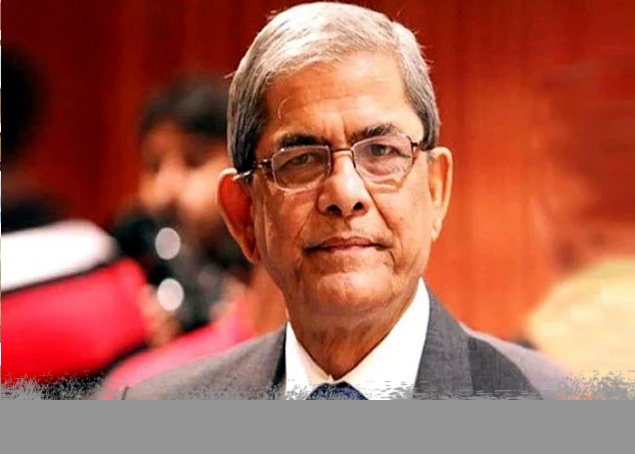
রাষ্ট্রপতি মো. সাহাবুদ্দিনের পদত্যাগের পর বাংলাদেশের রাজনীতিতে নতুন করে আলোচনার কেন্দ্রে এসেছে বঙ্গভবন। কে হবেন দেশের পরবর্তী রাষ্ট্রপতি—এই প্রশ্নের সম্ভাব্য উত্তর হিসেবে বিএনপি মহাসচিব মির্জা ফখরুল ইসলাম আলমগীরের নামই এখন সবচেয়ে বেশি উচ্চারিত হচ্ছে। তবে বিষয়টি কেবল একজন ব্যক্তিকে রাষ্ট্রপতি নির্বাচনের প্রশ্ন নয়; এর সঙ্গে জড়িয়ে আছে পরিবর্তিত রাজনৈতিক বাস্তবতায় ক্ষমতার ভারসাম্য, রাষ্ট্রীয় প্রতিষ্ঠানগুলোর গ্রহণযোগ্যতা এবং ভবিষ্যৎ রাজনৈতিক স্থিতিশীলতার হিসাব।
দীর্ঘ রাজনৈতিক অভিজ্ঞতা, তুলনামূলকভাবে পরিমিত রাজনৈতিক ভাষা এবং দলীয় সংকটে নেতৃত্ব দেওয়ার সক্ষমতা মির্জা ফখরুলকে সম্ভাব্য প্রার্থী হিসেবে এগিয়ে রাখছে। বিএনপির দুঃসময়ে দীর্ঘ সময় দলের মহাসচিব হিসেবে দায়িত্ব পালন, খালেদা জিয়ার অনুপস্থিতি এবং তারেক রহমানের দেশের বাইরে থাকার সময় সাংগঠনিক নেতৃত্ব ধরে রাখা—এসব তার রাজনৈতিক গ্রহণযোগ্যতার গুরুত্বপূর্ণ ভিত্তি।
তবে রাষ্ট্রপতি পদে তার সম্ভাব্য মনোনয়নকে শুধু ‘পুরস্কার’ হিসেবে দেখলে রাজনৈতিক বাস্তবতার একটি বড় দিক আড়ালে থেকে যায়। রাষ্ট্রপতি নির্বাচনে বিএনপির জন্য সবচেয়ে গুরুত্বপূর্ণ প্রশ্ন হবে—রাষ্ট্রপ্রধান কি সরকারের আনুষ্ঠানিক প্রধানের বাইরে জাতীয় ঐক্য ও সাংবিধানিক ভারসাম্যের প্রতীক হিসেবে কার্যকর ভূমিকা রাখতে পারবেন? বিশেষ করে রাজনৈতিক মেরুকরণ, প্রতিষ্ঠানগুলোর আস্থার সংকট এবং ভবিষ্যৎ ক্ষমতার দ্বন্দ্বের প্রেক্ষাপটে রাষ্ট্রপতির ব্যক্তিত্ব ও সিদ্ধান্ত গ্রহণের সক্ষমতা গুরুত্বপূর্ণ হয়ে উঠবে।
বিশ্লেষকদের মতে, মির্জা ফখরুলের সবচেয়ে বড় শক্তি তার অভিজ্ঞতা ও গ্রহণযোগ্যতা; আবার সম্ভাব্য চ্যালেঞ্জ হলো দলীয় আনুগত্য ও রাষ্ট্রীয় নিরপেক্ষতার মধ্যে ভারসাম্য রক্ষা। শেষ পর্যন্ত বিএনপি তাকে বেছে নিলে সেটি হবে দীর্ঘ রাজনৈতিক পথচলার স্বীকৃতি। কিন্তু রাজনৈতিক সংকট সত্যিই কাটবে কি না, তা নির্ভর করবে শুধু রাষ্ট্রপতির ব্যক্তিত্বের ওপর নয়—বরং রাষ্ট্রীয় প্রতিষ্ঠানগুলোর স্বাধীনতা, রাজনৈতিক সহনশীলতা এবং ক্ষমতার ভারসাম্য কতটা কার্যকরভাবে প্রতিষ্ঠিত হয়, তার ওপর।
লেখক: ড.আবুল হাসনাৎ মিল্টন, প্রধান সম্পাদক, দ্যা সোর্স নিউজ বাংলা
Mirza Fakhrul Is Becoming President, But Will the Political Crisis End?
Following the resignation of President Mohammed Shahabuddin, Bangabhaban has once again emerged at the center of political discussions in Bangladesh. Who will become the country's next president? In response to this question, the name of BNP Secretary General Mirza Fakhrul Islam Alamgir is currently being discussed most prominently. However, this is not merely a question of choosing an individual for the presidency. It is also closely linked to the broader equation of power balance in a changing political landscape, the credibility of state institutions, and the prospects for future political stability.
Mirza Fakhrul's long political experience, measured political rhetoric, and ability to lead his party during times of crisis have placed him among the leading contenders for the presidency. His prolonged tenure as BNP Secretary General during the party's difficult years, his leadership in the absence of Khaleda Zia, and his efforts to keep the party organizationally united while Tarique Rahman remained abroad have all contributed significantly to his political credibility.
However, viewing his potential nomination as merely a 'reward' for his long political career would overlook its deeper political implications. The key question for the BNP will be whether the president will remain confined to constitutional formalities or emerge as an effective guardian of national unity, political stability, and constitutional balance.
At a time of intense political polarization, a crisis of public confidence in state institutions, and uncertainty over the future balance of power, the president's personality and political wisdom could become increasingly important. Mirza Fakhrul's greatest strengths are his experience, composure, and relatively broad acceptability. At the same time, his potential challenge would be to maintain an effective balance between party loyalty and constitutional neutrality.
Ultimately, if the BNP chooses him as president, it would represent significant recognition of his long political journey. But whether the country's political crisis will truly come to an end will depend not merely on who occupies Bangabhaban. Rather, Bangladesh's future political stability will depend on how effectively the independence of state institutions, political tolerance, democratic practices, and the balance of power are established and sustained.
Author: Dr. Abul Hasnat Milton
Editor-in-Chief, The Source News Bangla