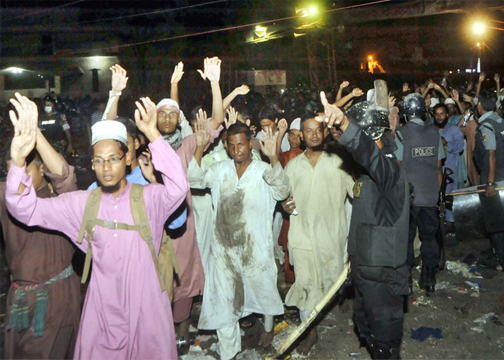
২০১৩ সালের ৫ মে রাতে ঢাকার শাপলা চত্বরে আইনশৃঙ্খলা বাহিনীর অভিযানে বিপুলসংখ্যক হেফাজতকর্মীকে হত্যা করা হয়েছিল—এক যুগের বেশি সময় ধরে বাংলাদেশের রাজনীতিতে এমন একটি বয়ান প্রচলিত রয়েছে। কখনো শত শত, এমনকি হাজারো মানুষ হত্যার দাবিও করা হয়েছে।
কিন্তু সেদিন ঘটনাস্থলে থাকা সাংবাদিকদের প্রত্যক্ষ অভিজ্ঞতা এবং পরবর্তী সময়ে সামনে আসা তথ্য একটি গুরুত্বপূর্ণ পার্থক্যের দিকে ইঙ্গিত করে: ৫ ও ৬ মে ঢাকা ও দেশের বিভিন্ন স্থানে সংঘর্ষে প্রাণহানি ঘটেছিল; কিন্তু সেই মৃত্যুগুলো এবং গভীর রাতে শাপলা চত্বর খালি করার অভিযান একই ঘটনা নয়।
সাবেক BBC Bangla প্রধান সাবির মুস্তফা বলেছেন, শাপলা চত্বর খালি করার রাতের অভিযানে ব্যাপক হত্যাকাণ্ড ঘটার প্রমাণ BBC-এর সাংবাদিকেরা পাননি। তাঁর ভাষ্য অনুযায়ী, BBC সাংবাদিক কাদির কল্লোল ওই রাতে ঘটনাস্থলে ছিলেন এবং লন্ডন থেকে তাঁর সঙ্গে সার্বক্ষণিক যোগাযোগ রাখা হয়েছিল। তিনি সেখানে গুলি চালিয়ে মানুষ হত্যার দৃশ্য, অভিযানে নিহত মানুষের মৃতদেহ কিংবা রাস্তায় রক্ত দেখতে পাননি।
তবে এর অর্থ এই নয় যে ৫–৬ মে কোনো মানুষ মারা যায়নি। সেদিন ঢাকা শহরের বিভিন্ন স্থানে এবং পরবর্তী সময়ে দেশের অন্যত্র হেফাজতকর্মী, আইনশৃঙ্খলা বাহিনী ও অন্যদের মধ্যে সংঘর্ষে প্রাণহানি ঘটেছিল।
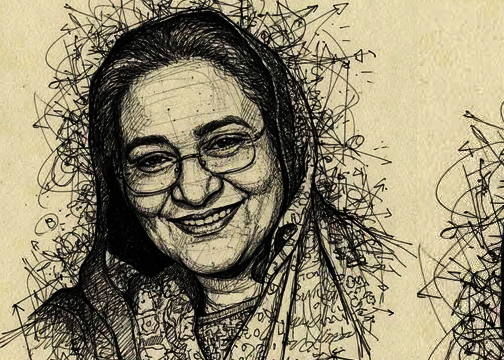
এই পার্থক্যটি এখন বিশেষ গুরুত্বপূর্ণ। কারণ ঘটনার ১৩ বছর পর সেই ঘটনাকে কেন্দ্র করে আন্তর্জাতিক অপরাধ ট্রাইব্যুনালে সাবেক প্রধানমন্ত্রী শেখ হাসিনাসহ ৪১ জনের বিরুদ্ধে মানবতাবিরোধী অপরাধের অভিযোগ আনা হয়েছে।
ফলে একটি মৌলিক প্রশ্ন সামনে এসেছে—যে ঘটনাকে বছরের পর বছর ‘শাপলা চত্বর হত্যাকাণ্ড’ বলা হয়েছে, শাপলা চত্বর খালি করার সেই নির্দিষ্ট রাতের অভিযানে হত্যার প্রমাণ কী? আর দিনের বেলা ঢাকা ও অন্যান্য স্থানে সংঘর্ষে হওয়া মৃত্যুগুলোকে কি রাতের অভিযানের সঙ্গে এক করে দেখা হচ্ছে?
৫ মে: সমাবেশ থেকে সহিংসতা
২০১৩ সালের ৫ মে হেফাজতে ইসলাম তাদের ১৩ দফা দাবিতে ঢাকায় বড় ধরনের সমাবেশ করে। দেশের বিভিন্ন স্থান থেকে বিপুলসংখ্যক মাদ্রাসার শিক্ষক-শিক্ষার্থী ও সংগঠনটির সমর্থক ঢাকায় আসেন।
দিনের একপর্যায়ে পল্টন, মতিঝিল, বায়তুল মোকাররমসহ রাজধানীর বিভিন্ন এলাকায় সংঘর্ষ ও ব্যাপক সহিংসতা শুরু হয়। গাছ কাটা, দোকান ও বিভিন্ন স্থাপনায় আগুন দেওয়া, সড়কের অবকাঠামো ভাঙচুর এবং আইনশৃঙ্খলা বাহিনীর সঙ্গে সংঘর্ষের ঘটনা ঘটে।
সে সময়কার প্রধান বিরোধী দল বিএনপি হেফাজতের কর্মসূচির প্রতি সমর্থন জানিয়েছিল। সরবরাহ করা নথিতে বলা হয়েছে, বিএনপি চেয়ারপারসন খালেদা জিয়া দলীয় নেতাকর্মীদের হেফাজতের কর্মসূচিতে যোগ দেওয়ার আহ্বান জানিয়েছিলেন।
সেদিন ঢাকা এবং পরে দেশের আরও কয়েকটি স্থানে সংঘর্ষে প্রাণহানি ঘটে।
কিন্তু পরবর্তী রাজনৈতিক বয়ানে একটি ভিন্ন দাবি শক্তিশালী হয়ে ওঠে—গভীর রাতে শাপলা চত্বর খালি করার সময় আইনশৃঙ্খলা বাহিনী সেখানে ব্যাপক হত্যাকাণ্ড চালিয়েছিল।
এই নির্দিষ্ট দাবিটির প্রমাণ নিয়েই প্রশ্ন রয়েছে।
BBC-এর সাংবাদিক ছিলেন ঘটনাস্থলে
সাবির মুস্তফা দীর্ঘ সময় BBC বাংলা বিভাগের প্রধান ছিলেন। শাপলা চত্বরের ঘটনার রাতে তিনি লন্ডনে দায়িত্ব পালন করছিলেন।
তাঁর বর্ণনা অনুযায়ী, BBC সাংবাদিক কাদির কল্লোল গভীর রাত পর্যন্ত শাপলা চত্বরে ছিলেন এবং লন্ডন থেকে তাঁর সঙ্গে যোগাযোগ রাখা হচ্ছিল।
এদিকে সামাজিক যোগাযোগমাধ্যমে তখন শত শত মানুষ নিহত, মৃতদেহ ট্রাকে করে সরিয়ে নেওয়া এবং রক্ত ধুয়ে ফেলার মতো ভয়াবহ সব খবর ছড়িয়ে পড়ছিল।
সাবির মুস্তফার বক্তব্য অনুযায়ী, এসব দাবি ছড়িয়ে পড়ার পর ঘটনাস্থলে থাকা সাংবাদিকের কাছে বারবার পরিস্থিতি জানতে চাওয়া হয়। কিন্তু তিনি সেখানে ব্যাপক হত্যাকাণ্ডের কোনো দৃশ্য দেখতে পাননি।
সাবির মুস্তফা একই সঙ্গে একটি গুরুত্বপূর্ণ বিষয় পরিষ্কার করেছেন—৫ ও ৬ মে বিভিন্ন সংঘর্ষে মানুষ মারা গেছে এবং BBC সেসব মৃত্যুর খবরও প্রচার করেছে।
অর্থাৎ, প্রশ্নটি “সেদিন কেউ মারা গিয়েছিল কি না”—সেটি নয়।
প্রশ্নটি হলো—শাপলা চত্বর খালি করার রাতের অভিযানে মানুষ হত্যা করা হয়েছিল কি না।
শাপলা চত্বরে মৃতদেহ থাকলেই সেখানে হত্যা হয়েছিল?
এই বিতর্কের আরেকটি গুরুত্বপূর্ণ দিক রয়েছে।
ঘটনার দিনের বিভিন্ন সংঘর্ষে নিহত কয়েকজনের মৃতদেহ শাপলা চত্বরের সমাবেশস্থলে নিয়ে আসা হয়েছিল বলে বিভিন্ন অনুসন্ধানে উঠে এসেছে। দ্য সোর্স নিউজ বাংলাকে সরবরাহ করা নথিতেও চার ব্যক্তির মৃতদেহ অন্য স্থান থেকে সমাবেশস্থলে নিয়ে আসার কথা বলা হয়েছে।
Human Rights Watch-ও ২০১৩ সালের অনুসন্ধানে দিনের বেলা নিহত কয়েকজনের মৃতদেহ শাপলা চত্বরে নিয়ে আসার তথ্য উল্লেখ করেছিল।
ফলে শাপলা চত্বরে কোনো মৃতদেহ পাওয়া বা দেখা যাওয়াই প্রমাণ করে না যে ওই ব্যক্তি গভীর রাতের অভিযানে সেখানে নিহত হয়েছিলেন।
Human Rights Watch অবশ্য ৫–৬ মে সামগ্রিক ঘটনাপ্রবাহে নিরাপত্তা বাহিনীর বিরুদ্ধে অতিরিক্ত বলপ্রয়োগের অভিযোগ করেছিল এবং বিভিন্ন স্থানের সংঘর্ষ মিলিয়ে অন্তত ৫৮ জনের মৃত্যুর হিসাব দিয়েছিল। একই সঙ্গে সংস্থাটি হেফাজতের অনেক বেশি প্রাণহানির দাবিকে অতিরঞ্জিত এবং বিরোধী পক্ষের কিছু দাবিকে অবিশ্বাস্য বলেও উল্লেখ করেছিল।
এখানেই একটি গুরুত্বপূর্ণ সাংবাদিকতাগত পার্থক্য প্রয়োজন:
৫–৬ মে ঢাকা ও দেশের বিভিন্ন স্থানে মোট কতজন মারা গিয়েছিলেন—এটি একটি প্রশ্ন।
আর,
গভীর রাতে শাপলা চত্বর খালি করার মূল অভিযানে কতজন নিহত হয়েছিলেন—এটি সম্পূর্ণ আলাদা প্রশ্ন।
দুটিকে এক করে দেখলে ইতিহাস এবং বিচার—দুটিই বিভ্রান্ত হওয়ার ঝুঁকি থাকে।
তাহলে ‘শাপলা চত্বর হত্যাকাণ্ড’ কথাটি এলো কোথা থেকে?
অভিযানের পরপরই ভয়াবহ সব সংখ্যা ছড়িয়ে পড়ে। শত শত কিংবা হাজারো মানুষ নিহত এবং ট্রাকে করে মৃতদেহ সরিয়ে নেওয়ার মতো দাবি সামাজিক যোগাযোগমাধ্যম ও রাজনৈতিক বক্তব্যে প্রচারিত হয়।
কিন্তু একটি এত বড় হত্যাকাণ্ডের ক্ষেত্রে স্বাভাবিকভাবেই কিছু মৌলিক প্রশ্ন আসে।
নিহত ব্যক্তিরা কারা?
তাঁদের নাম কী?
তাঁদের পরিবার কোথায়?
হাসপাতাল বা মর্গের নথি কোথায়?
ঘটনাস্থলে তাঁদের নিহত হওয়ার ছবি বা ভিডিও কোথায়?
কোন বাহিনীর গুলিতে তাঁরা মারা গেছেন?
সাবির মুস্তফার বক্তব্যের গুরুত্বপূর্ণ দিকও এখানেই। তাঁর ভাষ্য অনুযায়ী, শাপলা চত্বরের রাতের অভিযানে নিহত বলে দাবি করা ব্যক্তিদের নির্দিষ্ট পরিচয় জানতে চাওয়া হলেও তার বিশ্বাসযোগ্য তালিকা সামনে আসেনি।
এর অর্থ আবারও এই নয় যে সেদিন কোনো প্রাণহানি হয়নি।
এর অর্থ হলো, দিনের সংঘর্ষে হওয়া মৃত্যু এবং গভীর রাতে শাপলা চত্বর খালি করার অভিযানকে আলাদা করে যাচাই করা প্রয়োজন।
১৩ বছর পর ৪১ জন আসামি
এখন ঘটনার ১৩ বছর পর আন্তর্জাতিক অপরাধ ট্রাইব্যুনালে শেখ হাসিনাসহ ৪১ জনের বিরুদ্ধে অভিযোগ আনা হয়েছে।
আসামিদের তালিকায় সাবেক মন্ত্রী ও আওয়ামী লীগের নেতা, সাবেক আইজিপি, পুলিশ ও র্যাবের ঊর্ধ্বতন কর্মকর্তা, সাবেক বিজিবি মহাপরিচালক, সাংবাদিক ও বুদ্ধিজীবীরা রয়েছেন।
এত বিস্তৃত একটি আসামি তালিকা স্বাভাবিকভাবেই আরেকটি প্রশ্ন সামনে আনে—প্রত্যেক ব্যক্তির বিরুদ্ধে কি আলাদা ও সুনির্দিষ্ট অপরাধের প্রমাণ রয়েছে, নাকি তৎকালীন সরকার ও রাষ্ট্রযন্ত্রে তাঁদের অবস্থান এবং রাজনৈতিক পরিচয়ের ভিত্তিতে সামষ্টিক দায় আরোপ করা হচ্ছে?
মানবতাবিরোধী অপরাধ অত্যন্ত গুরুতর অভিযোগ। ফলে অভিযোগ যত গুরুতর, প্রমাণের মানও তত শক্তিশালী হওয়া প্রয়োজন।
বিজিবির ভূমিকা এবং জেনারেল (অব.) আজিজকে আসামি করা
এই প্রশ্ন বোঝার একটি উদাহরণ হতে পারে তৎকালীন বিজিবি মহাপরিচালক জেনারেল (অব.) আজিজ আহমেদের বিষয়টি।
৪১ আসামির তালিকায় তিনি ২৬ নম্বরে রয়েছেন। পরবর্তী সময়ে তিনি বাংলাদেশ সেনাবাহিনীর প্রধান হয়েছিলেন।
কিন্তু শাপলা চত্বর খালি করার মূল অভিযানে বিজিবির ভূমিকা নিয়েই গুরুত্বপূর্ণ প্রশ্ন রয়েছে।
দ্য সোর্স নিউজ বাংলাকে সরবরাহ করা নথিতে বলা হয়েছে, ৫ মে রাতে শাপলা চত্বর খালি করার সিদ্ধান্ত নেওয়া হয় পুলিশ সদর দপ্তরের একটি বৈঠকে। মূল অভিযান পরিচালনা করে পুলিশ, র্যাব তাদের সহায়তা করে এবং বিজিবিকে প্রয়োজনে ব্যবহারের জন্য প্রস্তুত রাখা হয়।
নথিটির দাবি, বিজিবি সদস্যরা মূলত সচিবালয়, বাংলাদেশ ব্যাংক ও বঙ্গভবনের মতো গুরুত্বপূর্ণ স্থাপনার নিরাপত্তায় নিয়োজিত ছিলেন এবং শাপলা চত্বর খালি করার মূল অভিযানে অংশ নেননি।
Human Rights Watch-এর ২০১৩ সালের প্রত্যক্ষদর্শীভিত্তিক অনুসন্ধানেও বলা হয়েছিল, বিজিবি সদস্যরা পুলিশ ও র্যাবের পেছনে অবস্থান করলেও মূল clearance operation-এ অংশ নেননি।
আর দ্য সোর্স নিউজ বাংলাকে দেওয়া নথির দাবি, শাপলা চত্বর খালি করার পরিকল্পনা-সংক্রান্ত বৈঠকে জেনারেল আজিজ উপস্থিত ছিলেন না এবং ব্যক্তিগতভাবেও অভিযানে অংশ নেননি। আরও দাবি করা হয়েছে, ২০২৫ সালের এপ্রিলে হেফাজতে ইসলামের পক্ষ থেকে আন্তর্জাতিক অপরাধ ট্রাইব্যুনালে প্রথম অভিযোগ দেওয়ার সময় তাঁর নাম ছিল না; পরবর্তী পর্যায়ে তাঁকে আসামি করা হয়।
এসব দাবি আদালতে প্রমাণ ও পাল্টা প্রমাণের বিষয়। প্রসিকিউশনের কাছে তাঁর বিরুদ্ধে অন্য কোনো সাক্ষ্য, নথি, নির্দেশ অথবা command responsibility প্রতিষ্ঠার উপাদান থাকলে সেটিও বিচারপ্রক্রিয়ায় সামনে আসা প্রয়োজন।
বিশেষ করে তাঁকে দেশে ফিরিয়ে বিচারের মুখোমুখি করতে Interpol-এর Red Notice চাওয়ার উদ্যোগ নেওয়ায় তাঁর বিরুদ্ধে সুনির্দিষ্ট অভিযোগ ও প্রমাণের বিষয়টি আরও গুরুত্বপূর্ণ হয়ে উঠেছে।
কিন্তু এটি শুধু জেনারেল আজিজের প্রশ্ন নয়।
৪১ আসামির প্রত্যেকের ক্ষেত্রেই দেখাতে হবে—কে কী করেছিলেন, কোন সিদ্ধান্তে অংশ নিয়েছিলেন, কোন নির্দেশ দিয়েছিলেন অথবা কথিত অপরাধ সংঘটনে তাঁর ব্যক্তিগত ভূমিকা কী ছিল।
কোনো বাহিনীর প্রধান হওয়া, কোনো সরকারের অধীনে দায়িত্ব পালন করা কিংবা কোনো বিশেষ রাজনৈতিক পরিচয়—নিজে অপরাধের প্রমাণ নয়।
ইন্টারপোলও এখন এই বিচারপ্রক্রিয়ার অংশ
বর্তমান বিএনপি সরকার বিদেশে থাকা সাবেক সরকার ও রাষ্ট্রযন্ত্রের একাধিক গুরুত্বপূর্ণ ব্যক্তিকে দেশে ফেরানোর জন্য আন্তর্জাতিক সহযোগিতা চাইছে।
সরকার জানিয়েছে, সাবেক প্রধানমন্ত্রী শেখ হাসিনাকে ভারত থেকে ফেরত আনার জন্য আনুষ্ঠানিক প্রত্যর্পণ অনুরোধ পাঠানো হয়েছে এবং তাঁর বিরুদ্ধে Interpol Red Notice চাওয়া হয়েছে। সাবেক স্বরাষ্ট্রমন্ত্রী আসাদুজ্জামান খান কামালসহ অন্যদের ক্ষেত্রেও আন্তর্জাতিক সহযোগিতা চাওয়া হয়েছে।
সাবেক আইজিপি বেনজীর আহমেদের বিরুদ্ধেও Interpol Red Notice জারি হয়েছে এবং তাঁকে দেশে ফেরানোর উদ্যোগ চলছে।
শাপলা চত্বর মামলার ক্ষেত্রেও Interpol-এর সহযোগিতা চাওয়া হচ্ছে।
তবে এখানে একটি বিষয় পরিষ্কার রাখা প্রয়োজন—Red Notice কোনো আন্তর্জাতিক গ্রেপ্তারি পরোয়ানা নয়।
এটি কোনো ব্যক্তিকে খুঁজে বের করে প্রত্যর্পণ বা সমজাতীয় আইনি প্রক্রিয়ার জন্য সাময়িকভাবে আটক করার অনুরোধ। সংশ্লিষ্ট দেশ তার নিজস্ব আইন অনুযায়ী সিদ্ধান্ত নেয় কী ব্যবস্থা নেওয়া হবে।
আর Interpol-এর সংবিধানের Article 3 অনুযায়ী রাজনৈতিক, সামরিক, ধর্মীয় বা জাতিগত চরিত্রের কর্মকাণ্ডে সংস্থাটির হস্তক্ষেপ নিষিদ্ধ।
ফলে বাংলাদেশ থেকে আবেদন পাঠানো এবং Interpol সেই আবেদন গ্রহণ করে Red Notice জারি করা এক বিষয় নয়। অভিযোগের আইনগত ও তথ্যগত ভিত্তিও সেখানে গুরুত্বপূর্ণ।
একই দিনের দুই আলাদা ঘটনা
শাপলা চত্বর নিয়ে দীর্ঘদিনের রাজনৈতিক বিতর্কের সবচেয়ে বড় সমস্যাটি সম্ভবত এখানেই—দুটি সম্পর্কিত কিন্তু আলাদা ঘটনাকে প্রায়ই একটি ঘটনা হিসেবে উপস্থাপন করা হয়েছে।
প্রথমত, ৫ মে দিনের বেলা ঢাকা শহরের বিভিন্ন স্থানে হেফাজতকর্মী, আইনশৃঙ্খলা বাহিনী এবং অন্যদের মধ্যে সহিংস সংঘর্ষ হয়েছিল। পরে দেশের অন্য জায়গাতেও সংঘর্ষ হয়েছে। মানুষ মারা গেছে।
দ্বিতীয়ত, গভীর রাতে আইনশৃঙ্খলা বাহিনী শাপলা চত্বরে অবস্থানকারীদের সরিয়ে দেয়।
প্রথম ঘটনায় প্রাণহানি নথিবদ্ধ।
কিন্তু দ্বিতীয় ঘটনাটিকেই যদি ‘শাপলা চত্বর হত্যাকাণ্ড’ বা ‘গণহত্যা’ বলা হয়, তাহলে সেই নির্দিষ্ট অভিযোগের জন্য নির্দিষ্ট প্রমাণ প্রয়োজন।
কারা সেখানে নিহত হয়েছেন?
কতজন?
কোথায় তাঁদের মৃতদেহ পাওয়া গেছে?
কার গুলিতে তাঁরা মারা গেছেন?
কোন বাহিনী গুলি করেছে?
কোন কর্মকর্তা সেই নির্দেশ দিয়েছেন?
১৩ বছর পর মানবতাবিরোধী অপরাধের মতো গুরুতর অভিযোগে বিচার করতে গেলে এসব প্রশ্নের উত্তর রাজনৈতিক বয়ান বা অনুমানের মাধ্যমে নয়, সাক্ষ্য ও প্রমাণের মাধ্যমে দিতে হবে।
২০১৩ সালের রাজনৈতিক প্রেক্ষাপটও ভুলে গেলে চলবে না
শাপলা চত্বরের ঘটনাকে সেই সময়ের বৃহত্তর রাজনৈতিক পরিস্থিতি থেকে বিচ্ছিন্ন করেও দেখা যায় না।
তখন বাংলাদেশে ১৯৭১ সালের মানবতাবিরোধী অপরাধের বিচার চলছিল। শাহবাগের গণজাগরণ মঞ্চ যুদ্ধাপরাধীদের সর্বোচ্চ শাস্তি এবং মুক্তিযুদ্ধের চেতনার পক্ষে বড় সামাজিক আন্দোলন তৈরি করেছিল।
অন্যদিকে হেফাজতে ইসলাম ১৩ দফা দাবি নিয়ে মাঠে নামে। নারী-পুরুষের সামাজিক মেলামেশা, ভাস্কর্য, ধর্ম অবমাননার শাস্তিসহ তাদের বেশ কিছু দাবি বাংলাদেশের অসাম্প্রদায়িক ও প্রগতিশীল মহলে গভীর উদ্বেগ তৈরি করেছিল।
ফলে ৫ মে-র ঘটনাটি শুধু একটি আইনশৃঙ্খলা পরিস্থিতি ছিল না; এর পেছনে বাংলাদেশের রাষ্ট্রীয় পরিচয়, ধর্মনিরপেক্ষতা, মুক্তিযুদ্ধের চেতনা এবং ধর্মভিত্তিক রাজনীতির মধ্যকার দীর্ঘদিনের টানাপোড়েনও ছিল।
কিন্তু রাজনৈতিক প্রেক্ষাপট যত গুরুত্বপূর্ণই হোক, সেটি অপরাধের প্রমাণের বিকল্প হতে পারে না।
বিচার হোক—ইতিহাসও বিকৃত না হোক
১৯৭১ সালের মুক্তিযুদ্ধের মধ্য দিয়ে জন্ম নেওয়া বাংলাদেশের অন্যতম ভিত্তি ছিল অসাম্প্রদায়িকতা, মানবিক মর্যাদা, ন্যায়বিচার এবং আইনের শাসন।
সেই মূল্যবোধের দাবি খুব সরল।
কেউ অপরাধ করলে তাঁর বিচার হতে হবে—তিনি সাবেক প্রধানমন্ত্রী, মন্ত্রী, সেনা বা পুলিশ কর্মকর্তা, সাংবাদিক কিংবা রাজনৈতিক নেতা যিনিই হোন।
কিন্তু রাজনৈতিক পরিচয় কখনো অপরাধের বিকল্প প্রমাণ হতে পারে না।
একইভাবে ২০১৩ সালের ৫–৬ মে ঢাকা ও দেশের বিভিন্ন স্থানে সংঘর্ষে মানুষের মৃত্যু হয়ে থাকলে সেই মৃত্যুর বিচার অবশ্যই হতে পারে। কিন্তু সেই প্রাণহানিকে প্রমাণ ছাড়াই গভীর রাতের শাপলা চত্বর অভিযানে সংঘটিত ‘গণহত্যা’ হিসেবে প্রতিষ্ঠা করাও ইতিহাসের প্রতি সুবিচার হবে না।
তেরো বছর পর তাই এই মামলার সবচেয়ে গুরুত্বপূর্ণ প্রশ্ন সম্ভবত ৪১ জন আসামির নাম নয়।
প্রশ্নটি তারও আগে—
শাপলা চত্বরে সেই রাতের অভিযানে আসলে কাকে হত্যা করা হয়েছিল?
কারণ রাষ্ট্র যদি ওই রাতের ঘটনাকে কেন্দ্র করে ৪১ জন মানুষের বিরুদ্ধে মানবতাবিরোধী অপরাধের বিচার করতে চায়, তাহলে এই প্রশ্নের বিশ্বাসযোগ্য, যাচাইযোগ্য এবং প্রমাণভিত্তিক উত্তর থেকেই বিচার প্রক্রিয়ার শুরু হওয়া উচিত।
দ্য সোর্স নিউজ বাংলা | অনুসন্ধান ও বিশ্লেষণ
For more than a decade, a powerful political narrative has persisted in Bangladesh: that large numbers of Hefazat-e-Islam supporters were killed when security forces cleared Shapla Chattar in Dhaka on the night of 5–6 May 2013. At various times, claims have ranged from hundreds to even thousands of deaths.
Yet accounts from journalists who were present and information that subsequently emerged point to an important distinction: people died during clashes in Dhaka and elsewhere on 5 and 6 May, but those deaths and the late-night operation to clear Shapla Chattar were not necessarily the same event.
Former BBC Bangla head Sabir Mustafa has said that BBC journalists found no evidence of a mass killing during the actual night-time clearance operation at Shapla Chattar.
According to Mustafa, BBC correspondent Kadir Kallol was at the scene that night and remained in regular contact with the BBC team in London. He did not report witnessing people being shot dead during the clearance operation, bodies resulting from such shootings, or blood on the streets.
That does not mean nobody died during the events of 5–6 May. Fatalities occurred during violent clashes in different parts of Dhaka and subsequently elsewhere in Bangladesh.
The distinction has now become particularly important because, 13 years later, former Prime Minister Sheikh Hasina and 40 others are facing allegations of crimes against humanity arising from the events.
The fundamental question is therefore: What evidence establishes killings during the specific night-time operation to clear Shapla Chattar? And are deaths occurring during clashes elsewhere being conflated with the clearance operation itself?
From Rally to Violence
Hefazat-e-Islam organised a major gathering in Dhaka on 5 May 2013 in support of its 13-point programme. Large numbers of madrasa teachers, students and supporters travelled to the capital.
As the day progressed, serious violence erupted around Paltan, Motijheel, Baitul Mukarram and other parts of Dhaka. Trees were cut down, shops and other properties were set on fire, infrastructure was damaged and protesters clashed with law-enforcement agencies.
The then-main opposition Bangladesh Nationalist Party supported Hefazat's programme.
People died during the broader violence that day and in subsequent clashes elsewhere.
But a different claim became politically dominant afterwards: that security forces carried out a large-scale killing when they cleared Shapla Chattar late that night.
It is this specific allegation that requires closer scrutiny.
A BBC Journalist Was at the Scene
Sabir Mustafa served for many years as head of the BBC Bengali Service and was on duty in London on the night of the operation.
According to his account, BBC correspondent Kadir Kallol remained at Shapla Chattar until the early hours while maintaining contact with colleagues in London.
At the same time, extraordinary claims were spreading through social media: hundreds had allegedly been killed, bodies removed in trucks and blood washed from the streets.
Mustafa says the BBC repeatedly checked these claims with its journalist on the ground. He did not report witnessing a mass killing at Shapla Chattar.
Mustafa has nevertheless made another point equally clear: people did die in clashes on 5 and 6 May, and the BBC reported those fatalities.
The question, therefore, is not whether anyone died during the events of those two days.
The question is whether people were killed during the specific night-time operation to clear Shapla Chattar.
Does the Presence of Bodies Prove They Were Killed There?
There is another important complication.
Bodies of individuals killed during earlier clashes were reportedly brought to the Shapla Chattar gathering before the clearance operation.
Human Rights Watch's 2013 investigation also referred to bodies of people killed earlier being brought to the square.
The presence of bodies at Shapla Chattar therefore does not by itself establish that those individuals were killed there during the night-time operation.
Human Rights Watch nevertheless alleged excessive use of force by security agencies during the broader events of 5–6 May and estimated that at least 58 people, including members of the security forces, died across the wider violence. At the same time, it regarded Hefazat's much higher casualty claims as exaggerated and found some opposition claims lacking credibility.
This is why two questions must remain separate:
How many people died during the overall violence in Dhaka and elsewhere on 5–6 May?
And:
How many people were killed during the operation to clear Shapla Chattar itself?
Conflating the two risks distorting both history and the judicial process.
Where Did the ‘Shapla Chattar Massacre’ Narrative Come From?
Immediately after the operation, extraordinary casualty figures began circulating.
Claims were made that hundreds or even thousands had been killed and that bodies had been removed in trucks.
But allegations of a massacre on such a scale inevitably raise basic evidentiary questions.
Who were those killed?
What were their names?
Where are their families?
Where are the hospital and morgue records?
Where is the photographic or video evidence showing them being killed at Shapla Chattar?
Which security force killed them?
These questions are central to Sabir Mustafa's account as well. According to him, a credible list identifying those allegedly killed during the night-time Shapla Chattar operation was not produced when such claims were examined.
Again, this does not mean there were no deaths during the violence of 5–6 May.
It means deaths during daytime clashes and the late-night Shapla Chattar clearance operation need to be examined separately.
Forty-One People Now Accused
Thirteen years later, proceedings before Bangladesh's International Crimes Tribunal name former Prime Minister Sheikh Hasina and 40 others.
The accused include former ministers and Awami League leaders, former inspectors general of police, senior police and RAB officers, a former BGB director general, journalists and intellectuals.
Such a broad list inevitably raises another question: Is there specific evidence establishing the individual criminal responsibility of each defendant, or is collective responsibility being inferred from their positions within the former government and state apparatus?
Crimes against humanity are among the gravest criminal allegations possible.
The seriousness of the charge therefore demands correspondingly strong evidence.
BGB's Role and the Case of General Aziz Ahmed
The position of then-Border Guard Bangladesh Director General General (Retired) Aziz Ahmed provides one example of why individual responsibility matters.
General Aziz, who later became Bangladesh's Chief of Army Staff, is listed as the 26th accused among the 41 defendants.
But there are significant questions concerning BGB's role in the actual Shapla Chattar clearance operation.
Material provided to The Source News Bangla states that the decision to clear the square was made at a meeting at Police Headquarters. Police led the operation with assistance from the Rapid Action Battalion, while BGB remained available as a standby force.
According to the material, BGB personnel were primarily deployed to protect strategic installations near Shapla Chattar, including the Bangladesh Secretariat, Bangladesh Bank and Bangabhaban, and did not participate in the main clearance operation.
Human Rights Watch's 2013 investigation similarly reported, based on witness accounts, that BGB personnel remained behind police and RAB units and did not take part in the actual clearance operation.
The material provided to The Source News Bangla further claims that General Aziz was not present at meetings planning the clearance operation and did not personally participate in it. It also states that when a complaint was initially filed before the International Crimes Tribunal on behalf of Hefazat-e-Islam in April 2025, his name was not included, but he was subsequently added as an accused.
These claims are matters to be tested through evidence and counter-evidence in court. If prosecutors possess documents, testimony, orders or other material establishing General Aziz's individual or command responsibility, those should be presented and scrutinised through a fair judicial process.
The issue has acquired additional significance because authorities have sought Interpol assistance to return him to Bangladesh to face trial.
But this is not ultimately about General Aziz alone.
For every one of the 41 accused, prosecutors should be able to demonstrate what that individual did, what decisions they participated in, what instructions they gave, or how they were personally connected to the alleged crimes.
Holding a senior position, serving under a particular government or having a particular political association is not, by itself, evidence of a crime.
Interpol Enters the Process
The current BNP government has sought international cooperation to return several former government and security officials who are abroad.
The government has said that it formally requested former Prime Minister Sheikh Hasina's extradition from India and sought an Interpol Red Notice against her. International assistance has also been sought regarding former Home Minister Asaduzzaman Khan Kamal and others.
Former Inspector General of Police Benazir Ahmed is also subject to an Interpol Red Notice, and Bangladesh has pursued his return.
Interpol assistance is now also being sought in relation to defendants in the Shapla Chattar proceedings.
An important distinction should nevertheless be understood: an Interpol Red Notice is not an international arrest warrant.
It is a request to law-enforcement authorities around the world to locate an individual and potentially provisionally arrest that person pending extradition or similar legal proceedings. Each country decides what action to take under its own laws.
Article 3 of Interpol's Constitution also prohibits the organisation from undertaking activities of a political, military, religious or racial character.
Submitting a request to Interpol and Interpol approving that request are therefore not the same thing. The legal and evidentiary basis of the allegations matters.
Two Different Events on the Same Day
Perhaps the central problem in the long-running Shapla Chattar controversy is that two related but distinct events have frequently been merged into a single narrative.
First, violent clashes occurred in different parts of Dhaka on 5 May and subsequently elsewhere. People died.
Second, security forces removed the remaining Hefazat supporters from Shapla Chattar late that night.
Fatalities in the first series of events are documented.
But if the second event itself is to be characterised as the “Shapla Chattar massacre” or a “genocide,” that specific allegation requires specific evidence.
Who was killed there?
How many?
Where were their bodies recovered?
What caused their deaths?
Which security force fired the fatal shots?
Who gave the orders?
Thirteen years later, if individuals are to face allegations as serious as crimes against humanity, these questions must be answered through evidence—not political narratives or assumptions.
The Political Context of 2013 Matters Too
The events at Shapla Chattar cannot be entirely separated from Bangladesh's wider political environment in 2013.
Trials relating to crimes committed during the 1971 Liberation War were under way. The Shahbag movement had mobilised large sections of society demanding the highest punishment for convicted war criminals and expressing support for the secular ideals associated with the Liberation War.
Hefazat-e-Islam, meanwhile, emerged with a 13-point programme. Several of its demands concerning relations between men and women, religious offences, sculpture and public life caused serious concern among Bangladesh's secular and progressive sections.
The events of 5 May were therefore not simply a law-and-order episode. They occurred against a much longer struggle over Bangladesh's national identity, secularism, the legacy of the Liberation War and religion-based politics.
But political context, however important, cannot substitute for evidence of a crime.
Justice Must Be Served—But History Must Not Be Rewritten
Bangladesh emerged through the 1971 Liberation War with aspirations built around secularism, human dignity, justice and the rule of law.
Those principles require something quite straightforward.
If someone committed a crime, that person should face justice—whether a former prime minister, minister, military or police officer, journalist or political leader.
But political identity cannot become a substitute for evidence of criminal guilt.
Likewise, if people died during clashes in Dhaka and elsewhere on 5–6 May 2013, those deaths can and should be investigated.
But deaths occurring during those wider clashes should not, without evidence, be transformed into proof of a massacre during the late-night Shapla Chattar clearance operation.
Thirteen years later, therefore, the most important question surrounding this case may not be the identities of the 41 accused.
It is a question that comes before all of them:
Who, precisely, was killed at Shapla Chattar during that night-time operation?
If the state intends to prosecute 41 people for crimes against humanity arising from that operation, a credible, verifiable and evidence-based answer to that question should be where the judicial process begins.
The Source News Bangla | Investigation & Analysis