বাংলাদেশের রাজনৈতিক পরিস্থিতি যখন ক্রমেই উত্তপ্ত হয়ে উঠছে, তখন আন্তর্জাতিক অঙ্গন থেকে আসছে একটি গুরুত্বপূর্ণ বার্তা—গণতান্ত্রিক রাজনীতিতে কোনো রাজনৈতিক দল বা রাজনৈতিক ব্যক্তিত্বকে নির্বিচারে বাইরে রাখা উচিত নয়। বাংলাদেশের পাঁচ বারের নির্বাচিত প্রধানমন্ত্রী শেখ হাসিনার দেশে ফেরার ঘোষণা এবং গণমানুষের দল আওয়ামী লীগের নির্বাহী আদেশে রাজনৈতিক কর্মকাণ্ডের ওপর নিষেধাজ্ঞা বহাল রাখার বিতর্কের মধ্যেই জাতিসংঘের এই অবস্থান নতুন মাত্রা যোগ করেছে।
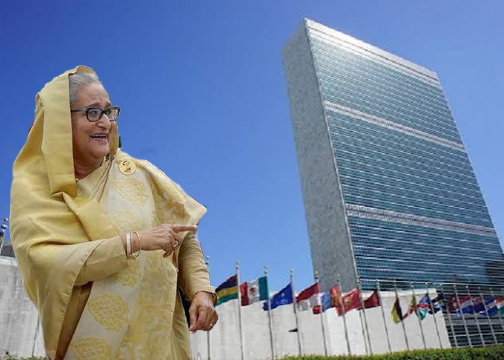
১০ নভেম্বর জাতিসংঘ মহাসচিবের নিয়মিত প্রেস ব্রিফিংয়ে বাংলাদেশ প্রসঙ্গ উঠে আসে। সেখানে আওয়ামী লীগ ও তার সমর্থকদের বিরুদ্ধে দেশকে অস্থিতিশীল করার অভিযোগ সম্পর্কে জানতে চাওয়া হলে মহাসচিবের উপমুখপাত্র ফারহান হক সরাসরি ওই অভিযোগের পক্ষে কোনো মন্তব্য করেননি। বরং তিনি রাজনৈতিক কর্মকাণ্ডে সব রাজনৈতিক দল ও রাজনৈতিক ব্যক্তিত্বের স্বাধীনভাবে অংশগ্রহণের সুযোগ নিশ্চিত করার ওপর গুরুত্বারোপ করেন।
জাতিসংঘের এই বক্তব্য বাংলাদেশের বর্তমান রাজনৈতিক বাস্তবতায় তাৎপর্যপূর্ণ। কারণ, গণতন্ত্রের মূল ভিত্তি হচ্ছে বহুদলীয় রাজনৈতিক ব্যবস্থা, মতপ্রকাশের স্বাধীনতা এবং জনগণের পছন্দের প্রতিনিধিত্ব করার অধিকার।
নিষেধাজ্ঞার রাজনীতি বনাম বহুদলীয় গণতন্ত্র
২০২৪ সালের ৫ আগস্ট রাজনৈতিক পটপরিবর্তনের পর থেকে আওয়ামী লীগের প্রকাশ্য রাজনৈতিক কর্মকাণ্ড বাধাগ্রস্ত। ২০২৫ সালের ১২ মে অন্তর্বর্তী সরকার নির্বাহী আদেশে দলটির কার্যক্রম নিষিদ্ধ করে। পরবর্তী সময়ে সেই সিদ্ধান্তকে আইনি কাঠামোয় বহাল রাখার উদ্যোগ নেওয়া হয়।
নির্বাচনের আগে রাজনৈতিক দল নিষিদ্ধ করার বিরোধিতা করা হলেও পরবর্তী সময়ে নিষেধাজ্ঞা বহাল রাখার সিদ্ধান্ত রাজনৈতিক অঙ্গনে নতুন বিতর্ক সৃষ্টি করেছে।
প্রশ্ন উঠছে, একটি রাজনৈতিক দলের বিরুদ্ধে অভিযোগ থাকলে তার বিচার ও জবাবদিহি নিশ্চিত করার জন্য কি যথাযথ আইনি প্রক্রিয়া অনুসরণ করা হচ্ছে, নাকি রাজনৈতিক কর্মকাণ্ড বন্ধ রাখাকেই সমাধান হিসেবে বিবেচনা করা হচ্ছে?
জাতিসংঘের মানবাধিকারবিষয়ক অবস্থান থেকে যে বিষয়টি স্পষ্ট হয়, তা হলো—অপরাধের তদন্ত ও বিচার অবশ্যই হতে হবে, কিন্তু সেই প্রক্রিয়াকে ব্যবহার করে রাজনৈতিক বহুত্ববাদ সংকুচিত করা গ্রহণযোগ্য নয়।
অর্থাৎ, জবাবদিহি এবং রাজনৈতিক অধিকার পরস্পরের বিরোধী নয়। বরং একটি কার্যকর গণতান্ত্রিক রাষ্ট্রে দুটিই সমানভাবে প্রতিষ্ঠিত থাকা প্রয়োজন।
শেখ হাসিনার দেশে ফেরার ঘোষণা: নতুন রাজনৈতিক সমীকরণ
এই প্রেক্ষাপটে শেখ হাসিনার দেশে ফেরার ঘোষণা বাংলাদেশের রাজনীতিতে নতুন আলোচনার জন্ম দিয়েছে।
১০ জুলাই দেশে ফেরার ইচ্ছা প্রকাশ করে তিনি আইনি লড়াইয়ের মুখোমুখি হওয়ার প্রস্তুতির কথা জানান বলে প্রতিবেদনে উল্লেখ করা হয়েছে। ডিসেম্বরের মধ্যে দেশে ফেরার পরিকল্পনার কথাও আওয়ামী লীগের পক্ষ থেকে বলা হচ্ছে।
তার আইনজীবীর পক্ষ থেকে দিল্লিতে অবস্থিত বাংলাদেশ হাইকমিশনে পাসপোর্টের আবেদন জানানো হয়েছে বলে আন্তর্জাতিক সংবাদমাধ্যমে খবর প্রকাশিত হয়েছে। রয়টার্সসহ বিভিন্ন সংবাদমাধ্যমে বিষয়টি আলোচনায় এসেছে।
এখানে একটি গুরুত্বপূর্ণ রাজনৈতিক প্রশ্ন সামনে এসেছে। সরকার দীর্ঘদিন ধরে শেখ হাসিনাকে দেশে ফিরিয়ে এনে বিচারের মুখোমুখি করার কথা বলে আসছে। কিন্তু তিনি যদি নিজেই দেশে ফিরে আইনি প্রক্রিয়ার মুখোমুখি হতে চান, তাহলে তার প্রত্যাবর্তনের ক্ষেত্রে প্রশাসনিক ও আইনি বাধাগুলো কী এবং সেগুলোর যৌক্তিক ভিত্তি কোথায়—তা স্পষ্ট করা জরুরি।
কোনো ব্যক্তির বিরুদ্ধে গুরুতর অভিযোগ থাকলে তার বিচার হতে পারে। আদালতের রায়ও আইনের বিধান অনুযায়ী কার্যকর হতে পারে। কিন্তু বিচার নিশ্চিত করার পাশাপাশি ন্যায়বিচার, আত্মপক্ষ সমর্থনের সুযোগ এবং আইনগত অধিকারও নিশ্চিত করতে হবে।
দেশে ফেরার অধিকার নিয়ে আন্তর্জাতিক মানবাধিকার সংস্থার উদ্যোগ
শেখ হাসিনার দেশে প্রত্যাবর্তন এবং তার পাসপোর্ট পাওয়ার অধিকার নিশ্চিত করার প্রশ্নে আন্তর্জাতিক মানবাধিকার সংস্থাগুলোর তৎপরতা নতুন করে আলোচনায় এসেছে।
হিউম্যান রাইটস অ্যান্ড রিস্ক অ্যানালাইসিস গ্রুপ (আরআরএজি) জাতিসংঘ মহাসচিব আন্তোনিও গুতেরেস, জাতিসংঘের মানবাধিকারবিষয়ক হাইকমিশনার ভলকার তুর্ক এবং সংশ্লিষ্ট বিশেষ র্যাপোর্টিয়ারদের কাছে বিষয়টি উত্থাপন ও হস্তক্ষেপের আহ্বান জানিয়েছে বলে প্রতিবেদনে উল্লেখ করা হয়েছে।
সংস্থাটির বক্তব্যের মূল ভিত্তি হচ্ছে, নিজ দেশে ফিরে যাওয়ার অধিকার একটি স্বীকৃত মানবাধিকার।
মানবাধিকারের সর্বজনীন ঘোষণাপত্রের ১৩(২) অনুচ্ছেদে প্রত্যেক ব্যক্তির নিজ দেশসহ যেকোনো দেশ ত্যাগ এবং নিজ দেশে ফিরে আসার অধিকার স্বীকৃত হয়েছে। একইভাবে আন্তর্জাতিক নাগরিক ও রাজনৈতিক অধিকার সনদের ১২(৪) অনুচ্ছেদে কাউকে ইচ্ছামতো তার নিজের দেশে প্রবেশের অধিকার থেকে বঞ্চিত না করার কথা বলা হয়েছে।
বাংলাদেশের সংবিধানের ৩৬ অনুচ্ছেদেও নাগরিকের চলাফেরা, দেশত্যাগ ও দেশে পুনঃপ্রবেশের অধিকার স্বীকৃত। তবে এই অধিকার আইনে নির্ধারিত যুক্তিসংগত বিধিনিষেধের অধীন হতে পারে।
অন্যদিকে সংবিধানের ৩১ অনুচ্ছেদ আইনের আশ্রয় ও আইনানুযায়ী আচরণ পাওয়ার অধিকার নিশ্চিত করে।
এসব বিধান বাংলাদেশের বর্তমান রাজনৈতিক বাস্তবতায় গুরুত্বপূর্ণ। কারণ, কোনো নাগরিকের দেশে ফেরার অধিকার এবং তার বিরুদ্ধে থাকা অভিযোগের বিচার—দুটিই আইনি কাঠামোর মধ্যে নিশ্চিত করা সম্ভব।
পশ্চিমা দেশগুলোর কূটনৈতিক নজর: বাড়তে পারে আন্তর্জাতিক তৎপরতা
শেখ হাসিনার দেশে ফেরার বিষয়টি এখন আর কেবল বাংলাদেশের অভ্যন্তরীণ রাজনৈতিক বিতর্কে সীমাবদ্ধ নেই। বিভিন্ন আন্তর্জাতিক মহলও পরিস্থিতির দিকে নজর রাখছে।
প্রতিবেদনে উল্লেখ করা হয়েছে, যুক্তরাজ্যের ছয়জন সংসদ সদস্য শেখ হাসিনার দেশে ফেরার সম্ভাব্য পরিস্থিতিতে তার নিরাপত্তা নিশ্চিত করার বিষয়ে দেশটির পররাষ্ট্রমন্ত্রীকে চিঠি দিয়েছেন। এ বিষয়ে ঢাকায় ব্রিটিশ হাইকমিশনের কাছেও তথ্য চাওয়া হয়েছে বলে কূটনৈতিক সূত্রের বরাত দিয়ে দাবি করা হয়েছে।
এ ছাড়া ইউরোপের কয়েকটি দেশের আইনপ্রণেতারাও নিজ নিজ সরকারের কাছে বিষয়টি উত্থাপন করতে পারেন বলে জানা যাচ্ছে। ইউরোপীয় পার্লামেন্টেও বাংলাদেশের রাজনৈতিক অন্তর্ভুক্তি ও মানবাধিকার পরিস্থিতি নিয়ে আলোচনা হতে পারে বলে প্রতিবেদনে ইঙ্গিত দেওয়া হয়েছে।
কমনওয়েলথের পক্ষ থেকেও বাংলাদেশে অন্তর্ভুক্তিমূলক রাজনৈতিক পরিবেশ নিশ্চিত করার প্রয়োজনীয়তার কথা বিভিন্ন সময়ে তুলে ধরা হয়েছে।
এসব তৎপরতা এখনো সম্ভাবনা ও আলোচনার পর্যায়ে থাকলেও বাংলাদেশের রাজনৈতিক পরিস্থিতি যে আন্তর্জাতিক পর্যবেক্ষণের আওতায় এসেছে, তা অস্বীকার করার সুযোগ নেই।
আওয়ামী লীগের আন্তর্জাতিক উদ্যোগ: রাজনৈতিক অধিকার প্রতিষ্ঠার নতুন কৌশল
আওয়ামী লীগের পক্ষ থেকেও আন্তর্জাতিক পর্যায়ে বিষয়টি তুলে ধরার প্রস্তুতি নেওয়া হচ্ছে বলে দলীয় সূত্রের বরাত দিয়ে জানা গেছে।
জাতিসংঘের মানবাধিকারবিষয়ক হাইকমিশনারের কার্যালয়, জাতিসংঘের বিশেষ র্যাপোর্টিয়ার, কমনওয়েলথ, ইউরোপীয় ইউনিয়ন, অ্যামনেস্টি ইন্টারন্যাশনাল এবং হিউম্যান রাইটস ওয়াচের মতো আন্তর্জাতিক প্রতিষ্ঠানের কাছে চিঠি দেওয়ার পরিকল্পনার কথা বলা হচ্ছে।
এই উদ্যোগের মূল লক্ষ্য হিসেবে দলটির রাজনৈতিক কর্মকাণ্ডের ওপর নিষেধাজ্ঞা প্রত্যাহার, শেখ হাসিনার দেশে ফেরার অধিকার নিশ্চিত করা এবং একটি অন্তর্ভুক্তিমূলক রাজনৈতিক পরিবেশ প্রতিষ্ঠার দাবিকে সামনে আনার কথা জানা যাচ্ছে।
আন্তর্জাতিক মহলে এ ধরনের উদ্যোগের গুরুত্ব রয়েছে। কারণ, কোনো দেশের রাজনৈতিক সংকট দীর্ঘায়িত হলে তার প্রভাব শুধু অভ্যন্তরীণ স্থিতিশীলতার ওপর পড়ে না; গণতান্ত্রিক প্রতিষ্ঠান, বিনিয়োগ, কূটনৈতিক সম্পর্ক এবং আন্তর্জাতিক ভাবমূর্তির ওপরও পড়ে।
আন্তর্জাতিক গণমাধ্যমের দৃষ্টি: জাতীয় পুনর্মিলনের কঠিন পরীক্ষা
১১ নভেম্বর সাউথ চায়না মর্নিং পোস্ট বাংলাদেশের রাজনৈতিক পরিস্থিতি এবং শেখ হাসিনার সম্ভাব্য প্রত্যাবর্তন নিয়ে একটি প্রতিবেদন প্রকাশ করেছে। সেখানে তার দেশে ফেরার পরিকল্পনাকে বাংলাদেশের রাজনৈতিক স্থিতিশীলতা ও জাতীয় পুনর্মিলনের জন্য একটি গুরুত্বপূর্ণ পরীক্ষা হিসেবে তুলে ধরা হয়েছে।
প্রতিবেদনে ভারতের জওহরলাল নেহরু বিশ্ববিদ্যালয়ের কূটনীতি ও নিরস্ত্রীকরণ বিভাগের সাবেক অধ্যাপক স্মরণ সিংয়ের বক্তব্যও উল্লেখ করা হয়েছে। তার মতে, শেখ হাসিনার প্রত্যাবর্তন বাংলাদেশের রাজনীতিতে একটি বড় রাজনৈতিক মোড় তৈরি করতে পারে।
বস্তুত, বাংলাদেশের সামনে এখন সবচেয়ে বড় চ্যালেঞ্জ হচ্ছে রাজনৈতিক বিভাজন ও প্রতিশোধের সংস্কৃতি থেকে বেরিয়ে আসা। একটি দেশের রাজনৈতিক ইতিহাসে মতপার্থক্য থাকতেই পারে। কিন্তু সেই মতপার্থক্য যেন নাগরিক অধিকার হরণ, রাজনৈতিক বর্জন কিংবা দীর্ঘস্থায়ী সংঘাতের কারণ না হয়, সেটিই নিশ্চিত করা প্রয়োজন।
প্রতিহিংসা নয়, আইনের শাসনই হতে পারে সংকট উত্তরণের পথ
বাংলাদেশের বর্তমান পরিস্থিতিতে সবচেয়ে জরুরি বিষয় হচ্ছে আইনের শাসনের প্রতি আস্থা ফিরিয়ে আনা।
শেখ হাসিনার বিরুদ্ধে থাকা অভিযোগের বিচার হতে হলে তা স্বচ্ছ, নিরপেক্ষ ও আন্তর্জাতিকভাবে স্বীকৃত ন্যায়বিচারের মানদণ্ড অনুসরণ করে হতে হবে। একইভাবে আওয়ামী লীগের নেতাকর্মীদের কারও বিরুদ্ধে অপরাধের সুনির্দিষ্ট অভিযোগ থাকলে ব্যক্তিগত দায় ও প্রমাণের ভিত্তিতে তার বিচার হওয়া প্রয়োজন।
কিন্তু কোনো রাজনৈতিক দলের সব নেতাকর্মীকে একইভাবে বিবেচনা করা কিংবা রাজনৈতিক পরিচয়ের কারণে নাগরিক অধিকার সংকুচিত করা গণতান্ত্রিক ভবিষ্যতের জন্য ইতিবাচক হতে পারে না।
সরকারের জন্যও এটি একটি গুরুত্বপূর্ণ সুযোগ। রাজনৈতিক বিরোধীদের সঙ্গে সহাবস্থান, আইনি প্রক্রিয়ার প্রতি শ্রদ্ধা এবং মতপ্রকাশের স্বাধীনতা নিশ্চিত করার মধ্য দিয়েই একটি শক্তিশালী গণতান্ত্রিক রাষ্ট্র প্রতিষ্ঠা সম্ভব।
সামনে নতুন সম্ভাবনা: গণতন্ত্রের দরজা কি আবার খুলবে?
সব মিলিয়ে শেখ হাসিনার দেশে ফেরার ঘোষণা, আওয়ামী লীগের রাজনৈতিক অধিকার নিয়ে জাতিসংঘের বক্তব্য, মানবাধিকার সংগঠনগুলোর উদ্যোগ এবং পশ্চিমা দেশগুলোর সম্ভাব্য কূটনৈতিক তৎপরতা বাংলাদেশের রাজনীতিতে নতুন আলোচনার ক্ষেত্র তৈরি করেছে।
তবে একটি বিষয় স্পষ্ট: বাংলাদেশের ভবিষ্যৎ আওয়ামী লীগকে বাদ দিয়ে কিংবা কোটি মানুষের রাজনৈতিক পছন্দকে উপেক্ষা করে দীর্ঘমেয়াদে স্থিতিশীল করা সম্ভব নয়।
বাংলাদেশের মানুষ চায় শান্তি, নিরাপত্তা, গণতন্ত্র এবং রাজনৈতিক অধিকার। তারা চায় এমন একটি রাষ্ট্র, যেখানে রাজনৈতিক পরিচয়ের কারণে কেউ নাগরিক অধিকার থেকে বঞ্চিত হবে না; আবার অপরাধ করেও কেউ আইনের ঊর্ধ্বে থাকবে না।
শেখ হাসিনার দেশে ফেরার প্রশ্নটি তাই কেবল একজন সাবেক প্রধানমন্ত্রীর প্রত্যাবর্তনের প্রশ্ন নয়। এটি একই সঙ্গে নাগরিক অধিকার, সাংবিধানিক নিশ্চয়তা, রাজনৈতিক বহুত্ববাদ এবং বাংলাদেশের গণতান্ত্রিক ভবিষ্যতের প্রশ্ন।
আন্তর্জাতিক মহলের এই মনোযোগ যদি বাংলাদেশে আইনের শাসন, রাজনৈতিক সহনশীলতা ও অন্তর্ভুক্তিমূলক গণতন্ত্র প্রতিষ্ঠার ক্ষেত্রে ইতিবাচক ভূমিকা রাখে, তাহলে সেটি হবে দেশের জন্য আশাব্যঞ্জক।
ড.আওলাদ হোসেন, রাজনীতিবিদ ও রাজনৈতিক বিশ্লেষক
As Bangladesh's political situation becomes increasingly heated, an important message is emerging from the international arena: no political party or political personality should be arbitrarily excluded from democratic politics. The UN's stance has added a new dimension amidst the debates surrounding former five-time Prime Minister Sheikh Hasina's announcement to return to the country and the continuation of the ban on the political activities of the Awami League—a party of the masses—via executive order.
On November 10, the Bangladesh issue was raised during the UN Secretary-General's regular press briefing. When asked about allegations that the Awami League and its supporters were attempting to destabilize the country, the Deputy Spokesperson for the Secretary-General did not make any direct comment in favor of those allegations. Instead, he emphasized the importance of ensuring that all political parties and political figures are given the opportunity to participate freely in political activities.
This statement by the United Nations is significant in the current political reality of Bangladesh, because the core foundation of democracy lies in a multi-party political system, freedom of speech, and the right of the people to be represented by their chosen representatives.
The Politics of Bans vs. Multi-Party Democracy
Since the political changeover on August 5, 2024, the public political activities of the Awami League have faced obstruction. On May 12, 2025, the interim government banned the party's activities through an executive order. Subsequently, initiatives were taken to keep that decision legally anchored. Although opposition was voiced against banning political parties prior to elections, the subsequent decision to maintain the ban has sparked fresh debate in the political sphere.
The question arises: if there are allegations against a political party, is due legal process being followed to ensure its trial and accountability, or is shutting down political activity being considered the solution?
The perspective of UN human rights bodies makes one thing clear—investigations and trials of crimes must certainly take place, but using that process to curtail political pluralism is unacceptable.
In other words, accountability and political rights are not mutually exclusive. Rather, both need to be firmly established in an effective democratic state.
Sheikh Hasina's Announcement to Return: A New Political Equation
In this context, Sheikh Hasina's announcement of her return to the country has sparked new discussions in Bangladeshi politics.
Reports indicate that on July 10, expressing her desire to return home, she spoke of her readiness to face a legal battle. The Awami League has also stated plans for her return by December. International media reports, including Reuters, have mentioned that her lawyer has submitted a passport application to the Bangladesh High Commission in Delhi.
A crucial political question has come to the fore here. The government has long spoken of bringing Sheikh Hasina back to face trial. However, if she herself wishes to return home and face the legal process, it is essential to clarify what administrative and legal barriers exist regarding her return and where their logical basis lies.
If there are serious allegations against an individual, a trial can take place. Court verdicts can also be executed in accordance with legal provisions. But alongside ensuring a trial, justice, the opportunity for defense, and legal rights must also be guaranteed.
International Human Rights Organizations Take Initiative on the Right to Return
The questions surrounding Sheikh Hasina's return to the country and the assurance of her right to obtain a passport have brought international human rights organizations back into focus.
Reports note that the Human Rights and Risk Analysis Group (HRRAG) has raised the issue with UN Secretary-General António Guterres, UN High Commissioner for Human Rights Volker Türk, and relevant Special Rapporteurs, calling for their intervention.
The core premise of the organization's statement is that the right to return to one's own country is a recognized human right.
Article 13(2) of the Universal Declaration of Human Rights recognizes everyone's right to leave any country, including their own, and to return to their country. Similarly, Article 12(4) of the International Covenant on Civil and Political Rights states that no one shall be arbitrarily deprived of the right to enter his own country.
Article 36 of the Bangladesh Constitution also recognizes citizens' freedom of movement, departure from the country, and re-entry. However, this right may be subject to reasonable restrictions determined by law. On the other hand, Article 31 of the Constitution guarantees the right to the protection of law and to be treated in accordance with law.
These provisions are vital in Bangladesh's current political reality, as both a citizen's right to return home and the trial regarding allegations against them can be ensured within a legal framework.
Western Diplomatic Scrutiny: International Activity May Increase
The matter of Sheikh Hasina's return to the country is no longer confined solely to Bangladesh's domestic political debates. Various international circles are also keeping an eye on the situation.
Reports indicate that six British Members of Parliament have written a letter to the UK Foreign Secretary regarding ensuring her security in the event of her possible return to Bangladesh. Diplomatic sources claim that information has also been sought from the British High Commission in Dhaka on this matter.
Furthermore, lawmakers from several European countries are reportedly likely to raise the issue with their respective governments. Reports hint that political inclusivity and the human rights situation in Bangladesh could also be discussed in the European Parliament.
The Commonwealth has similarly highlighted the necessity of ensuring an inclusive political environment in Bangladesh on various occasions.
Although these activities are still at the stage of possibility and discussion, there is no denying that Bangladesh's political situation has come under international observation.
Awami League's International Initiative: A New Strategy to Establish Political Rights
Citing party sources, it is known that the Awami League is also preparing to raise the issue at the international level.
Plans are reportedly underway to send letters to international institutions such as the Office of the UN High Commissioner for Human Rights, UN Special Rapporteurs, the Commonwealth, the European Union, Amnesty International, and Human Rights Watch.
The primary objectives of this initiative are reportedly to bring forward demands for lifting the ban on the party's political activities, ensuring Sheikh Hasina's right to return home, and establishing an inclusive political environment.
Such initiatives hold importance in the international arena because when a political crisis in a country is prolonged, its impact extends beyond domestic stability to affect democratic institutions, investments, diplomatic relations, and international image.
International Media Focus: A Tough Test of National Reconciliation
On November 11, the South China Morning Post published a report on Bangladesh's political situation and Sheikh Hasina's potential return. It highlighted her plans to return as a critical test for Bangladesh's political stability and national reconciliation.
The report also cited statements from Smruti Sulsia (Smita Purushottam / former diplomat / referenced as former JNU professor Smrat Sinha/Swaraj Singh in translations), former professor at the Centre for Diplomacy and Disarmament at Jawaharlal Nehru University in India. According to him, Sheikh Hasina's return could create a major political turning point in Bangladesh.
In reality, the biggest challenge facing Bangladesh right now is moving away from political division and a culture of retribution. Differences of opinion can naturally exist in a nation's political history. However, it must be ensured that such differences do not lead to the deprivation of civil rights, political exclusion, or prolonged conflict.
Rule of Law, Not Vengeance, Can Be the Path to Overcoming Crisis
The most urgent requirement in Bangladesh's current context is restoring trust in the rule of law.
If there is to be a trial regarding the allegations against Sheikh Hasina, it must be conducted transparently, neutrally, and in accordance with internationally recognized standards of justice. Similarly, if there are specific allegations of crimes against any leaders or activists of the Awami League, trials should be conducted based on individual accountability and evidence.
However, treating all members and activists of a political party uniformly or curtailing civil rights solely because of political identity cannot be positive for a democratic future.
This is also a crucial opportunity for the government. A strong democratic state can only be established through coexistence with political opponents, respect for legal processes, and the guarantee of freedom of expression.
New Possibilities Ahead: Will the Doors of Democracy Open Again?
Overall, Sheikh Hasina's announcement of her return, the UN's statements regarding the political rights of the Awami League, the initiatives of human rights organizations, and the potential diplomatic activities of Western countries have opened a new arena for discussion in Bangladeshi politics.
However, one thing is clear: Bangladesh's long-term stability cannot be achieved by excluding the Awami League or ignoring the political preferences of millions of people.
The people of Bangladesh want peace, security, democracy, and political rights. They want a state where no one is deprived of civil rights due to their political identity, yet no one stands above the law after committing a crime.
Thus, the question of Sheikh Hasina's return is not merely about the repatriation of a former prime minister. It is simultaneously a question of civil rights, constitutional guarantees, political pluralism, and the democratic future of Bangladesh.
If this attention from the international community plays a positive role in establishing the rule of law, political tolerance, and inclusive democracy in Bangladesh, it will be a hopeful sign for the country.
— Dr. Awlad Hossain, Politician and Political Analyst