ইতিহাসের কিছু মৃত্যু কখনো শেষ হয় না। কিছু মানুষের জীবন থেমে গেলেও তাঁদের স্বপ্ন বেঁচে থাকে প্রজন্ম থেকে প্রজন্মে। তাঁদের আত্মত্যাগ হয়ে ওঠে অন্যায়ের বিরুদ্ধে প্রতিবাদের ভাষা, শোষণের বিরুদ্ধে প্রতিরোধের শক্তি। শহীদ নূর হোসেন তেমনই একজন মানুষ। যাঁর বুক ও পিঠে লেখা দুটি স্লোগান একদিন কাঁপিয়ে দিয়েছিল স্বৈরশাসনের ভিত, জাগিয়ে তুলেছিল গণতন্ত্রের আকাঙ্ক্ষায় উদ্দীপ্ত একটি জাতিকে।
‘স্বৈরাচার নিপাত যাক, গণতন্ত্র মুক্তি পাক’—এই কয়েকটি শব্দ শুধু একটি রাজনৈতিক স্লোগান ছিল না। এটি ছিল একটি সময়ের আর্তনাদ, একটি জাতির মুক্তির আকাঙ্ক্ষা এবং অন্যায়ের বিরুদ্ধে বুক পেতে দাঁড়ানোর সাহসী ঘোষণা। ১৯৮৭ সালের ১০ নভেম্বর সেই স্লোগানকে নিজের শরীরে ধারণ করে রাজপথে নেমেছিলেন এক তরুণ। তিনি জানতেন না, সেদিনের মিছিলই হবে তাঁর জীবনের শেষ যাত্রা। জানতেন না, তাঁর বুকের ওপর দিয়ে ছুটে আসা একটি বুলেট তাঁকে মৃত্যুর দিকে ঠেলে দিলেও ইতিহাসের পাতায় অমর করে রাখবে।
বুকের বর্ণমালায় গণতন্ত্রের ঘোষণা: ১০ নভেম্বরের সেই রক্তাক্ত রাজপথ ও শহীদ নূর হোসেন
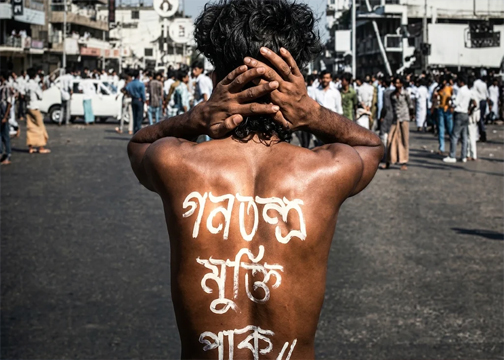
১০ নভেম্বর—বাংলাদেশের গণতান্ত্রিক আন্দোলনের ইতিহাসে এক অবিস্মরণীয় দিন। ১৯৮৭ সালের এই দিনে স্বৈরাচার বিরোধী আন্দোলনে রাজপথে বুকের রক্ত ঢেলে দিয়েছিলেন অকুতোভয় যুবলীগ নেতা নূর হোসেন। তিনি ছিলেন একজন জীবন্ত পোস্টার। তাঁর শরীরে লেখা ছিল দুটি অমর স্লোগান—‘স্বৈরাচার নিপাত যাক, গণতন্ত্র মুক্তি পাক।’ এই দুটি স্লোগান শুধু একজন তরুণের প্রতিবাদী উচ্চারণ ছিল না, ছিল একটি জাতির গণতান্ত্রিক আকাঙ্ক্ষার প্রতিচ্ছবি।
১৯৮৭ সালে আমি বাংলাদেশ কৃষি বিশ্ববিদ্যালয়, ময়মনসিংহের একজন ছাত্রলীগ কর্মী ছিলাম। ১০ নভেম্বর ২৩, বঙ্গবন্ধু এভিনিউস্থ বাংলাদেশ আওয়ামী লীগ এর কার্য্যালয়ের সামনে সমাবেশের কর্মসূচি ছিল। আমরা কৃষি বিশ্ববিদ্যালয় ময়মনসিংহের ছাত্রলীগের নেতাকর্মীরা সেই সমাবেশে যোগদান করার জন্য ময়মনসিংহ জেলা আওয়ামী লীগের সাবেক সাধারণ সম্পাদক (সাবেক ধর্ম মন্ত্রী) অধ্যক্ষ মতিউর রহমানের নেতৃত্বে রাতের ট্রেনে রওয়ানা হলাম । পথিমধ্যে গাজীপুরের কাওরাইদ রেলওয়ে স্টেশনে তৎকালীন বিএনপির সন্ত্রাসীরা হামলা করে।
১০ নভেম্বর খুব ভোরে কমলাপুর স্টেশন মিছিল নিয়ে ২৩ বঙ্গবন্ধু এভিনিউস্থ বাংলাদেশ আওয়ামী লীগ কার্যালয় অভিমুখে যাওয়ার পথে মতিঝিলে পাট ভবনের সামনে পুলিশ ব্যারিকেড দেয় । পেছনেতো পুলিশ আগে থেকেই ছিল । মিছিলের সামনে ও পেছন থেকে চাপ দিলে মিছিলের লোকজন কৃষি ব্যাংক প্রধান কার্যালয় ও পাটভবনের মধ্যে টিনশেড ঘরগুলোতে আশ্রয় নিয়েছি। মরহুম অধ্যক্ষ মতিউর রহমান ও আমি বাথরুমে আশ্রয় নিয়েছিলাম ।
ঘন্টাখানেক পরে আমরা একে একে বের হয়ে দলীয় কার্যালয়ে পৌঁছে দেখি, কার্যালয়ের সম্মুখের রাস্তা পুলিশের নিয়ন্ত্রণে ।
আওয়ামী লীগ কার্যালয়ের পশ্চিমে মুক্তিযুদ্ধা ক্লাবের পাশে কে এম শহীদুল্লাহ ভাইয়ের সাথে সাক্ষাৎ । শহীদুল্লাহ ভাই আন্দোলন সংগ্রামে অকুতোভয় সৈনিক, শেখ রাসেল শিশু কিশোর পরিষদের প্রতিষ্ঠাতা ও ঢাকা মহানগর সভাপতি এবং বাংলাদেশ ছাত্রলীগ ঢাকা মহানগর (অবিভক্ত) শাখার সাবেক সভাপতি ।
১০ নভেম্বরের সেই সকালে, তখন সূর্যের আলোর রশ্মি বিল্ডিং এর ফাঁক দিয়ে ছড়িয়ে ছিটিয়ে পরছে, আওয়ামী লীগ অফিসের সামনে থমথমে পরিবেশে আন্দোলনের কর্মসূচি বাস্তবায়নে প্রয়োজনীয় কার্যক্রম শুরু করলেন শহীদুল্লাহ ভাই । হঠাৎ করে পার্টি অফিসের সামনে ধোয়ায় আচ্ছন্ন হয়ে গেলো । এই ধোঁয়ার মধ্য থেকে বের হলো লাল সালু গায়ে দাড়িওয়ালা যুবক । নিজের শরীরের বুকে-পিঠে লেখা রয়েছে “স্বৈরাচার নিপাত যাক, গণতন্ত্র মুক্তি পাক “।
এই জীবন্ত পোস্টার নিয়ে শুরু হলো শ্লোগান । চারপাশে ছড়িয়ে থাকা মানুষেরা সেই স্লোগানে শরিক হয়ে একে একে মিছিলে পরিণত করলো। মিছিল বড় হতে হতে বিশাল সমাবেশে পরিণত হলো । সকাল ১০-১১ টা নাগাদ মাননীয় নেত্রী বঙ্গবন্ধু কন্যা জননেত্রী শেখ হাসিনা সমাবেশস্থলে উপস্থিত হলেন । চট্টমেট্রো গ-১০ নম্বরের ছাই রংয়ের পাজেরো ঘিরে দাড়ালো সমবেত জনতা । বাংলাদেশ আওয়ামী লীগের যুগ্ম সাধারণ সম্পাদক ঐ সময়ের ছাত্রনেতা কৃষিবিদ আ ফ ম বাহাউদ্দিন নাছিম মাননীয় নেত্রীর সাথে ছিলেন ।
মাননীয় নেত্রী নূর হোসেন কে কাছে ডেকে নিয়ে বললেন, “সাবধান থাকিস”। প্রত্যুত্তরে নূর হোসেন বলেছিল, “আপা আপনার নেতৃত্বে দেশের মানুষের জন্য জীবন দিতে প্রস্তুত আছি “। মাননীয় নেত্রী সমাবেশ স্থল ত্যাগ করার কিছুক্ষণ পরই পুলিশ মিছিলে গুলি চালায় । পুলিশের গুলিতে মাটিতে লুটিয়ে পড়লো বঙ্গবন্ধুর আদর্শের সৈনিক যুবলীগ নেতা নূর হোসেন । সৃষ্টি হলো বাংলাদেশের গণতান্ত্রিক আন্দোলনের এক অবিস্মরণীয় ইতিহাস।
সেদিনের সেই উত্তাল রাজপথ, মানুষের মিছিল, প্রতিবাদ আর পুলিশের গুলির শব্দ আজও ইতিহাসের পাতায় জীবন্ত হয়ে আছে। নূর হোসেন জানতেন না, তাঁর জীবনের বিনিময়ে লেখা হবে বাংলাদেশের গণতান্ত্রিক আন্দোলনের এক সাহসী অধ্যায়। তিনি কোনো ক্ষমতার প্রত্যাশায় রাজপথে নামেননি; নেমেছিলেন মানুষের ভোটাধিকার, মতপ্রকাশের স্বাধীনতা এবং গণতন্ত্র প্রতিষ্ঠার আকাঙ্ক্ষা নিয়ে।
নূর হোসেনের আত্মত্যাগের মধ্য দিয়ে ১০ নভেম্বর হয়ে ওঠে গণতন্ত্রকামী মানুষের প্রতিবাদ ও প্রতিরোধের প্রতীক। তাঁর রক্তের বিনিময়ে অর্জিত সেই ইতিহাস আমাদের বারবার স্মরণ করিয়ে দেয়—গণতন্ত্র কেবল একটি রাষ্ট্রব্যবস্থার নাম নয়; গণতন্ত্র মানে মানুষের অধিকার, আইনের শাসন, ন্যায়বিচার, মতপ্রকাশের স্বাধীনতা এবং জনগণের কাছে রাষ্ট্রের জবাবদিহি।
নূর হোসেনের রক্তে লেখা সেই অমর স্লোগান আজও আমাদের পথ দেখায়—
স্বৈরাচার নিপাত যাক, গণতন্ত্র মুক্তি পাক।
শহীদ নূর হোসেন অমর হয়ে থাকবেন বাংলাদেশের গণতান্ত্রিক ইতিহাসে, মানুষের হৃদয়ে এবং প্রজন্ম থেকে প্রজন্মের সংগ্রামী চেতনায়।
বাংলাদেশের ইতিহাস: অন্যায়ের বিরুদ্ধে মানুষের দীর্ঘ লড়াই
বাংলাদেশের ইতিহাস কেবল ভূখণ্ডের পরিবর্তন কিংবা রাষ্ট্রক্ষমতার পালাবদলের ইতিহাস নয়। এটি মানুষের অধিকার আদায়ের সংগ্রাম, শোষণ-বঞ্চনার বিরুদ্ধে প্রতিবাদ এবং গণতন্ত্র প্রতিষ্ঠার জন্য আত্মত্যাগের ইতিহাস।
ব্রিটিশবিরোধী আন্দোলন, ভাষা আন্দোলনের রক্তাক্ত ফেব্রুয়ারি, ঊনসত্তরের গণ-অভ্যুত্থান এবং একাত্তরের মহান মুক্তিযুদ্ধ—প্রতিটি অধ্যায়েই সাধারণ মানুষের অসাধারণ সাহসের পরিচয় পাওয়া যায়। বারবার এ দেশের মানুষ অন্যায়ের বিরুদ্ধে দাঁড়িয়েছে, প্রয়োজনে জীবন দিয়েছে, কিন্তু মাথা নত করেনি।
সেই দীর্ঘ সংগ্রামের ধারাবাহিকতায় আশির দশকে আবারও বাংলাদেশকে মোকাবিলা করতে হয় সামরিক স্বৈরশাসনের। গণতান্ত্রিক অধিকার সংকুচিত হতে থাকে, রাজনৈতিক স্বাধীনতার ওপর নেমে আসে নিয়ন্ত্রণের খড়্গ। কিন্তু এ দেশের মানুষ স্বৈরতন্ত্রকে স্বাভাবিক বাস্তবতা হিসেবে মেনে নেয়নি। প্রতিবাদের সেই উত্তাল সময়েই ইতিহাসের মঞ্চে আবির্ভাব ঘটে নূর হোসেনের।
১৯৮২: গণতন্ত্রের আকাশে স্বৈরশাসনের কালো মেঘ
১৯৮২ সালের ২৪ মার্চ সামরিক অভ্যুত্থানের মাধ্যমে রাষ্ট্রক্ষমতা দখল করেন লেফটেন্যান্ট জেনারেল হুসেইন মুহাম্মদ এরশাদ। শুরু হয় সামরিক শাসনের এক নতুন অধ্যায়। গণতান্ত্রিক প্রতিষ্ঠান ও রাজনৈতিক অধিকার সংকুচিত হতে থাকে। বিরোধী রাজনৈতিক দলগুলোর আন্দোলন দমনে নানা ধরনের বিধিনিষেধ আরোপ করা হয়।
কিন্তু একটি জাতির গণতান্ত্রিক আকাঙ্ক্ষাকে দীর্ঘদিন বন্দি করে রাখা যায় না। প্রথম দিকে শান্তিপূর্ণ আন্দোলন, সভা-সমাবেশ ও রাজনৈতিক কর্মসূচির মধ্য দিয়ে জনগণ গণতন্ত্র পুনঃপ্রতিষ্ঠার দাবি জানায়। সরকারের অনমনীয় অবস্থান এবং দমন-পীড়নের কারণে সেই আন্দোলন ক্রমেই তীব্র হয়ে ওঠে।
মানুষ বুঝতে শুরু করে, শুধু দাবি জানিয়ে অধিকার ফিরিয়ে আনা সম্ভব নয়; অধিকার প্রতিষ্ঠার জন্য ঐক্যবদ্ধ প্রতিরোধ গড়ে তুলতে হবে।
প্রশ্নবিদ্ধ নির্বাচন, উত্তাল রাজপথ
১৯৮৬ সালের ৭ মে এরশাদ সরকারের অধীনে তৃতীয় জাতীয় সংসদ নির্বাচন অনুষ্ঠিত হয়। নির্বাচনে জাতীয় পার্টি ১৫৩টি আসন লাভ করে। শেখ হাসিনার নেতৃত্বাধীন বাংলাদেশ আওয়ামী লীগ পায় ৭৬টি আসন।
নির্বাচনের গ্রহণযোগ্যতা নিয়ে শুরু থেকেই নানা প্রশ্ন ও কারচুপির অভিযোগ ওঠে। বিরোধী রাজনৈতিক শক্তি এবং সাধারণ মানুষের মধ্যে নির্বাচন নিয়ে অসন্তোষ বাড়তে থাকে। নির্দলীয় তত্ত্বাবধায়ক সরকারের অধীনে নির্বাচনের দাবিও জোরালো হয়।
রাজনৈতিক আন্দোলন ধীরে ধীরে গণ-আন্দোলনে রূপ নিতে থাকে। রাজপথে মানুষের ঢল নামে। সেই জনসমুদ্রের মধ্যে ছিলেন অসংখ্য পরিচিত-অপরিচিত সংগ্রামী মানুষ। তাঁদেরই একজন নূর হোসেন—একজন সাধারণ পরিবারের সন্তান, কিন্তু অসাধারণ সাহসের অধিকারী এক তরুণ।
দারিদ্র্যের সঙ্গে লড়াই করে বেড়ে ওঠা এক প্রতিবাদী তরুণ
১৯৬৪ সালে ঢাকার নারিন্দায় জন্ম নূর হোসেনের। বাবা মজিবুর রহমান, যিনি কাঞ্চন মিয়া নামেও পরিচিত, এবং মা মরিয়ম বেগমের তৃতীয় সন্তান ছিলেন তিনি। তাঁর পৈতৃক বাড়ি পিরোজপুরের মঠবাড়িয়া উপজেলার সাপলেজা ইউনিয়নের ঝাটিবুনিয়া গ্রামে।
দারিদ্র্য ছিল তাঁর জীবনের নিত্যসঙ্গী। শৈশবেই পরিবারের সঙ্গে বিভিন্ন জায়গায় বসবাস করতে হয়েছে তাঁকে। পরবর্তী সময়ে ঢাকার বনগ্রাম রোডে স্থায়ীভাবে বসবাস শুরু করেন।
পড়াশোনার প্রতি আগ্রহ থাকলেও অভাবের কাছে একসময় হার মানতে হয়। অষ্টম শ্রেণিতে পড়ার সময়ই বন্ধ হয়ে যায় তাঁর প্রাতিষ্ঠানিক শিক্ষা। পরিবারের আর্থিক সংকট মোকাবিলায় মোটর মেকানিক হিসেবে কাজ শুরু করেন।
কিন্তু দারিদ্র্য তাঁর জ্ঞানপিপাসাকে থামাতে পারেনি। কাজের ফাঁকে পত্রিকা পড়তেন, দেশ-বিদেশের খবর রাখতেন। নিজের চেষ্টায় সদরঘাটের কলেজিয়েট নৈশ বিদ্যালয় থেকে মাধ্যমিক পরীক্ষায় উত্তীর্ণ হন।
জীবনের প্রতিটি ধাপে সংগ্রাম করা এই তরুণ খুব কাছ থেকে দেখেছিলেন সাধারণ মানুষের বঞ্চনা। বুঝতে শিখেছিলেন সমাজ ও রাষ্ট্রের বৈষম্য। সেই উপলব্ধিই তাঁকে রাজনীতির দিকে টেনে নেয়।
স্থানীয় রাজনৈতিক কর্মকাণ্ডে যুক্ত হওয়ার মধ্য দিয়ে অন্যায়ের বিরুদ্ধে প্রতিবাদের ভাষা খুঁজে পান নূর হোসেন। সভা, মিছিল ও আন্দোলন হয়ে ওঠে তাঁর জীবনের অবিচ্ছেদ্য অংশ।
১০ নভেম্বর ১৯৮৭: যে সকাল বদলে দিয়েছিল ইতিহাস
১৯৮৭ সালের ১০ নভেম্বর। স্বৈরাচারী এরশাদ সরকারের বিরুদ্ধে ঢাকা মহানগর অবরোধের কর্মসূচি ঘোষণা করে পাঁচ, সাত ও আট দলীয় জোট।
আন্দোলন দমনে সরকার ৯ থেকে ১৫ নভেম্বর পর্যন্ত ঢাকায় সভা-সমাবেশ ও মিছিলের ওপর নিষেধাজ্ঞা জারি করে। চারজনের বেশি মানুষের একসঙ্গে চলাচলের ওপরও বিধিনিষেধ আরোপ করা হয়।
কিন্তু নিষেধাজ্ঞা দিয়ে মানুষের ক্ষোভকে থামানো যায়নি।
অবরোধ কর্মসূচিতে অংশ নিতে দুই দিন আগেই বাড়ি থেকে বেরিয়ে পড়েছিলেন নূর হোসেন। ১০ নভেম্বর সকালে তাঁর বাবা-মা তাঁকে খুঁজতে বের হন। পরে মতিঝিলে নির্মাণাধীন ডিআইটি মসজিদের দোতলায় তাঁর সন্ধান পান।
সেদিন নূর হোসেনের শরীরে ছিল না কোনো বর্ম, হাতে ছিল না কোনো অস্ত্র। ছিল শুধু বুকভরা সাহস এবং গণতন্ত্র প্রতিষ্ঠার অদম্য প্রত্যয়।
নিজের বুক ও পিঠে সাদা রঙে লিখিয়ে নিয়েছিলেন সেই ঐতিহাসিক স্লোগান—‘স্বৈরাচার নিপাত যাক, গণতন্ত্র মুক্তি পাক’। তাঁর বন্ধু মো. ইকরাম হোসেন স্লোগানটি লিখে দিয়েছিলেন।
বাবা-মায়ের সামনে পড়তেই শরীরের লেখা ঢেকে ফেলেছিলেন তিনি। কিন্তু মায়ের চোখকে ফাঁকি দিতে পারেননি। সন্তানকে বিপদের মুখে যেতে দেখে মা তাঁকে বাড়ি ফিরে আসতে অনুরোধ করেছিলেন।
একজন মায়ের কাছে সন্তানের জীবনের চেয়ে বড় আর কিছুই নেই। হয়তো সেদিন মরিয়ম বেগমের বুকের ভেতরেও অজানা আশঙ্কা জেগেছিল। তিনি কি বুঝতে পেরেছিলেন, এই বিদায়ই হতে পারে সন্তানের সঙ্গে তাঁর শেষ দেখা?
কিন্তু নূর হোসেন ফিরে যাননি। যে স্বপ্ন তাঁকে রাজপথে নিয়ে এসেছিল, সেই স্বপ্নের কাছে তিনি ছিলেন অবিচল।
বুকের ওপর লেখা স্লোগান, রাজপথে ঝরে পড়ল রক্ত
সকাল নয়টা থেকে শুরু হয় অবরোধ কর্মসূচি। রাজধানীর বিভিন্ন স্থানে পুলিশের বাধা, গ্রেপ্তার ও লাঠিচার্জের মধ্যেও আন্দোলনকারীরা রাজপথে অবস্থান নেন।
সময় গড়ানোর সঙ্গে সঙ্গে বাড়তে থাকে মানুষের উপস্থিতি। মিছিলের পর মিছিল এগিয়ে আসতে থাকে। স্বৈরশাসনের বিরুদ্ধে জমে থাকা ক্ষোভ যেন সেদিন ঢাকার রাজপথে বিস্ফোরিত হয়েছিল।
গুলিস্তান থেকে জিরো পয়েন্টের দিকে এগিয়ে যাওয়া একটি মিছিলের সামনের সারিতে ছিলেন নূর হোসেন। তাঁর শরীরের ওপর লেখা স্লোগানটি ছিল যেন জীবন্ত প্রতিবাদী পোস্টার।
স্বৈরাচারী শাসনের বিরুদ্ধে সেই দৃশ্য ছিল সাহসের এক অসাধারণ প্রতীক।
মিছিলটি জিরো পয়েন্টের কাছাকাছি পৌঁছালে পুলিশ গুলিবর্ষণ শুরু করে। মুহূর্তের মধ্যে রাজপথ পরিণত হয় রক্তাক্ত প্রান্তরে। পুলিশের ছোড়া গুলি এসে বিদ্ধ করে নূর হোসেনের বুক।
মাটিতে লুটিয়ে পড়েন তরুণ নূর হোসেন। তাঁর সঙ্গে সেদিন প্রাণ হারান আরও দুজন আন্দোলনকারী—যুবলীগ নেতা নূরুল হুদা বাবুল এবং কিশোরগঞ্জের বাজিতপুরের ক্ষেতমজুর নেতা আমিনুল হুদা টিটো।
তিনটি প্রাণ ঝরে গেল। কিন্তু তাঁদের রক্তে লেখা প্রতিবাদের ভাষা থেমে থাকেনি।
মৃত্যুর মুখেও নির্মমতা: রাষ্ট্র কি এতটাই নিষ্ঠুর হতে পারে?
নূর হোসেন গুলিবিদ্ধ হওয়ার পর তাঁকে হাসপাতালে নেওয়ার চেষ্টা করা হয়। কিন্তু অভিযোগ রয়েছে, পুলিশ সেই পথেও বাধা দেয়। মৃত্যুযন্ত্রণায় কাতর এক তরুণকে ঘিরে যে নির্মমতার বিবরণ পাওয়া যায়, তা আজও বিবেকবান মানুষকে শিউরে ওঠার মতো।
শেষ পর্যন্ত তাঁকে উদ্ধার করে হাসপাতালে নেওয়ার চেষ্টা ব্যর্থ হয়। মৃত্যুর পর তাঁর মরদেহ পুলিশের ভ্যানে তুলে নেওয়া হয়। পরবর্তী সময়ে রাতের অন্ধকারে জুরাইন কবরস্থানে তাঁকে দাফন করা হয়।
যে তরুণ নিজের বুকের ওপর গণতন্ত্রের দাবি লিখে রাজপথে নেমেছিলেন, তাঁর শেষ বিদায়টুকুও হয়েছিল নিভৃতে, রাষ্ট্রীয় নিপীড়নের ছায়ায়।
কিন্তু স্বৈরশাসকেরা হয়তো বুঝতে পারেনি, একটি জীবন কেড়ে নেওয়া যায়, কিন্তু একটি ন্যায্য দাবিকে হত্যা করা যায় না।
নূর হোসেনের রক্তে আরও বেগবান হলো গণতন্ত্রের আন্দোলন
নূর হোসেনের মৃত্যু স্বৈরাচারবিরোধী আন্দোলনে নতুন মাত্রা যোগ করে। তাঁর বুকের ওপর লেখা স্লোগান ছড়িয়ে পড়ে সারা দেশে। হয়ে ওঠে গণতান্ত্রিক আন্দোলনের অন্যতম প্রধান প্রতীক।
‘স্বৈরাচার নিপাত যাক, গণতন্ত্র মুক্তি পাক’—এই স্লোগান আর কোনো ব্যক্তির শরীরে সীমাবদ্ধ থাকেনি। এটি পরিণত হয় একটি জাতির সম্মিলিত প্রতিবাদের ভাষায়।
রাজনৈতিক দল, ছাত্রসংগঠন, শ্রমিক, পেশাজীবীসহ বিভিন্ন শ্রেণি-পেশার মানুষ আরও ঐক্যবদ্ধভাবে আন্দোলনে অংশ নিতে থাকেন।
অবশেষে ১৯৯০ সালের ৬ ডিসেম্বর এরশাদ সরকারের পতন ঘটে। দীর্ঘ আন্দোলন-সংগ্রামের মধ্য দিয়ে সামরিক স্বৈরশাসনের অবসান ঘটে এবং দেশে সংসদীয় গণতন্ত্র পুনঃপ্রতিষ্ঠার পথ তৈরি হয়।
নূর হোসেন সেই বিজয় দেখে যেতে পারেননি। যে গণতন্ত্রের স্বপ্ন বুকে ধারণ করে তিনি প্রাণ দিয়েছিলেন, তার পুনঃপ্রতিষ্ঠার মুহূর্তে তিনি ছিলেন না জীবিত মানুষের সারিতে। কিন্তু বিজয়ের ইতিহাসে তাঁর নাম চিরস্থায়ী হয়ে যায়।
স্মৃতির পাতায় নয়, গণতন্ত্রের চেতনায় বেঁচে থাকুন নূর হোসেন
শহীদ নূর হোসেনের আত্মত্যাগের প্রতি শ্রদ্ধা জানিয়ে ১০ নভেম্বরকে ‘শহীদ নূর হোসেন দিবস’ হিসেবে পালন করা হয়। তাঁর স্মৃতিকে অমর করে রাখতে যে স্থানে তিনি গুলিবিদ্ধ হয়েছিলেন, সেই জিরো পয়েন্টের নামকরণ করা হয়েছে ‘নূর হোসেন স্কয়ার’।
প্রতি বছর এই দিনে তাঁর স্মৃতির প্রতি শ্রদ্ধা জানানো হয়। কিন্তু শুধু ফুল দিয়ে, স্মৃতিচারণ করে কিংবা আনুষ্ঠানিক বক্তব্যের মধ্য দিয়ে কি তাঁর আত্মত্যাগের প্রকৃত মর্যাদা দেওয়া সম্ভব?
নূর হোসেনের আত্মত্যাগের সবচেয়ে বড় সম্মান হবে এমন একটি রাষ্ট্র প্রতিষ্ঠা করা, যেখানে মানুষের মতপ্রকাশের স্বাধীনতা থাকবে, ভোটাধিকার সুরক্ষিত থাকবে, রাজনৈতিক ভিন্নমতকে শত্রুতা হিসেবে দেখা হবে না এবং রাষ্ট্রীয় ক্ষমতা কখনো নাগরিকের অধিকার হরণের হাতিয়ার হয়ে উঠবে না।
শেষ কথা: একটি মৃত্যু, একটি প্রশ্ন, একটি অসমাপ্ত স্বপ্ন
নূর হোসেন কোনো বড় রাজনৈতিক পরিবারের সন্তান ছিলেন না। ছিলেন না বিত্তশালী কিংবা ক্ষমতাবান কেউ। ছিলেন সাধারণ ঘরের একজন তরুণ। কিন্তু অসাধারণ সাহস তাঁকে ইতিহাসের অসাধারণ মানুষে পরিণত করেছে।
আজও তাঁর ছবির দিকে তাকালে মনে হয়, বুকের ওপর লেখা সেই স্লোগান যেন আমাদের প্রশ্ন করে—গণতন্ত্র কি সত্যিই মানুষের অধিকার নিশ্চিত করতে পেরেছে? যে স্বাধীনতার স্বপ্ন নিয়ে মানুষ জীবন দিয়েছিল, সেই স্বপ্নের কতটুকু আমরা বাস্তবায়ন করতে পেরেছি?
একজন মায়ের সন্তান সেদিন রাজপথে গিয়েছিলেন গণতন্ত্রের জন্য। আর ফিরে এসেছিলেন নিথর দেহ হয়ে। তাঁর মা হয়তো আজও আমাদের স্মরণ করিয়ে দেন, রাষ্ট্রের প্রতিটি অন্যায়, প্রতিটি দমন-পীড়নের পেছনে কোনো না কোনো মায়ের বুক খালি হওয়ার গল্প থাকে।
নূর হোসেনের মৃত্যু তাই কেবল ১৯৮৭ সালের ১০ নভেম্বরের একটি ঘটনা নয়। এটি আমাদের বিবেকের কাছে রেখে যাওয়া এক চিরন্তন প্রশ্ন।
যে তরুণ নিজের বুককে প্রতিবাদের দেয়াল বানিয়ে দিয়েছিলেন, তাঁর স্বপ্নকে আমরা কতটা সম্মান করতে পেরেছি?
শহীদ নূর হোসেন ইতিহাসের পাতায় শুধু একটি নাম নন। তিনি সাহসের প্রতীক, প্রতিবাদের প্রতিচ্ছবি, গণতন্ত্রের জন্য আত্মত্যাগের এক অমর উপাখ্যান।
তাঁর বুকের রক্তে লেখা সেই স্লোগান আজও বাংলার আকাশে-বাতাসে ধ্বনিত হয়—
স্বৈরাচার নিপাত যাক, গণতন্ত্র মুক্তি পাক।
লেখক: ড.আওলাদ হোসেন, রাজনীতিবিদ ও রাজনৈতিক বিশ্লেষক
Some deaths in history never truly end. Even when the lives of certain individuals come to an end, their dreams live on from generation to generation. Their sacrifices become the language of protest against injustice and the strength of resistance against oppression. Shaheed Nur Hossain is one such person—a young man whose slogans, written across his chest and back, once shook the foundations of autocratic rule and awakened a nation inspired by the aspiration for democracy.
"Down with autocracy, let democracy be liberated"—these few words were not merely a political slogan. They were the cry of an era, the yearning of a nation for freedom, and a courageous declaration of standing firm against injustice. On November 10, 1987, a young man took to the streets bearing that slogan on his body. He did not know that the procession of that day would be his final journey. He did not know that a bullet heading toward his chest would propel him toward death while simultaneously immortalizing him in the pages of history.
The Declaration of Democracy Written on the Chest: The Blood-Stained Streets of November 10 and Shaheed Nur Hossain
November 10 is an unforgettable day in the history of Bangladesh’s democratic movement. On this day in 1987, intrepid Jubo League leader Nur Hossain shed his blood on the streets during the anti-autocracy movement. He was a living poster. Inscribed across his body were two immortal slogans: "Swairachar nipat jak, gonotontro mukti pak" (Down with autocracy, let democracy be liberated). These two slogans were not just the defiant utterance of a single youth; they were the reflection of a nation’s democratic aspirations.
In 1987, I was a Chhatra League activist at the Bangladesh Agricultural University, Mymensingh. On November 10, there was a scheduled rally in front of the Bangladesh Awami League central office at 23 Bangabandhu Avenue. We, the leaders and activists of the agricultural university's Chhatra League, set out on a night train to attend that rally under the leadership of Mymensingh District Awami League’s former general secretary (and former religious minister) Principal Motiur Rahman. On the way, BNP terrorists attacked us at the Kawraid railway station in Gazipur.
Early in the morning on November 10, as we led a procession from Kamalapur station toward the Awami League office at 23 Bangabandhu Avenue, the police set up a barricade in front of the Jute Corporation building in Motijheel. The police were already behind us as well. Pushed from both the front and the back, the participants in the procession sought shelter in the tin-shed rooms between the Krishi Bank head office and the Jute Corporation building. The late Principal Motiur Rahman and I took refuge in a bathroom.
About an hour later, we emerged one by one and reached the party office, only to find the street in front of the office under police control.
To the west of the Awami League office, near the Freedom Fighters' Club, I met KM Shahidullah. Shahidullah bhai was an intrepid soldier of movements, the founder of the Sheikh Russel Shishu Kishore Parishad, former president of Dhaka Metropolitan Chhatra League, and former president of the undivided Dhaka City Awami League branch.
On that morning of November 10, when rays of sunlight were filtering through the gaps between buildings, Shahidullah bhai began necessary activities in the tense atmosphere in front of the Awami League office to execute the movement's program. Suddenly, the area in front of the party office became shrouded in smoke. Emerging from this smoke was a bearded young man wearing a red salu cloth. Inscribed across his chest and back were the words, "Down with autocracy, let democracy be liberated."
With this living poster, slogans began. People scattered all around joined in the chanting, turning it into a procession. The procession grew into a massive rally. Around 10:00 to 11:00 AM, our Honorable Leader, the daughter of Bangabandhu, Hon'ble Prime Minister Sheikh Hasina, arrived at the rally site. The gathered crowd surrounded a gray-colored Pajero (Chittagong Metro-G-10). Awami League Joint General Secretary and student leader of that era, agriculturist AFM Bahauddin Nasim, was with the Honorable Leader.
The Honorable Leader called Nur Hossain close and said, "Stay safe." In response, Nur Hossain replied, "Apa, under your leadership, I am ready to give my life for the people of the country." Shortly after the Honorable Leader left the venue, the police opened fire on the procession. Struck by police bullets, Jubo League leader and soldier of Bangabandhu's ideals, Nur Hossain, collapsed onto the ground. An unforgettable chapter in Bangladesh's democratic movement was created.
The turbulent streets of that day, the processions of people, the protests, and the sound of police gunfire remain alive in the pages of history to this day. Nur Hossain did not know that a courageous chapter of Bangladesh's democratic movement would be written in exchange for his life. He did not step onto the streets expecting power; he came with the aspiration to establish people's voting rights, freedom of speech, and democracy.
Through Nur Hossain's sacrifice, November 10 became a symbol of protest and resistance for democracy-loving people. That history, earned through his blood, repeatedly reminds us that democracy is not merely the name of a state system; democracy means people's rights, the rule of law, justice, freedom of expression, and the accountability of the state to the people.
That immortal slogan written in Nur Hossain's blood still guides our path:
Down with autocracy, let democracy be liberated.
Shaheed Nur Hossain will remain immortal in Bangladesh's democratic history, in the hearts of the people, and in the struggling consciousness of generation after generation.
The History of Bangladesh: A Long Struggle of People Against Injustice
The history of Bangladesh is not merely a history of territorial changes or shifts in political power. It is a history of struggle to secure people's rights, protests against exploitation and deprivation, and sacrifices for the establishment of democracy.
From the anti-British movement, the bloody February of the Language Movement, the mass uprising of 1969, to the glorious Liberation War of 1971—every single chapter bears testimony to the extraordinary courage of ordinary people. Time and again, the people of this land have stood against injustice, giving their lives when necessary, but never bowing their heads.
In the continuum of that long struggle, Bangladesh had to confront military autocracy once again in the 1980s. Democratic rights began to shrink, and the whip of control fell upon political freedom. Yet, the people of this country did not accept autocracy as a normal reality. Amidst those turbulent times of protest, Nur Hossain emerged onto the stage of history.
1982: The Dark Clouds of Autocracy in the Sky of Democracy
On March 24, 1982, Lieutenant General Hussain Muhammad Ershad seized state power through a military coup. A new chapter of military rule began. Democratic institutions and political rights began to shrink. Various restrictions were imposed to suppress the movements of opposition political parties.
However, a nation's democratic aspirations cannot be imprisoned for long. Initially, through peaceful movements, meetings, assemblies, and political programs, the people demanded the restoration of democracy. Due to the government's uncompromising stance and repression, that movement progressively intensified.
People began to realize that rights could not be reclaimed simply by making demands; a united resistance had to be built to establish those rights.
Questionable Elections, Turbulent Streets
On May 7, 1986, the Third National Parliament election was held under the Ershad government. In the election, the Jatiya Party secured 153 seats, while the Bangladesh Awami League, led by Sheikh Hasina, won 76 seats.
From the very beginning, various questions and allegations of rigging were raised regarding the credibility of the election. Discontent among opposition political forces and the general public continued to grow. The demand for elections under a non-party caretaker government also gained momentum.
Political agitation gradually transformed into a mass movement. People flooded the streets. Among that sea of humanity were countless known and unknown struggling individuals. One of them was Nur Hossain—the son of an ordinary family, yet a youth endowed with extraordinary courage.
A Defiant Youth Who Grew Up Fighting Poverty
Nur Hossain was born in 1964 in Narinda, Dhaka. He was the third child of his father, Mjibur Rahman (also known as Kanchan Mia), and mother, Moriam Begum. His ancestral home is in Jhatibunia village, Sapleja Union, under Mathbaria Upazila of Pirojpur District.
Poverty was a constant companion in his life. In his childhood, he had to live in various places with his family. Later, they settled permanently on Bongram Road in Dhaka.
Despite a strong interest in studies, he eventually had to surrender to scarcity. While studying in the eighth class, his formal education came to a halt. To help cope with the family's financial crisis, he began working as a motor mechanic.
Yet, poverty could not stop his thirst for knowledge. Between work, he would read newspapers and keep abreast of national and international news. Through his own efforts, he passed the secondary examination from the Collegiate Night School in Sadarghat.
This young man, who struggled at every step of life, witnessed the deprivation of ordinary people very closely. He learned to understand the inequalities of society and the state. That realization drew him toward politics.
Through involvement in local political activities, Nur Hossain found the language to protest against injustice. Meetings, processions, and movements became an inseparable part of his life.
November 10, 1987: The Morning That Changed History
November 10, 1987. The Five, Seven, and Eight-Party Alliances announced a program of blockading Dhaka city against the autocratic Ershad government.
To suppress the movement, the government imposed a ban on meetings, rallies, and processions in Dhaka from November 9 to November 15. Restrictions were also placed on the movement of more than four people together.
However, prohibitions could not halt the anger of the people.
Nur Hossain had left home two days prior to participate in the blockade program. On the morning of November 10, his parents set out to search for him. Later, they found him on the second floor of the under-construction DIT mosque in Motijheel.
On that day, Nur Hossain wore no body armor, nor did he carry any weapon. He had only courage in his heart and an unyielding resolve to establish democracy.
He had the historic slogan—"Swairachar nipat jak, gonotontro mukti pak"—written in white on his chest and back. His friend, Md. Ikram Hossain, had written the slogan for him.
When he came face to face with his parents, he covered the writing on his body. But he could not deceive his mother’s eyes. Seeing her son rush toward danger, his mother pleaded with him to return home.
To a mother, nothing is greater than her child's life. Perhaps on that day, an unknown fear also stirred inside Moriam Begum's heart. Did she realize that this farewell might be her final glimpse of her son?
Yet, Nur Hossain did not turn back. He remained unwavering in his commitment to the dream that had brought him to the streets.
Slogans Written on the Chest, Blood Spilled on the Streets
The blockade program began at 9:00 AM. Despite police obstruction, arrests, and baton charges in various parts of the capital, protesters held their ground on the streets.
As time progressed, public presence increased. Processions kept marching forward. The pent-up anger against autocratic rule seemed to explode on the streets of Dhaka that day.
Nur Hossain was in the front row of a procession moving from Gulistan toward Zero Point. The slogan written across his body served as a living, defiant poster. That sight was an extraordinary symbol of courage against autocratic rule.
When the procession reached close to Zero Point, the police opened fire. In an instant, the street turned into a bloody expanse. Bullets fired by the police pierced Nur Hossain's chest.
Young Nur Hossain collapsed onto the ground. Two other protesters also lost their lives that day—Jubo League leader Nurul Huda Babul and Kishoreganj's Bajitpur agricultural laborer leader Aminul Huda Tito.
Three lives were snuffed out. But the language of protest written in their blood did not stop.
Cruelty Even in Death: Can the State Be This Ruthless?
After Nur Hossain was shot, attempts were made to take him to the hospital. However, allegations indicate that the police obstructed that path as well. The description of the cruelty surrounding a young man writhing in death pangs still sends shivers down the spine of any conscientious person.
Ultimately, attempts to rescue and hospitalize him failed. After his death, his body was loaded onto a police van. Later that night, under the cover of darkness, he was buried in the Jurain graveyard.
The young man who took to the streets with the demand for democracy written on his chest met his final departure in solitude, under the shadow of state repression.
Yet the autocrats perhaps did not realize that while a life can be taken, a just demand can never be killed.
Nur Hossain's Blood Intensified the Movement for Democracy
Nur Hossain's death added a new dimension to the anti-autocracy movement. The slogan written across his chest spread throughout the country, becoming one of the primary symbols of the democratic movement.
"Swairachar nipat jak, gonotontro mukti pak"—this slogan was no longer confined to a single person's body. It transformed into the collective language of protest for an entire nation.
Political parties, student organizations, workers, professionals, and people from all walks of life participated more cohesively in the movement.
Finally, on December 6, 1990, the Ershad government fell. Through a prolonged struggle and movement, military autocracy came to an end, paving the way for the restoration of parliamentary democracy in the country.
Nur Hossain could not live to witness that victory. At the moment of the restoration of the very democracy for whose dream he gave his life, he was no longer among the living. But his name became eternally etched in the history of victory.
Let Nur Hossain Live On in the Spirit of Democracy, Not Just in Memory
In tribute to Shaheed Nur Hossain’s sacrifice, November 10 is observed as "Shaheed Nur Hossain Day." To immortalize his memory, the spot where he was shot, Zero Point, has been renamed "Nur Hossain Square."
Every year on this day, tributes are paid to his memory. But is it possible to truly honor his sacrifice merely through flowers, remembrance, and formal speeches?
The greatest tribute to Nur Hossain’s sacrifice will be the establishment of a state where freedom of expression is guaranteed, voting rights are protected, political dissent is not viewed as hostility, and state power never becomes an instrument for stripping away citizens' rights.
Final Thoughts: A Death, a Question, an Unfinished Dream
Nur Hossain was not born into a prominent political family. He was neither wealthy nor powerful. He was a youth from an ordinary home. Yet, his extraordinary courage transformed him into an extraordinary figure in history.
To this day, when we look at his photograph, it feels as though that slogan written across his chest asks us: Has democracy truly been able to ensure people's rights? How much of that dream of freedom for which people gave their lives have we been able to realize?
A mother's son went to the streets that day for democracy. And he returned as a lifeless body. Perhaps his mother still reminds us that behind every state injustice and every act of repression lies the story of some mother's chest being emptied.
Thus, Nur Hossain's death is not merely an event of November 10, 1987. It is an eternal question left before our conscience.
How much have we been able to honor the dream of the young man who turned his own chest into a wall of protest?
Shaheed Nur Hossain is not just a name in the pages of history. He is a symbol of courage, an embodiment of protest, and an immortal saga of sacrifice for democracy.
That slogan, written in the blood of his chest, still echoes across the skies and winds of Bangladesh:
Down with autocracy, let democracy be liberated.
Author: Dr. Awlad Hossain, Politician and Political Analyst