শেখ হাসিনার দেশে ফেরার ঘোষণা ঘিরে রাজনৈতিক উত্তাপ, একের পর এক পুলিশ কর্মকর্তার গ্রেপ্তার, ৭২ সদস্যের ওপর নজরদারির অভিযোগ এবং সীমান্তবর্তী জেলাগুলোতে ব্যাপক রদবদল—সব মিলিয়ে বাংলাদেশের পুলিশ বাহিনীতে তৈরি হয়েছে নজিরবিহীন অস্থিরতা। যে বাহিনীর ওপর নির্ভর করে সরকার আইনশৃঙ্খলা পরিস্থিতি নিয়ন্ত্রণ করতে চায়, সেই বাহিনীর মধ্যেই এখন বাড়ছে সন্দেহ, অবিশ্বাস ও নিরাপত্তাহীনতা। প্রশ্ন উঠছে, রাজনৈতিক চাপ ও অভ্যন্তরীণ বিভক্তি নিয়ে পুলিশ কতটা কার্যকরভাবে রাষ্ট্রের নিরাপত্তা নিশ্চিত করতে পারবে?
রাজপথে সহিংসতা, বাহিনীর ভেতরে অস্থিরতা
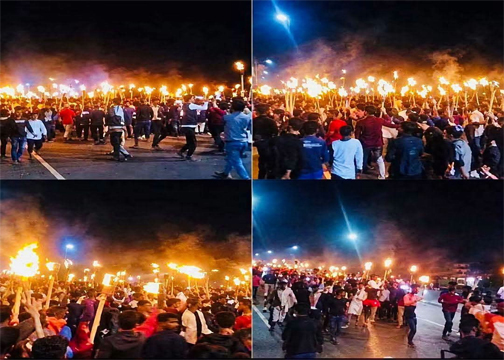
বাংলাদেশের আইনশৃঙ্খলা পরিস্থিতি যখন নানা দিক থেকে চাপে, তখন নতুন করে উদ্বেগ তৈরি হয়েছে পুলিশ বাহিনীর অভ্যন্তরীণ পরিস্থিতি নিয়ে। দেশের বিভিন্ন স্থানে ককটেল বিস্ফোরণ, যানবাহনে অগ্নিসংযোগ, শিল্পাঞ্চলে শ্রমিক বিক্ষোভ এবং রাজনৈতিক সংঘাতের পাল্টাপাল্টি ঘটনায় আইনশৃঙ্খলা রক্ষাকারী বাহিনীর ওপর বাড়ছে চাপ।
কিন্তু মাঠপর্যায়ে অপরাধ ও সহিংসতা নিয়ন্ত্রণের পাশাপাশি পুলিশকে এখন নিজেদের বাহিনীর সদস্যদের গতিবিধি পর্যবেক্ষণেও ব্যস্ত থাকতে হচ্ছে বলে বিভিন্ন প্রতিবেদনে উঠে এসেছে।
আওয়ামী লীগের নেতাদের সঙ্গে কয়েকজন পুলিশ কর্মকর্তার যোগাযোগ, অভ্যন্তরীণ তথ্য সরবরাহ এবং রাজনৈতিক কর্মকাণ্ডে সংশ্লিষ্টতার অভিযোগকে কেন্দ্র করে বাহিনীর মধ্যে সন্দেহের পরিবেশ তৈরি হয়েছে।
ফলে যে বাহিনীর দায়িত্ব জনগণের নিরাপত্তা নিশ্চিত করা, সেই বাহিনীর সদস্যদের একটি অংশ এখন নিজেদের চাকরি, ভবিষ্যৎ ও নিরাপত্তা নিয়েই উদ্বিগ্ন।
চার পুলিশ কর্মকর্তার গ্রেপ্তার, নজরদারিতে আরও ৭২ জন!
পুলিশ বাহিনীর অভ্যন্তরীণ অস্থিরতার সবচেয়ে আলোচিত ঘটনা চার কর্মকর্তার গ্রেপ্তার। বিভিন্ন গণমাধ্যমের প্রতিবেদন অনুযায়ী, রাষ্ট্রবিরোধী কর্মকাণ্ড, তথ্য ফাঁস এবং বিভিন্ন রাজনৈতিক সহিংসতার সঙ্গে সংশ্লিষ্টতার অভিযোগে তাঁদের গ্রেপ্তার করা হয়েছে।
গ্রেপ্তার হওয়া কর্মকর্তারা হলেন পুলিশ সুপার জাহাঙ্গীর আলম, পুলিশ সুপার আবুল কালাম আজাদ, অতিরিক্ত পুলিশ সুপার আবুল হাসান এবং সহকারী পুলিশ সুপার মোহাম্মদ রাকিবুল হাসান।
এ ছাড়া আরও ৭২ জন পুলিশ সদস্যকে নজরদারির আওতায় রাখার খবর প্রকাশিত হয়েছে।
অভিযোগ রয়েছে, তাঁদের রাজনৈতিক যোগাযোগ, সামাজিক যোগাযোগমাধ্যমের কর্মকাণ্ড এবং মোবাইল ফোনে যোগাযোগের তথ্য পর্যবেক্ষণ করা হচ্ছে।
তবে এসব অভিযোগের সত্যতা, সংশ্লিষ্টদের বিরুদ্ধে সংগৃহীত প্রমাণ এবং তদন্তের অগ্রগতি সম্পর্কে স্বচ্ছ তথ্য প্রকাশ করা জরুরি। কারণ অভিযোগ আর অপরাধ প্রমাণ এক বিষয় নয়। আইনশৃঙ্খলা বাহিনীর সদস্যদের ক্ষেত্রেও আইনের যথাযথ প্রক্রিয়া অনুসরণ করা রাষ্ট্রের দায়িত্ব।
রাজনৈতিক পরিচয় কি এখন পুলিশে চাকরির যোগ্যতার মাপকাঠি?
পুলিশ বাহিনীর বর্তমান সংকটের অন্যতম গুরুত্বপূর্ণ দিক হচ্ছে রাজনৈতিক পরিচয়কে কেন্দ্র করে সন্দেহের বিস্তার।
বিভিন্ন সূত্রের বরাতে প্রকাশিত প্রতিবেদনে বলা হয়েছে, আওয়ামী লীগ সরকারের আমলে নিয়োগ পাওয়া বা পদোন্নতি পাওয়া অনেক কর্মকর্তাকে নিয়ে বর্তমান সরকারের মধ্যে সন্দেহ রয়েছে।
কিন্তু বাস্তবতা হচ্ছে, বাংলাদেশের প্রশাসন ও পুলিশ বাহিনীর একটি বড় অংশ বিভিন্ন সরকারের আমলেই নিয়োগ ও পদোন্নতি পেয়েছে। অতীতের কোনো সরকারের সময়ে চাকরিতে যোগদান করা বা দায়িত্ব পালন করাই কোনো কর্মকর্তার অপরাধের প্রমাণ হতে পারে না।
কোনো কর্মকর্তা যদি রাষ্ট্রবিরোধী কর্মকাণ্ডে জড়িত থাকেন, তথ্য পাচার করেন কিংবা অপরাধে সহযোগিতা করেন, তাহলে অবশ্যই তাঁর বিরুদ্ধে আইনগত ব্যবস্থা নিতে হবে।
কিন্তু রাজনৈতিক পরিচয়, নিজ জেলা কিংবা অতীতের কর্মস্থলকে অপরাধের প্রাথমিক মাপকাঠি বানানো হলে তা বাহিনীর পেশাদারিত্ব ও নিরপেক্ষতাকে প্রশ্নের মুখে ফেলবে।
শেখ হাসিনার দেশে ফেরার ঘোষণা, সরকারের উদ্বেগের কেন্দ্রে সীমান্ত
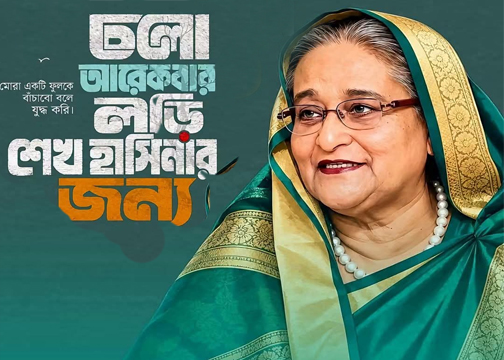
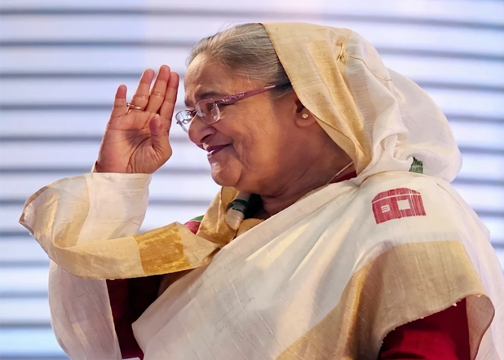
ডিসেম্বর যত ঘনিয়ে আসছে, শেখ হাসিনার দেশে ফেরার ঘোষণা ঘিরে রাজনৈতিক অঙ্গনে আলোচনা তত বাড়ছে। একই সঙ্গে আওয়ামী লীগের রাজনৈতিক তৎপরতা নিয়েও সরকার সতর্ক অবস্থান নিয়েছে বলে বিভিন্ন প্রতিবেদনে উল্লেখ করা হয়েছে।
এই পরিস্থিতিতে সীমান্তবর্তী জেলাগুলোতে নিরাপত্তা জোরদারের উদ্যোগ নেওয়া হয়েছে।
প্রতিবেদন অনুযায়ী, শেখ হাসিনা স্থলসীমান্ত দিয়ে দেশে ফিরতে পারেন—এমন সম্ভাবনাকে সামনে রেখে সীমান্তবর্তী এলাকায় পুলিশ ও বিজিবির তৎপরতা বাড়ানো হয়েছে। এমনকি সীমান্তবর্তী ৩০ জেলার পুলিশকে বিশেষ সতর্কতা অবলম্বনের নির্দেশ দেওয়ার কথাও জানা গেছে।
পুলিশের আইজিপির সঙ্গে সীমান্তবর্তী জেলার কর্মকর্তাদের বৈঠকে বিজিবির সঙ্গে সমন্বয় করে টহল ও তল্লাশি বাড়ানোর নির্দেশ দেওয়া হয়েছে বলে প্রতিবেদনে উল্লেখ রয়েছে।
এখানে গুরুত্বপূর্ণ প্রশ্ন হলো, একজন রাজনৈতিক নেতার সম্ভাব্য প্রত্যাবর্তনকে কেন্দ্র করে রাষ্ট্রের নিরাপত্তা পরিকল্পনা কতটা আইনসম্মত, বাস্তবসম্মত এবং জননিরাপত্তাকেন্দ্রিক হওয়া উচিত?
সীমান্ত নিরাপত্তা নিশ্চিত করা অবশ্যই রাষ্ট্রের দায়িত্ব। কিন্তু রাজনৈতিক পরিস্থিতি মোকাবিলার নামে আইনশৃঙ্খলা বাহিনীকে অতিরিক্ত চাপের মধ্যে ফেলা হলে তার প্রভাব মাঠপর্যায়ের দায়িত্ব পালনে পড়তে পারে।
সীমান্তবর্তী জেলাগুলোতে রদবদল, কী বার্তা দিচ্ছে সরকার?
সীমান্ত পরিস্থিতি নিয়ে উদ্বেগের পাশাপাশি পুলিশ প্রশাসনে একের পর এক রদবদলের ঘটনাও আলোচনায় এসেছে।
প্রতিবেদন অনুযায়ী, সরকার সাত জেলায় নতুন পুলিশ সুপার নিয়োগ দিয়েছে। এর মধ্যে পাঁচটি জেলা সীমান্তবর্তী। এ ছাড়া ঢাকা রেঞ্জের আইনশৃঙ্খলা পরিস্থিতি পর্যবেক্ষণের জন্য ১২ জন অতিরিক্ত পুলিশ সুপার ও সহকারী পুলিশ সুপারকে দুই মাসের জন্য সংযুক্ত করা হয়েছে।
এর আগে দুই ডিআইজি, চার অতিরিক্ত ডিআইজি এবং আট পুলিশ সুপারসহ মোট ১৪ জন ঊর্ধ্বতন কর্মকর্তার বদলি ও পদায়নের খবর প্রকাশিত হয়।
প্রশাসনিক প্রয়োজনে বদলি একটি স্বাভাবিক প্রক্রিয়া। কিন্তু রাজনৈতিক পরিস্থিতি ঘিরে ঘন ঘন বদলি, গ্রেপ্তার এবং নজরদারির ঘটনা একসঙ্গে ঘটতে থাকলে বাহিনীর সদস্যদের মধ্যে অনিশ্চয়তা তৈরি হওয়াই স্বাভাবিক।
বিশেষ করে মাঠপর্যায়ের কর্মকর্তারা যদি মনে করেন, পেশাগত সিদ্ধান্তের চেয়ে রাজনৈতিক আনুগত্য তাঁদের ভবিষ্যৎ নির্ধারণ করছে, তাহলে বাহিনীর কার্যকর নেতৃত্ব দুর্বল হয়ে পড়তে পারে।
পদোন্নতি ও নিয়োগে বিতর্ক, পুরোনো ক্ষত আরও গভীর
পুলিশের বর্তমান অস্থিরতার পেছনে অতীতের প্রশাসনিক সিদ্ধান্তগুলোর প্রভাবও রয়েছে বলে বিভিন্ন সূত্রের বরাতে প্রতিবেদনে উল্লেখ করা হয়েছে।
অভিযোগ রয়েছে, বিগত সময়ে রাজনৈতিক যোগাযোগ ও তদবিরের মাধ্যমে কিছু কর্মকর্তা পদোন্নতি ও গুরুত্বপূর্ণ পদায়ন পেয়েছেন। অন্যদিকে যোগ্যতা থাকা সত্ত্বেও অনেকে বঞ্চিত হয়েছেন।
এ ধরনের বৈষম্যের অভিযোগ বাহিনীর মধ্যে দীর্ঘমেয়াদি অসন্তোষ তৈরি করতে পারে।
একটি পেশাদার পুলিশ বাহিনীর ভিত্তি হওয়া উচিত মেধা, দক্ষতা, অভিজ্ঞতা, সততা এবং দায়িত্ব পালনের সক্ষমতা। সেখানে রাজনৈতিক বিবেচনা প্রাধান্য পেলে বাহিনীর অভ্যন্তরীণ শৃঙ্খলা ও পারস্পরিক আস্থা ক্ষতিগ্রস্ত হয়।
বর্তমান পরিস্থিতিতে সেই পুরোনো অসন্তোষের সঙ্গে নতুন করে যুক্ত হয়েছে গ্রেপ্তার ও নজরদারির আতঙ্ক।
মিডিয়া ট্রায়াল ও বিচারপ্রক্রিয়া নিয়ে প্রশ্ন
পুলিশ কর্মকর্তাদের বিরুদ্ধে অভিযোগ উঠলে তদন্ত হওয়া জরুরি। অপরাধের প্রমাণ পাওয়া গেলে আইন অনুযায়ী বিচারও হতে হবে।
কিন্তু তদন্ত শেষ হওয়ার আগেই কোনো ব্যক্তিকে গণমাধ্যমে অপরাধী হিসেবে উপস্থাপন করা হলে তা ন্যায়বিচারের মৌলিক ধারণার সঙ্গে সাংঘর্ষিক হতে পারে।
বিভিন্ন প্রতিবেদনে পুলিশ কর্মকর্তাদের উদ্ধৃত করে বলা হয়েছে, প্রমাণের চূড়ান্ত মূল্যায়নের আগেই গ্রেপ্তার ও অভিযোগ প্রকাশ্যে আসায় বাহিনীর মধ্যে ভীতি তৈরি হয়েছে। এমনকি গণমাধ্যমের সঙ্গে কথা বলতেও অনেকে ভয় পাচ্ছেন।
এখানে দুটি বিষয় আলাদা করে দেখা প্রয়োজন।
প্রথমত, অপরাধে জড়িত পুলিশ সদস্যদের বিরুদ্ধে কঠোর ও নিরপেক্ষ ব্যবস্থা নিতে হবে।
দ্বিতীয়ত, কেবল সন্দেহ, রাজনৈতিক পরিচয় কিংবা ব্যক্তিগত যোগাযোগের ভিত্তিতে কাউকে অপরাধী হিসেবে চিহ্নিত করা যাবে না।
আইনের শাসন প্রতিষ্ঠার দাবি তখনই বিশ্বাসযোগ্য হবে, যখন অভিযুক্ত ব্যক্তি যে-ই হোন, তাঁর জন্য ন্যায়সংগত তদন্ত ও আত্মপক্ষ সমর্থনের সুযোগ নিশ্চিত করা হবে।
জুলাইয়ের পুলিশ হত্যা ও বিচারহীনতার ক্ষত
পুলিশ বাহিনীর অভ্যন্তরীণ অসন্তোষের আরেকটি গুরুত্বপূর্ণ বিষয় হলো জুলাই আন্দোলনের সময় সংঘটিত পুলিশ হত্যার বিচার নিয়ে ক্ষোভ।
প্রতিবেদনে বলা হয়েছে, ওই সময়ে সংঘটিত পুলিশ হত্যার বিচার না হওয়ায় বাহিনীর সদস্যদের মধ্যে অসন্তোষ রয়েছে।
একটি রাষ্ট্রে আইনশৃঙ্খলা রক্ষাকারী বাহিনীর সদস্যদের নিরাপত্তা যেমন গুরুত্বপূর্ণ, তেমনি তাঁদের হাতে সংঘটিত অপরাধের বিচার নিশ্চিত করাও সমান গুরুত্বপূর্ণ।
পুলিশ সদস্য হত্যার বিচার না হওয়া কিংবা পুলিশের বিরুদ্ধে সংঘটিত অপরাধের যথাযথ তদন্ত না হওয়া—দুটিই বাহিনীর মনোবলে নেতিবাচক প্রভাব ফেলতে পারে।
অন্যদিকে পুলিশ সদস্যদের বিরুদ্ধে নির্যাতন, অতিরিক্ত বলপ্রয়োগ বা ক্ষমতার অপব্যবহারের অভিযোগ থাকলে সেসবেরও নিরপেক্ষ তদন্ত প্রয়োজন।
অর্থাৎ ন্যায়বিচার হতে হবে সবার জন্য। কোনো পক্ষের অপরাধকে রাজনৈতিক বিবেচনায় আড়াল করা হলে রাষ্ট্রীয় প্রতিষ্ঠানগুলোর প্রতি মানুষের আস্থা আরও কমে যাবে।
সবচেয়ে বড় সংকট: পুলিশ কি এখন নিজেদের ভবিষ্যৎ নিয়েই বেশি চিন্তিত?
একটি কার্যকর পুলিশ বাহিনীর জন্য সবচেয়ে গুরুত্বপূর্ণ বিষয় হলো মনোবল, পেশাগত স্বাধীনতা এবং নেতৃত্বের প্রতি আস্থা।
কিন্তু বাহিনীর ভেতরে যদি এমন ধারণা তৈরি হয় যে, যেকোনো সময় রাজনৈতিক সংশ্লিষ্টতার অভিযোগে গ্রেপ্তার হতে পারেন, তাহলে সদস্যদের মধ্যে সিদ্ধান্ত গ্রহণের সক্ষমতা কমে যেতে পারে।
বিশেষ করে সহিংস পরিস্থিতিতে দায়িত্ব পালন করতে গিয়ে একজন পুলিশ কর্মকর্তা যদি মনে করেন, তাঁর প্রতিটি সিদ্ধান্ত ভবিষ্যতে রাজনৈতিক বা প্রশাসনিক তদন্তের মুখে পড়তে পারে, তাহলে তিনি ঝুঁকি নিতে অনীহা প্রকাশ করতে পারেন।
এর সরাসরি প্রভাব পড়তে পারে অপরাধ দমন, জননিরাপত্তা নিশ্চিত করা এবং জরুরি পরিস্থিতি মোকাবিলায়।
অর্থাৎ পুলিশের অভ্যন্তরীণ অনিশ্চয়তা শুধু বাহিনীর নিজস্ব সমস্যা নয়; এটি শেষ পর্যন্ত সাধারণ মানুষের নিরাপত্তার জন্যও উদ্বেগের কারণ হয়ে উঠতে পারে।
আওয়ামী লীগকে নিয়ন্ত্রণ, নাকি পুলিশকে নিয়ন্ত্রণেই বেশি মনোযোগ?
বর্তমান পরিস্থিতির রাজনৈতিক বিশ্লেষণে একটি মৌলিক প্রশ্ন সামনে এসেছে—সরকার কি আইনশৃঙ্খলা পরিস্থিতি নিয়ন্ত্রণে পুলিশকে কার্যকরভাবে কাজে লাগাতে পারছে, নাকি বাহিনীর অভ্যন্তরীণ রাজনৈতিক আনুগত্য যাচাই করতেই বেশি মনোযোগী হয়ে পড়েছে?
আওয়ামী লীগের রাজনৈতিক কর্মসূচি, শেখ হাসিনার দেশে ফেরার ঘোষণা এবং সম্ভাব্য রাজনৈতিক সংঘাত মোকাবিলায় সরকারের নিরাপত্তা পরিকল্পনা থাকতে পারে। কিন্তু সেই পরিকল্পনা বাস্তবায়নের জন্য প্রয়োজন একটি ঐক্যবদ্ধ, দক্ষ ও পেশাদার পুলিশ বাহিনী।
বাহিনীর সদস্যদের মধ্যে যদি পারস্পরিক অবিশ্বাস বাড়তে থাকে, তাহলে রাজনৈতিক পরিস্থিতি মোকাবিলার সক্ষমতাও দুর্বল হতে পারে।
এখানে সরকারের সামনে বড় চ্যালেঞ্জ হচ্ছে, রাজনৈতিক নিরাপত্তা ও রাষ্ট্রীয় নিরাপত্তার মধ্যে সুস্পষ্ট পার্থক্য বজায় রাখা। রাষ্ট্রীয় প্রতিষ্ঠানকে কোনো রাজনৈতিক পক্ষের স্বার্থ রক্ষার হাতিয়ার হিসেবে ব্যবহার করার অভিযোগ উঠলে সেই প্রতিষ্ঠানের নিরপেক্ষতা প্রশ্নবিদ্ধ হয়।
সামনে বড় পরীক্ষা, আস্থাহীনতা কাটাতে পারবে কি পুলিশ?
বাংলাদেশের পুলিশ বাহিনী এখন একাধিক সংকটের মুখোমুখি। একদিকে রাজপথের সহিংসতা, অন্যদিকে রাজনৈতিক চাপ, প্রশাসনিক রদবদল, কর্মকর্তাদের গ্রেপ্তার এবং অভ্যন্তরীণ নজরদারির অভিযোগ।
যে বাহিনীকে দিয়ে রাষ্ট্র চলবে, সেই বাহিনীর ভেতরেই যদি আস্থা না থাকে!
বাংলাদেশের বর্তমান রাজনৈতিক বাস্তবতায় পুলিশ বাহিনীর ভূমিকা অত্যন্ত গুরুত্বপূর্ণ। রাজনৈতিক সংঘাত, সহিংসতা কিংবা ক্ষমতার পালাবদল—যেকোনো পরিস্থিতিতে জনগণের নিরাপত্তা নিশ্চিত করার দায়িত্ব রাষ্ট্রীয় এই বাহিনীর।
কিন্তু সেই বাহিনীর সদস্যরা যদি একে অন্যকে সন্দেহ করেন, ঊর্ধ্বতন নেতৃত্বের ওপর আস্থা হারান এবং নিজেদের ভবিষ্যৎ নিয়ে আতঙ্কিত থাকেন, তাহলে আইনশৃঙ্খলা পরিস্থিতি নিয়ন্ত্রণে তাদের কার্যকারিতা নিয়েও প্রশ্ন উঠবে।
শেখ হাসিনার দেশে ফেরার ঘোষণা ঘিরে রাজনৈতিক উত্তাপ কতটা বাড়বে, আওয়ামী লীগের ভবিষ্যৎ রাজনৈতিক অবস্থান কী হবে কিংবা সরকার কী ধরনের পদক্ষেপ নেবে—তা সময়ই বলে দেবে।
তবে একটি বিষয় স্পষ্ট: রাজনৈতিক প্রতিপক্ষকে মোকাবিলা করার কৌশল আর রাষ্ট্রের আইনশৃঙ্খলা রক্ষা এক বিষয় নয়।
পুলিশকে যদি রাজনৈতিক আনুগত্যের পরীক্ষায় ব্যস্ত রাখা হয়, তাহলে অপরাধ দমন ও জননিরাপত্তার মূল দায়িত্ব ব্যাহত হওয়ার আশঙ্কা থেকেই যায়।
সবচেয়ে বড় প্রশ্ন তাই আওয়ামী লীগকে কীভাবে নিয়ন্ত্রণ করা হবে, সেটি নয়; বরং যে পুলিশ বাহিনীকে দিয়ে দেশের আইনশৃঙ্খলা রক্ষা করা হবে, সেই বাহিনীর ভেতরে আস্থা, শৃঙ্খলা ও পেশাদারিত্ব ফিরিয়ে আনা সম্ভব হবে কি না। কারণ পুলিশের ভেতরেই যদি অবিশ্বাসের আগুন জ্বলে, তার উত্তাপ শেষ পর্যন্ত ছড়িয়ে পড়বে গোটা রাষ্ট্রে।
লেখক: ড. আবুল হাসনাৎ মিল্টন,সাংবাদিক, রাজনৈতিক বিশ্লেষক ও প্রধান সম্পাদক, দ্যা সোর্স নিউজ বাংলা (The Source News Bangla)
The political atmosphere in Bangladesh is becoming increasingly tense amid former Prime Minister Sheikh Hasina’s announcement of her return to the country. A series of arrests of police officials, allegations of surveillance involving 72 additional members, and extensive reshuffling in border districts have reportedly created unprecedented instability within the Bangladesh Police. The very force on which the government relies to maintain law and order is now grappling with growing suspicion, distrust and insecurity among its own ranks. This raises a critical question: How effectively can the police ensure national security while facing political pressure and internal divisions?
Violence on the Streets, Turmoil Within the Force
At a time when Bangladesh’s law and order situation is under pressure from multiple directions, growing concerns have emerged over instability within the police force. Cocktail explosions, arson attacks on vehicles, labour unrest in industrial zones and clashes between rival political groups have placed additional pressure on law enforcement agencies.
Alongside their responsibility to control crime and violence on the ground, the police are now reportedly preoccupied with monitoring the activities of their own colleagues.
Allegations that several police officials maintained contacts with Awami League leaders, shared internal information and were involved in political activities have created an atmosphere of suspicion within the force.
As a result, some police personnel, whose primary responsibility is to ensure public safety, are increasingly concerned about their own jobs, professional futures and personal security.
Four Police Officials Arrested, Another 72 Under Surveillance
One of the most widely discussed developments behind the internal turmoil is the arrest of four police officials. According to reports published in various media outlets, they were arrested over allegations of involvement in anti-state activities, leaking confidential information and connections to political violence.
The arrested officials are Superintendent of Police Jahangir Alam, Superintendent of Police Abul Kalam Azad, Additional Superintendent of Police Abul Hasan and Assistant Superintendent of Police Mohammad Rakibul Hasan.
Reports have also emerged that another 72 police personnel have been placed under surveillance.
Allegedly, their political contacts, social media activities and mobile phone communications are being monitored.
However, transparency regarding the validity of these allegations, the evidence collected against the individuals concerned and the progress of investigations is essential. An allegation and a proven crime are not the same thing. The state has a responsibility to ensure due process of law, even when the accused are members of law enforcement agencies.
Has Political Identity Become a Criterion for Employment in the Police?
One of the most significant aspects of the current crisis is the growing suspicion surrounding political identity within the police force.
Reports citing various sources suggest that the present government has become suspicious of many officials who were recruited or promoted during the Awami League administration.
However, a significant portion of Bangladesh's administration and police force was recruited and promoted under different governments. Joining the service or performing official duties during a previous administration cannot, in itself, constitute evidence of criminal activity.
If an official is involved in anti-state activities, leaks confidential information or assists criminal operations, legal action must certainly follow.
But using political identity, district of origin or previous postings as preliminary indicators of criminal involvement would undermine the professionalism and neutrality of the police force.
Sheikh Hasina's Announced Return: Border Security at the Centre of Government Concerns
As December approaches, political discussions surrounding Sheikh Hasina's announced return to Bangladesh are intensifying. Various reports also indicate that the government has adopted a cautious stance regarding the political activities of the Awami League.
Against this backdrop, measures have reportedly been taken to strengthen security in border districts.
According to reports, police and Border Guard Bangladesh (BGB) activities have been intensified in border areas amid speculation that Sheikh Hasina could return to the country through a land border. Police in 30 border districts were reportedly instructed to remain particularly vigilant.
Reports further indicate that the Inspector General of Police instructed officials in border districts to increase patrols and searches in coordination with the BGB.
The important question is how lawful, practical and public-safety-oriented the state's security arrangements should be when they revolve around the possible return of a political leader.
Securing the country's borders is undoubtedly a responsibility of the state. However, placing excessive pressure on law enforcement agencies in the name of managing political developments could affect their ability to perform their regular duties.
Reshuffling in Border Districts: What Message Is the Government Sending?
Alongside concerns over border security, a series of reshuffles within the police administration has also attracted attention.
According to reports, the government has appointed new Superintendents of Police in seven districts, five of which are located along the country's borders. In addition, 12 Additional Superintendents of Police and Assistant Superintendents of Police have reportedly been attached to the Dhaka Range for two months to monitor the law and order situation.
Earlier, reports emerged of transfers and new postings involving 14 senior officials, including two Deputy Inspectors General, four Additional Deputy Inspectors General and eight Superintendents of Police.
Administrative transfers are a normal part of government operations. However, when frequent transfers, arrests and surveillance occur simultaneously amid political tensions, uncertainty among members of the force is almost inevitable.
If field-level officers begin to believe that their political allegiance, rather than professional judgment, will determine their future, the effectiveness of the force's leadership could be seriously weakened.
Controversies Over Promotions and Recruitment: Old Wounds Deepen
The current instability within the police force is also linked to the legacy of previous administrative decisions, according to reports citing various sources.
Allegations suggest that some officials received promotions and important postings through political connections and lobbying, while others were deprived of opportunities despite possessing the necessary qualifications.
Such perceived discrimination can create long-term resentment within the force.
A professional police institution should be built on merit, competence, experience, integrity and the ability to perform official responsibilities. When political considerations take precedence, internal discipline and mutual trust are inevitably undermined.
The current atmosphere of fear surrounding arrests and surveillance has further aggravated these longstanding grievances.
Media Trials and Questions Over Due Process
Whenever allegations emerge against police officials, an investigation is necessary. If evidence establishes criminal wrongdoing, the accused must face trial in accordance with the law.
However, portraying individuals as criminals in the media before investigations are completed can conflict with the fundamental principles of justice.
Several reports, citing police officials, suggest that arrests and public disclosure of allegations before the evidence has been fully assessed have generated fear within the force. Some officials are reportedly even afraid to speak to journalists.
Two issues must be clearly distinguished.
First, strict and impartial action must be taken against police personnel involved in criminal activities.
Second, no individual should be labelled a criminal solely on the basis of suspicion, political identity or personal communications.
The government's commitment to the rule of law will be credible only when every accused person is guaranteed a fair investigation and the opportunity to defend themselves, regardless of their identity or political background.
Unresolved Killings of Police Personnel During the July Movement
Another important source of dissatisfaction within the police force concerns the lack of justice for police personnel killed during the July movement.
Reports suggest that the failure to bring those responsible for the killings of police officers to justice has generated resentment among members of the force.
In any state, ensuring the security of law enforcement personnel is important. Equally important is ensuring accountability for crimes committed by members of those same agencies.
Failure to deliver justice for the killing of police personnel, or failure to properly investigate crimes committed against police officers, can both negatively affect the morale of the force.
At the same time, allegations of torture, excessive use of force or abuse of authority by police personnel must also be investigated impartially.
In other words, justice must apply equally to everyone. If crimes committed by any particular side are overlooked for political reasons, public confidence in state institutions will deteriorate further.
The Biggest Crisis: Are Police Officers Now More Concerned About Their Own Futures?
The most important foundations of an effective police force are morale, professional independence and confidence in leadership.
However, if personnel begin to believe that they could be arrested at any moment over allegations of political involvement, their ability to make professional decisions may be compromised.
In particular, if an officer believes that every decision made while handling a violent situation could later become the subject of political or administrative investigation, they may become reluctant to take necessary risks.
This could directly affect crime prevention, public security and the ability to respond effectively to emergencies.
Therefore, internal uncertainty within the police is not merely an institutional problem. It could ultimately become a serious concern for the safety of ordinary citizens.
Controlling the Awami League or Controlling the Police: Where Is the Government's Focus?
A fundamental question has emerged from the political analysis of the current situation: Is the government effectively using the police to maintain law and order, or has it become more preoccupied with examining the political loyalties of personnel within the force?
The government may have security plans to address Awami League political programmes, Sheikh Hasina's announced return and possible political confrontations. However, implementing such plans requires a united, competent and professional police force.
If mutual distrust continues to grow among police personnel, the force's ability to manage political tensions and maintain public order could weaken.
The government's greatest challenge is to maintain a clear distinction between political security and national security. If state institutions are perceived to be used as instruments for protecting the interests of a particular political group, their neutrality will inevitably come under question.
A Major Test Ahead: Can the Police Overcome the Crisis of Trust?
The Bangladesh Police are currently facing multiple challenges. Street violence, political pressure, administrative reshuffles, arrests of officials and allegations of internal surveillance have combined to create a difficult situation.
Overcoming this crisis requires several fundamental measures:
• Actions must be based on professional competence and specific evidence of wrongdoing, not political identity.
• Transparency and due process must be ensured in arrests and departmental investigations.
• Merit, professional ability and seniority must guide promotions and postings.
• The security and professional dignity of police personnel must be protected.
• The police must be allowed to maintain law and order independently of political influence.
• All allegations of police killings, torture and abuse of authority must be investigated impartially, with justice ensured.
Conclusion: What Happens When the Force Responsible for Running the State Loses Trust Within Its Own Ranks?
The role of the police force is particularly important in Bangladesh's current political environment. Whether the country faces political confrontation, violence or a change of power, this state institution carries the responsibility of ensuring public safety.
But if police personnel begin to suspect one another, lose confidence in senior leadership and become increasingly anxious about their own futures, serious questions will arise about their ability to maintain law and order.
How far political tensions will escalate over Sheikh Hasina's announced return, what the future political position of the Awami League will be, and what steps the government will take remain to be seen.
One thing, however, is clear: strategies for confronting political opponents and the responsibility of maintaining national law and order are not the same.
If the police are kept occupied with tests of political allegiance, their fundamental responsibilities of crime prevention and public security may suffer.
The most important question, therefore, is not how the Awami League will be controlled, but whether trust, discipline and professionalism can be restored within the very police force entrusted with maintaining law and order in the country. Because when the fire of distrust burns within the police force itself, its consequences will eventually spread throughout the entire state.
Author: Dr. Abul Hasnat Milton, Journalist, Political Analyst and Editor-in-Chief, The Source News Bangla