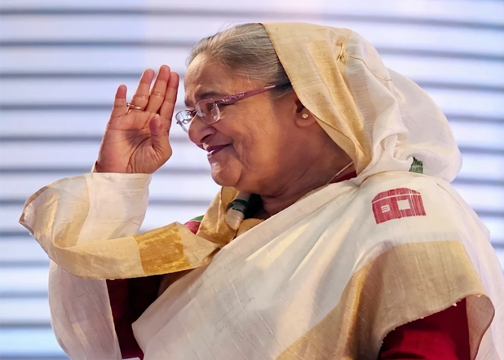
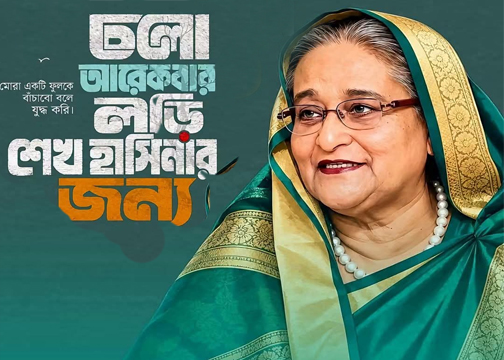
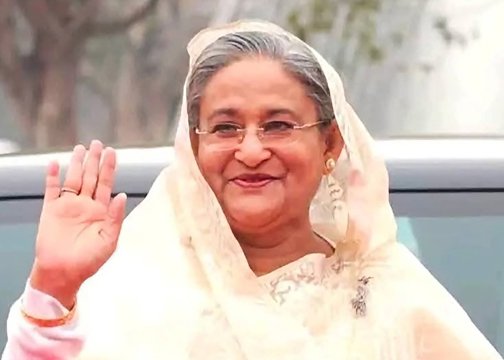
নিজ দেশে ফেরার প্রস্তুতি আর কথার মধ্যে সীমাবদ্ধ নেই—আনুষ্ঠানিক প্রক্রিয়া শুরু করে শেখ হাসিনা কার্যত বল ঠেলে দিয়েছেন সরকারের কোর্টে। নতুন পাসপোর্ট ও জাতীয় পরিচয়পত্রের জন্য আইনি উদ্যোগ, আন্তর্জাতিক সংবাদমাধ্যমে খবর প্রকাশ এবং সরকারের শীর্ষ পর্যায়ের পরস্পরবিরোধী বক্তব্য—সব মিলিয়ে বাংলাদেশের রাজনীতিতে তৈরি হয়েছে নতুন এক সমীকরণ। এখন বড় প্রশ্ন, শেখ হাসিনার দেশে ফেরার সাংবিধানিক ও আইনি অধিকার নিশ্চিত করতে সরকার কতটা আন্তরিক? নাকি রাজনৈতিক হিসাব-নিকাশই হয়ে উঠবে তাঁর প্রত্যাবর্তনের পথে প্রধান বাধা?
ঘোষণা থেকে আনুষ্ঠানিক উদ্যোগ: দেশে ফেরার প্রস্তুতিতে শেখ হাসিনা
বাংলাদেশের সাবেক প্রধানমন্ত্রী শেখ হাসিনার দেশে ফেরার ঘোষণা এতদিন রাজনৈতিক বক্তব্য হিসেবে বিবেচিত হলেও সাম্প্রতিক ঘটনাপ্রবাহ সেই ধারণায় নতুন মাত্রা যোগ করেছে। দেশে ফেরার প্রস্তুতির অংশ হিসেবে নতুন বাংলাদেশি পাসপোর্ট এবং জাতীয় পরিচয়পত্রের (এনআইডি) জন্য আনুষ্ঠানিক আইনি উদ্যোগ নিয়েছেন তিনি।
আন্তর্জাতিক সংবাদ সংস্থা রয়টার্সের প্রতিবেদন অনুযায়ী, লন্ডনভিত্তিক আইনজীবী প্রতিষ্ঠানের মাধ্যমে দিল্লিতে বাংলাদেশের হাইকমিশনের ভারপ্রাপ্ত হাইকমিশনারের কাছে এ বিষয়ে আবেদন জানানো হয়েছে। ৯ নভেম্বর তারিখে পাঠানো ওই চিঠিতে শেখ হাসিনার পক্ষে নতুন পাসপোর্ট ও জাতীয় পরিচয়পত্র ইস্যুর প্রয়োজনীয় ব্যবস্থা গ্রহণের অনুরোধ করা হয়েছে।
রয়টার্সের ভাষ্য অনুযায়ী, ২০২৪ সালের ৫ আগস্ট ক্ষমতাচ্যুত হওয়ার পর বাংলাদেশে ফেরার পরিকল্পনা বাস্তবায়নে এটি শেখ হাসিনার এখন পর্যন্ত সবচেয়ে স্পষ্ট আনুষ্ঠানিক পদক্ষেপ।
অর্থাৎ, দেশে ফেরার ইচ্ছা প্রকাশের পাশাপাশি এবার প্রয়োজনীয় প্রশাসনিক ও আইনি প্রক্রিয়াও শুরু করেছেন তিনি। ফলে বিষয়টি আর নিছক রাজনৈতিক বক্তব্যের পর্যায়ে নেই।
আন্তর্জাতিক সংবাদমাধ্যমে খবর, বাংলাদেশের রাজনীতিতে নতুন আলোড়ন
রয়টার্সের পাশাপাশি সাউথ চায়না মর্নিং পোস্টের মতো আন্তর্জাতিক সংবাদমাধ্যমেও শেখ হাসিনার পাসপোর্ট আবেদনের বিষয়টি গুরুত্ব পেয়েছে। আন্তর্জাতিক গণমাধ্যমের এই আগ্রহের কারণে বিষয়টি বাংলাদেশের অভ্যন্তরীণ রাজনীতির গণ্ডি ছাড়িয়ে আন্তর্জাতিক আলোচনায়ও জায়গা করে নিয়েছে।
বিশেষ করে একজন সাবেক প্রধানমন্ত্রী যখন নিজ দেশে ফেরার জন্য আনুষ্ঠানিকভাবে প্রয়োজনীয় কাগজপত্র চান, তখন রাষ্ট্রের দায়িত্ব, নাগরিক অধিকার, আইনের শাসন এবং রাজনৈতিক প্রতিপক্ষের প্রতি সরকারের আচরণ—সবকিছুই আলোচনার কেন্দ্রে চলে আসে।
শেখ হাসিনা আগেই আন্তর্জাতিক সংবাদমাধ্যমকে জানিয়েছিলেন, তিনি ডিসেম্বরের মধ্যে দেশে ফিরতে চান। বিরোধী রাজনৈতিক পক্ষের অনেকে তাঁর সেই বক্তব্যকে রাজনৈতিক কৌশল কিংবা দলীয় নেতাকর্মীদের উজ্জীবিত করার প্রচেষ্টা হিসেবে দেখেছিলেন। কিন্তু পাসপোর্ট ও এনআইডির জন্য আইনজীবীর মাধ্যমে আবেদন সেই বক্তব্যের বাস্তব ভিত্তি নিয়ে নতুন করে আলোচনার সুযোগ তৈরি করেছে।
পাসপোর্ট বাতিল করা যায়, কিন্তু নাগরিককে কি দেশে ফেরা থেকে আটকানো যায়?
এই বিতর্কের সবচেয়ে গুরুত্বপূর্ণ জায়গাটি হচ্ছে বাংলাদেশের সংবিধান ও প্রচলিত আইন।
বাংলাদেশের পাসপোর্ট আদেশ, ১৯৭৩ অনুযায়ী, নির্দিষ্ট আইনগত কারণ থাকলে সরকার পাসপোর্ট ইস্যু করতে অস্বীকৃতি জানাতে পারে কিংবা বিদ্যমান পাসপোর্ট বাতিল করতে পারে। অর্থাৎ পাসপোর্ট ইস্যু করা সরকারের প্রশাসনিক এখতিয়ারের মধ্যে পড়ে।
কিন্তু পাসপোর্ট না দেওয়া এবং একজন নাগরিককে নিজ দেশে প্রবেশ করতে না দেওয়া—দুটি সম্পূর্ণ ভিন্ন আইনি বিষয়।
বাংলাদেশের সংবিধানের ৩৬ অনুচ্ছেদে নাগরিকের চলাফেরা ও দেশের যেকোনো স্থানে প্রবেশ, অবস্থান এবং দেশ ত্যাগের অধিকার স্বীকৃত হয়েছে, যা আইন দ্বারা আরোপিত যুক্তিসংগত বিধিনিষেধের অধীন।
এখানে একটি মৌলিক প্রশ্ন সামনে আসে: একজন বাংলাদেশি নাগরিকের বিরুদ্ধে মামলা, গ্রেপ্তারি পরোয়ানা কিংবা দণ্ডের বিষয় থাকলে আইন অনুযায়ী তাঁর বিরুদ্ধে বিচারিক ও আইনগত ব্যবস্থা নেওয়া যেতে পারে। কিন্তু সেই কারণে তাঁকে নিজ দেশে প্রবেশের অধিকার থেকে স্বয়ংক্রিয়ভাবে বঞ্চিত করা যায় কি না, সেটি আলাদা আইনি প্রশ্ন।
অতএব, পাসপোর্ট না দেওয়ার প্রশাসনিক ক্ষমতাকে দেশে ফেরার অধিকার অস্বীকার করার অবাধ ক্ষমতা হিসেবে দেখার সুযোগ নেই। বিষয়টি সংবিধান, প্রযোজ্য আইন এবং আদালতের সিদ্ধান্তের আলোকে বিবেচনা করা প্রয়োজন।
মৃত্যুদণ্ডের রায় কি দেশে ফেরার অধিকার কেড়ে নেয়?
শেখ হাসিনার বিরুদ্ধে মৃত্যুদণ্ডের রায় থাকার বিষয়টি সামনে এনে তাঁর পাসপোর্ট পাওয়ার বিরোধিতা করা হচ্ছে। সরকারের কয়েকজন দায়িত্বশীল ব্যক্তির বক্তব্যেও তাঁকে দণ্ডিত আসামি হিসেবে উল্লেখ করে নতুন ভ্রমণ নথি দেওয়ার প্রশ্নে আপত্তি জানানো হয়েছে।
কিন্তু এখানে একটি গুরুত্বপূর্ণ পার্থক্য রয়েছে। কোনো ব্যক্তির বিরুদ্ধে আদালতের দণ্ড বা বিচারিক প্রক্রিয়া থাকলে সেটি আইন অনুযায়ী মোকাবিলা করতে হবে। তিনি দেশে ফিরলে সংশ্লিষ্ট আদালত, আইনশৃঙ্খলা রক্ষাকারী বাহিনী ও বিচারিক কর্তৃপক্ষ তাদের আইনগত দায়িত্ব পালন করবে।
কিন্তু বিচারিক প্রক্রিয়ার অস্তিত্ব আর নাগরিকের দেশে প্রবেশের অধিকার এক বিষয় নয়।
আইনের শাসনের প্রকৃত পরীক্ষা এখানেই। সরকার যদি মনে করে শেখ হাসিনার বিরুদ্ধে আইনগত ব্যবস্থা নেওয়ার যথেষ্ট ভিত্তি রয়েছে, তাহলে সেই ব্যবস্থা গ্রহণের পথ খোলা আছে। কিন্তু রাজনৈতিক অবস্থান বা প্রতিপক্ষকে মোকাবিলার কৌশল হিসেবে তাঁর দেশে ফেরার পথ বন্ধ করার চেষ্টা করা হলে তা নতুন সাংবিধানিক বিতর্কের জন্ম দেবে।
সরকারের বক্তব্যে অসংগতি, সিদ্ধান্তহীনতার ইঙ্গিত?
শেখ হাসিনার পাসপোর্ট আবেদনের খবর প্রকাশের পর সরকারের বিভিন্ন পর্যায় থেকে আসা বক্তব্যে ভিন্নতা লক্ষ করা যাচ্ছে।
আন্তর্জাতিক অপরাধ ট্রাইব্যুনালের প্রসিকিউশন পক্ষের একজন দায়িত্বশীল ব্যক্তি বিষয়টিকে রাজনৈতিক স্ট্যান্ডবাজি হিসেবে অভিহিত করেছেন। তাঁর বক্তব্য, শেখ হাসিনা দেশে ফিরবেন না এবং এসব উদ্যোগ রাজনৈতিক প্রচারণার অংশ।
অন্যদিকে স্বরাষ্ট্রমন্ত্রী সালাউদ্দিন আহমেদ জানিয়েছেন, পাসপোর্টের জন্য করা আবেদনের সত্যতা যাচাই করে এর আইনগত ভিত্তি খতিয়ে দেখা হবে।
পররাষ্ট্র প্রতিমন্ত্রী হুমায়ুন কবির আবার নতুন পাসপোর্ট ও জাতীয় পরিচয়পত্রের আবেদনের বিষয়টিকে হাস্যকর বলে মন্তব্য করেছেন। তাঁর বক্তব্যে একজন পলাতক ও মৃত্যুদণ্ডপ্রাপ্ত আসামিকে নতুন ভ্রমণ নথি দেওয়ার বিরোধিতা স্পষ্ট হয়েছে। একই সঙ্গে ভারত-বাংলাদেশ প্রত্যর্পণ চুক্তির আওতায় শেখ হাসিনাকে ফিরিয়ে আনার উদ্যোগের কথাও বলা হয়েছে।
এখানেই প্রশ্ন তৈরি হচ্ছে—সরকারের প্রকৃত অবস্থান কোনটি?
একদিকে বলা হচ্ছে, শেখ হাসিনা ফিরবেন না। অন্যদিকে তাঁর প্রত্যাবর্তন ঠেকাতে বা তাঁকে ফিরিয়ে আনতে বিভিন্ন উদ্যোগের কথা বলা হচ্ছে। আবার পাসপোর্টের আবেদনকে গুরুত্বহীন বলেও মন্তব্য করা হচ্ছে।
রাষ্ট্রের এমন গুরুত্বপূর্ণ বিষয়ে দায়িত্বশীল ব্যক্তিদের বক্তব্যে সমন্বয় ও স্পষ্টতা থাকা প্রয়োজন। কারণ এটি শুধু একজন রাজনৈতিক নেতার ব্যক্তিগত বিষয় নয়; এর সঙ্গে রাষ্ট্রের সাংবিধানিক দায়িত্ব, আন্তর্জাতিক ভাবমূর্তি এবং নাগরিক অধিকারের প্রশ্ন জড়িত।
ভারত প্রত্যর্পণ করবে, নাকি নাগরিকের ফেরার প্রশ্নে বাংলাদেশকেই সিদ্ধান্ত নিতে হবে?
শেখ হাসিনাকে ভারত থেকে ফিরিয়ে আনার প্রসঙ্গটিও নতুন করে সামনে এসেছে। সরকারের পক্ষ থেকে ভারত-বাংলাদেশ প্রত্যর্পণ চুক্তির কথা উল্লেখ করা হচ্ছে।
তবে প্রত্যর্পণ এবং একজন নাগরিকের স্বেচ্ছায় নিজ দেশে ফিরে আসার প্রক্রিয়া এক নয়। প্রত্যর্পণের ক্ষেত্রে দুটি রাষ্ট্রের মধ্যে চুক্তি, আইনি শর্ত এবং সংশ্লিষ্ট দেশের সিদ্ধান্ত গুরুত্বপূর্ণ। অন্যদিকে কোনো নাগরিক নিজে দেশে ফিরতে চাইলে তাঁর ভ্রমণসংক্রান্ত প্রয়োজনীয় নথি ও প্রবেশের অধিকার নিয়ে আলাদা আইনি বিবেচনা প্রয়োজন।
ভারত যদি প্রত্যর্পণের বিষয়ে সম্মত না হয়, তাহলে সেটি এক ধরনের কূটনৈতিক জটিলতা। কিন্তু শেখ হাসিনা যদি নিজ উদ্যোগে দেশে ফিরতে চান, তাহলে সেই পরিস্থিতিকে প্রত্যর্পণের প্রশ্নের সঙ্গে এক করে দেখার সুযোগ নেই।
এখানে বাংলাদেশের সরকারের কাছে সবচেয়ে বড় প্রশ্ন—তিনি দেশে ফিরতে চাইলে প্রচলিত আইন অনুযায়ী প্রয়োজনীয় প্রক্রিয়া সম্পন্ন করার সুযোগ দেওয়া হবে কি না?
পাসপোর্ট না পেলে ট্রাভেল পাস: বিকল্প পথও কি খোলা?
আওয়ামী লীগের একাধিক সূত্রের বরাতে বলা হচ্ছে, পাসপোর্টের আবেদন প্রত্যাখ্যাত হলে শেখ হাসিনা বিকল্প হিসেবে ট্রাভেল পাস বা দেশে ফেরার জন্য প্রয়োজনীয় একমুখী ভ্রমণ নথির আবেদন করতে পারেন।
তবে এ ধরনের নথি ইস্যুর বিষয়টিও সংশ্লিষ্ট আইন, বিধি এবং কর্তৃপক্ষের সিদ্ধান্তের ওপর নির্ভরশীল।
আওয়ামী লীগের কয়েকজন নেতার দাবি, শেখ হাসিনার দেশে ফেরার জন্য পাঁচ ধাপের একটি পরিকল্পনা রয়েছে। প্রয়োজনীয় আনুষ্ঠানিকতা শেষ হওয়ার পর তিনি নিজেই দেশে ফেরার তারিখ ঘোষণা করবেন।
যদিও এই পাঁচ ধাপের পরিকল্পনার বিস্তারিত স্বাধীনভাবে যাচাই করা সম্ভব হয়নি, তবু পাসপোর্টের জন্য আনুষ্ঠানিক আবেদন রাজনৈতিক ও প্রশাসনিক আলোচনাকে নতুন দিকে নিয়ে গেছে।
রাজনৈতিক মাঠে আওয়ামী লীগের প্রত্যাবর্তনের আশঙ্কা?
শেখ হাসিনার দেশে ফেরার প্রশ্নটি নিছক ভ্রমণসংক্রান্ত বিষয় নয়। এর সঙ্গে বাংলাদেশের ভবিষ্যৎ রাজনৈতিক সমীকরণও গভীরভাবে জড়িত।
আওয়ামী লীগের রাজনৈতিক শক্তি, সাংগঠনিক অবস্থান এবং দলটির নেতাকর্মীদের মনোবল—সবকিছুর ওপর শেখ হাসিনার প্রত্যাবর্তনের সম্ভাব্য প্রভাব পড়তে পারে।
বর্তমান রাজনৈতিক পরিস্থিতিতে বিএনপির প্রধান রাজনৈতিক প্রতিদ্বন্দ্বী হিসেবে আওয়ামী লীগের অবস্থান নিয়ে আলোচনা রয়েছে। শেখ হাসিনা দেশে ফিরলে দলটির সাংগঠনিক তৎপরতা নতুন গতি পেতে পারে—এমন আশঙ্কাও রাজনৈতিক মহলে আলোচিত হচ্ছে।
এ কারণেই পাসপোর্টের আবেদনকে কেন্দ্র করে রাজনৈতিক বিতর্ক এতটা তীব্র হয়ে উঠেছে বলে বিশ্লেষকদের একাংশ মনে করছেন।
তবে একটি বিষয় স্পষ্ট: কোনো রাজনৈতিক দলকে মোকাবিলা করার দায়িত্ব রাজনৈতিক প্রতিযোগিতার মধ্য দিয়েই পালন করতে হয়। প্রশাসনিক সিদ্ধান্ত বা নাগরিক অধিকার সীমিত করে রাজনৈতিক প্রতিপক্ষকে দুর্বল করার চেষ্টা গণতান্ত্রিক ব্যবস্থার জন্য কখনোই ইতিবাচক দৃষ্টান্ত হতে পারে না।
আন্তর্জাতিক চাপ ও কূটনৈতিক বাস্তবতা: সরকার কি বাড়তি চাপে?
শেখ হাসিনার প্রত্যাবর্তন ইস্যুতে আন্তর্জাতিক মহলের আগ্রহও বাড়ছে বলে প্রতিবেদনে উল্লেখ করা হয়েছে। কূটনৈতিক পর্যায়ে বিষয়টির দ্রুত সমাধানের প্রয়োজনীয়তা নিয়ে আলোচনা হওয়ার খবরও সামনে এসেছে।
বাংলাদেশের বর্তমান রাজনৈতিক ও অর্থনৈতিক পরিস্থিতিতে আন্তর্জাতিক সম্পর্ক অত্যন্ত গুরুত্বপূর্ণ। রাজনৈতিক অস্থিরতা, শ্রমিক আন্দোলন, বিনিয়োগ পরিস্থিতি এবং আইনশৃঙ্খলা নিয়ে যখন নানা প্রশ্ন রয়েছে, তখন সাবেক প্রধানমন্ত্রীর দেশে ফেরার বিষয়টি নতুন করে কূটনৈতিক আলোচনার কেন্দ্রে আসা সরকারের জন্য বাড়তি চ্যালেঞ্জ তৈরি করতে পারে।
এ অবস্থায় সরকারকে আবেগ, রাজনৈতিক বিরোধ কিংবা তাৎক্ষণিক প্রতিক্রিয়ার পরিবর্তে আইনি ও কূটনৈতিক বাস্তবতার ভিত্তিতে সিদ্ধান্ত নিতে হবে।
তারেক রহমানের সরকারের সামনে রাজনৈতিক ও সাংবিধানিক পরীক্ষা
শেখ হাসিনার দেশে ফেরার উদ্যোগ এখন বাংলাদেশের রাজনীতিতে একটি গুরুত্বপূর্ণ পরীক্ষার ক্ষেত্র হয়ে উঠেছে। বিশেষ করে বর্তমান প্রধানমন্ত্রী তারেক রহমানের সরকারের জন্য বিষয়টি রাজনৈতিক, প্রশাসনিক ও সাংবিধানিক—তিন দিক থেকেই গুরুত্বপূর্ণ।
সরকার যদি পাসপোর্ট বা প্রয়োজনীয় ভ্রমণ নথি দিতে অস্বীকৃতি জানায়, তাহলে সেই সিদ্ধান্তের পক্ষে সুস্পষ্ট আইনগত কারণ দেখাতে হবে। অন্যদিকে তিনি দেশে ফিরলে তাঁর বিরুদ্ধে বিদ্যমান বিচারিক প্রক্রিয়া যথাযথভাবে পরিচালনা করতে হবে।
এখানে সরকারের সামনে দুটি বিষয় আলাদা করে দেখার প্রয়োজন রয়েছে—একটি হলো নাগরিকের দেশে ফেরার অধিকার, অন্যটি হলো দেশে ফেরার পর তাঁর বিরুদ্ধে প্রচলিত আইন অনুযায়ী বিচারিক ব্যবস্থা।
এই দুই বিষয়কে এক করে ফেললে আইনের শাসন নিয়ে প্রশ্ন উঠবে।
শেষ পর্যন্ত প্রশ্ন একটাই: সরকার কি শেখ হাসিনার প্রত্যাবর্তন চায়?
শেখ হাসিনা এতদিন ধরে বলে আসছেন, তিনি দেশে ফিরবেন। এবার সেই ঘোষণার বাস্তবায়নে পাসপোর্ট ও জাতীয় পরিচয়পত্রের জন্য আইনি উদ্যোগ নিয়েছেন। ফলে তাঁর প্রত্যাবর্তনের বিষয়টি এখন সরকারের সিদ্ধান্ত, প্রশাসনিক প্রক্রিয়া এবং আইনি অবস্থানের সঙ্গে সরাসরি যুক্ত হয়ে পড়েছে।
যারা এতদিন বলে আসছিলেন শেখ হাসিনা কখনোই দেশে ফিরবেন না, তাঁদের সেই বক্তব্যও এখন নতুন করে প্রশ্নের মুখে।
অন্যদিকে সরকারের দায়িত্বশীল ব্যক্তিদের বক্তব্যে যে ভিন্নতা দেখা যাচ্ছে, তা আরও বড় একটি প্রশ্ন সামনে নিয়ে এসেছে—সরকার কি সত্যিই আইনের স্বাভাবিক প্রক্রিয়ায় বিষয়টির সমাধান করতে চায়, নাকি শেখ হাসিনার প্রত্যাবর্তনের রাজনৈতিক পরিণতি নিয়ে উদ্বেগ থেকেই সিদ্ধান্ত গ্রহণে দ্বিধায় রয়েছে?
মনে রাখতে হবে, রাষ্ট্র কোনো ব্যক্তির বা রাজনৈতিক দলের ব্যক্তিগত সম্পত্তি নয়। রাষ্ট্রের দায়িত্ব নাগরিকের অধিকার নিশ্চিত করা এবং আইনের প্রয়োগে নিরপেক্ষ থাকা।
শেখ হাসিনার বিরুদ্ধে অভিযোগ থাকলে তার বিচার হবে আদালতে। তিনি দেশে ফিরলে আইন অনুযায়ী প্রয়োজনীয় ব্যবস্থা নেওয়া হবে। কিন্তু একজন নাগরিকের নিজ দেশে ফেরার প্রশ্নকে রাজনৈতিক সুবিধা-অসুবিধার মাপকাঠিতে বিচার করা হলে তা রাষ্ট্রের গণতান্ত্রিক চরিত্রকেই প্রশ্নবিদ্ধ করবে।
শেখ হাসিনা দেশে ফিরবেন কি না, সেটি এখন সময়ই বলে দেবে। কিন্তু তাঁর দেশে ফেরার অধিকার নিয়ে রাষ্ট্রের অবস্থান কী হবে, সেটিই হতে যাচ্ছে বর্তমান সরকারের জন্য বড় রাজনৈতিক ও সাংবিধানিক পরীক্ষা।
লেখক: ড. আবুল হাসনাৎ মিল্টন,সাংবাদিক, রাজনৈতিক বিশ্লেষক ও প্রধান সম্পাদক, দ্যা সোর্স নিউজ বাংলা (The Source News Bangla)
The preparation and rhetoric surrounding Sheikh Hasina's return home are no longer confined to mere words—by initiating formal procedures, she has effectively placed the ball in the government's court. Legal initiatives for a new passport and national identity card, reports in international media, and contradictory statements from top government figures have collectively created a new equation in Bangladesh's politics. The big question now is: how sincere is the government in ensuring Sheikh Hasina’s constitutional and legal right to return home, or will political calculations emerge as the primary obstacle on her path of return?
From Declaration to Formal Initiative: Sheikh Hasina’s Preparations to Return Home
While former Bangladeshi Prime Minister Sheikh Hasina's announcements of returning home were long treated as political rhetoric, recent developments have added a new dimension to that perception. As part of her preparation to return, she has taken formal legal steps to obtain a new Bangladeshi passport and national identity card (NID).
According to a report by the international news agency Reuters, the application was submitted to the acting High Commissioner of Bangladesh in Delhi through a London-based law firm. The letter, sent on November 9, requested necessary arrangements to issue a new passport and national identity card for Sheikh Hasina.
As Reuters notes, this is thus far Sheikh Hasina's most explicit formal step to materialize her plans of returning to Bangladesh since she was ousted from power on August 5, 2024. In other words, alongside expressing her desire to return, she has now initiated the necessary administrative and legal processes, moving the issue beyond the realm of mere political rhetoric.
International Media Coverage Sparks New Stir in Bangladeshi Politics
Alongside Reuters, international media outlets such as the South China Morning Post have also highlighted Sheikh Hasina’s passport application. This international media interest has propelled the issue beyond Bangladesh’s domestic political boundaries into the global discourse.
Particularly when a former prime minister formally requests necessary documents to return to her homeland, the state's responsibilities, citizens' rights, the rule of law, and the government's treatment of political opponents all come to the forefront.
Sheikh Hasina had earlier informed international media that she intends to return home by December. Many opposition political figures viewed that statement as a political strategy or an effort to boost the morale of party activists. However, the legal application for a passport and NID has opened up an opportunity to reassess the practical foundation of that statement.
Passports Can Be Revoked, But Can a Citizen Be Blocked From Returning Home?
The most critical aspect of this debate centers around the Constitution and prevailing laws of Bangladesh. Under the Bangladesh Passport Order, 1973, the government may refuse to issue a passport or cancel an existing one under specific legal grounds. In other words, issuing a passport falls within the administrative jurisdiction of the government.
However, denying a passport and preventing a citizen from entering their own country are two entirely distinct legal issues. Article 36 of the Constitution of Bangladesh guarantees citizens the right to move freely, reside, and settle in any part of the country, as well as to leave and re-enter it, subject to reasonable restrictions imposed by law.
A fundamental question arises here: if there are pending cases, arrest warrants, or convictions against a Bangladeshi citizen, judicial and legal actions can be taken against them in accordance with the law. But whether that automatically strips them of the right to enter their own homeland is a separate legal question. Therefore, the administrative power to withhold a passport should not be viewed as an absolute power to deny the right to return home. This issue needs to be evaluated in light of the constitution, applicable laws, and judicial precedents.
Does a Death Sentence Strip Away the Right to Return?
Opposition to Sheikh Hasina obtaining a passport is being raised by highlighting the fact that she faces a death sentence. Statements from a few responsible government figures have also objected to issuing a new travel document, citing her status as a convicted individual.
However, there is a crucial distinction here. If a person faces a court sentence or judicial process, it must be dealt with according to the law. Upon her return, the relevant courts, law enforcement agencies, and judicial authorities will fulfill their legal responsibilities. But the existence of a judicial process and a citizen’s right to enter their country are not the same thing.
This is the true test of the rule of law. If the government believes there is sufficient basis to take legal action against Sheikh Hasina, the path to taking that action is open. Yet, trying to block her return as a political stance or a strategy to counter an opponent will give rise to new constitutional controversies.
Inconsistencies in Government Statements: A Sign of Indecisiveness?
Following the news of Sheikh Hasina's passport application, varying tones have emerged from different levels of the government. A responsible official from the prosecution team of the International Crimes Tribunal labeled the matter a "political stunt," asserting that Sheikh Hasina will not return and that these initiatives are part of political propaganda.
On the other hand, Home Adviser Salahuddin Ahmed stated that the authenticity of the passport application would be verified and its legal basis examined. Meanwhile, State Minister for Foreign Affairs Humayun Kabir dismissed the application for a new passport and NID as "ridiculous," explicitly objecting to issuing new travel documents to a fugitive and death-row convict, while also mentioning efforts to bring Sheikh Hasina back under the India-Bangladesh extradition treaty.
This raises the question: what is the government's genuine stance?
On one hand, it is claimed that Sheikh Hasina will not return. On the other, various initiatives are discussed to prevent her return or bring her back. Furthermore, the passport application itself is dismissed as insignificant.
On an issue of such national importance, responsible figures must maintain coordination and clarity. This is not merely a personal matter for a political leader; it involves the state's constitutional obligations, international image, and questions of citizens' rights.
Will India Extradite, or Must Bangladesh Decide on a Citizen's Return?
The context of bringing Sheikh Hasina back from India has also resurfaced. The government has pointed to the India-Bangladesh extradition treaty. However, extradition and a citizen's voluntary process of returning to their home country are not the same. Extradition involves bilateral treaties, legal conditions, and decisions between two states. Conversely, when a citizen wishes to return home on their own accord, separate legal considerations regarding necessary travel documents and entry rights apply.
If India agrees to extradite, that presents a distinct diplomatic complexity. But if Sheikh Hasina wishes to return on her own initiative, that situation cannot be conflated with the question of extradition.
The most pressing question for the Bangladeshi government is whether she will be afforded the opportunity to complete the necessary procedures under existing laws should she choose to return.
If No Passport, a Travel Pass: Are Alternative Paths Also Open?
Citing multiple sources within the Awami League, reports suggest that if the passport application is rejected, Sheikh Hasina could alternatively apply for a travel pass or a one-way travel document to return home. However, the issuance of such documents also depends on relevant laws, rules, and the authorities' decisions.
Some Awami League leaders claim that Sheikh Hasina has a five-step plan for her return. Once the necessary formalities are completed, she will announce the date of her return herself. Although the details of this five-step plan could not be independently verified, the formal application for a passport has steered political and administrative discussions in a new direction.
Fear of Awami League's Return to the Political Arena?
The question of Sheikh Hasina’s return is not merely a travel-related matter; it is deeply intertwined with Bangladesh's future political equation. Her potential return could impact the Awami League's political strength, organizational standing, and the morale of its grassroots activists.
In the current political climate, discussions persist regarding the Awami League's position as the primary political rival to the BNP. Political circles are buzzing with concerns that if Sheikh Hasina returns, the party's organizational activities could gain new momentum.
Some analysts believe this is precisely why the political controversy surrounding the passport application has intensified so much. Yet one thing is clear: the responsibility of countering any political party must be met through political competition. Trying to weaken a political opponent by relying on administrative decisions or restricting civil rights can never be a positive precedent for a democratic system.
International Pressure and Diplomatic Realities: Is the Government Under Extra Pressure?
Reports indicate that international interest in the issue of Sheikh Hasina's return is also growing. Discussions regarding the need for a swift resolution at the diplomatic level have come to light.
In Bangladesh's current political and economic climate, international relations are critical. With ongoing questions surrounding political unrest, labor movements, investment climates, and law and order, the former prime minister’s return re-entering the center of diplomatic discourse could pose additional challenges for the government. Under these circumstances, the government must base its decisions on legal and diplomatic realities rather than emotion, political rivalry, or knee-jerk reactions.
A Political and Constitutional Test for Tarique Rahman’s Government
Sheikh Hasina’s initiative to return home has now become a crucial testing ground for Bangladesh's politics—particularly for the government of current Prime Minister Tarique Rahman, as the issue is significant from political, administrative, and constitutional standpoints.
If the government refuses to grant a passport or necessary travel documents, it must provide clear legal justification for that decision. Conversely, if she returns, existing judicial processes against her must be executed properly.
The government needs to separate two distinct matters here: one is a citizen's right to return home, and the other is the judicial proceedings against them upon arrival. Conflating these two issues will undermine the rule of law.
Ultimately, the core question remains: Does the government want Sheikh Hasina to return?
For a long time, Sheikh Hasina has maintained that she will return. Now, to materialize that declaration, she has taken legal steps for a passport and national identity card. Consequently, the matter of her return is now directly linked to government decisions, administrative processes, and legal stances.
Those who claimed for so long that Sheikh Hasina would never return now find their assertions facing fresh scrutiny. On the other hand, the inconsistencies in statements from responsible government officials bring a larger question to the fore: Does the government genuinely wish to resolve this through normal legal processes, or is it hesitating to make a decision out of anxiety over the political aftermath of Sheikh Hasina's return?
It must be remembered that the state is not the personal property of any individual or political party. The state's duty is to ensure citizens' rights and remain impartial in the application of the law.
If there are allegations against Sheikh Hasina, they will be tried in a court of law. If she returns, necessary steps will be taken according to the law. But judging a citizen's right to return to their homeland through the lens of political convenience or inconvenience casts serious doubt on the democratic character of the state.
Only time will tell whether Sheikh Hasina will return. However, the state's stance on her right to return is shaping up to be a major political and constitutional test for the current government.
Author: Dr. Abul Hasnat Milton, Journalist, Political Analyst, and Editor-in-Chief, The Source