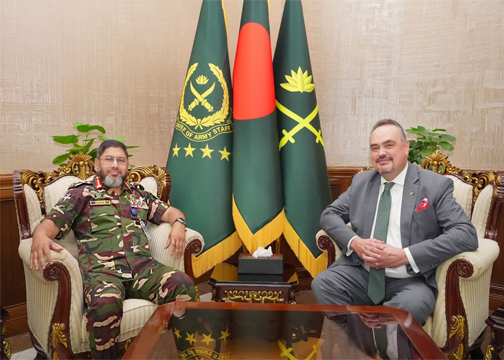
বাংলাদেশ সময় অনুযায়ী প্রধানমন্ত্রী তারেক রহমান জাতিসংঘের সাধারণ পরিষদের অধিবেশনে যোগদানের উদ্দেশ্যে নিউ ইয়র্কের পথে ঢাকা ত্যাগ করার পর পরই দেশের রাজনীতি ও কূটনৈতিক অঙ্গনে এক নজিরবিহীন ও আকস্মিক ঘটনা ঘটেছে। প্রধানমন্ত্রীকে বহনকারী বিমানটি আকাশে থাকাকালীন এবং যুক্তরাষ্ট্রে অবতরণের পূর্বেই ঢাকায় নিযুক্ত মার্কিন রাষ্ট্রদূত ব্রেন্ট ক্রিস্টেনসেন হঠাৎ ঢাকা সেনানিবাসে সেনাসদরে গিয়ে সেনাবাহিনী প্রধান জেনারেল ওয়াকার-উজ-জাজমানের সাথে এক রুদ্ধদ্বার বৈঠকে মিলিত হন।
প্রধানমন্ত্রীর বিদেশ সফরের ঠিক পরপরই এবং তাঁর অনুপস্থিতিতে মার্কিন রাষ্ট্রদূতের এই সেনাসদর সফর সাধারণ ঘটনা নাকি এর আড়ালে অন্য কোনো কূটনৈতিক ও ভূ-রাজনৈতিক কৌশল রয়েছে—তা নিয়ে রাজনৈতিক বিশ্লেষক ও আমজনতার মনে দেখা দিয়েছে নানা প্রশ্ন ও কৌতূহল।
বৈঠকের আনুষ্ঠানিক বার্তা ও আইএসপিআর-এর বক্তব্য
আন্তঃবাহিনী জনসংযোগ পরিদপ্তরের (আইএসপিআর) বিজ্ঞপ্তির সূত্র ধরে জানা যায়, সেনাপ্রধানের সাথে মার্কিন রাষ্ট্রদূতের এই আলোচনায় দুই দেশের বিদ্যমান দ্বিপাক্ষিক সামরিক ও কৌশলগত সম্পর্ক, প্রতিরক্ষা সহযোগিতা জোরদার, আন্তর্জাতিক শান্তিরক্ষা মিশনে বাংলাদেশের ভূমিকা এবং যৌথ সামরিক মহড়া—বিশেষ করে ‘টাইগার লাইটনিং’-এর মতো এক্সারসাইজগুলো নিয়ে আলোচনা হয়। পাশাপাশি বাংলাদেশ সামরিক বাহিনীর জন্য আধুনিক সরঞ্জাম ক্রয় এবং পেশাদারত্ব বৃদ্ধির বিষয়গুলোও আলোচনায় আসে।
তবে আপাতদৃষ্টিতে এটি একটি নিয়মিত প্রশাসনিক সৌজন্য সাক্ষাৎ মনে হলেও, বৈঠকের টাইমিং বা সময় নির্বাচনই আসল প্রশ্নের জন্ম দিয়েছে।
সময়ের সমীকরণ: কেন এই তড়িঘড়ি?
আলোচক ও বিশ্লেষকদের মূল সংশয় এখানেই—বৈঠকটি প্রধানমন্ত্রীর সফরের আগে কিংবা সফর শেষে ঢাকায় ফেরার পর কেন হলো না?
বর্তমানে দেশের রাজনৈতিক প্রেক্ষাপট বেশ সংবেদনশীল। সফরকালে দেশের পররাষ্ট্র মন্ত্রণালয়ের দায়িত্বপ্রাপ্ত কোনো পূর্ণ মন্ত্রী বা পররাষ্ট্র সচিব দেশে উপস্থিত নেই; তাঁরাও প্রধানমন্ত্রীর সাথে নিউ ইয়র্ক সফরে গেছেন। এই শূন্যতার মুহূর্তে মার্কিন রাষ্ট্রদূতের সেনাসদরে উপস্থিতি এবং স্পর্শকাতর নিরাপত্তা ইস্যুতে সামরিক নেতৃত্বের সাথে আলোচনা স্বাভাবিকভাবেই জনমনে নানা মুখরোচক আলোচনার জন্ম দিয়েছে।
কূটনৈতিক দৃষ্টিকোণ থেকে এই তড়িঘড়িকে বেশ কিছু রাজনৈতিক কোণ থেকে বিশ্লেষণ করা হচ্ছে:
১. ক্ষমতার নিয়ন্ত্রণ ও অভ্যন্তরীণ স্থিতিশীলতা:
প্রধানমন্ত্রীর অনুপস্থিতিতে অভ্যন্তরীণ রাজনীতি বা সামরিক কাঠামোর ভেতরে যাতে কোনো প্রকার অস্থিতিশীলতা বা 'কাউন্টার' পদক্ষেপের সৃষ্টি না হয়, সে ব্যাপারে মার্কিন প্রশাসনের দৃষ্টি রাখা ও বার্তা পৌঁছে দেওয়া একটি বড় কারণ হতে পারে।
২. মনস্তাত্ত্বিক চাপ বজায় রাখা:
সামরিক নেতৃত্বের ওপর মার্কিন প্রশাসনের যে নজরদারি ও প্রভাব রয়েছে, সেটির একটি দৃশ্যমান উপস্থিতি জানান দেওয়াই হয়তো এই আকস্মিক সফরের মূল উদ্দেশ্য।
ভূ-রাজনৈতিক স্নায়যুদ্ধ: ভারত, চীন ও আমেরিকা
বাংলাদেশকে কেন্দ্র করে বিশ্বশক্তির ভূ-রাজনৈতিক প্রতিযোগিতা এখন সর্বজনবিদিত। বিশেষ করে দক্ষিণ এশিয়ায় চীন ও মার্কিন যুক্তরাষ্ট্রের প্রভাব বিস্তারের যে লড়াই চলছে, বাংলাদেশ তার কেন্দ্রবিন্দুতে পরিণত হয়েছে।
সামরিক বিশ্লেষকদের মতে, আমেরিকা চায় বাংলাদেশ যেন চীনের সামরিক সরঞ্জাম বা বিমান ক্রয়ের ওপর নির্ভরতা কমিয়ে মার্কিন কিংবা তাদের মিত্রদের সামরিক ব্যবস্থার দিকে ঝোঁকে। একইসাথে তিস্তা প্রকল্পসহ বিভিন্ন আঞ্চলিক কৌশলগত প্রকল্পে চীন বা ভারতের একক আধিপত্য ঠেকাতে আমেরিকা নিজেদের উপস্থিতি বজায় রাখতে মরিয়া। সেনাপ্রধানের সাথে রাষ্ট্রদূতের এই তড়িঘড়ি বৈঠক সম্ভবত আন্তর্জাতিক এই ক্ষমতার ভারসাম্য রক্ষারই একটি অংশ, যেখানে বাংলাদেশকে কোনো নির্দিষ্ট ব্লকের দিকে না ঝোঁকার পরোক্ষ ‘ওয়ার্নিং’ বা বার্তা দেওয়া হয়ে থাকতে পারে।
রাজনৈতিক গুঞ্জন ও জনমনে তৈরি হওয়া সংশয়
সামাজিক যোগাযোগ মাধ্যম এবং সাধারণ মানুষের আলোচনায় এই সফরকে ঘিরে নানা ধরনের তথ্য ও গুজবের ডালপালা মেলছে। প্রধানমন্ত্রীর অনুপস্থিতিতে দেশ পরিচালনার মূল দায়িত্ব বা ক্ষমতার ভারসাম্য কার হাতে রয়েছে—তা নিয়ে যেমন সাধারণ মানুষ কৌতূহলী, তেমনি রাজপথের বিরোধী শক্তির রাজনৈতিক তৎপরতা ঘিরেও নানা সংশয় কাজ করছে।
একটি দেশের সরকারপ্রধান বিদেশে পদার্পণ করার আগেই সেনা সদরদপ্তরে মার্কিন রাষ্ট্রদূতের এই আকস্মিক প্রবেশ নিছক কাকতালীয় নাকি এর পেছনে সুদূরপ্রসারী কোনো নকশা রয়েছে—সেই হিসাব মেলানো কঠিন। তবে এটি স্পষ্ট যে, বর্তমান প্রেক্ষাপটে প্রতিরক্ষা ও আন্তর্জাতিক কূটনীতির এই মেলাবন্ধন বাংলাদেশের আগামী দিনের রাজনীতির জন্য অত্যন্ত গুরুত্বপূর্ণ এবং সংবেদনশীল মোড় এনে দিতে পারে।
লেখক: ড. আবুল হাসনাৎ মিল্টন,সাংবাদিক, রাজনৈতিক বিশ্লেষক ও প্রধান সম্পাদক, দ্যা সোর্স নিউজ বাংলা (The Source News Bangla)
Immediately after Prime Minister Tarique Rahman left Dhaka for New York to attend the United Nations General Assembly, an unprecedented and sudden event unfolded in Bangladesh’s political and diplomatic arenas. While the aircraft carrying the Prime Minister was still mid-air and before it had landed in the United States, Brent Christensen, the US Ambassador to Bangladesh, abruptly visited Army Headquarters at Dhaka Cantonment to hold a closed-door meeting with Chief of Army Staff General Waker-uz-Zaman.
Coming right on the heels of the Prime Minister’s departure and during his absence, this visit by the US Ambassador to Army HQ has raised widespread questions and intense curiosity among political analysts and the general public alike—leaving many to wonder whether it was a routine event or part of a deeper diplomatic and geopolitical strategy.
Official Message of the Meeting and ISPR Statement
According to a press release from Inter-Services Public Relations (ISPR), the discussions between the Army Chief and the US Ambassador covered existing bilateral military and strategic relations, strengthening defense cooperation, Bangladesh's role in international peacekeeping missions, and joint military exercises—specifically maneuvers like "Tiger Lightning." Additionally, the procurement of modern equipment for the Bangladesh Armed Forces and enhancing professional capabilities were brought to the table.
However, while it might appear at first glance to be a routine administrative courtesy call, the precise timing of the meeting is what has raised real suspicions.
The Timing Equation: Why the Haste?
The primary skepticism among commentators and analysts lies right here: why couldn’t this meeting take place before the Prime Minister’s departure, or after his return to Dhaka?
The current political context in the country is highly sensitive. During this trip, neither a full Cabinet Minister nor the Foreign Secretary is present in the country to manage the Ministry of Foreign Affairs, as they have also accompanied the Prime Minister to New York. In this moment of administrative vacuum, the US Ambassador’s sudden appearance at Army HQ to discuss sensitive security matters with military leadership has naturally fueled intense public speculation.
From a diplomatic perspective, this rush is being analyzed through several political lenses:
1. Control of Power and Internal Stability:
2. A major driver could be the US administration’s desire to keep a close eye on the situation and deliver a clear message to prevent any internal political instability or "counter" moves within the military apparatus during the Prime Minister's absence.
3. Maintaining Psychological Pressure: The primary motive behind this surprise visit might simply be to project a visible, assertive presence, signaling the US administration's continued influence and oversight regarding Bangladesh's military leadership.
Geopolitical Cold War: India, China, and America
The geopolitical competition among global superpowers centered around Bangladesh is now common knowledge. Bangladesh has effectively become a focal point in the tug-of-war for influence between China and the United States in South Asia.
According to military analysts, Washington wants Bangladesh to reduce its reliance on Chinese military equipment and aircraft procurement, steering it instead toward defense systems aligned with the US or its allies. Simultaneously, the US is desperate to maintain its presence to thwart any unilateral dominance by China or India in regional strategic ventures, such as the Teesta Project. This hasty meeting with the Army Chief is likely part of maintaining this international balance of power—functioning as a subtle warning to Bangladesh not to lean too heavily toward any specific geopolitical bloc.
Political Rumors and Public Uncertainty
Discussions on social media and among the public are generating a flurry of information and rumors surrounding this visit. The public remains deeply curious about who holds primary administrative authority and the balance of power during the Prime Minister's absence, while anxieties persist over potential political maneuvers by opposition forces on the streets.
It is difficult to calculate whether the sudden entry of a US Ambassador into Army Headquarters before the head of government has even set foot on foreign soil is pure coincidence or part of a far-reaching blueprint. Nevertheless, it is clear that this nexus of defense and international diplomacy could mark a highly critical and sensitive turning point for Bangladesh's future political landscape.
Author: Dr. Abul Hasnat Milton, Journalist, Political Analyst, and Editor-in-Chief, The Source News Bangla