ক্ষমতার পালাবদল, অভ্যুত্থান-পাল্টা অভ্যুত্থান, মুক্তিযোদ্ধা সামরিক কর্মকর্তাদের হত্যা এবং সামরিক শাসনের উত্থান—১৯৭৫ সালের ৭ নভেম্বর বাংলাদেশের ইতিহাসে এমন এক দিন, যার রক্তাক্ত উত্তরাধিকার আজও জাতিকে তাড়া করে ফেরে।
ইতিহাসের কিছু দিন থাকে, যেগুলো কেবল ক্যালেন্ডারের একটি তারিখ নয়; একটি জাতির বিবেকের সামনে দাঁড়িয়ে থাকা কঠিন প্রশ্ন। ১৯৭৫ সালের ৭ নভেম্বর বাংলাদেশের ইতিহাসে তেমনই এক রক্তাক্ত দিন। তথাকথিত ‘সিপাহী-জনতার বিপ্লব’ কিংবা ‘সিপাহী বিপ্লব’ নামে পরিচিত এই ঘটনাপ্রবাহের আড়ালে সংঘটিত হয়েছিল মুক্তিযুদ্ধে নেতৃত্ব দেওয়া একাধিক বীর সেনা কর্মকর্তার হত্যাকাণ্ড। পরবর্তী সময়ে সেনাবাহিনীর অভ্যন্তরে ধারাবাহিক হত্যা, ফাঁসি, গুম ও বিচারপ্রক্রিয়া নিয়ে তৈরি হয় আরও বহু বিতর্ক।
এই দিনটিকে তাই অনেক রাজনীতিবিদ, মুক্তিযুদ্ধের গবেষক ও ইতিহাস-সচেতন মানুষ ‘মুক্তিযোদ্ধা সৈনিক হত্যা দিবস’ হিসেবে স্মরণ করেন। কারণ, ৭ নভেম্বরের ঘটনাকে শুধু একটি সামরিক অভ্যুত্থান হিসেবে দেখলে এর গভীর রাজনৈতিক তাৎপর্য এবং মুক্তিযুদ্ধের চেতনার ওপর এর দীর্ঘমেয়াদি অভিঘাত অনুধাবন করা সম্ভব নয়।
১৫ আগস্টের হত্যাকাণ্ড থেকে ৭ নভেম্বর: ষড়যন্ত্রের ধারাবাহিকতা
১৯৭৫ সালের ১৫ আগস্ট জাতির পিতা বঙ্গবন্ধু শেখ মুজিবুর রহমানকে সপরিবারে হত্যার মধ্য দিয়ে স্বাধীন বাংলাদেশের রাজনৈতিক ইতিহাসে এক ভয়াবহ অধ্যায়ের সূচনা হয়। রাষ্ট্রীয় ক্ষমতার কেন্দ্রে চলে আসে বঙ্গবন্ধু হত্যাকাণ্ডে জড়িত সামরিক কর্মকর্তাদের প্রভাব। খন্দকার মোশতাক আহমদ রাষ্ট্রপতির দায়িত্ব গ্রহণ করেন। সেনাবাহিনীর নেতৃত্বেও আসে পরিবর্তন। তৎকালীন সেনাপ্রধান কে এম শফিউল্লাহকে সরিয়ে সেনাবাহিনী প্রধান করা হয় জিয়াউর রহমানকে।
বঙ্গবন্ধু হত্যার পরপরই রাষ্ট্রের সাংবিধানিক কাঠামো, সামরিক বাহিনীর শৃঙ্খলা এবং রাজনৈতিক ভারসাম্য ভেঙে পড়তে থাকে। ৩ নভেম্বর ব্রিগেডিয়ার খালেদ মোশাররফের নেতৃত্বে আরেকটি সামরিক অভ্যুত্থান ঘটে। এর অন্যতম উদ্দেশ্য ছিল সেনাবাহিনীতে শৃঙ্খলা ফিরিয়ে আনা এবং বঙ্গভবনে অবস্থানরত বঙ্গবন্ধুর হত্যাকারী কর্মকর্তাদের প্রভাব থেকে রাষ্ট্রীয় ক্ষমতাকে মুক্ত করা।
এই অভ্যুত্থানের পর জিয়াউর রহমানকে গৃহবন্দি করা হয়। কিন্তু পরিস্থিতি দ্রুত অন্যদিকে মোড় নেয়। সেনানিবাসে অসন্তোষ, সৈনিকদের মধ্যে বিভ্রান্তি, বিভিন্ন পক্ষের সাংগঠনিক তৎপরতা এবং ক্ষমতার দ্বন্দ্ব মিলিয়ে দেশ প্রবেশ করে আরও এক অনিশ্চিত অধ্যায়ে।
খালেদ মোশাররফ: মুক্তিযুদ্ধের বীর, নভেম্বরের রক্তাক্ত পরিণতি
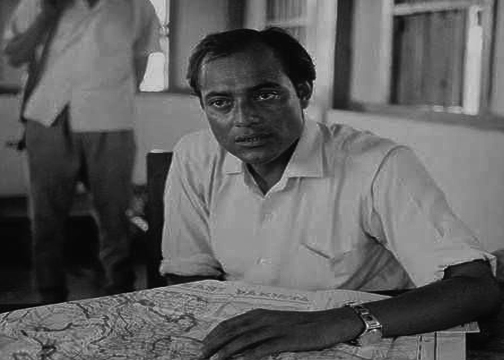
ব্রিগেডিয়ার খালেদ মোশাররফ ছিলেন বাংলাদেশের মহান মুক্তিযুদ্ধের অন্যতম সংগঠক ও সেক্টর কমান্ডার। তিনি ছিলেন বীর উত্তম খেতাবপ্রাপ্ত একজন মুক্তিযোদ্ধা। ১৫ আগস্টের হত্যাকাণ্ডের পর বঙ্গবন্ধুর হত্যাকারী সামরিক কর্মকর্তাদের ক্ষমতার বলয় থেকে সরিয়ে দেওয়ার উদ্যোগের সঙ্গে তাঁর নাম জড়িয়ে যায়।
কিন্তু ৭ নভেম্বরের পাল্টা অভ্যুত্থানে তাঁর পরিণতি হয় অত্যন্ত নির্মম।
খালেদ মোশাররফের সঙ্গে প্রাণ হারান বীর উত্তম খেতাবপ্রাপ্ত কর্নেল কে এন হুদা এবং বীর বিক্রম খেতাবপ্রাপ্ত লেফটেন্যান্ট কর্নেল এ টি এম হায়দার। ১০ম বেঙ্গল রেজিমেন্টের সদর দপ্তরে অবস্থানকালে তাঁদের গুলি করে হত্যা করা হয় বলে বিভিন্ন ঐতিহাসিক বিবরণে উল্লেখ রয়েছে।
একবার ভাবুন, যে মানুষগুলো পাকিস্তানি হানাদার বাহিনীর বিরুদ্ধে অস্ত্র হাতে নিয়ে বাংলাদেশের স্বাধীনতার জন্য যুদ্ধ করেছিলেন, তাঁদেরই স্বাধীন দেশের মাটিতে নিজেদের সহযোদ্ধাদের হাতে প্রাণ দিতে হলো!
এটি শুধু কয়েকজন সামরিক কর্মকর্তার মৃত্যু ছিল না; এটি ছিল মুক্তিযুদ্ধের মধ্য দিয়ে গড়ে ওঠা একটি সামরিক প্রজন্মের ওপর নেমে আসা ভয়াবহ আঘাত।
৭ নভেম্বর কি সত্যিই শুধু সিপাহী বিপ্লব ছিল?
৭ নভেম্বরের ঘটনাকে ঘিরে রাজনৈতিক বয়ানে নানা ব্যাখ্যা রয়েছে। এক পক্ষ একে সিপাহী-জনতার বিপ্লব হিসেবে চিহ্নিত করে, অন্য পক্ষের কাছে এটি ছিল সামরিক ক্ষমতার পুনর্বিন্যাস এবং মুক্তিযুদ্ধের পক্ষের কর্মকর্তাদের ওপর সংঘটিত হত্যাকাণ্ডের একটি গুরুত্বপূর্ণ অধ্যায়।
কর্নেল শাফায়াত জামিল তাঁর একাত্তরের মুক্তিযুদ্ধ, রক্তাক্ত মধ্য-আগস্ট ও ষড়যন্ত্রময় নভেম্বর গ্রন্থে ৭ নভেম্বরের সিপাহীদের পরিচয় ও ভূমিকা নিয়ে প্রশ্ন তুলেছেন। তাঁর বিবরণ অনুযায়ী, বিদ্রোহে অংশ নেওয়া সৈনিকদের একটি বড় অংশ ছিল পাকিস্তান প্রত্যাগত এবং তারা মুক্তিযুদ্ধে অংশগ্রহণকারী ব্যাটালিয়নের সদস্য ছিলেন না।
এই বক্তব্যের ঐতিহাসিক গুরুত্ব রয়েছে। কারণ, ৭ নভেম্বরের ঘটনাকে কেবল সাধারণ সৈনিকদের স্বতঃস্ফূর্ত বিদ্রোহ হিসেবে ব্যাখ্যা করলে এর পেছনে থাকা সামরিক ও রাজনৈতিক শক্তিগুলোর ভূমিকা আড়ালে থেকে যেতে পারে।
প্রশ্ন হচ্ছে, কারা এই বিদ্রোহকে সংগঠিত করেছিল? কারা এর সুযোগে ক্ষমতার কেন্দ্রে পৌঁছেছিল? আর কারা এই পালাবদলের মূল্য দিয়েছিল নিজেদের জীবন দিয়ে?
এই প্রশ্নগুলোর উত্তর খুঁজতে গেলে ৭ নভেম্বরের ঘটনাকে বিচ্ছিন্নভাবে দেখার সুযোগ নেই।
জিয়ার মুক্তি এবং ক্ষমতার নতুন সমীকরণ
৭ নভেম্বরের ঘটনাপ্রবাহে জিয়াউর রহমান গৃহবন্দিত্ব থেকে মুক্তি পান। তাঁর মুক্তির পেছনে বঙ্গবন্ধুর হত্যাকাণ্ডে জড়িত সামরিক কর্মকর্তাদের একটি অংশের ভূমিকার কথা বিভিন্ন ঐতিহাসিক বিবরণে উঠে এসেছে।
বিশেষ করে বঙ্গবন্ধু হত্যাকাণ্ডের অন্যতম ঘাতক ল্যান্সার মহিউদ্দিনের নেতৃত্বে একটি দল জিয়াকে মুক্ত করে নিয়ে আসে বলে লেখক গোলাম মুরশিদের মুক্তিযুদ্ধ ও তারপর গ্রন্থে উল্লেখ রয়েছে।
জিয়ার মুক্তির পর সেনাবাহিনীর ক্ষমতার ভারসাম্য দ্রুত বদলে যায়। পরবর্তী সময়ে তিনি রাষ্ট্রীয় ক্ষমতার কেন্দ্রে চলে আসেন। ৭ নভেম্বরের ঘটনাপ্রবাহ তাঁর রাজনৈতিক উত্থানের জন্য গুরুত্বপূর্ণ সুযোগ তৈরি করে দেয়।
এখানে একটি মৌলিক ঐতিহাসিক প্রশ্ন সামনে আসে: যে রাজনৈতিক ও সামরিক পরিস্থিতিতে বঙ্গবন্ধুর হত্যাকারীদের প্রভাব প্রতিষ্ঠিত হয়েছিল, সেই পরিস্থিতি থেকে রাষ্ট্রকে মুক্ত করার প্রচেষ্টা শেষ পর্যন্ত কীভাবে আরেকটি সামরিক ক্ষমতার পুনর্বিন্যাসের দিকে চলে গেল?
এই প্রশ্নের উত্তর বাংলাদেশের রাজনৈতিক ইতিহাসের একটি গুরুত্বপূর্ণ বিতর্কের কেন্দ্রে অবস্থান করছে।
জাতীয় চার নেতা হত্যা: মুক্তিযুদ্ধের নেতৃত্বকে নিশ্চিহ্ন করার আরেক অধ্যায়
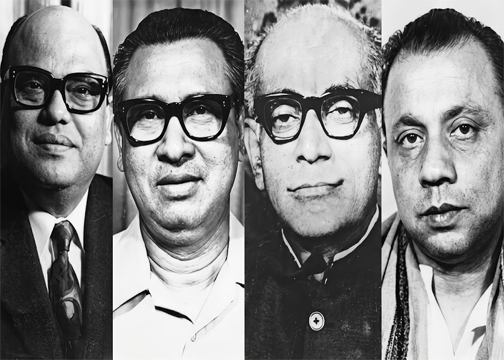
বঙ্গবন্ধু হত্যাকাণ্ডের মাত্র কয়েক মাসের মধ্যে ১৯৭৫ সালের ৩ নভেম্বর ঢাকা কেন্দ্রীয় কারাগারে হত্যা করা হয় জাতীয় চার নেতাকে। তাঁরা হলেন সৈয়দ নজরুল ইসলাম, তাজউদ্দীন আহমদ, ক্যাপ্টেন এম মনসুর আলী ও এ এইচ এম কামারুজ্জামান।
মুক্তিযুদ্ধকালীন বাংলাদেশের অস্থায়ী সরকারের নেতৃত্বদানকারী এই চার জাতীয় নেতার হত্যাকাণ্ড ছিল স্বাধীন বাংলাদেশের ইতিহাসের অন্যতম ভয়াবহ রাজনৈতিক অপরাধ।
১৫ আগস্ট বঙ্গবন্ধু হত্যাকাণ্ড এবং ৩ নভেম্বর জাতীয় চার নেতা হত্যাকাণ্ডের মধ্য দিয়ে রাষ্ট্রের রাজনৈতিক নেতৃত্ব ও মুক্তিযুদ্ধের সংগঠক শক্তিকে চরমভাবে বিপর্যস্ত করা হয়।
পরবর্তী ৭ নভেম্বরের হত্যাকাণ্ড এবং সামরিক বাহিনীর অভ্যন্তরে সংঘটিত ধারাবাহিক রক্তপাত এই সংকটকে আরও গভীর করে।
এই ঘটনাগুলোর মধ্যে রাজনৈতিক ও সামরিক যোগসূত্র নিয়ে ইতিহাসবিদদের মধ্যে আলোচনা রয়েছে। তবে একটি বিষয় স্পষ্ট—১৯৭৫ সালের আগস্ট থেকে নভেম্বর পর্যন্ত বাংলাদেশ রাষ্ট্রের প্রতিষ্ঠানগুলো ভয়াবহ ক্ষমতার দ্বন্দ্ব ও সহিংসতার মধ্যে পড়ে যায়।
মুক্তিযোদ্ধা সৈনিকদের রক্তে রঞ্জিত সেনানিবাস
৭ নভেম্বরের হত্যাকাণ্ডকে ঘিরে সবচেয়ে বেদনাদায়ক বিষয় হলো, স্বাধীনতার জন্য যুদ্ধ করা সামরিক কর্মকর্তাদেরই স্বাধীন দেশের সেনানিবাসে নিরাপত্তাহীন হয়ে পড়তে হয়েছিল।
বিভিন্ন গবেষণা ও স্মৃতিচারণে উল্লেখ করা হয়েছে, ৭ নভেম্বরের পর সেনাবাহিনীর অভ্যন্তরে অভ্যুত্থান, পাল্টা অভ্যুত্থান এবং প্রতিশোধমূলক হত্যাকাণ্ডের ধারাবাহিকতা তৈরি হয়। ১৯৭৬ থেকে ১৯৮১ সাল পর্যন্ত এই অস্থিরতা বিভিন্নভাবে অব্যাহত ছিল।
ব্রিগেডিয়ার সাখাওয়াত হোসেন তাঁর বাংলাদেশ: রক্তাক্ত অধ্যায় (১৯৭৬-৮১) গ্রন্থে ৭ নভেম্বরের পর সেনাবাহিনীর কমান্ড কাঠামো ভেঙে পড়া এবং একের পর এক অভ্যুত্থানের কথা তুলে ধরেছেন।
তাঁর বর্ণনায়, ৭ নভেম্বরের পর সেনাবাহিনীতে অভ্যুত্থান যেন একটি স্বাভাবিক রাজনৈতিক প্রক্রিয়ায় পরিণত হয়েছিল। ১৯৮১ সালে জিয়াউর রহমান নিহত হওয়া পর্যন্ত ছোট-বড় মিলিয়ে ২১টি সশস্ত্র অভ্যুত্থানের কথা তিনি উল্লেখ করেছেন।
এই পরিসংখ্যান শুধু সামরিক অস্থিরতার বিবরণ নয়; এটি একটি রাষ্ট্রের প্রতিষ্ঠানগত বিপর্যয়েরও প্রতিচ্ছবি।
যে সেনাবাহিনী একটি স্বাধীন রাষ্ট্রের সার্বভৌমত্ব রক্ষার জন্য প্রতিষ্ঠিত হয়েছিল, সেই বাহিনীর ভেতরেই যখন ক্ষমতা দখল ও ক্ষমতা টিকিয়ে রাখার লড়াই প্রাণঘাতী হয়ে ওঠে, তখন তার সবচেয়ে বড় মূল্য দিতে হয় সাধারণ সৈনিক ও কর্মকর্তাদের।
১৯৭৭ সালের ২ অক্টোবর: বিচারের নামে মৃত্যুর অভিযোগ
জিয়াউর রহমানের শাসনামলে সামরিক বাহিনীর অভ্যন্তরে সংঘটিত সবচেয়ে আলোচিত ঘটনাগুলোর একটি হলো ১৯৭৭ সালের ২ অক্টোবরের বিমানবাহিনীর বিদ্রোহ।
জাপানি বিমান ছিনতাইয়ের ঘটনাকে কেন্দ্র করে সৃষ্ট অস্থিরতার মধ্যে বিমানবাহিনীর একাংশ বিদ্রোহে জড়িয়ে পড়ে। সংঘর্ষে কয়েকজন কর্মকর্তা নিহত হন। পরবর্তী সময়ে বিদ্রোহ দমনের নামে ব্যাপক গ্রেপ্তার, সামরিক বিচার এবং মৃত্যুদণ্ড কার্যকরের ঘটনা ঘটে।
এই হত্যাকাণ্ডের সংখ্যা নিয়ে বিভিন্ন সূত্রে ভিন্ন ভিন্ন তথ্য পাওয়া যায়। ১৯৮৮ সালের ২৪ মে প্রকাশিত ইউপিআইয়ের একটি প্রতিবেদনে তৎকালীন বিমানবাহিনীর সরকারি ইতিহাসসংক্রান্ত একটি প্রকাশনার বরাতে ৫৬১ জন বিমানসেনাকে ফাঁসি দেওয়ার কথা উল্লেখ করা হয়। অন্যদিকে বিভিন্ন গবেষণা ও সাংবাদিকতার বিবরণে মৃত্যুদণ্ডপ্রাপ্ত ও নিহত ব্যক্তির সংখ্যা আরও বেশি বলে দাবি করা হয়েছে।
অ্যান্থনি ম্যাসকারেনহ্যাসসহ কয়েকজন লেখক ও সাংবাদিক এই সময়কার সামরিক দমন-পীড়নের ভয়াবহতা তুলে ধরেছেন।
এখানে সবচেয়ে গুরুত্বপূর্ণ প্রশ্নটি হলো—একটি সামরিক বিদ্রোহ দমন করতে গিয়ে কতজনকে যথাযথ বিচারিক প্রক্রিয়ার মধ্য দিয়ে মৃত্যুদণ্ড দেওয়া হয়েছিল, আর কতজনের ক্ষেত্রে সেই প্রক্রিয়া অনুসরণ করা হয়নি?
একটি রাষ্ট্রের সেনাবাহিনীতে শৃঙ্খলা প্রতিষ্ঠা অবশ্যই জরুরি। কিন্তু শৃঙ্খলার নামে বিচারপ্রক্রিয়া উপেক্ষা করে মানুষের জীবন কেড়ে নেওয়া কোনোভাবেই আইনের শাসনের বিকল্প হতে পারে না।
কর্নেল তাহেরের ফাঁসি: ৭ নভেম্বরের পরিণতির আরেক রক্তাক্ত অধ্যায়
৭ নভেম্বরের ঘটনাপ্রবাহে কর্নেল আবু তাহেরের ভূমিকাও বাংলাদেশের ইতিহাসে বহুল আলোচিত ও বিতর্কিত।
মুক্তিযুদ্ধে অসামান্য অবদান রাখা এই সেনা কর্মকর্তা পরবর্তী সময়ে জিয়াউর রহমানের ক্ষমতার উত্থানের সঙ্গে সংশ্লিষ্ট ঘটনাপ্রবাহে গুরুত্বপূর্ণ ভূমিকা পালন করেন। কিন্তু ক্ষমতার সমীকরণ বদলে যাওয়ার পর তাহের নিজেই রাষ্ট্রীয় দমননীতির শিকার হন।
১৯৭৬ সালের ২১ জুলাই তাঁকে সামরিক আদালতের বিচারে মৃত্যুদণ্ড দেওয়া হয় এবং ফাঁসি কার্যকর করা হয়।
একজন মুক্তিযোদ্ধা, যিনি দেশের স্বাধীনতার জন্য নিজের জীবন বিপন্ন করেছিলেন, স্বাধীনতার কয়েক বছরের মধ্যেই তাঁকে মৃত্যুর মুখোমুখি হতে হয়েছিল।
কর্নেল তাহেরের বিচার ও মৃত্যুদণ্ড বাংলাদেশের সামরিক শাসনের ইতিহাসে একটি গুরুত্বপূর্ণ অধ্যায়। পরবর্তী সময়ে তাঁর বিচারপ্রক্রিয়ার বৈধতা নিয়েও গুরুতর আইনি প্রশ্ন ওঠে।
এই ঘটনা আরও একটি নির্মম বাস্তবতা সামনে আনে—ক্ষমতার রাজনীতিতে একসময় যাঁরা গুরুত্বপূর্ণ ভূমিকা রাখেন, রাজনৈতিক সমীকরণ বদলে গেলে তাঁরাই আবার সেই ক্ষমতার নির্মমতার শিকার হতে পারেন।
পঞ্চম সংশোধনী: সামরিক শাসনকে সাংবিধানিক বৈধতা দেওয়ার বিতর্ক
জিয়াউর রহমানের শাসনামলের আরেকটি গুরুত্বপূর্ণ রাজনৈতিক ও সাংবিধানিক অধ্যায় হলো পঞ্চম সংশোধনী।
১৯৭৫ সালের ১৫ আগস্ট থেকে ১৯৭৯ সালের ৯ এপ্রিল পর্যন্ত সামরিক আইনের অধীনে জারি করা বিভিন্ন ঘোষণা, আদেশ ও কার্যক্রমকে ১৯৭৯ সালের পঞ্চম সংশোধনীর মাধ্যমে সাংবিধানিক স্বীকৃতি দেওয়ার উদ্যোগ নেওয়া হয়।
এর মধ্যে বঙ্গবন্ধু হত্যাকাণ্ডের পর জারি করা ইনডেমনিটি অধ্যাদেশও অন্তর্ভুক্ত ছিল।
এর ফলে বঙ্গবন্ধু হত্যাকাণ্ডে জড়িতদের বিচারের পথ দীর্ঘ সময়ের জন্য কার্যত বন্ধ হয়ে যায়। হত্যাকারীদের কয়েকজনকে বিদেশে বাংলাদেশের কূটনৈতিক মিশনে চাকরি দেওয়ার বিষয়টিও রাষ্ট্রীয় ইতিহাসের একটি বহুল আলোচিত ঘটনা।
পরবর্তী সময়ে বাংলাদেশের সুপ্রিম কোর্ট পঞ্চম সংশোধনীকে অসাংবিধানিক ঘোষণা করেন। আদালতের রায়ে সামরিক শাসনের অধীনে সংবিধানবহির্ভূতভাবে জারি করা বিভিন্ন ঘোষণা ও আদেশের বৈধতা নিয়ে গুরুত্বপূর্ণ পর্যবেক্ষণ উঠে আসে।
এখানে বিষয়টি কেবল একটি সাংবিধানিক সংশোধনীর মধ্যে সীমাবদ্ধ নয়। এটি ছিল রাষ্ট্রের মৌলিক প্রশ্ন—একটি সামরিক অভ্যুত্থান, হত্যাকাণ্ড এবং ক্ষমতা দখলের পর জারি করা আদেশের মাধ্যমে কি সংবিধান ও আইনের শাসনকে প্রতিস্থাপন করা যায়?
মুক্তিযুদ্ধের চেতনা বনাম পাকিস্তানপন্থী রাজনীতির বিতর্ক
৭ নভেম্বরের পর বাংলাদেশের রাজনৈতিক কাঠামোয় যে পরিবর্তন আসে, তার অন্যতম বৈশিষ্ট্য ছিল সামরিক বাহিনীর সরাসরি রাজনৈতিক ক্ষমতায় অংশগ্রহণ।
পরবর্তী সময়ে জিয়াউর রহমানের শাসনামলে রাজনৈতিক দল পুনর্গঠন, বহুদলীয় রাজনীতির পুনর্বিন্যাস, সংবিধানের পরিবর্তন এবং রাষ্ট্রীয় আদর্শের পুনর্নির্ধারণের নানা উদ্যোগ নেওয়া হয়।
এসব পরিবর্তন নিয়ে বাংলাদেশের রাজনৈতিক ইতিহাসে আজও বিতর্ক রয়েছে।
বিশেষত বঙ্গবন্ধু হত্যাকাণ্ডের বিচার বন্ধ রাখা, হত্যাকারীদের রাষ্ট্রীয় সুবিধা দেওয়া, মুক্তিযুদ্ধের ইতিহাস ও রাষ্ট্রীয় আদর্শের পরিবর্তন এবং সামরিক শাসনের বৈধতা প্রতিষ্ঠার প্রচেষ্টা—এসব বিষয় জিয়াউর রহমানের শাসনামল মূল্যায়নের ক্ষেত্রে গুরুত্বপূর্ণ হয়ে উঠেছে।
সমালোচকদের মতে, এসব পদক্ষেপের ফলে মুক্তিযুদ্ধের রাজনৈতিক আদর্শ ও রাষ্ট্রের মূলনীতির সঙ্গে দূরত্ব তৈরি হয়। অন্যদিকে তাঁর সমর্থকেরা তাঁর শাসনামলের বিভিন্ন রাজনৈতিক ও প্রশাসনিক উদ্যোগকে ভিন্নভাবে মূল্যায়ন করেন।
তবে একটি বিষয় অস্বীকার করার সুযোগ নেই—সামরিক বাহিনীর ক্ষমতার দ্বন্দ্ব বাংলাদেশের গণতান্ত্রিক প্রতিষ্ঠানগুলোর বিকাশকে দীর্ঘ সময়ের জন্য বাধাগ্রস্ত করেছিল।
১৯৮১: ক্ষমতার রাজনীতির শেষ পরিণতিও ছিল রক্তাক্ত
১৯৮১ সালের ৩০ মে চট্টগ্রামে এক সামরিক অভ্যুত্থানে রাষ্ট্রপতি জিয়াউর রহমান নিহত হন। তাঁর মৃত্যুর পর সেনাবাহিনীর অভ্যন্তরে আবারও শুরু হয় ব্যাপক অস্থিরতা।
এই ঘটনার সঙ্গে সংশ্লিষ্টতার অভিযোগে মেজর জেনারেল এম এ মঞ্জুরসহ কয়েকজন সামরিক কর্মকর্তাকে আটক ও হত্যা করা হয়। তাঁদের মধ্যে মুক্তিযুদ্ধে অংশ নেওয়া কর্মকর্তাও ছিলেন।
এভাবেই ১৯৭৫ সালের নভেম্বর থেকে শুরু হওয়া সামরিক অস্থিরতার রক্তাক্ত অধ্যায় আরও একবার নতুন রূপে ফিরে আসে।
যে সামরিক বাহিনীর ভেতরে মুক্তিযুদ্ধের সহযোদ্ধারা একে অপরের বিরুদ্ধে অস্ত্র ধরতে বাধ্য হয়েছিলেন, সেই বাহিনীতেই একের পর এক প্রাণহানি ঘটতে থাকে।
ইতিহাসের এই নির্মম পরিহাস আমাদের মনে করিয়ে দেয়, রাষ্ট্রের প্রতিষ্ঠান যখন ব্যক্তিকেন্দ্রিক ক্ষমতার লড়াইয়ের হাতিয়ার হয়ে ওঠে, তখন তার পরিণতি কতটা ভয়াবহ হতে পারে।
ইতিহাসের দায় এড়ানোর সুযোগ নেই
১৯৭৫ সালের ৭ নভেম্বরকে ঘিরে নানা রাজনৈতিক ব্যাখ্যা থাকতে পারে। ঘটনাটির পেছনে বিভিন্ন পক্ষের ভূমিকা, উদ্দেশ্য ও কৌশল নিয়েও গবেষণার প্রয়োজন রয়েছে। কিন্তু যে মুক্তিযোদ্ধা সামরিক কর্মকর্তারা সেদিন প্রাণ হারিয়েছিলেন, তাঁদের অবদান ও হত্যাকাণ্ডের ঐতিহাসিক গুরুত্ব কোনো রাজনৈতিক বিতর্কের আড়ালে হারিয়ে যেতে পারে না।
খালেদ মোশাররফ, কে এন হুদা ও এ টি এম হায়দারের মতো মুক্তিযুদ্ধের বীর সেনানীদের মৃত্যু শুধু তাঁদের পরিবারের ব্যক্তিগত শোক ছিল না; এটি ছিল স্বাধীন বাংলাদেশের সামরিক ইতিহাসের এক গভীর ক্ষত।
কর্নেল তাহেরের ফাঁসি, ১৯৭৭ সালের বিমানবাহিনীর বিদ্রোহ-পরবর্তী মৃত্যুদণ্ড, ১৯৮১ সালের সামরিক অভ্যুত্থান এবং পরবর্তী হত্যাকাণ্ডগুলোও একইভাবে আমাদের সামনে বিচার, মানবাধিকার ও সামরিক প্রতিষ্ঠানের জবাবদিহির প্রশ্ন তুলে ধরে।
ইতিহাসের প্রতি দায়বদ্ধতা মানে কোনো ব্যক্তিকে অন্ধভাবে মহিমান্বিত করা কিংবা কোনো ঘটনাকে একপক্ষীয় রাজনৈতিক বয়ানে বন্দি করা নয়। বরং কে কী করেছিলেন, কারা প্রাণ হারিয়েছিলেন, কোন সিদ্ধান্তের কী পরিণতি হয়েছিল এবং রাষ্ট্রের প্রতিষ্ঠানগুলো কীভাবে ক্ষতিগ্রস্ত হয়েছিল—সেসব সত্য অনুসন্ধান করা।
৭ নভেম্বর: শুধু একটি তারিখ নয়, মুক্তিযুদ্ধের উত্তরাধিকার রক্ষার প্রশ্ন
বাংলাদেশের স্বাধীনতা এসেছিল লাখো শহীদের রক্ত এবং অসংখ্য মুক্তিযোদ্ধার আত্মত্যাগের বিনিময়ে। সেই স্বাধীন দেশে মুক্তিযোদ্ধা সামরিক কর্মকর্তাদের একের পর এক হত্যাকাণ্ডের শিকার হতে হওয়া নিঃসন্দেহে গভীর বেদনার বিষয়।
৭ নভেম্বরের ঘটনাপ্রবাহ আমাদের মনে করিয়ে দেয়, স্বাধীনতা অর্জন করাই একটি জাতির চূড়ান্ত সাফল্য নয়; স্বাধীনতার মূল্যবোধ, গণতন্ত্র, সংবিধান এবং মানুষের জীবনের মর্যাদা রক্ষা করাও সমান গুরুত্বপূর্ণ।
যে রাষ্ট্রে মুক্তিযুদ্ধের বীর সেনানীরা নিজেদের সহযোদ্ধাদের হাতেই প্রাণ হারান, যে রাষ্ট্রে সামরিক ক্ষমতার পালাবদল মানুষের জীবন কেড়ে নেয়, যে রাষ্ট্রে বিচারের পরিবর্তে প্রতিশোধ প্রতিষ্ঠা পায়—সেই রাষ্ট্রের ইতিহাসে প্রশ্ন থেকে যায়, রাষ্ট্রটি শেষ পর্যন্ত কার স্বার্থ রক্ষা করছিল?
৭ নভেম্বর তাই শুধু অতীতের একটি সামরিক অভ্যুত্থানের স্মৃতি নয়। এটি মুক্তিযুদ্ধের ইতিহাস, সামরিক বাহিনীর পেশাদারিত্ব, গণতান্ত্রিক শাসনব্যবস্থা এবং রাষ্ট্রীয় জবাবদিহির সঙ্গে গভীরভাবে জড়িত একটি দিন।
যাঁরা জীবন দিয়েছিলেন বাংলাদেশের স্বাধীনতার জন্য, স্বাধীন বাংলাদেশেই তাঁদের রক্ত ঝরেছিল—এই বেদনাদায়ক সত্য যেন কোনো দিন বিস্মৃত না হয়।
ইতিহাসের কাছে আমাদের দায় একটাই—ক্ষমতার জয়গান নয়, সত্যের অনুসন্ধান; রাজনৈতিক সুবিধা নয়, নিহত মানুষের প্রতি ন্যায়বিচার। ৭ নভেম্বরের রক্তাক্ত অধ্যায় তাই বারবার ফিরে দেখা জরুরি, যেন মুক্তিযুদ্ধের বীরদের আত্মত্যাগ আর কোনো দিন ক্ষমতার রাজনীতির অন্ধকারে হারিয়ে না যায়।
লেখক: ড. আবুল হাসনাৎ মিল্টন,সাংবাদিক, রাজনৈতিক বিশ্লেষক ও প্রধান সম্পাদক, দ্যা সোর্স নিউজ বাংলা (The Source News Bangla)
A transfer of power, successive coups and counter-coups, the killing of military officers who fought in the Liberation War, and the rise of military rule—November 7, 1975, remains one of the darkest days in Bangladesh's history, leaving behind a bloody legacy that continues to haunt the nation.
Some days in history are more than just dates on a calendar; they are difficult questions confronting a nation's conscience. November 7, 1975, is one such bloody day in the history of Bangladesh. Behind the events popularly described as the Sepoy-Janata Revolution or the Sepoy Revolution lay the killings of several distinguished military officers who had played leading roles in the country's Liberation War. In the years that followed, further controversies emerged over a series of killings, executions, disappearances and questionable judicial proceedings within the armed forces.
Many politicians, Liberation War researchers and historically conscious citizens therefore observe this day as Liberation War Veterans' Soldiers Killing Day. Looking at November 7 merely as a military coup would mean overlooking its deeper political significance and its long-term impact on the spirit and ideals of the Liberation War.
From the August 15 Assassination to November 7: A Continuation of Conspiracies
The assassination of Bangabandhu Sheikh Mujibur Rahman and most of his family members on August 15, 1975, marked the beginning of a horrifying chapter in the political history of independent Bangladesh. Military officers involved in the assassination began to exert influence at the centre of state power. Khondaker Mostaq Ahmad assumed the presidency, and the military leadership underwent a significant change. General Ziaur Rahman replaced the incumbent army chief, Major General K. M. Shafiullah.
Following Bangabandhu's assassination, the country's constitutional framework, military discipline and political balance began to collapse. On November 3, another military coup took place under the leadership of Brigadier Khaled Mosharraf. One of its principal objectives was to restore discipline within the armed forces and remove the influence of the military officers involved in Bangabandhu's assassination from the centres of state power.
Following this coup, Ziaur Rahman was placed under house arrest. However, the situation soon took another dramatic turn. Discontent in the cantonments, confusion among soldiers, organisational activities by rival factions and the struggle for power pushed the country into yet another period of uncertainty.
Khaled Mosharraf: A Hero of the Liberation War and the Bloody Fate of November
Brigadier Khaled Mosharraf was one of the key organisers and sector commanders of Bangladesh's Liberation War. He was awarded the title of Bir Uttam for his contribution to the country's independence. Following the August 15 assassination, his name became closely associated with efforts to remove the military officers involved in Bangabandhu's murder from positions of power.
However, his fate during the counter-coup of November 7 was tragic.
Alongside Khaled Mosharraf, Colonel K. N. Huda, a Bir Uttam recipient, and Lieutenant Colonel A. T. M. Haider, a Bir Bikram recipient, were also killed. Historical accounts state that they were shot dead while staying at the headquarters of the 10th Bengal Regiment.
Imagine this: men who had taken up arms against the Pakistani occupation forces and fought for Bangladesh's independence were ultimately killed by their own fellow soldiers on the soil of the very country they had helped liberate!
This was not merely the death of a few military officers. It was a devastating blow to an entire generation of soldiers shaped by the Liberation War.
Was November 7 Really Just a Sepoy Revolution?
There are differing political interpretations of the events of November 7. One side describes it as a revolution by soldiers and the people, while another views it as a major episode of military power realignment and the killing of officers associated with the spirit of the Liberation War.
In his book The Liberation War of 1971, the Bloody Mid-August and the Conspiratorial November, Colonel Shafayat Jamil questioned the identities and roles of the soldiers who participated in the November 7 uprising. According to his account, a significant portion of the participating soldiers had returned from Pakistan and had not served in battalions that took part in the Liberation War.
This observation carries historical significance. If the events of November 7 are explained solely as a spontaneous uprising by ordinary soldiers, the roles of the military and political forces operating behind the scenes may remain obscured.
The questions remain: Who organised the uprising? Who used the opportunity to reach the centre of state power? And who paid the ultimate price for this transfer of power with their lives?
The events of November 7 cannot be understood in isolation without examining these questions.
Zia's Release and the New Equation of Power
During the events of November 7, Ziaur Rahman was released from house arrest. Several historical accounts point to the involvement of a section of military officers associated with Bangabandhu's assassination in securing his release.
In particular, writer Ghulam Murshid, in his book The Liberation War and After, mentions that a group led by Lancer Mohiuddin, one of the principal assassins of Bangabandhu, went to release Zia.
Following Zia's release, the balance of power within the armed forces changed rapidly. He subsequently moved to the centre of state power. The developments of November 7 created a significant opportunity for his political rise.
This raises a fundamental historical question: How did an attempt to free the state from the influence of those responsible for Bangabandhu's assassination ultimately lead to another realignment of military power?
The answer to this question remains at the centre of an important debate in Bangladesh's political history.
The Jail Killing of the Four National Leaders: Another Chapter in the Elimination of Liberation War Leadership
Just a few months after Bangabandhu's assassination, on November 3, 1975, four national leaders were murdered inside Dhaka Central Jail. They were Syed Nazrul Islam, Tajuddin Ahmad, Captain M. Mansur Ali and A. H. M. Qamaruzzaman.
These four leaders had headed Bangladesh's provisional government during the Liberation War. Their assassination remains one of the most horrific political crimes in the history of independent Bangladesh.
The assassination of Bangabandhu on August 15 and the killing of the four national leaders on November 3 dealt a devastating blow to the country's political leadership and the forces that had organised and led the Liberation War.
The killings of November 7 and the subsequent bloodshed within the armed forces further deepened this crisis.
Historians continue to discuss the political and military connections among these events. One thing, however, is clear: between August and November 1975, Bangladesh's state institutions were engulfed in a devastating struggle for power and violence.
The Cantonments Stained with the Blood of Liberation War Veterans
One of the most painful aspects of the November 7 killings is that military officers who had fought for independence found themselves unsafe within the cantonments of their own independent country.
Various research works and personal accounts suggest that November 7 ushered in a prolonged cycle of coups, counter-coups and retaliatory killings within the armed forces. This instability continued in different forms between 1976 and 1981.
In his book Bangladesh: A Bloody Chapter (1976–81), Brigadier Sakhawat Hossain describes the collapse of the army's command structure following November 7 and the successive coups that followed.
According to his account, coups gradually became almost a routine feature of military life after November 7. He refers to a total of 21 armed uprisings, large and small, between November 7, 1975, and the assassination of Ziaur Rahman in 1981.
These figures represent more than military instability; they reflect the institutional breakdown of a state.
When an army established to defend the sovereignty of an independent country becomes consumed by deadly struggles to seize and retain power, ordinary soldiers and military officers are often forced to pay the highest price.
October 2, 1977: Allegations of Executions in the Name of Justice
One of the most controversial episodes within the armed forces during Ziaur Rahman's rule was the Bangladesh Air Force mutiny of October 2, 1977.
Amid the turmoil surrounding the hijacking of a Japanese aircraft, a section of the Air Force became involved in an uprising. Several officers were killed in the clashes. Subsequently, widespread arrests, military trials and executions took place in the name of suppressing the mutiny.
Different sources provide different figures regarding the number of people killed or executed. A United Press International (UPI) report published on May 24, 1988, citing a publication on the official history of the Air Force, stated that 561 airmen had been hanged. Other research and journalistic accounts have claimed that the number of those sentenced to death or killed was even higher.
Writers and journalists, including Anthony Mascarenhas, have documented the brutality of military repression during this period.
The most important question is this: During the suppression of a military uprising, how many people were sentenced to death following proper judicial procedures, and in how many cases were those procedures ignored?
Maintaining discipline within a country's armed forces is undoubtedly essential. But taking human lives while disregarding due judicial process in the name of discipline can never be an alternative to the rule of law.
The Execution of Colonel Taher: Another Bloody Chapter in the Aftermath of November 7
The role of Colonel Abu Taher in the events of November 7 remains one of the most widely discussed and controversial subjects in Bangladesh's history.
This military officer, who made an outstanding contribution to the Liberation War, played a significant role in the developments surrounding Ziaur Rahman's rise to power. However, when the balance of power shifted, Taher himself became a victim of state repression.
On July 21, 1976, he was sentenced to death by a military tribunal, and the sentence was carried out by hanging.
A freedom fighter who had risked his life for the independence of the country was himself sent to the gallows just a few years after independence.
The trial and execution of Colonel Taher remain a significant chapter in the history of military rule in Bangladesh. Serious legal questions were subsequently raised about the legitimacy of the judicial proceedings against him.
This episode exposes another harsh reality of power politics: those who once play crucial roles in bringing a political force to power may themselves become victims of that power when political equations change.
The Fifth Amendment: The Controversy over Constitutional Legitimisation of Military Rule
Another important political and constitutional chapter of Ziaur Rahman's rule concerns the Fifth Amendment to the Constitution.
Through the Fifth Amendment of 1979, an attempt was made to give constitutional recognition to various proclamations, orders and actions issued under martial law between August 15, 1975, and April 9, 1979.
These included the Indemnity Ordinance promulgated following Bangabandhu's assassination.
As a result, the path to bringing those involved in Bangabandhu's assassination to justice remained effectively blocked for many years. The appointment of several convicted or accused assassins to diplomatic missions abroad also remains a widely discussed episode in the country's state history.
Subsequently, the Supreme Court of Bangladesh declared the Fifth Amendment unconstitutional. The court's judgment included significant observations concerning the legality of proclamations and orders issued outside the constitutional framework under military rule.
The issue was not merely about a constitutional amendment. It raised a fundamental question about the state: Can the Constitution and the rule of law be replaced by orders issued following a military coup, political assassinations and the seizure of power?
The Spirit of the Liberation War versus the Politics of Pro-Pakistan Ideology
One of the most significant changes in Bangladesh's political structure following November 7 was the direct involvement of the military in political power.
During Ziaur Rahman's subsequent rule, various initiatives were undertaken to reorganise political parties, reshape multiparty politics, amend the Constitution and redefine the ideological foundations of the state.
These changes remain subjects of debate in Bangladesh's political history.
In particular, the suspension of justice for Bangabandhu's assassination, the granting of state benefits to the assassins, changes to the historical narrative of the Liberation War and the state's ideological foundations, and efforts to legitimise military rule have become important factors in assessing Ziaur Rahman's tenure.
Critics argue that these measures created a distance between the political ideals of the Liberation War and the foundational principles of the state. His supporters, on the other hand, interpret various political and administrative initiatives of his rule differently.
Nevertheless, one fact cannot be overlooked: the power struggles within the armed forces seriously obstructed the development of Bangladesh's democratic institutions for a prolonged period.
1981: The Bloody End of the Politics of Power
On May 30, 1981, President Ziaur Rahman was assassinated in a military coup in Chattogram. His death once again triggered widespread instability within the armed forces.
Several military officers, including Major General M. A. Manzur, were arrested and killed over allegations of involvement in the incident. Some of these officers had also participated in the Liberation War.
Thus, the bloody chapter of military instability that began in November 1975 returned in another form.
The same armed forces in which comrades-in-arms from the Liberation War had been forced to turn their weapons against one another continued to witness successive killings.
This tragic irony of history reminds us how devastating the consequences can be when state institutions become instruments of personalised struggles for power.
There Is No Escaping the Responsibility of History
There may be different political interpretations of November 7, 1975. Further research is also necessary into the roles, motives and strategies of the various parties involved. But the contributions of the Liberation War veterans who lost their lives that day, and the historical significance of their killings, must never be buried beneath political controversies.
The deaths of distinguished freedom fighters such as Khaled Mosharraf, K. N. Huda and A. T. M. Haider were not merely personal tragedies for their families; they left a profound wound in the military history of independent Bangladesh.
The execution of Colonel Taher, the death sentences following the 1977 Air Force mutiny, the 1981 military coup and the subsequent killings all raise fundamental questions about justice, human rights and accountability within military institutions.
Being responsible to history does not mean blindly glorifying any individual or confining events within a one-sided political narrative. It means investigating the truth: who did what, who lost their lives, what consequences followed particular decisions, and how the institutions of the state were damaged.
November 7: More Than a Date — A Question of Preserving the Legacy of the Liberation War
Bangladesh achieved independence through the blood of millions of martyrs and the sacrifices of countless freedom fighters. It is profoundly painful that military officers who fought for that independence subsequently became victims of successive killings in their own country.
The events of November 7 remind us that achieving independence is not a nation's ultimate accomplishment. Protecting the values of independence, democracy, the Constitution and the dignity of human life is equally important.
When heroes of the Liberation War are killed by their own comrades, when military power struggles claim human lives, and when revenge takes the place of justice, a fundamental question remains in the history of that state: Whose interests was the state ultimately serving?
November 7, therefore, is not merely a reminder of a military coup in the past. It is a day deeply connected with the history of the Liberation War, the professionalism of the armed forces, democratic governance and state accountability.
Those who gave their lives for the independence of Bangladesh ultimately shed their blood in independent Bangladesh itself. This painful truth must never be forgotten.
Our responsibility to history is clear: not the glorification of power, but the pursuit of truth; not political expediency, but justice for those who lost their lives. The bloody chapter of November 7 must therefore be revisited again and again, so that the sacrifices of the heroes of the Liberation War are never again lost in the darkness of power politics.
Author: Dr. Abul Hasnat Milton
Journalist, Political Analyst and Editor-in-Chief, The Source News Bangla