১. ক্ষমতার রদবদল ও বঙ্গভবনের অন্ধকার ষড়যন্ত্রের জাল
১৯৭৫ সালের ১৫ আগস্ট জাতির পিতা বঙ্গবন্ধু শেখ মুজিবুর রহমানকে সপরিবার নির্মমভাবে হত্যার পর থেকেই বাংলাদেশের রাজনীতির আকাশ ঢেকে গিয়েছিল এক গভীর অমাবস্যার অন্ধকারে। ক্ষমতা দখল ও প্রাসাদ ষড়যন্ত্রের সেই ধারাবাহিকতায় মাত্র আড়াই মাসের মাথায় রচিত হয় আরও একটি পৈশাচিক অধ্যায়। ৩ নভেম্বর ১৯৭৫—এই দিনটি কেবল একটি তারিখ নয়, এটি বাঙালি জাতির কপালে এক রক্তক্ষয়ী কলঙ্কের তিলক। তৎকালীন রাষ্ট্রপতি খন্দকার মোশতাক আহমেদের প্রত্যক্ষ মদদ ও বঙ্গভবনের সুরক্ষিত কক্ষগুলোতে বসে পরিকল্পনা করা হয়েছিল এক ইতিহাসের জঘন্যতম হত্যাকাণ্ড। নেপথ্যে রচয়িতাদের হুকুমেই চার সেনা কর্মকর্তার একটি সশস্ত্র দল ঢাকা কেন্দ্রীয় কারাগারের দিকে এগিয়ে যায়—যেখানে বন্দি ছিলেন বাংলাদেশের স্বাধীনতা সংগ্রামের চার সূর্যসন্তান।
২. ঢাকা কেন্দ্রীয় কারাগারে ঘাতকদের নির্মম হানা ও অজু করার শেষ মুহূর্তগুলো
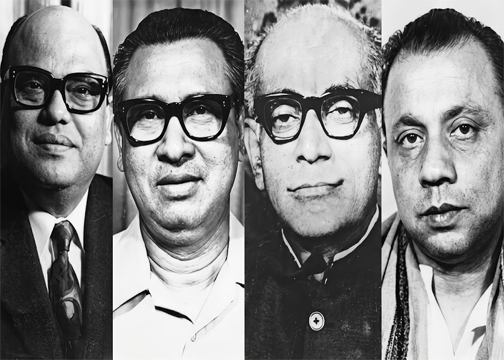
সেদিন রাত তখন গভীর। ঢাকা কেন্দ্রীয় কারাগারের ভারী লোহার গেটগুলো যেন কোনো অশুভ বার্তার প্রতীক্ষায় স্তব্ধ। আইজি প্রিজনস এন. নুরুজ্জামান ও ডিআইজি প্রিজনস কাজী আবদুল আউয়ালের ওপর বঙ্গভবন থেকে প্রবল চাপ সৃষ্টি করা হয়েছিল খুনিদের পথ সুগম করতে। একে একে কারাগারের এক নম্বর সেলে বন্দি করা হলো জাতীয় চার নেতা—সৈয়দ নজরুল ইসলাম, তাজউদ্দীন আহমদ, ক্যাপ্টেন এম মনসুর আলী এবং এ এইচ এম কামারুজ্জামানকে।
ঘাতক ক্যাপ্টেন মোসলেম ও তার সঙ্গীরা যখন অস্ত্রহাতে সেলে প্রবেশ করল, তখন বাতাসে মৃত্যুর সুবাস। সুবেদার আবদুল ওয়াহেদ মৃধা ও জেলার আমিনুর রহমানের স্মৃতিচারণায় উঠে এসেছে সেই মুহূর্তের এক হৃদয়বিদারক রূপ। মৃত্যুর মুখোমুখি দাঁড়িয়েও নেতাসুলভ স্থিরতা বজায় রেখেছিলেন তারা। তাজউদ্দীন আহমদ শান্ত গলায় জানতে চেয়েছিলেন পাগলা ঘণ্টা বাজানোর কারণ। এরপর চার নেতা বাথরুমে একসঙ্গে অজু করে নিলেন, টেবিলের ওপর পবিত্র কোরআন শরিফ খোলা রইল। মৃত্যুর পূর্বে শেষবারের মতো মহান আল্লাহর দরবারে মাথা নত করার সেই পবিত্র মুহূর্তটিতেও একটুও কাঁপেনি তাঁদের হাত।
৩. ব্রাশফায়ার ও বেয়নেটের নৃশংসতায় ঝাঁঝরা বাংলার চার স্তম্ভ
অজু শেষ করে সৈয়দ নজরুল ইসলামের চৌকিতে চারজনে বসার সঙ্গে সঙ্গেই শুরু হয় ঘাতকদের গর্জে ওঠা চাইনিজ রাইফেল ও স্টেনগানের অবিরাম গুলিবর্ষণ। মুহূর্তের মধ্যে প্রায় ৬০ রাউন্ড বুলেট ঝাঁঝরা করে দেয় এক নম্বর সেলের দেওয়াল, টেবিলের ওপর রাখা পবিত্র কোরআন শরিফ। মাটিতে লুটিয়ে পড়েন বাংলাদেশের প্রথম অস্থায়ী রাষ্ট্রপতি সৈয়দ নজরুল ইসলাম, প্রধানমন্ত্রী তাজউদ্দীন আহমদ, মন্ত্রিসভার সদস্য ক্যাপ্টেন এম মনসুর আলী এবং এ এইচ এম কামারুজ্জামান।
পৈশাচিকতার এখানেই শেষ হয়নি। ভোর ৫টা ২৫ মিনিটে বঙ্গভবন থেকে নায়েক এ. আলীর নেতৃত্বে আরেকটি ঘাতক দল পুনরায় সেলে প্রবেশ করে। তাদের মনে সামান্যতম সন্দেহ ছিল—যদি কেউ বেঁচে থাকে! তারা মৃতপ্রায় নেতাদের শরীরে বেয়নেট দিয়ে উপর্যুপরি খুঁচিয়ে নিশ্চিত করে তাদের মৃত্যু। চকবাজার বড় মসজিদের মিনার থেকে যখন ফজরের আজান ভেসে আসছিল, তখন কারাগারের মেঝে ভিজে গেছে বাংলার শ্রেষ্ঠ সন্তানদের রক্তে।
৪. বিচারহীনতার দীর্ঘ সংস্কৃতি ও ন্যায়বিচারের আকুতি
১৯৭৫-পরবর্তী সরকারগুলো পরিকল্পিতভাবে এই জেল হত্যা মামলার তদন্ত ও বিচার প্রক্রিয়াকে বছরের পর বছর ধামাচাপা দিয়ে রেখেছিল। ২১ বছর ধরে অন্ধকারেই পড়েছিল তৎকালীন কারা কর্তৃপক্ষের সেই চাঞ্চল্যকর প্রতিবেদন। দীর্ঘ আইনি লড়াই, সাক্ষীদের জবানবন্দি এবং বিচারিক আদালতের রায় পেরিয়ে মামলাটি যখন আপিল বিভাগে গড়ায়, তখন রাষ্ট্রপক্ষের প্রধান কৌশলী হিসেবে জাতির সামনে উন্মোচিত হয় ইতিহাসের নির্মম সত্য। হাইকোর্ট অধিকাংশ আসামিকে খালাস দিলেও, এই বিচারহীনতার সংস্কৃতি পুরো জাতিকে আজও কাঁদিয়েছে। ইতিহাস সাক্ষ্য দেয়, এই চার নেতা শুধু ব্যক্তি ছিলেন না—তারা ছিলেন বাঙালির স্বাধিকার আন্দোলন ও মহান মুক্তিযুদ্ধের অদম্য চালিকাশক্তি। তাঁদের রক্তে ভেজা এই বাংলার মাটিতে আজ একটাই প্রার্থনা—সকল ষড়যন্ত্রের জাল ভেদ করে যেন প্রকৃত ন্যায়বিচার প্রতিষ্ঠিত হয়।
লেখক: ড. আবুল হাসনাৎ মিল্টন,সাংবাদিক, রাজনৈতিক বিশ্লেষক ও প্রধান সম্পাদক, দ্যা সোর্স নিউজ বাংলা (The Source News Bangla)
1. The Shift of Power and the Dark Conspiracy Web of Bangabhaban
Following the brutal assassination of the Father of the Nation, Bangabandhu Sheikh Mujibur Rahman, along with his family on August 15, 1975, the political sky of Bangladesh was draped in the deep darkness of a new moon. In continuation of that power grab and palace intrigue, another demonic chapter unfolded just two and a half months later. November 3, 1975—this date is not merely a marker in time; it is a blood-red stigma branded upon the forehead of the Bengali nation. Concocted within the secure chambers of Bangabhaban under the direct patronage of the then-President Khondakar Mustaque Ahmed, this was one of the most heinous massacres in history. At the behest of the masterminds behind the scenes, an armed squad of four military officers marched toward the Dhaka Central Jail, where four guiding stars of Bangladesh’s struggle for independence were imprisoned.
2. The Brutal Incursion of Assassins into Dhaka Central Jail and the Final Moments of Ablution
The night was deep. The heavy iron gates of Dhaka Central Jail stood ominously silent, as if anticipating an ill-fated omen. Immense pressure was exerted from Bangabhaban upon IG Prisons ATM Nuruzzaman and DIG Prisons Kazi Abdul Awal to pave the way for the killers. One by one, the four national leaders—Syed Nazrul Islam, Tajuddin Ahmad, Captain M. Mansur Ali, and A. H. M. Kamaruzzaman—were confined to Cell Number 1.
When the assassin Captain Moslem and his accomplices entered the cell armed with weapons, the air was thick with the scent of death. Reminiscences of Jailor Aminur Rahman and Subedar Abdul Wahed Mridha reveal a heart-wrenching picture of those moments. Even in the face of imminent death, they maintained their statesmanlike composure. Tajuddin Ahmad calmly inquired about the reason for the sounding of the alarm bell. Then, all four leaders performed their ablutions together in the bathroom, leaving the Holy Quran open on a table. Even in that sacred final moment of bowing their heads before Almighty Allah before death, their hands did not tremble in the least.
3. The Four Pillars of Bengal Roved by Brash Fire and Bayonet Brutality
Scarcely had the four leaders finished their ablutions and seated themselves on Syed Nazrul Islam’s cot when the assassins' Chinese rifles and sten guns erupted in an unceasing barrage of gunfire. Within moments, nearly sixty rounds of bullets riddled the walls of Cell Number 1 and pierced the Holy Quran resting on the table. Collapsing onto the floor fell Bangladesh's first provisional president Syed Nazrul Islam, Prime Minister Tajuddin Ahmad, cabinet minister Captain M. Mansur Ali, and A. H. M. Kamaruzzaman.
The savagery did not end there. At 5:25 AM, another hit squad led by Naik A. Ali entered the cell once again from Bangabhaban, harboring the slightest doubt that someone might still be alive. They thrust bayonets repeatedly into the bodies of the near-lifeless leaders to ensure their deaths. As the call to the Fajr prayer floated from the minaret of the Chawkbazar Grand Mosque, the prison floor was drenched in the blood of Bengal's finest sons.
4. The Long Culture of Impunity and the Plea for Justice
Successive governments following 1975 systematically suppressed the investigation and judicial process of this jail killing case for years. The sensational report of the then-prison authorities remained shrouded in darkness for 21 years. Traversing lengthy legal battles, witness testimonies, and trial court verdicts, when the case finally reached the Appellate Division, the grim truths of history were unveiled before the nation by the chief state counsel. Although the High Court acquitted most of the accused, this culture of impunity continues to move the entire nation to tears to this day. History bears witness that these four leaders were not merely individuals—they were the indomitable driving force of the Bengali self-determination movement and the Great Liberation War. On this soil stained with their blood, today there remains only one prayer: that by piercing through all webs of conspiracy, true justice may finally be established.
Author: Dr. Abul Hasnat Milton, Journalist, Political Analyst, and Editor-in-Chief, The Source News Bangla