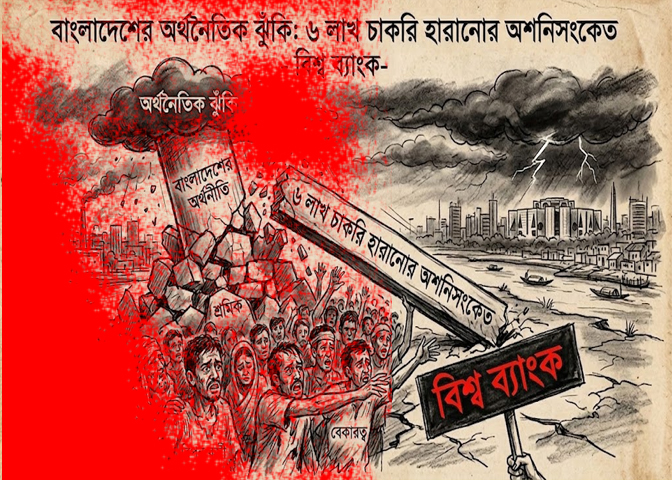
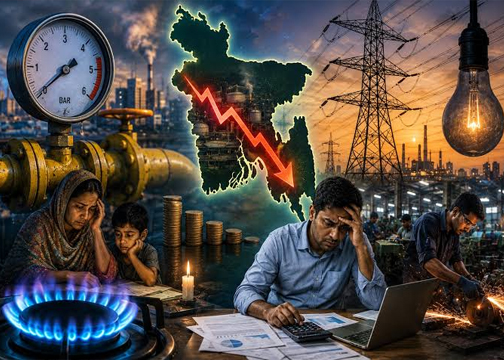
আমদানি-নির্ভর জ্বালানি সংকট, শিল্পকারখানায় উৎপাদন স্থবিরতা এবং অনিয়ন্ত্রিত মূল্যস্ফীতির সমন্বিত আঘাত এখন বাংলাদেশের অর্থনৈতিক অগ্রযাত্রাকে কঠিন চ্যালেঞ্জের মুখে ফেলেছে। মধ্যপ্রাচ্যের দীর্ঘায়িত সামরিক সংঘাত কেবল বিশ্ব বাজারকেই উত্তপ্ত করেনি, বরং এর পরোক্ষ ও প্রত্যক্ষ প্রভাব পড়তে শুরু করেছে বাংলাদেশের কৃষি, শ্রমবাজার এবং সর্বসাধারণের জীবনযাত্রার ওপর। বিশ্বব্যাংকের সর্বশেষ মূল্যায়নে সতর্ক করা হয়েছে—সংকট আরও দীর্ঘায়িত হলে বাংলাদেশে প্রায় ৬ লাখ মানুষ চাকরি হারানোর চরম ঝুঁকিতে পড়তে পারেন।
১. শ্রমবাজার ও দারিদ্র্য নিরসনে বড় ধাক্কা
বাংলাদেশ এমন এক সময়ে এই বৈশ্বিক দুর্যোগের সম্মুখীন হয়েছে, যখন দেশের অর্থনীতি ইতোমধ্যেই উচ্চ মূল্যস্ফীতি এবং ব্যাংকিং খাতের ভঙ্গুরতার কারণে চাপে ছিল। নতুন কর্মসংস্থান সৃষ্টি না হওয়ায় কর্মক্ষম জনগোষ্ঠীর বড় একটি অংশ এমনিতেই অনিশ্চয়তায় ভুগছে।
বিশ্বব্যাংকের হিসাব অনুযায়ী:
নতুন দরিদ্র: কেবল ২০২৫ সালেই নতুন করে দেশে দরিদ্র মানুষের সংখ্যা আনুমানিক ১৪ লাখ বেড়েছে।
দারিদ্র্যমুক্তির সূচকে স্থবিরতা: ২০২৬ সালে যুদ্ধ না থাকলে প্রায় ১৭ লাখ মানুষ দারিদ্র্যসীমা অতিক্রম করতে পারতেন, যা যুদ্ধের প্রভাবে হ্রাস পেয়ে মাত্র ৫ লাখে নেমে আসার আশঙ্কা রয়েছে। অর্থাৎ অন্তত ১২ লাখ মানুষ দারিদ্র্য থেকে বেরিয়ে আসার সুযোগ হারাচ্ছেন।
মল্যস্ফীতির দায়: সামগ্রিকভাবে দারিদ্র্য বাড়ার পেছনে প্রায় ১০ শতাংশ অবদান থাকবে নিত্যপণ্যের লাগামহীন দাম বৃদ্ধির।
তীব্র জ্বালানি সংকট ও ভর্তুকির চাপ
বাংলাদেশের মোট প্রাথমিক জ্বালানি চাহিদার অর্ধেকেরও বেশি মেটানো হয় গ্যাস দিয়ে। অথচ দেশীয় গ্যাস উৎপাদন ২০১৬ সালের শীর্ষ রেকর্ডের তুলনায় প্রায় ১৫ শতাংশ হ্রাস পেয়েছে। ঘাটতি মেটাতে গিয়ে অপরিশোধিত তেলের ৬০-৬৫ শতাংশ এবং এলএনজির (LNG) ৫৫-৬০ শতাংশ মধ্যপ্রাচ্য থেকে আমদানি করতে হচ্ছে।
আন্তর্জাতিক বাজারের অস্থিরতায় পেট্রোবাংলার ছয়টি এলএনজি চুক্তির পাঁচটিই 'ফোর্স মেজর' বা বাধ্যতামূলক স্থগিতের মুখে পড়ে। স্পট মার্কেটে এলএনজির দর প্রতি এমএমবিটিইউ ২৪ থেকে ২৮ ডলারে উঠে যাওয়ায় আমদানি ব্যয় দ্বিগুণেরও বেশি বৃদ্ধি পেয়েছে। ২০২৫-২৬ অর্থবছরে জ্বালানি খাতে সরকারের মোট ভর্তুকির চাপ ২.৫ বিলিয়ন থেকে ৪.৮ বিলিয়ন ডলারে (জিডিপির ২.৮%) পৌঁছাতে পারে, যা সার্বিক বাজেট শৃঙ্খলা ও উন্নয়ন ব্যয়কে চরম ঝুঁকিতে ফেলবে।
কৃষি, স্বাস্থ্যসেবা ও শিল্প উৎপাদনে বহুমুখী আঘাত
কৃষি ও সার সংকট: দেশের ৪০ শতাংশ মানুষ কৃষিনির্ভর। গ্যাস সংকটে দেশের ৬টি ইউরিয়া সার কারখানার ৫টিই বন্ধ থাকায় এবং আন্তর্জাতিক বাজারে ইউরিয়ার দাম ৩০ শতাংশের বেশি বৃদ্ধি পাওয়ায় কৃষিতে সার সরবরাহ অনিশ্চিত হয়ে পড়েছে।
স্বাস্থ্য খাত ও জনস্বাস্থ্য: প্রায় ১৯ হাজার সরকারি স্বাস্থ্যকেন্দ্র ও ৬,২০০ বেসরকারি হাসপাতালে নিরবচ্ছিন্ন বিদ্যুৎ না থাকায় উচ্চ খরচে জেনারেটর চালাতে হচ্ছে। পাশাপাশি ৯০% চিকিৎসা সরঞ্জাম ও ওষুধের কাঁচামাল আমদানিনির্ভর হওয়ায় স্বাস্থ্যসেবার ব্যয় নিয়ন্ত্রণের বাইরে চলে যাচ্ছে।
শিল্প ও শ্রমবাজার: সেন্টার ফর পলিসি ডায়ালগ (সিপিডি)-এর বিশিষ্ট ফেলো অধ্যাপক মোস্তাফিজুর রহমানের মতে, কারখানায় নতুন গ্যাস সংযোগ বন্ধ থাকা, কাজের সময়সূচি হ্রাস করা এবং অনেক কারখানা সাময়িক বা স্থায়ীভাবে বন্ধ হয়ে যাওয়ার ঘটনা ইতোমধ্যেই শ্রমবাজারে বিরূপ প্রভাব ফেলছে।
সব মিলিয়ে মধ্যপ্রাচ্যের এই সংঘাত কেবল একটি দূরবর্তী রাজনৈতিক ঘটনা নয়; এটি বাংলাদেশের নিম্ন ও নিম্ন-মধ্যবিত্ত মানুষের খাদ্য, কাজ ও স্বাস্থ্যের নিরাপত্তার ওপর সরাসরি হুমকি। অর্থনৈতিক স্থিতিশীলতা বজায় রাখতে এখনই জ্বালানি উৎসের বৈচিত্র্যায়ন, কৃষি উৎপাদন সচল রাখা এবং শ্রমভিত্তিক শিল্প সুরক্ষায় কৌশলগত পদক্ষেপ গ্রহণ করা জরুরি।
লেখক: ড. আবুল হাসনাৎ মিল্টন,সাংবাদিক, রাজনৈতিক বিশ্লেষক ও প্রধান সম্পাদক, দ্যা সোর্স নিউজ বাংলা (The Source News Bangla)
A combined hit from an import-dependent energy crisis, stagnation in industrial production, and unchecked inflation has now posed a severe challenge to Bangladesh's economic trajectory. The prolonged military conflict in the Middle East has not only heated up global markets, but its direct and indirect impacts are also beginning to reverberate across Bangladesh's agriculture, labor market, and general public living standards. The World Bank's latest assessment warns that if the crisis persists, nearly 600,000 people in Bangladesh could face an extreme risk of job loss.
1. Major Blow to Labor Market and Poverty Alleviation
Bangladesh faces this global crisis at a time when its domestic economy was already under pressure due to high inflation and vulnerabilities in the banking sector. With limited new employment generation, a significant portion of the working-age population is already grappling with uncertainty.
According to World Bank estimates:
Newly Impoverished: In 2025 alone, the number of impoverished people in the country increased by an estimated 1.4 million.
Stagnation in Poverty Reduction: Had there been no war in 2026, around 1.7 million people could have escaped poverty. However, due to the war's fallout, this figure risks dropping to just 500,000. This means at least 1.2 million people are losing the opportunity to rise out of poverty.
Role of Inflation: Uncontrolled price hikes of daily essentials will account for nearly 10% of the overall increase in poverty.
2. Severe Energy Crisis and Subsidy Pressures
More than half of Bangladesh's primary energy demand is met by natural gas. However, domestic gas production has declined by about 15% compared to its peak record in 2016. To bridge the gap, Bangladesh has to import 60-65% of its crude oil and 55-60% of its Liquefied Natural Gas (LNG) from the Middle East.
Driven by global market volatility, five out of Petrobangla's six long-term LNG supply contracts faced 'force majeure' (unforeseen suspension). With spot market LNG prices surging to $24–$28 per MMBtu—more than double previous rates—import costs have escalated dramatically. In the 2025–26 fiscal year, total government subsidy pressures in the energy sector could reach $2.5 billion to $4.8 billion (2.8% of GDP), putting overall budgetary discipline and development spending at critical risk.
3. Multifaceted Impact on Agriculture, Healthcare, and Industry
Agricultural and Fertilizer Crisis: Around 40% of the population relies on agriculture. Due to the gas shortage, 5 out of 6 urea fertilizer factories in the country have suspended operations. Combined with a over 30% rise in urea prices on the international market, fertilizer supply for agriculture has become increasingly precarious.
Healthcare Sector and Public Health: Nearly 19,000 public health centers and over 6,200 private hospitals and clinics are forced to operate costly backup generators due to lack of uninterrupted power. Furthermore, with 90% of medical equipment and pharmaceutical raw materials being import-dependent, healthcare costs are spiraling out of control.
Industry and Labor Market: According to Professor Mustafizur Rahman, Distinguished Fellow at the Centre for Policy Dialogue (CPD), factors such as the suspension of new gas connections to factories, reduced working hours, and temporary or permanent factory closures are already adversely impacting the labor market.
Ultimately, the conflict in the Middle East is not merely a distant geopolitical event; it presents a direct threat to the food security, livelihoods, and health of low- and lower-middle-income people in Bangladesh. To maintain economic stability, strategic measures—such as diversifying energy sources, sustaining agricultural production, and safeguarding labor-intensive industries—must be undertaken immediately.
Author: Dr. Abul Hasnat Milton, Journalist, Political Analyst, and Editor-in-Chief, The Source News Bangla