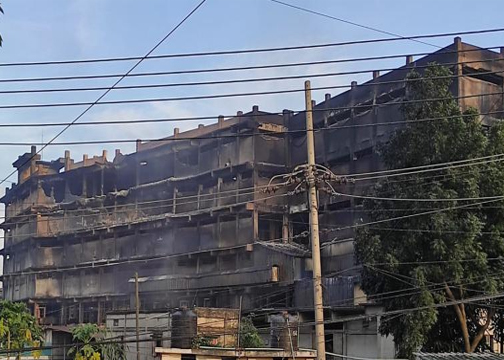
এমন পরিস্থিতিতে চরম দুর্ভোগে পড়েছেন সাধারণ মানুষ। কামরাঙ্গীরচরের অধিবাসী জয়তুর বিবি আকুতি জানিয়ে বলেন, "এখানে ১৪ ঘণ্টা বিদ্যুৎ থাকে না, শেখ হাসিনাকে পায়ে ধরে ফিরিয়ে আনুন। গ্রামের মানুষ, নারীরা চিৎকার করে বলছেন শেখ হাসিনা থাকতে, ঝড়ে তুফানেও বিদ্যুৎ থাকতো। বিল কম আসতো। গরীবের জন্য কম বিল। ইবলিশের বাচ্চারা হেরে খেদাইয়া না দেয় বিদ্যুৎ না দেয় খাওন..., গরীব মানুষ বাচে কেমনে? দয়া ক্ইইরা হেরে পায়ে ধইরা, তওবা কইরা, তারে ফিরাইয়া আনেন..., তইলে দেশের শান্তি, আমরাও জানে বাচি।" তাঁর এই বক্তব্যই বর্তমান বিদ্যুৎসংকটের ভয়াবহতা ও সাধারণ মানুষের সীমাহীন কষ্টের বাস্তব চিত্র তুলে ধরে।
বিগত দেড় দশকে আওয়ামী লীগ সরকারের আমলে বাংলাদেশের বিদ্যুৎ খাতে অভাবনীয় অবকাঠামোগত বিপ্লব ঘটেছে। শতভাগ বিদ্যুৎায়ন, প্রত্যন্ত অঞ্চলে গ্রিড সম্প্রসারণ, শত শত মেগাওয়াট সক্ষমতার আধুনিক পাওয়ার প্ল্যান্ট এবং উচ্চ ক্ষমতাসম্পন্ন সঞ্চালন লাইন নির্মাণের মাধ্যমে দেশীয় জ্বালানি খাতকে এক অভূতপূর্ব উচ্চতায় নিয়ে যাওয়া হয়েছে। তবে সাম্প্রতিক সময়ে বৈশ্বিক জ্বালানি সংকটের অনিশ্চয়তা, ভাসমান এলএনজি টার্মিনালে কারিগরি জটিলতা এবং কয়লা পরিবহনে বৈরী আবহাওয়ার কারণে দেশে বিদ্যুৎ উৎপাদনে এক সাময়িক ঘাটতি তৈরি হয়েছে, যার সরাসরি প্রভাব গিয়ে পড়েছে সাধারণ গ্রাহক ও শিল্প খাতে।
মেগা-অবকাঠামোর বিশাল সম্ভাবনা ও বর্তমান সংকটের চিত্র
আওয়ামী লীগ সরকারের মেয়াদের সবচেয়ে সাফল্যমণ্ডিত খাতের একটি ছিল বিদ্যুৎ ও জ্বালানি। কয়লাভিত্তিক পায়রা, রামপাল, এলএনজিভিত্তিক বৃহৎ বিদ্যুৎকেন্দ্র এবং বেসরকারি খাতের মাধ্যমে দেশের বিদ্যুৎ উৎপাদন সক্ষমতা ২৫ হাজার মেগাওয়াট ছাড়িয়ে যায়। তবে বর্তমান চিত্রটি এই সম্ভাবনার সাথে সাময়িক বৈপরীত্য তৈরি করেছে:
• উৎপাদন বন্ধ ও আংশিক সক্ষমতা: দেশে ৪১টি বিদ্যুৎকেন্দ্র মেরামত ও সরাসরি জ্বালানি সংকটের কারণে পুরোপুরি বন্ধ রয়েছে। চালু থাকা কেন্দ্রগুলোও জ্বালানির অভাবে তাদের সর্বোচ্চ উৎপাদন সক্ষমতা ব্যবহার করতে পারছে না।
• রেকর্ড লোডশেডিং: সামপ্রতিক সময়ে গ্রিডে সরবরাহের ঘাটতি বেড়ে গিয়ে গড়ে প্রায় ৩,০০০ মেগাওয়াটে পৌঁছেছে। গত রোববার দিবাগত রাত ১টায় সর্বোচ্চ লোডশেডিং রেকর্ড করা হয় ৩,৭৫৭ মেগাওয়াট।
• পূর্ববর্তী রেকর্ডের রূপরেখা: ২০২৩ সালের ২৭ জুন আওয়ামী লীগ সরকারের মেয়াদের অন্যতম সর্বোচ্চ লোডশেডিং ছিল ৩,৪১৯ মেগাওয়াট। বর্তমানের ঘাটতি সেই সূচককেও অতিক্রম করেছে।
জ্বালানি সরবরাহের দ্বিমুখী চাপ: গ্যাস ও কয়লা ঘাটতি
বিদ্যুৎ খাতের আধুনিক অবকাঠামো পুরোপুরি প্রস্তুত থাকা সত্ত্বেও প্রাথমিক জ্বালানির (Primary Energy) অপ্রতুলতার কারণে বিদ্যুৎ উৎপাদন সাময়িকভাবে থমকে গেছে।
গ্যাস সংকট ও এলএনজি টার্মিনালের অচলাবস্থা
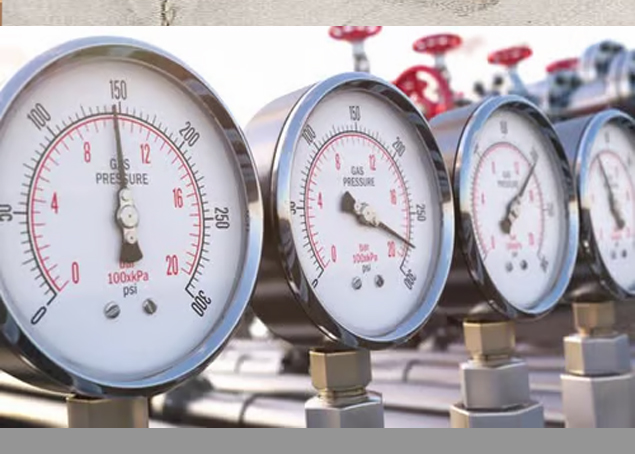
• চাহিদা ও সরবরাহের ফারাক: গ্যাসভিত্তিক বিদ্যুৎকেন্দ্রগুলোর দৈনিক ২৫২ কোটি ঘনফুট চাহিদার বিপরীতে বর্তমানে মাত্র ৭০ কোটি ঘনফুট সরবরাহ করা হচ্ছে, যা চাহিদার তিন-একংশের চেয়েও কম। ফলে একসময় গ্যাস দিয়ে যেখানে প্রায় ৫,০০০ মেগাওয়াট বিদ্যুৎ মিলত, তা বর্তমানে কমে ৩,৫০০–৪,০০০ মেগাওয়াটে নেমে এসেছে।
• ভাসমান টার্মিনালের ক্ষয়ক্ষতি: গত ২১ জুলাই মহেশখালীতে ‘এক্সিলারেট এনার্জি’র এফএসআরইউ (FSRU) ক্ষতিগ্রস্ত হলে দৈনিক ৬০ কোটি ঘনফুট গ্যাস সরবরাহ বন্ধ হয়ে যায়। বর্তমানে আংশিক মেরামতের পর ২৫ কোটি ঘনফুট পাওয়া গেলেও পূর্ণাঙ্গ সক্ষমতায় ফিরতে পেট্রোবাংলার আরও কয়েক দিন সময় লাগবে।
কয়লা খালাস ও বৈরী আবহাওয়ার ধাক্কা
• পটুয়াখালী ও আদানি পাওয়ার: ১,২০০ মেগাওয়াটের পটুয়াখালী তাপবিদ্যুৎকেন্দ্রের উৎপাদনে সমুদ্রের বৈরী আবহাওয়ার প্রভাব পড়েছে; কুতুবদিয়ায় বড় জাহাজ থেকে কয়লা খালাসে অতিরিক্ত সময় লাগছে। একইসাথে, ভারতের ঝাড়খণ্ডে বন্যার কারণে কয়লা ভিজে যাওয়ায় আদানি পাওয়ার থেকে সরবরাহ ১,৪০০ মেগাওয়াট থেকে কমে ৮০০–১,০০০ মেগাওয়াটে নেমে এসেছে।
• সক্ষমতা বনাম উৎপাদন: কয়লাভিত্তিক কেন্দ্রগুলোর মোট সক্ষমতা ৭,৯৪৫ মেগাওয়াট হলেও রামপাল ও বড়পুকুরিয়ায় প্রযুক্তিগত ও কয়লা ঘাটতির কারণে বর্তমানে প্রায় ৫,৫০০ মেগাওয়াট বিদ্যুৎ উৎপাদিত হচ্ছে।
৩. জনজীবন ও অর্থনীতিতে সাময়িক প্রভাব
উৎপাদন ঘাটতির প্রধান খেসারত দিতে হচ্ছে পল্লী এলাকা ও প্রান্তিক ব্যবসা-বাণিজ্যকে:
• জনভোগান্তি: গ্রামীণ এলাকায় দিন-রাতে ১০ থেকে ১২ ঘণ্টা পর্যন্ত বিদ্যুৎ থাকছে না। প্রচণ্ড তাপদাহে সাধারণ মানুষ, শিক্ষার্থী ও হাসপাতালের রোগীদের জীবনযাত্রা চরম ব্যাহত হচ্ছে।
• শিল্প উৎপাদনে স্থবিরতা: রূপগঞ্জ, আড়াইহাজার ও সিলেটের শিল্পাঞ্চলগুলোতে বিদ্যুৎ বিপর্যয়ের কারণে জেনারেটরের ওপর নির্ভরতা বাড়ছে। জেনারেটরে তেল ব্যবহারের কারণে উৎপাদনে খরচ অস্বাভাবিকভাবে বৃদ্ধি পাচ্ছে এবং উৎপাদন লাইন বারবার বন্ধ হওয়ায় বৈশ্বিক প্রতিযোগিতায় শিল্প মালিকরা চ্যালেঞ্জের মুখে পড়ছেন।
৪. সংকট উত্তরণে সরকারের গৃহীত ব্যবস্থা ও সময়সূচি
বিদ্যুৎ ঘাটতি সামলাতে সরকার ও বিদ্যুৎ বিভাগ সমন্বিত উদ্যোগ গ্রহণ করেছে:
• জরুরি গ্যাস পুনঃবণ্টন: বিদ্যুৎ সচিবের হস্তক্ষেপে পেট্রোবাংলা থেকে দ্রুত উৎপাদনে যেতে সক্ষম কেন্দ্রগুলোতে অগ্রাধিকার ভিত্তিতে গ্যাস বরাদ্দ বাড়ানো হচ্ছে।
• তেলভিত্তিক বিদ্যুৎ উৎপাদন (HFO/HSD): গ্যাস ও কয়লার শূন্যতা পূরণে ব্যয়বহুল তেলভিত্তিক প্ল্যান্টগুলো চালু করা হয়েছে। যদিও এতে ভর্তুকি ও পরিচালন ব্যয় বাড়ছে, তবু লোডশেডিং সীমিত রাখতে একে জরুরি সমাধান হিসেবে দেখা হচ্ছে।
• অবকাঠামোগত গতিশীলতা: আড়াইহাজারে নির্মাণাধীন ১৩২/৩৩ কেভি গ্রিড উপকেন্দ্র দ্রুত চালুর লক্ষ্যে কোরীয় প্রকৌশলী দলকে যুক্ত করার কাজ চলছে, যা চালুর পর ভূলতা গ্রিডের ওপর চাপ কমবে।
• আশাবাদ: বিদ্যুৎ উন্নয়ন বোর্ড (PDB) এবং পেট্রোবাংলার তথ্য মতে, এলএনজি টার্মিনালে পূর্ণ সরবরাহ ফিরলে এবং কয়লা আনলোডিং স্বাভাবিক হলে আগামী ২–৩ দিনের মধ্যে বিদ্যুৎ পরিস্থিতির দৃশ্যমান উন্নতি ঘটবে।
• ১. দেশীয় গ্যাস অনুসন্ধানে গতি: আমদানিকৃত এলএনজি ও আন্তর্জাতিক বাজারের ঘনঘন মূল্য ওঠানামার ঝুঁকি থেকে বাঁচতে দ্রুত দেশীয় অফশোর ও অনশোর গ্যাস অনুসন্ধানে অর্থায়ন বাড়াতে হবে।
২. নবায়নযোগ্য জ্বালানির সম্প্রসারণ: রূপপুর পারমাণবিক কেন্দ্র চালুর পাশাপাশি সৌরবিদ্যুৎ উৎপাদন বাড়িয়ে জাতীয় গ্রিডে বেস-লোড সরবরাহ নিশ্চিত করতে হবে।
৩. সঞ্চালন লাইন সংস্কার: জাতীয় গ্রিড চালুর পাশাপাশি স্থানীয় অঞ্চলের উপকেন্দ্র (যেমন আড়াইহাজারের কাজ) দ্রুত শেষ করে বিদ্যুৎ বিতরণের অপচয় ও কারিগরি ত্রুটি কমাতে হবে।
আওয়ামী লীগ সরকারের হাত ধরে বিদ্যুৎ খাতে যে অভূতপূর্ব সক্ষমতা তৈরি হয়েছে, তা অস্বীকার করার সুযোগ নেই। বর্তমান বিদ্যুৎ সংকটটি প্রধানত অবকাঠামোগত ব্যর্থতা নয়, বরং জ্বালানি সরবরাহ ব্যবস্থার এক সাময়িক অচলাবস্থা। আন্তর্জাতিক ও স্থানীয় পর্যায়ে কৌশলগত জ্বালানি নিরাপত্তা নিশ্চিত করা গেলে খুব দ্রুতই এই অচল অবস্থা কেটে যাবে এবং দেশের বিদ্যুৎ খাত পুনরায় পূর্ণ সক্ষমতায় ফিরে আসবে।
লেখক: ড.আবুল হাসনাৎ মিল্টন, সাংবাদিক,রাজনৈতিক বিশ্লেষক ও প্রধান সম্পাদক,দ্যা সোর্স নিউজ বাংলা
Under these circumstances, common people have fallen into severe suffering. Joytur Bibi, a resident of Kamrangirchar, appealed, "There is no electricity here for 14 hours. Bring Sheikh Hasina back by falling at her feet. People in the villages and women are crying out that during Sheikh Hasina's time, there was electricity even during storms and tempests. The bills were lower—lower bills for the poor. After the devils chased her away, they neither give electricity nor food... How will poor people survive? Please, fall at her feet, seek forgiveness, and bring her back... then there will be peace in the country, and we too will survive." Her statement highlights the severity of the current power crisis and the realistic picture of the limitlessly suffering public.
Over the past decade and a half, during the tenure of the Awami League government, an unprecedented infrastructural revolution took place in Bangladesh's power sector. Through 100% electrification, grid expansion in remote regions, modern power plants with hundreds of megawatts of capacity, and the construction of high-capacity transmission lines, the domestic energy sector was taken to an unprecedented height. However, due to recent uncertainties in the global energy crisis, technical complications in floating LNG terminals, and adverse weather conditions affecting coal transport, a temporary power generation deficit has been created in the country, directly impacting general consumers and the industrial sector.
Mega-Infrastructure's Vast Potential and the Picture of the Current Crisis
One of the most successful sectors during the tenure of the Awami League government was power and energy. Through coal-based Payra and Rampal, large LNG-based power plants, and the private sector, the country's power generation capacity crossed 25,000 MW. However, the current picture presents a temporary contrast to this potential:
• Shutdowns and Partial Capacity: 41 power plants in the country are completely shut down due to maintenance and direct fuel shortages. Even operational plants cannot utilize their maximum generation capacity due to a lack of fuel.
• Record Load Shedding: Recently, the grid supply deficit increased to an average of nearly 3,000 MW. Last Sunday at 1:00 AM, peak load shedding was recorded at a maximum of 3,757 MW.
• Outline of Previous Records: On June 27, 2023, one of the highest recorded levels of load shedding during the Awami League government's tenure was 3,419 MW. The current deficit has crossed that index as well.
Two-Pronged Pressure on Fuel Supply: Gas and Coal Shortages
Despite the complete readiness of modern infrastructure in the power sector, power generation has temporarily stalled due to the insufficiency of primary energy.
Gas Crisis and Floating Terminal Stagnation
• Gap Between Demand and Supply: Against a daily demand of 2,520 million cubic feet for gas-based power plants, currently only 700 million cubic feet is being supplied, which is less than a third of the demand. As a result, where gas once generated nearly 5,000 MW of electricity, it has now dropped to 3,500–4,000 MW.
• Damage to Floating Terminal: On July 21, when Excelerate Energy's FSRU in Moheshkhali was damaged, a supply of 600 million cubic feet of gas per day was halted. Currently, after partial repairs, 250 million cubic feet is available, but Petrobangla will need a few more days to return to full capacity.
Coal Unloading and the Impact of Adverse Weather
• Patuakhali and Adani Power: The generation at the 1,200 MW Patuakhali thermal power plant has been affected by adverse sea weather; unloading coal from large ships at Kutubdia is taking extra time. Concurrently, due to flooding in Jharkhand, India, coal got wet, causing the supply from Adani Power to drop from 1,400 MW down to 800–1,000 MW.
• Capacity vs. Generation: Although the total capacity of coal-based plants is 7,945 MW, currently around 5,500 MW of electricity is being generated due to technical and coal shortages at Rampal and Barapukuria.
3. Temporary Impact on Public Life and the Economy
Rural areas and marginal businesses are paying the main price for the generation deficit:
• Public Suffering: In rural areas, there is no electricity for 10 to 12 hours during the day and night. In extreme heatwaves, the daily lives of general citizens, students, and hospital patients are severely disrupted.
• Stagnation in Industrial Production: Due to power disruptions in the industrial zones of Rupganj, Araihazar, and Sylhet, reliance on generators is increasing. Using fuel for generators is abnormally raising production costs, and because production lines are shutting down repeatedly, industrial owners are facing challenges in global competition.
4. Government Measures and Timelines to Overcome the Crisis
The government and the Power Division have taken coordinated initiatives to manage the power shortage:
• Emergency Gas Reallocation: Through the intervention of the Power Secretary, gas allocation is being prioritized and increased for plants capable of quick production from Petrobangla.
• Oil-Based Power Generation (HFO/HSD): Expensive oil-based plants have been started to fill the gap left by gas and coal. Although this increases subsidies and operating costs, it is viewed as an emergency solution to limit load shedding.
• Infrastructural Dynamics: Work is underway to involve a Korean engineering team to quickly commission the under-construction 132/33 kV grid substation in Araihazar, which will reduce pressure on the Bhulta grid once functional.
• Optimism: According to information from the Power Development Board (PDB) and Petrobangla, once full supply returns to the LNG terminal and coal unloading normalizes, a visible improvement in the power situation will occur within the next 2–3 days.
1. Acceleration of Domestic Gas Exploration: To avoid risks associated with imported LNG and frequent price fluctuations in the international market, funding for domestic offshore and onshore gas exploration must be increased rapidly.
2. Expansion of Renewable Energy: Along with starting the Rooppur Nuclear Power Plant, solar power generation must be increased to ensure base-load supply to the national grid.
3. Transmission Line Renovation: Alongside operating the national grid, local regional substations (such as the work in Araihazar) must be completed quickly to reduce power distribution wastage and technical faults.
There is no scope to deny the unprecedented capacity created in the power sector under the leadership of the Awami League government. The current power crisis is not primarily an infrastructural failure, but rather a temporary deadlock in the fuel supply system. If strategic energy security is ensured at both international and local levels, this deadlock will be resolved very quickly, and the country's power sector will return to full capacity.
Author: Dr. Abul Hasnat Milton, Journalist, Political Analyst, and Editor-in-Chief, The Source News Bangla