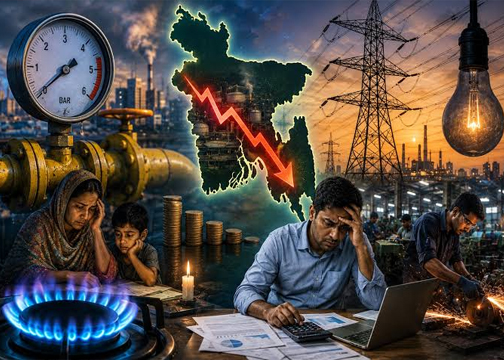
রাজধানীর সাধারণ মানুষের ঘরের কোণে, চায়ের কাপে কিংবা ব্যস্ত বাস স্ট্যান্ডে এখন একটাই হা-হুতাশ—এই সরকার আসলে কোথায় আছে? গ্যাস নেই, বিদ্যুতের লুকোচুরি থামছেই না, আর রাজপথে বের হলেই কেটে যায় জীবনের মূল্যবান ঘণ্টাগুলো। অথচ ক্ষমতার মসনদে বসে থাকা মানুষগুলোর যেন কোনো অনুশোচনা নেই; তারা ব্যস্ত ক্ষমতার সমীকরণ আর ভাগ-বাটোয়ারার অঙ্ক মেলাতে। খেটে খাওয়া আর মধ্যবিত্ত মানুষের এই নিষ্পেষণ দেখার মতো সময় বা বিবেক, দুটোরই আজ চরম দুর্ভিক্ষ চলছে।
মহেশখালীর ভাসমান এলএনজি টার্মিনালে সামান্য কারিগরি ত্রুটি হলেই পুরো দেশজুড়ে অন্ধকারের ছায়া নেমে আসে, গ্যাস উধাও হয়ে যায়। তার মানে কি এই দেশের জ্বালানি নিরাপত্তা সুতোর ওপর ঝুলছে? বছর ঘুরে দিন যায়, সরকারের তরফ থেকে আসে সেই একই পুরোনো অজুহাত। কোনো বিকল্প ব্যবস্থা গড়ে তোলার দূরদর্শিতা বা সদিচ্ছা কারো ছিল না। ২০২৬ সালের এই আধুনিক যুগে এসে শহরের মানুষকে আবার লাকড়ির চুলায় ছাই-ধোঁয়ায় রান্নাবান্না করতে হচ্ছে—একটি সভ্য জাতির জন্য এর চেয়ে লজ্জার আর কী হতে পারে?
গ্যাস না থাকায় মাঝরাত কিংবা ভোর চারটা থেকে সিএনজি ফিলিং স্টেশনগুলোতে গাড়ির দীর্ঘ সারি জমে ওঠে। ঘণ্টার পর ঘণ্টা, কখনো ছয় ঘণ্টা দাঁড়িয়ে মাত্র ১৭৯ টাকার গ্যাস নিতে হয়। এরপর সামান্য একটু চালিয়েই আবার সেই লাইনে ফেরা। একজন চালকের পুরো দিনটাই কেেট যায় শুধু গ্যাসের খোঁজে। দিন শেষে ঘরে নেওয়ার মতো চাল-ডাল কেনার রোজগারটুকু আর জমে না, উল্টো জমতে থাকে গাড়ির কিস্তির বকেয়া টাকা। সংসারের অভাব আর ঋণের বোঝা তাদের তাড়িয়ে বেড়ায়, আর সরকারের দিক থেকে মেলে শুধুই ফাঁকা আশ্বাস—'অপেক্ষা করুন'। কিন্তু খিদে আর পাওনাদার তো অপেক্ষা বোঝে না।
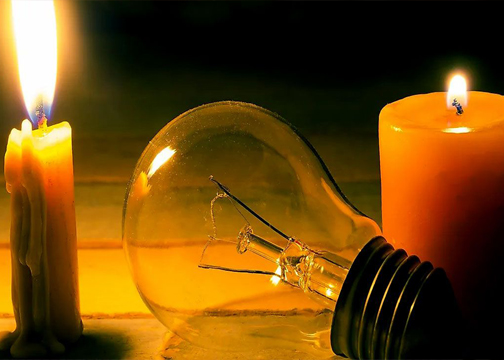
বিদ্যুতের অবস্থাও আজ এক বিভীষিকা। বৈশাখের কাঠফাটা গরমে রাত বাড়ে, আর সেই সাথে বাড়ে অন্ধকারের ব্যাপ্তি। ছোট বাচ্চার পড়ার টেবিল থেকে শুরু করে অসুস্থ বৃদ্ধ বাবা-মায়ের ঘর—সবখানেই লোডশেডিংয়ের যন্ত্রণা। ডিপিডিসি আর ডেসকো মিলিয়ে শত শত মেগাওয়াট ঘাটতির হিসাব মেলানো হচ্ছে, রাত বাড়লে নাকি সেই ঘাটতি আরও প্রকাট হবে। অথচ ক্ষমতায় বসার আগে কত শত রূপকথার গল্প শোনানো হয়েছিল, কত সুন্দর ভবিষ্যতের মিথ্যা আশ্বাসের ফুলঝুরি ছড়ানো হয়েছিল! সেই সব রাজনৈতিক চাপাবাজি ও বুলি আজ শুধুই অন্ধকারের গহ্বরে হারিয়ে গেছে।
রাজপথের নরকযন্ত্রণা কোনো অংশে কম নয়। সামান্য বৃষ্টি হলেই কাদা ও নোংরা পানির জলাবদ্ধতা, তার ওপর আবার সভা-সমাবেশ কিংবা ওয়াজ-মাহফিলের নামে রাস্তা বন্ধ করে দেওয়া যেন প্রতিদিনের নিয়ম। যাত্রাবাড়ী, দয়াগঞ্জ কিংবা কুড়িল বিশ্বরোডের মূল রাস্তায় স্টেজ বেঁধে রাজত্ব চালানো হয়, আর ঘণ্টার পর ঘণ্টা হাজার হাজার মানুষ অবরুদ্ধ হয়ে দাঁড়িয়ে থাকে। প্রশাসন যেন নিছক দর্শক, ট্রাফিক পুলিশ অসহায় ভঙ্গিতে কেবল 'রিপোর্ট দেব' বলে দায় সারে। কিন্তু এই সরকারি রিপোর্টে কি গ্যাস আসবে? ঘরে আলো জ্বলবে? নাকি পথের এই দমবন্ধ করা যানজট কমবে?
ইতিহাসের পাতা উল্টালে ২০০১ থেকে ২০০৬ সালের সেই চেনা দুঃস্বপ্নই আবার চোখের সামনে ভেসে ওঠে। বিএনপি-জামায়াত জোট সরকারের সেই আমলে হাওয়া ভবনের লুটপাট, তীব্র জ্বালানি সংকট আর পদে পদে জনদুর্ভোগে মানুষ হাঁপিয়ে উঠেছিল। ২০২৬ সালে এসেও সেই একই নির্মম চেহারার মুখোমুখি আজকের বাংলাদেশ। দুঃখের কথা বলতে যে কোথাও দাঁড়াবে, সেই জায়গাটুকুও আজ বন্ধ; কারণ এই প্রশাসনিক অরাজকতায় কোনো জবাবদিহিতা নেই, দায়িত্ব নেওয়ার মতো কেউ নেই।
দেশের নাগরিকেরা ঘাম ঝরানো আয়ের ওপর নিয়মিত কর দেয়, ইউটিলিটি বিল পরিশোধ করে। তার বিনিময়ে রাষ্ট্র থেকে মৌলিক সেবা পাওয়ার অধিকার তাদের জন্মগত। কিন্তু আজ মৌলিক সেবা তো দূরের কথা, জীবন ধারণের ন্যূনতম উপায়—রান্নার গ্যাস, রাতের বিদ্যুৎ আর রাস্তায় স্বাভাবিকভাবে চলাচল করার মতো মৌলিক মানবিক অধিকারগুলো আজ জিম্মি করা হয়েছে। আর এই পুরো অবক্ষয়ের মাঝে সরকারের এই নীরবতা ও উদাসীনতা মানুষের যন্ত্রণা আর ক্ষোভকে প্রতিদিন দ্বিগুণ করে তুলছে।
শান্তিনগরের নাসরিন আক্তার গ্যাসের অভাবে বাধ্য হয়ে ইলেকট্রিক চুলা কিনেছিলেন, কিন্তু লোডশেডিংয়ের কারণে সেটিও এখন ঘরের কোণে এক টুকরো অপ্রয়োজনীয় আসবাব। বাড্ডার আরিফা আক্তার আজ আধুনিক ফ্ল্যাটে লাকড়ির ধোঁয়ায় চোখ ভাসিয়ে রান্না করছেন, আর বনশ্রীর মিঠি চৌধুরীর পুরো পরিবার আজ হোটেলের বাসি-পচা খাবারের ওপর ভরসা করে দিন কাটাচ্ছে। এই হাজারও নাসরিন, আরিফা আর মিঠিদের কান্নার আওয়াজ কি ক্ষমতার উচ্চ দেয়ালে পৌঁছায়? পৌঁছালেও কি সেই কোলাহলে তাদের মনোযোগ আছে, নাকি তারা আজও ক্ষমতার ভাগ-বাটোয়ারার মোহেই অন্ধ হয়ে থাকবেন?
রাজধানীর বাইরে পুরো দেশের দৃশ্যপট আরও করুণ। গ্রামের পর গ্রাম প্রতিদিন দীর্ঘ সময় অন্ধকারে নিমজ্জিত থাকে। বিদ্যুৎ না থাকায় ছোট ছোট কুটির শিল্প ও কলকারখানাগুলো চিরতরে বন্ধ হওয়ার উপক্রম হয়েছে, মাঠে সেচ দিতে না পেরে কৃষকের স্বপ্নের ফসল আজ রোদে পুড়ে ছাই হচ্ছে। অথচ এতকিছুর পরও দায়িত্বশীলদের মুখ থেকে নির্লজ্জের মতো উচ্চারণ হয়—'পরিস্থিতি নিয়ন্ত্রণে আছে'। দেশবাসী জানতে চায়, পরিস্থিতি কার নিয়ন্ত্রণে? জনগণ তো প্রতিদিন দেখছে এক ধ্বংসের চিত্র, যা নিয়ন্ত্রণ হারিয়ে আরও এক গভীর অন্ধকারে তলিয়ে যাচ্ছে।
লেখক: ড. আবুল হাসনাৎ মিল্টন,সাংবাদিক, রাজনৈতিক বিশ্লেষক ও প্রধান সম্পাদক, দ্যা সোর্স নিউজ বাংলা (The Source News Bangla)
In every corner of the capital’s homes, over cups of tea, or at busy bus stops, one single question echoes everywhere: where is the government? There is no gas, load-shedding is relentless, and setting foot on the streets costs hours of valuable life. Yet, those in the corridors of power seem to feel no remorse; they remain absorbed in the math of power dynamics and political bargaining. Today, there is a severe bankruptcy of both time and conscience to witness the suffering of working-class and middle-class people.
A minor technical glitch at the floating LNG terminal in Maheshkhali casts a shadow of darkness over the entire country, making gas disappear instantly. Does this mean the nation’s energy security is hanging by a thin thread? Year after year, the same old excuses come from the government. No one had the foresight or goodwill to build an alternative infrastructure. In this modern era of 2026, city dwellers are forced to cook over firewood amid smoke and ashes—what could be more shameful for a civilized nation?
Due to the gas crisis, long queues of vehicles begin forming at CNG filling stations from midnight or 4:00 AM. Drivers stand in line for hours—sometimes up to six hours—just to get gas worth 179 BDT. After driving for a short distance, they must return to that very queue. A driver's entire day is spent searching for gas. At the end of the day, they lack enough earnings to buy basic groceries like rice and lentils, while unpaid car installments keep piling up. Household poverty and the burden of debt haunt them, while the government offers nothing but empty assurances: "Please wait." But hunger and creditors do not understand waiting.
The electricity situation has also turned into a nightmare. In the scorching heat of the summer month of Baishakh, as the night deepens, the extent of darkness expands. From a young child’s study table to the room of an ill, elderly parent, the agony of load-shedding is omnipresent. DPDC and DESCO together are reconciling calculations of hundreds of megawatts in deficits, warning that the shortfall will become even more severe as the night progresses. Yet, before coming to power, so many fairy tales were told, and a barrage of false promises for a bright future was spread! All those political rants and slogans are now lost in the depths of darkness.
The agony of the streets is no less severe. A little rain leads to waterlogging with mud and filthy water, compounded by road blockades in the name of political rallies or religious gatherings, which seem to be a daily routine. Stages are set up right on the main roads of Jatrabari, Dayaganj, or Kuril Bishwa Road, holding thousands of people captive for hours. The administration acts as a mere spectator, while traffic police helplessly brush off responsibility by saying, "We will submit a report." But will this government report bring gas? Will it light up homes? Or will it ease this suffocating traffic congestion on the roads?
Turning back the pages of history brings back that familiar nightmare of 2001 to 2006 right before our eyes. During that era of the BNP-Jamaat coalition government, people were suffocated by the plunder of Hawa Bhaban, severe energy crises, and constant public suffering at every step. Even in 2026, today’s Bangladesh stands face-to-face with that same cruel reality. Wherever one stands to voice sorrow, that space is closed off today; because in this administrative chaos, there is no accountability, nor is there anyone to take responsibility.
Citizens regularly pay taxes from their hard-earned income and clear their utility bills. In return, receiving basic public services from the state is their birthright. But today, far from basic services, the minimum means of survival—cooking gas, nighttime electricity, and basic human rights like normal movement on the streets—have been taken hostage. Amidst this overall decay, the government's silence and indifference double the pain and anger of the people every single day.
Nasrin Akter of Shantinagar was forced to buy an electric stove due to the lack of gas, but owing to load-shedding, it now sits as a useless piece of furniture in a corner of her house. Arifa Akter of Badda cooks today in a modern apartment with eyes tearing up from firewood smoke, while Mithi Chowdhury’s whole family in Banasree relies on stale, spoiled hotel food daily. Does the sound of crying from thousands of Nasrins, Arifas, and Mithis reach the high walls of power? Even if it does, do they care to listen amidst the noise, or will they remain forever blinded by the obsession with power-sharing?
Outside the capital, the scenario across the country is even more tragic. Village after village remains submerged in darkness for hours every day. Lacking electricity, small cottage industries and factories are on the verge of closing permanently, and due to an inability to irrigate fields, farmers' dream crops are burning to ashes under the sun. Yet, despite all this, those in authority shamelessly announce, "The situation is under control." The nation wants to know: under whose control is the situation? The public witnesses a picture of destruction every day, spiraling out of control and sinking into an even deeper darkness.
Author: Dr. Abul Hasnat Milton, Journalist, Political Analyst, and Editor-in-Chief, The Source News Bangla