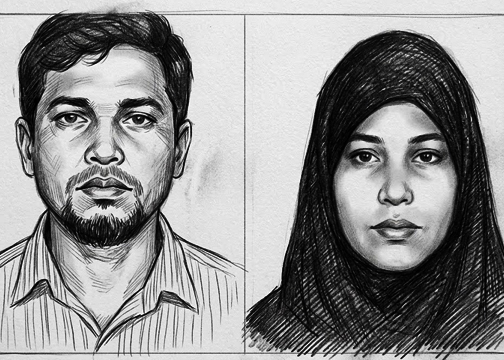
১৪ অক্টোবর, বুধবার। মক্কা অঞ্চলে দুজন বাংলাদেশি মানুষের জীবন প্রদীপ নিভে গেল—কার্যকর হলো মৃত্যুদণ্ড। তাঁদের নাম নজরুল ইসলাম আর সিতি আখতার, যাঁকে অনেকে চেনেন সুইটি আখতার নামে।
নজরুলের বয়স ছিল মাত্র ২৫। ব্রাহ্মণবাড়িয়া সদরের সুলতানপুর ইউনিয়নের বিরামপুর গ্রামের যে মাটির পথে একসময় তিনি হেঁটে বেড়াতেন, আজ সেখানে শুধু এক শূন্যতা আর নীরবতা। হয়নি কোনো শেষ বিদায়, দেখা হয়নি প্রিয়মুখগুলোর সঙ্গে।
সৌদি স্বরাষ্ট্র মন্ত্রণালয়ের দাবি, মক্কার একটি মসজিদে তাঁরা "অনৈতিক কাজ" করেছিলেন। কিন্তু সেই কাজের সুনির্দিষ্ট কোনো বিবরণ দেওয়া হয়নি। তাযির বিধানে বিচারকের নিজস্ব বিবেচনায় এই মৃত্যুদণ্ড কার্যকর করা হয়েছে—টুকরো করে কেবল এটুকুই জানা গেছে।
এর পরের অধ্যায়টি আরও মর্মান্তিক। জেদ্দায় বাংলাদেশ কনস্যুলেট জানিয়েছে, দণ্ড কার্যকরের আগে তাঁদের কিছুই জানানো হয়নি। অথচ বাংলাদেশ ও সৌদি আরব—দুটি দেশই 'ভিয়েনা কনভেনশন অন কনস্যুলার রিলেশন্স'-এর স্বাক্ষরকারী। এই আন্তর্জাতিক চুক্তি অনুযায়ী, বিদেশের মাটিতে কোনো নাগরিক গ্রেপ্তার হলে নিজ দেশের দূতাবাসের সঙ্গে যোগাযোগের অধিকার তাঁর রয়েছে।
তাহলে প্রশ্ন থেকেই যায়—তাঁরা কি আদৌ কোনো আইনজীবী পেয়েছিলেন? রায়ের বিরুদ্ধে উচ্চ আদালতে আপিল করার সুযোগ কি তাঁদের দেওয়া হয়েছিল? দীর্ঘ বিচার প্রক্রিয়ার মাসগুলোতে কি কেউ তাঁদের পাশে এসে দাঁড়িয়েছিল? তাঁদের অভিবাসন-অবস্থা কেমন ছিল বা কত দিন ধরে তাঁরা সেখানে ছিলেন, তার কোনো স্পষ্ট উত্তর আজও নেই। যদিও নজরুলের গ্রামের একটি সূত্র ও পরিবারের উদ্ধৃতি বলছে, ২০২২ সাল থেকেই তিনি সৌদি কারাগারে বন্দি ছিলেন এবং সেখানে শ্রমিকের কাজ করতেন।
প্রবাসীদের জীবন সংগ্রামের গল্প আমাদের অজানা নয়। দূর প্রবাসে হাড়ভাঙা পরিশ্রম করে যারা দেশে বৈদেশিক মুদ্রা পাঠান, তাঁদের একমাত্র ভরসার জায়গা হলো—বিপদের দিনে নিজ দেশের সরকার ও দূতাবাস তাঁদের পাশে থাকবে। কিন্তু সেই আস্থার জায়গায় যখন ফাটল ধরে, তখন সামাজিক মাধ্যমে ক্ষোভের আগুন জ্বলে ওঠুটাই স্বাভাবিক।
তথ্য বলছে, চলতি বছরের প্রথম ৯ মাসেই কেবল সৌদি আরব থেকে দেশে ফিরতে বাধ্য হয়েছেন ৯৭৯ জন নারী কর্মী। এর বড় একটি অংশই সেখানে শারীরিক ও যৌন নির্যাতনের শিকার হয়েছিলেন বলে অভিবাসন ডেস্কের রেকর্ডে উল্লেখ রয়েছে। কিন্তু অত্যন্ত দুঃখজনক হলেও সত্য, এসব নির্যাতনের ঘটনায় কোনো সৌদি নাগরিকের বিচার বা শাস্তির নজির খুব একটা দেখা যায় না। আর ঠিক এই বৈষম্য থেকেই প্রবাসীদের বুক জমে থাকা ক্ষোভ এই ঘটনায় বিস্ফোরিত হচ্ছে।
সৌদি আরবের নিজস্ব আইনে বিচার করার সার্বভৌম অধিকার রয়েছে, এটি অস্বীকার করার উপায় নেই। কিন্তু একটি তাজা প্রাণ কেড়ে নেওয়ার আগে নিজ দেশের দূতাবাসকে অবহিত করা এবং আসামিকে আইনি সহায়তার সুযোগ দেওয়া—সেটি তো কেবল আন্তর্জাতিক নিয়ম নয়, ন্যূনতম মানবতার দাবিও বটে। এই সুনির্দিষ্ট অধিকারগুলো নিশ্চিত না হলে, কাঠামোগত শাস্তি যাই হোক না কেন, বিচার ব্যবস্থার ওপর মানুষের আস্থা চিরতরে ভেঙে যায়।
নজরুল আর সিতি আর কখনো ফিরবেন না। কিন্তু তাঁদের এই মর্মান্তিক বলিদানের বিনিময়ে আমরা অন্তত এইটুকু দাবি করতেই পারি—আর কোনো বাংলাদেশির কপালে যেন এমন অসহায় নীরবতা না জোটে। কনস্যুলার সহায়তা যেন ঘটনার আকস্মিকতার শিকার হওয়ার পরে নয়, বরং বিপদের শুরুতেই পৌঁছায়।
লেখক: বাদল চাকলাদার,কলামিস্ট ও রাজনৈতিক বিশ্লেষক
Wednesday, October 14. In the Makkah region, the life lights of two Bangladeshi individuals were extinguished—their death sentences executed. Their names were Nazrul Islam and Siti Akhtar, whom many knew as Sweety Akhtar.
Nazrul was only 25 years old. On the dirt paths of Birampur village in the Sultanpur Union of Brahmanbaria Sadar, where he once walked, there remains today only an empty void and silence. There was no final farewell, no last glance at beloved faces.
The Saudi Ministry of Interior claimed that they had committed "immoral acts" inside a mosque in Makkah. However, no specific details of those acts were provided. The death sentence was executed under the provision of Tazir (discretionary punishment) at the sole discretion of the judge—this fragmented piece of information is all that has been learned.
The chapter that follows is even more tragic. The Bangladesh Consulate in Jeddah stated that they were informed of nothing prior to the execution of the sentence. Yet both Bangladesh and Saudi Arabia are signatories to the Vienna Convention on Consular Relations. Under this international treaty, if a citizen is arrested on foreign soil, they possess the right to contact the embassy of their home country.
Thus, serious questions remain: Did they receive any legal representation at all? Were they granted the opportunity to appeal the verdict to a higher court? Did anyone stand by their side during the long months of the judicial process? What was their immigration status, or how long had they been there? There are still no clear answers to these questions. However, a source from Nazrul's village citing his family indicates that he had been detained in a Saudi prison since 2022, where he worked as a laborer.
The struggles of expatriate lives are not unknown to us. For those who endure backbreaking toil in distant foreign lands to send foreign currency back home, their sole anchor of hope is that their country's government and embassy will stand beside them in times of danger. But when cracks appear in that trust, it is only natural for flames of outrage to erupt across social media.
Data reveals that in the first 9 months of this year alone, 979 female workers were forced to return home from Saudi Arabia. Immigration desk records note that a large portion of them had been victims of physical and sexual abuse there. Yet, however tragic it may be, instances of a Saudi citizen being tried or punished for such abuses are virtually non-existent. It is precisely from this discrimination that the accumulated anger in the hearts of expatriates is exploding over this incident.
There is no denying that Saudi Arabia possesses the sovereign right to adjudicate under its own laws. However, informing the embassy of the accused's home country and granting the defendant access to legal assistance before taking away a fresh human life is not merely an international rule—it is a baseline requirement of humanity. If these specific rights are not guaranteed, then regardless of the structural punishment, public faith in the justice system shatters forever.
Nazrul and Siti will never return. But in exchange for their tragic sacrifice, we can demand at least this much—that no other Bangladeshi meets such helpless silence. Consular assistance must not arrive after becoming a casualty of a sudden tragedy, but at the very onset of danger.
Author: Badal Chaklader, Columnist and Political Analyst