রাষ্ট্র যখন কথা বলে, তখন প্রতিটি শব্দের পেছনে থাকে ইতিহাসের ওজন, আইনের শাসন এবং একটি সার্বভৌম সত্তার গাম্ভীর্য।
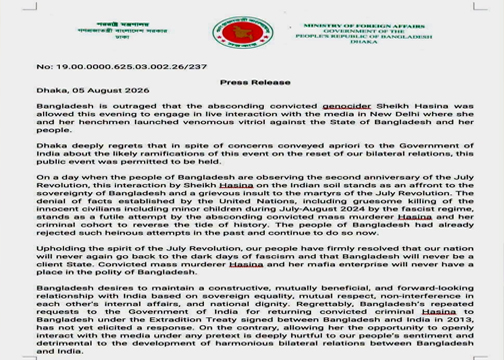
কিন্তু যখন পররাষ্ট্র মন্ত্রণালয়ের সরকারি বিজ্ঞপ্তির দিকে তাকাই, তখন মনের গভীরে এক গভীর উদ্বেগ ও বেদনাময় প্রশ্ন জাগে—যে রাষ্ট্রীয় কণ্ঠস্বর সারা বিশ্বের কাছে আমাদের মর্যাদা বহন করে, তার ভাষা কি সত্যিই কূটনৈতিক পরিপক্বতার পরিচয় দিতে পেরেছে?
নির্মম সত্যটি উন্মোচিত হয় পররাষ্ট্র মন্ত্রণালয়ের নিজস্ব পেজে। একটি রাষ্ট্রীয় স্পর্শকাতর বিজ্ঞপ্তি প্রকাশ করার পর তা আট-আট বার সম্পাদনা করতে হয়েছে, আর লক্ষাধিক প্রতিক্রিয়ার বড় অংশজুড়ে উঠে এসেছে ‘হাহা’ রিঅ্যাক্ট।
এটি কেবল একটি সোশ্যাল মিডিয়া পোস্টের সংখ্যা নয়; এটি রাষ্ট্রীয় ব্যবস্থার প্রাতিষ্ঠানিক পেশাদারিত্বের ওপর এক করুণ আঘাত। সার্বভৌম রাষ্ট্রের অফিশিয়াল বক্তব্য নিয়ে সাধারণ মানুষের এমন ট্রল ও হাসাহাসি আমাদের কূটনৈতিক কাঠামোর ভঙ্গুরতাকেই বিশ্ব দরবারে নগ্ন করে দেয়।
একটি সার্বভৌম দেশের পররাষ্ট্র মন্ত্রণালয় যখন আন্তর্জাতিক সম্প্রদায়ের উদ্দেশে বা প্রতিবেশীর সাথে আনুষ্ঠানিক যোগাযোগ করে, তখন তার ভাষা হওয়া উচিত অত্যন্ত পরিপক্ব, আইনি ভিত্তিপ্রসূ এবং প্রাতিষ্ঠানিক।
অথচ বিজ্ঞপ্তিতে ব্যবহৃত “Mafia enterprise”, “Henchmen”, “Venomous vitriol”, কিংবা “Criminal cohort”-এর মতো শব্দগুচ্ছ দেখে মনে হয়, এটি কোনো আন্তর্জাতিক স্তরের রাষ্ট্রীয় দলিল নয়, বরং রাজপথের উত্তপ্ত পলিটিক্যাল প্রেস ক্লাবের বক্তৃতা। কিন্তু রাষ্ট্রীয় ভাষা যখন কূটনৈক শিষ্টাচার ও ‘Diplomatic Language’-এর মানদণ্ড হারিয়ে ফেলে, তখন আন্তর্জাতিক দরবারে দেশের প্রকৃত দাবির গাম্ভীর্যই হালকা হয়ে যায়।
সবচেয়ে শঙ্কার বিষয় হলো, কোনো প্রতিবেশীর বিরুদ্ধে সরাসরি “Affront to the sovereignty of Bangladesh” বা সার্বভৌমত্বের ওপর আঘাতের মতো অতি-গুরুত্বপূর্ণ ও স্পর্শকাতর অভিযোগ কোনো খোলামেলা প্রেস বিজ্ঞপ্তিতে রাজনৈতিকভাবে না তুলে, কূটনৈতিক প্রটোকল অনুযায়ী ‘নোট ভার্বাল’ (Note Verbale) বা রুদ্ধদ্বার বৈঠকের টেবিলে সুনির্দিষ্ট আইনি প্রক্রিয়ায় তোলাই নিয়ম।
তাছাড়া, অফিশিয়াল বিজ্ঞপ্তিতে “Dark days of fascism” বা “Client State”-এর মতো অভ্যন্তরীণ রাজনৈতিক রূপক ব্যবহার করে দ্বিপাক্ষিক সম্পর্কের কৌশলগত দরকষাকষির জায়গাকে সংকুচিত করে ফেলা হয়েছে। শেখ হাসিনা একাধিক হত্যা ও দুর্নীতির মামলায় সাজাপ্রাপ্ত ও পলাতক আসামি। দুই দেশের বিদ্যমান প্রত্যর্পণ চুক্তি (Extradition Treaty) অনুযায়ী তাকে ফিরিয়ে দেওয়ার আইনি চিঠি থাকা সত্ত্বেও ভারত এখনো কোনো জবাব দেয়নি। এমন পরিস্থিতিতে তাকে রাজনৈতিক বক্তব্যের মঞ্চ তৈরি করে দেওয়া নিঃসন্দেহে পারস্পরিক আস্থার পরিপন্থী এবং বাংলাদেশের অভ্যন্তরীণ বিষয়ে স্পষ্ট হস্তক্ষেপ। কিন্তু এই সত্যগুলোকে আবেগ দিয়ে নয়, বরং সুনির্দিষ্ট আইনি ও নীতিগত যুক্তি দিয়ে প্রতিষ্ঠা করাই বুদ্ধিমানের কাজ।
আবেগের মাত্রাতিরিক্ত বিস্ফোরণ কখনো পরিপক্ব পররাষ্ট্রনীতি হতে পারে না।
ক্ষোভ যদি প্রাতিষ্ঠানিক রূপ না পায়, তবে বিশ্বমঞ্চে তা সস্তা রাজনীতি হিসেবেই পরিগণিত হয়, যা আমাদের ঐতিহাসিক ত্যাগের মর্যাদাকে কোনোভাবেই ধারণ করতে পারে না।
লেখক: ড.আওলাদ হোসেন,রাজনীতিবিদ,কলামিস্ট
When the state speaks, every word carries the weight of history, the rule of law, and the solemnity of a sovereign entity. However, looking at the official press release of the Ministry of Foreign Affairs, a deep sense of anxiety and a painful question arise in the depth of my mind: Has the state's voice, which carries our dignity to the entire world, truly reflected diplomatic maturity?
The brutal truth is revealed on the Ministry of Foreign Affairs' own page. After publishing a sensitive state notification, it had to be edited as many as eight times, and a large portion of over a hundred thousand reactions turned out to be 'Haha' reacts. This is not merely a number on a social media post; it is a tragic blow to the institutional professionalism of the state mechanism. Public trolling and mockery over the official statement of a sovereign nation lay bare the fragility of our diplomatic structure before the international community.
When the Foreign Ministry of a sovereign nation communicates formally with its neighbors or the international community, its language ought to be extremely mature, legally sound, and institutional. Yet, looking at phrasing like “Mafia enterprise”, “Henchmen”, “Venomous vitriol”, or “Criminal cohort” used in the press release, it feels less like an international state document and more like a heated speech at a political press club on the street. When state language loses the standards of diplomatic etiquette and diplomatic language, the gravity of the nation's genuine claims becomes diluted on the global stage.
Most alarming is that raising critical and highly sensitive allegations like an “Affront to the sovereignty of Bangladesh” against a neighbor politically in an open press release—rather than presenting them through a specific legal procedure via a 'Note Verbale' or at closed-door meetings in accordance with diplomatic protocol—is a deviation from the norm. Furthermore, using internal political metaphors such as “Dark days of fascism” or “Client State” in an official release has narrowed the scope for strategic bilateral negotiations. Sheikh Hasina is a convicted and absconding accused in multiple murder and corruption cases. Despite sending a legal request to hand her over under the existing Extradition Treaty between the two countries, India has yet to provide a response. Under such circumstances, providing her a platform for political speeches is undoubtedly contrary to mutual trust and a clear interference in Bangladesh's internal affairs. However, wisdom lies in establishing these truths not through emotion, but with precise legal and policy arguments.
An excessive outburst of emotion can never constitute a mature foreign policy. If rage is not given institutional form, it is perceived as cheap politics on the world stage—failing entirely to uphold the dignity of our historical sacrifices.
Author: Dr. Awlad Hossain, Politician and Columnist