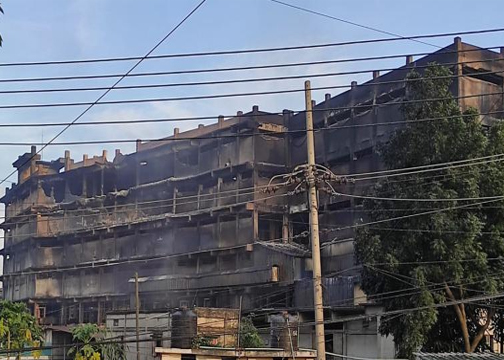
নারায়ণগঞ্জের রূপসী গ্রামের আকাশটা আজও ভারী। সেখানে কোনো এক অচেনা পোড়া গন্ধ বাতাসকে স্তব্ধ করে রাখে প্রতিদিন। সামনে দাঁড়ানো ছাই ও অঙ্গার হওয়া ছয়তলা ভবনটি যেন এখন কোনো কারখানা নয়—একটি দানবীয় গণকবর। ২০২৪ সালের আগস্টের সেই অভিশপ্ত রাতের পর দুই বছর গড়িয়ে গেছে, কিন্তু কারখানার পোড়া ইট-পাথরের ফাঁকে ফাঁকে এখনও আটকে আছে ১৮২টি তাজা প্রাণ, ১৮২টি পরিবারের বুকফাটা হাহাকার। তারা কি নিখোঁজ, নাকি ধোঁয়ার সাগরে মিলিয়ে যাওয়া লাশ—প্রশাসনের কাছে তার কোনো স্পষ্ট হিসাব নেই। তাদের কাছে এই ১৮২ জন হয়তো শুধুই একটি কাগজের খসড়া সংখ্যা, কিন্তু স্বজনদের কাছে তারা ছিল বেঁচে থাকার একমাত্র অবলম্বন।
অঙ্গার হওয়া রাত ও বন্দি নিঃশ্বাস
ঘটনার সূত্রপাত ২০২৪ সালের ৫ আগস্ট, রাজনৈতিক পটপরিবর্তনের ঠিক পর। সাবেক মন্ত্রী গোলাম দস্তগীর গাজীর মালিকানাধীন কারখানাটিতে চলে তাণ্ডব ও লুটপাট। এরপর ২৫ আগস্ট রাতে গাজীর গ্রেপ্তারের খবর ছড়ালে আবারো বিশৃঙ্খলা দেখা দেয়। শত শত পথচলতি মানুষ, কৌতূহলী জনতা কিংবা সুযোগসন্ধানীরা কারখানার ভেতরে ঢুকে পড়ে। অভিযোগের আঙুল ওঠে একদল নির্দয় দুর্বৃত্তের দিকে—যারা ভবনের নিচতলায় দাউদাউ করে আগুন ধরিয়ে দিয়ে বাইরে থেকে ভারী তালা ঝুলিয়ে দেয়।
ভেতরে আটকে পড়া মানুষগুলোর রূপসী আকাশ কাঁপানো আর্তনাদ পৌঁছায়নি কারো কানে। কেমিক্যাল আর দাহ্য কাঁচামালের গ্রাসে আগুন জ্বলেছে টানা পাঁচ দিন। ছয়তলা ভবনের ছাদ ধসে পড়েছে, দেয়াল ফেটে চৌচির হয়েছে, আর ভেতরে জীবিত মানুষগুলো ধূপের মতো পুড়ে ছাই হয়ে গেছে। যখন ফায়ায় সার্ভিস গুনে গুনে ১০০ ছাড়াল, রহস্যজনকভাবে গণনার খাতা বন্ধ হয়ে গেল। পরে শিক্ষার্থী ও স্থানীয়রা তালিকা করে চূড়ান্ত সংখ্যাটি পেল—১৮২ জন!
কঙ্কাল কুড়ানোর হাহাকার এবং প্রশাসনের অমানবিক নীরবতা
ভবন ধসে পড়ার অজুহাতে যখন সরকারি উদ্ধার অভিযান গুটিয়ে নেওয়া হলো, তখন বুকভাঙা স্বজনরা প্রাণের মায়াকে উপেক্ষা করে নিজেরাই নেমে পড়েছিলেন সেই জ্বলন্ত নরকে। তারা কারখানার ছাই আর ধ্বংসস্তূপ থেকে কুড়িয়ে এনেছিলেন পোড়া কঙ্কাল ও মানুষের হাড়গোড়—কেবল একফোঁটা ডিএনএ পরীক্ষার আসায়, যাতে অনন্ত স্বজনের শেষ চিহ্নটুকু বুঝে নিয়ে নদীর পাড়ে কিংবা পারিবারিক গোরস্থানে একটু দাফন করা যায়।
কিন্তু প্রশাসনের বিবেক যেন কারখানার দেয়ালের চেয়েও বেশি শক্ত হয়ে জমাট বেঁধে আছে। নারায়ণগঞ্জ জেলার তৎকালীন ডিসির গঠিত আট সদস্যের কমিটি ৩২ পৃষ্ঠার ভারী প্রতিবেদন জমা দিয়েছিল ২০২৫ সালের সেপ্টেম্বরে। ১০টি সুপারিশে পরিষ্কার বলা হয়েছিল—ভবন ভেঙে উদ্ধার কাজ চালান, ডিএনএ টেস্ট করুন, মৃতদেহের অবশেষ পরিবারের হাতে তুলে দিন।
অথচ বাস্তবে একটি সুপারিশও কাগজের পৃষ্ঠা থেকে মাটিতে নামেনি। স্বজনরা যখন ডিসি কিংবা এসপি অফিসে ছোটাছুটি করেন, তখন জোটে অবহেলা আর দূর-দূর ছাই-ছাই আচরণ। সম্প্রতি নারায়ণগঞ্জ জেলা প্রশাসক যে মন্তব্য করেছেন, তা যেকোনো বিবেকবান মানুষকে শিউরে ওঠাবে। তিনি নির্দ্বিধায় জানান, ‘কেউ এসে দাবি করেনি, তাই ডিএনএ পরীক্ষা করানো হয়নি!’ যে স্বজনরা থানায় আর অফিসে ঘুরে রক্তাশ্রু ফেলছেন, তাদের উপস্থিতি প্রশাসন কীভাবে অস্বীকার করে—সে প্রশ্ন আজ পুরো বিবেকবান সমাজের।
একটি সাবানের কারখানা আর হারিয়ে যাওয়া স্বপ্ন
দুই ভাই সাব্বির ও শাহাদাত সিকদার, আর তাদের ভগ্নিপতি জমীর আলী—একই পরিবারের তিন উপার্জনক্ষম মানুষ সেই রাতে হাওয়ায় মিলিয়ে গেছেন। তাদের বোন সিনথিয়ার চোখ দুটো এখন শুকিয়ে কাঠ। ঘরের হাড়ি জ্বালাতে তিনি একটি সাবান কারখানায় কাজ নিয়েছিলেন, কিন্তু অসুস্থ ভাগ্নের দেখভালের জন্য একটু ছুটি চাওয়াতেই খোয়া গেছে সেই কাজও। সিনথিয়ার শূন্য কন্ঠের হাহাকার প্রশাসনিক ব্যবস্থার মুখে এক বিরাট থাপ্পড়:
"পুলিশ আর ডিসির দরজায় ঘুরতে ঘুরতে আমাদের পায়ের ছাল উঠে গেছে। তারা আমাদের দিকে ফিরেও তাকায় না, মনে হয় আমরা মানুষই না! আমাদের স্বজনরা বেঁচে আছে নাকি মরে গেছে—এটুকু জানার অধিকারও কি আমাদের নেই?"
একই যন্ত্রণা সুনামগঞ্জ থেকে আসা জাকির হোসেনের। ভাই মনিরকে খুঁজতে এসে প্রশাসনের হাত গুটিয়ে রাখা দেখে তিনি নিজেই পোড়া কারখানায় নেমে হাড়গোড় কুড়িয়ে পুলিশের হাতে তুলে দিয়েছিলেন। আজ সেই হাড়গোড়ের কী হলো, তা কেউ জানে না। নিখোঁজদের মোবাইলের সিগন্যাল ট্র্যাক করার ও 'তদন্ত শেষ পর্যায়ে' থাকার বাঁধাধরা বুলি আউড়ে নিজেদের দায়িত্ব পার করছেন জেলা পুলিশের ঊর্ধ্বতন কর্তারা।
বিবেকের কাছে প্রশ্ন
শত শত কোটি টাকার কারখানা ছাই হয়ে গেছে, তা নিয়ে হয়তো পুঁজিবাদী হিসাব-নিকাশ শেষ। কারখানার মালিক কারাবন্দি। কিন্তু ১৮২টি মানুষের জীবন আর তাদের ওপর নির্ভরশীল হাজারো মা-বাবা, স্ত্রী-সন্তানের চোখের জল কি কোনো হিসাবের মধ্যে পড়ে না? ১৮২ জন রক্তমাংসের মানুষ কি শুধু একটি 'অমিমাংসিত ফাইল' কিংবা 'পরিসংখ্যানের সংখ্যা' হয়েই থাকবে?
লাশের গন্ধ আর পোড়া হাড়ের ওপর দাঁড়িয়ে থাকা গাজী টায়ার্সের সেই ধ্বংসস্তূপ আজ নারায়ণগঞ্জকে নয়, পুরো জাতিকে জবাবদিহিতার কাঠগড়ায় দাঁড় করাচ্ছে—আমরা কি সত্যিই মানুষ, নাকি আমাদের মানবতাও সেদিন রূপসীর সেই আগুনে পুড়ে ছাই হয়ে গেছে?
লেখক: ড.আবুল হাসনাৎ মিল্টন, প্রধান সম্পাদক, দ্যা সোর্স নিউজ বাংলা
The sky over Rupshi village in Narayanganj remains heavy to this day. An unfamiliar, burnt stench chokes the air every single day. The charred, ash-covered six-story building standing ahead no longer resembles a factory—it looms like a monstrous mass grave. Two years have passed since that cursed night in August 2024, yet trapped within the crevices of the factory's burnt bricks and concrete are the lingering traces of 182 vibrant lives and the heartbreaking anguish of 182 families. Are they missing, or are they corpses swallowed by a sea of smoke? The administration has no clear record. To them, these 182 individuals might just be a draft figure on paper, but to their loved ones, they were the sole breadwinners and pillars of survival.
A Night Reduced to Ashes and Trapped Breath
It all began on August 5, 2024, right after the political transition. Rampant looting and vandalism broke out at the factory owned by former minister Golam Dastagir Gazi. Tensions flared again on the night of August 25 following news of Gazi's arrest. Hundreds of passersby, curious onlookers, and opportunists rushed inside the facility. Accusations point toward a ruthless gang of miscreants who set a roaring fire on the ground floor and locked the heavy exit doors from the outside.
The blood-curdling screams of the trapped victims, echoing through the Rupshi sky, reached no one's ears. Fueled by chemicals and flammable raw materials, the fire raged continuously for five days. The roof of the six-story structure collapsed, the walls cracked wide open, and the living human beings inside were incinerated like incense. When the Fire Service counted up to 100 victims, the tally was mysteriously halted. Later, students and local residents compiled a final list, arriving at the tragic count of 182 missing souls.
The Anguish of Gathering Skeletons and Administrative Inhumanity
When the official rescue operation was abruptly called off under the pretext of structural collapse risks, grief-stricken relatives braved the danger themselves and stepped into that scorching hell. From the factory's ash and rubble, they painstakingly gathered burnt skeletons and human bones—holding onto the sole hope of a single DNA test, just so they could claim the final remains of their loved ones and offer them a decent burial along a riverbank or in a family graveyard.
Yet, the conscience of the administration seems even harder and more frozen than the factory's concrete walls. An eight-member committee formed by the then-DC of Narayanganj submitted a detailed 32-page report in September 2025. Its 10 clear recommendations included demolishing the unstable structure to conduct a full search, performing DNA testing, and handing over the remains to the families.
In reality, not a single recommendation was implemented from paper to ground. Whenever the relatives run between the offices of the Deputy Commissioner (DC) and the Superintendent of Police (SP), they are met with neglect, cold shoulder, and dismissal. A recent comment by the Narayanganj District Commissioner is enough to send a chill down the spine of any empathetic person. He nonchalantly stated: "No one came forward to claim them, so DNA testing was not conducted!" How the administration can deny the presence of relatives who are shedding tears of blood at police stations and government offices remains a glaring question for civil society.
A Soap Factory and Lost Dreams
Two brothers, Sabbir and Shahadat Sikdar, along with their brother-in-law Jamir Ali—three earning members of the same family—vanished into thin air that night. Their sister Cynthia's eyes have run dry from weeping. To keep the family stove burning, she took a job at a soap factory, but even that job was stripped away when she requested a brief leave to care for her ailing nephew. Cynthia's despairing cry serves as a scathing indictment of the administrative system:
"Our feet have worn down to the skin running back and forth to the offices of the police and the DC. They don't even look at us; it feels as if we aren't even human! Don't we even have the right to know whether our loved ones are dead or alive?"
Zakir Hossain, who traveled all the way from Sunamganj, shares a similar agony. Coming in search of his brother Monir and seeing the administration wash its hands of the matter, he personally ventured into the burnt factory to retrieve human bones and hand them over to the police. What became of those bones today, no one knows. Senior police officials continue to shirk responsibility, repeating cliché statements about tracking mobile phone signals and claiming the "investigation is near completion."
A Question to Our Conscience
A factory worth hundreds of crores of Takas has been reduced to ash, and perhaps the capitalist calculations are complete. The factory owner remains behind bars. But do the lives of 182 human beings and the tears of thousands of their dependent parents, wives, and children hold no value in any ledger? Will 182 living, breathing souls remain nothing more than an "unresolved file" or a "statistical figure"?
Standing atop the scent of corpses and burnt bones, the ruins of Gazi Tyres put not just Narayanganj, but the entire nation in the witness box of accountability—are we truly human, or did our humanity burn to ashes in the flames of Rupshi that night?
Author: Dr. Abul Hasnat Milton, Editor-in-Chief, The Source News Bangla