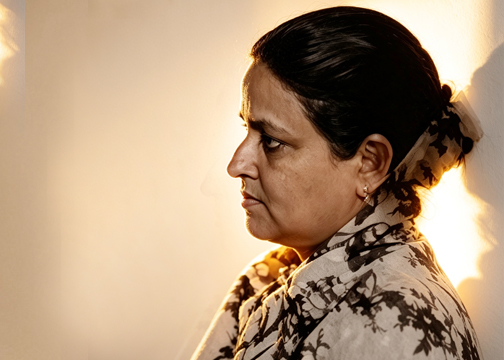
শেখ ফজিলাতুন্নেছা মুজিবের স্বামী বঙ্গবন্ধু শেখ মুজিবুর রহমান বাংলাদেশের মানুষের ন্যায্য অধিকার ও সর্বশেষে বাংলাদেশের স্বাধীনতার জন্য ৪৬৮২ দিন অর্থাৎ ১৩ বছর ১৪ দিন জেল খেটেছেন। এই দীর্ঘ সময় স্বামীর অবর্তমানে সকল দুঃখ-কষ্ট সহ্য করে বঙ্গবন্ধুকে সর্বাত্মক সহযোগিতা ও উৎসাহ উদ্দীপনা যারা দিয়েছেন তাদের মধ্যে অন্যতম হলেন তাঁর সহধর্মিণী বা তাঁর জীবন সঙ্গী এই মহীয়সী নারী বেগম ফজিলাতুন্নেছা মুজিব।
বাংলাদেশের ভাষা আন্দোলন থেকে শুরু করে মহাকাব্যিক মুক্তিযুদ্ধ, স্বাধীন বাংলাদেশ প্রতিষ্ঠা ও বিভিন্ন ঐতিহাসিক সন্ধিক্ষণে নিরবচ্ছিন্ন প্রেরণার অনন্য প্রতীক বঙ্গমাতা শেখ ফজিলাতুন্নেছা মুজিব।
বাংলাদেশের পাঁচবারের নির্বাচিত প্রধানমন্ত্রী শেখ হাসিনা তাঁর স্মৃতিকথায় লিখেছিলেন, তাঁর স্মরণশক্তি ছিল অসম্ভব, তথ্য মনে রাখার ক্ষমতা ছিল অতুলনীয়। তাই মাকে রসিকতা করে বলতেন "জীবন্ত টেপরেকর্ডার"। সারাদিন সাধারণ মানুষ ও দলীয় কর্মী-নেতাদের মুখে দেশের পরিস্থিতি শুনতেন আর রাতে জেলখানায় সাক্ষাৎকালে অবিকল ও নিখুঁতভাবে তা বঙ্গবন্ধুর কাছে তুলে ধরতেন। সাধারণ মানুষের ধমনীর স্পন্দন বুঝে বঙ্গবন্ধুকে সবসময় সহায়তা করেছেন। বঙ্গবন্ধুর অধিকাংশ সিদ্ধান্ত সাধারণ মানুষের পক্ষে যেত, এর পেছনে কারণ হিসেবে বেগম মুজিবের অবদানকে উল্লেখ করা হয়।
১৯৬৯ সনে মার্কিন State Department ২৬শে সেপ্টেম্বর উল্লেখ করেন তাঁর সহধর্মিণী শেখ ফজিলাতুন্নেছা মুজিব, রেণু তীক্ষ্ণ বুদ্ধি এবং প্রখর স্মরণশক্তির অধিকারী বলে উল্লেখ করেছেন। অতি সাধারণ দেখতে, মৃদুভাষী, কাউকে কিছু বুঝতে দেন না। আড়ালে থেকে কাজ করেন বলেই তাঁকে শনাক্ত (Identify) করা বেশ মুশকিল। শহরের ৩০ থেকে ৩৫ জন লোক (আরও বেশি হতে পারে) লোকাল ভেহিক্যাল ড্রাইভার (রিকশাচালক), তাঁদের সঙ্গে তাঁর নিয়মিত যোগাযোগ। তিনিও মাঝে মাঝে প্রয়োজনে এই লোকাল ভেহিক্যালে (রিকশায়) চলাচল করতেন। তাঁদের মাধ্যমে নানাবিধ তথ্য সংগ্রহ করে সেটাই তিনি পূর্ব পাকিস্তানের সবচেয়ে দক্ষ রাজনীতিবিদ শেখ মুজিবুর রহমানের নিকট অবিকৃতভাবে প্রতিবেদন আকারে তুলে ধরতেন। বিচক্ষণ মুজিব সহজেই সাধারণ মানুষের সেন্টিমেন্ট বুঝে সহজে সিদ্ধান্ত নিতে পারতেন।
রাজনৈতিক সংকটকালে চরম নজরদারির মধ্যেও বঙ্গমাতা সুচতুর কৌশলে বোরকা পরে, নিজের বিশ্বস্ত রিকশাচালকদের ব্যবহার করতেন। প্রয়োজনে রিকশায় চেপে গোপন জায়গায় যেতেন, ছাত্রলীগের নিউক্লিয়াস ও আওয়ামী লীগের উদীয়মান নেতাদের কাছে গুরুত্বপূর্ণ বার্তা ও তথ্য আদান-প্রদান করতেন। পাকিস্তানি পুলিশ বা গোয়েন্দারা কখনোই তাঁকে চিহ্নিত করতে পারেনি। দিন, তারিখ ও সময়ের ঐতিহাসিক দলিল ধরে বঙ্গমাতার সুবিশাল ও নজিরবিহীন অবদানগুলো স্বল্প পরিসরে তুলে ধরা সম্ভব নয়। তবুও কয়েকটি ঘটনার অবতারণা করলাম।
১. ঐতিহাসিক ছয় দফা আন্দোলন (১৯৬৬): ১৯৬৬ সালের ৫ ফেব্রুয়ারি লাহোরে বঙ্গবন্ধু ঐতিহাসিক ৬ দফা দাবি পেশ করেন এবং দেশে ফিরে দেশব্যাপী প্রচার শুরু করলে তাঁকে গ্রেপ্তার করা হয়। সেই কঠিন সময়ে বঙ্গমাতা আওয়ামী লীগ ও ছাত্রলীগের নেতাদের নিজ বাড়িতে এনে বিভিন্ন পরামর্শ দেন এবং ১৯৬৬ সালের ৭ জুন ৬ দফার পক্ষে দেশব্যাপী যে ঐতিহাসিক আন্দোলনের ও প্রচারের জন্য তিনি নিজের গয়না বিক্রি করে অর্থ জোগাড় দেন।
২. ১৯৬৯ সালের গণঅভ্যুত্থান ও প্যারোলে মুক্তির নজিরবিহীন প্রতিবাদ: আগরতলা ষড়যন্ত্র মামলায় (১৯৬৮) যখন বঙ্গবন্ধুকে ১ নম্বর আসামি করে ঢাকা সেনানিবাসে বন্দি রাখা হয়, তখন ১৯৬৯ সালের ফেব্রুয়ারি মাসে আইয়ুব খানের গোলটেবিল বৈঠকে যোগ দেওয়ার জন্য বঙ্গবন্ধুকে 'প্যারোলে' মুক্তি দেওয়ার প্রস্তাব করে। জ্যেষ্ঠ আওয়ামী লীগ নেতারা যখন প্যারোলে রাজি হতে বঙ্গবন্ধুকে চাপ দিচ্ছিলেন, তখন বঙ্গমাতা বঙ্গবন্ধুকে বার্তা পাঠিয়ে—প্যারোলে নয়, নিঃশর্ত মুক্তি হলেই গোলটেবিল মিটিং-এ যোগ দেওয়া, না হয় নয়। এই ব্যাপারে অটল থাকার জন্য পরামর্শ দেন।
বঙ্গমাতার এই সাহসী ও দূরদর্শী সিদ্ধান্তে পাকিস্তানি শাসকগোষ্ঠী ১৯৬৯ সালের ২২ ফেব্রুয়ারি আগরতলা মামলা প্রত্যাহার করে বঙ্গবন্ধুকে নিঃশর্ত মুক্তি দিতে বাধ্য হয়। পরের দিন ২৩ ফেব্রুয়ারি সর্বদলীয় ছাত্র সংগ্রাম পরিষদ তাঁকে 'বঙ্গবন্ধু' উপাধিতে ভূষিত করে।
৩. ১৯৭০ সালের নির্বাচন: ১৯৭০ সালের ৭ ডিসেম্বর অনুষ্ঠিত পাকিস্তান সাধারণ নির্বাচনে আওয়ামী লীগের নির্বাচনী প্রচারণার সময় দলের আর্থিক সংকটে তিনি নিজের ব্যক্তিগত জমানো টাকা ও দেশের নিজের জমি বিক্রি করে বড় ধরনের আর্থিক জোগান দিয়েছেন। আওয়ামী লীগ নির্বাচনে অংশ নেবে কি না তা নিয়ে নেতাদের মধ্যে দ্বিধা থাকলেও তিনি বঙ্গবন্ধুকে বোঝান জনগণ তাঁর দিকে তাকিয়ে আছে। তার দৃঢ়তা বঙ্গবন্ধুকে সিদ্ধান্ত নিতে সহযোগিতা করত।
৪. ঐতিহাসিক ৭ই মার্চের ভাষণ ও মহান মুক্তিযুদ্ধ (১৯৭১): ১৯৭১ সালের ৭ই মার্চ রেসকোর্স ময়দানে যাওয়ার আগে বিভিন্ন বুদ্ধিজীবী ও নেতৃবৃন্দ বঙ্গবন্ধুকে বিভিন্ন বক্তব্যের খসড়া তৈরি করে দিচ্ছিলেন। তখন বঙ্গমাতা বঙ্গবন্ধুকে ধীরস্বরে বলেছিলেন, তুমি কারো কথা শুনবে না, তোমার মনে যা আসছে এবং তুমি যা বিশ্বাস করো, শুধু সেটুকু বলবে। বঙ্গবন্ধুর সেই তাৎক্ষণিক ভাষণ আজ ইউনেস্কো স্বীকৃত সর্বকালের শ্রেষ্ঠ ভাষণ।
১৯৭১ সালের ২৫ মার্চ রাতে স্বাধীনতা ঘোষণার পর বঙ্গবন্ধুকে গ্রেপ্তার করে, এর পর থেকে ১৬ ডিসেম্বর বিজয় অর্জন পর্যন্ত পুরো ৯ মাস বঙ্গমাতা ধানমন্ডির ১৮ নম্বর সড়কের একটি বাড়িতে সন্তানদেরসহ বন্দি অবস্থায় চরম মানসিক উৎকণ্ঠায় কাটান। নিজের বন্দিদশার মধ্যেও তিনি মুক্তিযোদ্ধাদের জন্য গোপনে আর্থিক সহায়তা ও বার্তা আদান-প্রদানের মাধ্যমে সাহস জুগিয়ে গেছেন। এই ১৮ নং বাড়ি থেকে নিজ সন্তান শেখ জামাল, যার বয়স ১৮ বছরের মতো, তাকে মুক্তিযুদ্ধে যোগদানের জন্য ভারতে পাঠিয়ে দেন।
৫. স্বাধীনতা-উত্তর বীরাঙ্গনাদের পুনর্বাসন (১৯৭২ – ১৯৭৫): স্বাধীনতার পর ১৯৭২ সালে বঙ্গবন্ধু যখন ধ্বংসস্তূপের ওপর দাঁড়িয়ে নতুন দেশ পুনর্গঠন করছিলেন, বঙ্গমাতা তখন বীরাঙ্গনা ও সাধারণ নারীদের পুনর্বাসনের জন্য নিবিড়ভাবে কাজ করেন। বিশেষ করে যুদ্ধের সময় পাকিস্তানি বাহিনীর হাতে নির্যাতিত বীরাঙ্গনা মা-বোনদের পুনর্বাসন এবং সামাজিকভাবে মর্যাদাপূর্ণ অবস্থান তৈরিতে তিনি ব্যক্তিগতভাবে নির্যাতিত বহু নারীর বিয়ের আয়োজন করেন এবং নিজ হাতে অলংকার উপহার দিয়ে তাঁদের নতুন জীবন উপহার দেন। বঙ্গমাতা কোনোদিন সরকারি আড়ম্বর বা ফার্স্ট লেডির বিলাসী পোশাক গ্রহণ করেননি; চিরকাল একজন সাধারণ বাঙালি নারীর মতো বাস করেছেন।
১৯৩০ সালের ৮ আগস্ট টুঙ্গিপাড়ায় জন্মগ্রহণ করা এই বীর রমণী ১৯৭৫ সালের ১৫ আগস্টের কালরাতে ঘাতকদের নির্মম বুলেটের মুখোমুখি হন। ঘাতকের দল যখন জাতির পিতাকে হত্যা করে তখন তিনি বিন্দুমাত্র বিচলিত না হয়ে বলেছিলেন—"তোমরা ওঁকে মেরে ফেলেছ, আমাকেও মেরে ফেল।"
সারাজীবন যিনি আলো-আঁধারে বঙ্গবন্ধুর পাশে থেকেছেন, মরণেও সেই বিশ্বস্ত সঙ্গী তাঁকে অনুসরণ করেছে। কালরাতের সেই রক্তাক্ত পরিবেশেও তিনি মিশে গেছেন বঙ্গবন্ধুর রক্তস্রোতে।
কিছু বলার ভাষা নাই শুধু প্রার্থনা- মহান রাব্বুল আলামিন জান্নাতবাসী করুন এই মহান নারীকে।
লেখক: অশ্রু হাসি, রাজনীতিবিদ ও কলামিস্ট।
In the history of Bangladesh's independence, Sheikh Fazilatunnesa Mujib's husband, Bangabandhu Sheikh Mujibur Rahman, spent 4,682 days—equivalent to 13 years and 14 days—in prison fighting for the legitimate rights of the people of Bangladesh and ultimately for its independence. During these long periods in her husband's absence, among those who endured all hardships to provide total support, encouragement, and inspiration to Bangabandhu, one of the most prominent was his spouse and life partner, this illustrious woman, Begum Fazilatunnesa Mujib.
From Bangladesh's Language Movement to the epic Liberation War, the establishment of independent Bangladesh, and various historical junctures, Bangamata Sheikh Fazilatunnesa Mujib stands as a unique symbol of uninterrupted inspiration.
In her memoirs, Sheikh Hasina, the five-time elected Prime Minister of Bangladesh, wrote that her mother had an extraordinary memory and an incomparable ability to recall information. That is why Bangabandhu jokingly used to call her a "living tape recorder." She would listen to ordinary people, party activists, and leaders talk about the country's situation all day, and during her visits to the prison at night, she would present the facts to Bangabandhu accurately and flawlessly. Understanding the pulse of the common people, she always assisted Bangabandhu. Begum Mujib's contribution is cited as the key reason why most of Bangabandhu's decisions favoured the general public.
On September 26, 1969, the US State Department noted that his spouse, Sheikh Fazilatunnesa Mujib (Renu), possessed sharp intellect and a remarkable memory. Very ordinary-looking, soft-spoken, and subtle, her tendency to work behind the scenes made her quite difficult to identify. She maintained regular contact with 30 to 35 people (or possibly more) in the city who were local vehicle drivers (rickshaw pullers). Occasionally, she herself traveled in these local vehicles (rickshaws) as needed. Through them, she gathered various items of information and presented them unadulterated in report form to Sheikh Mujibur Rahman, East Pakistan's most skilled politician. The astute Mujib could easily gauge the sentiment of the common people and make decisions effortlessly.
During political crises, even under extreme surveillance, Bangamata cleverly used burqas and relied on her trusted rickshaw pullers. When necessary, she would travel by rickshaw to secret locations, exchanging important messages and information with the nucleus of Chhatra League and emerging leaders of Awami League. The Pakistani police or intelligence agencies were never able to identify her. It is impossible to present Bangamata's vast and unprecedented contributions in a limited space using historical documents of dates, days, and times. Nevertheless, a few instances are highlighted below:
1. The Historic Six-Point Movement (1966): On February 5, 1966, Bangabandhu presented the historic 6-point demand in Lahore, and upon returning home, he was arrested after starting nationwide campaigns. During that difficult period, Bangamata brought Awami League and Chhatra League leaders to her home to give various guidance. Furthermore, to support the nationwide historical movement and campaign in favor of the 6 points on June 7, 1966, she raised funds by selling her own jewelry.
2. The 1969 Mass Upsurge and Unprecedented Protest Against Parole Release: When Bangabandhu was kept detained at the Dhaka Cantonment as the prime accused in the Agartala Conspiracy Case (1968), Ayub Khan proposed releasing Bangabandhu on 'parole' in February 1969 to attend a round-table conference. While senior Awami League leaders were pressuring Bangabandhu to agree to parole, Bangamata sent a message to Bangabandhu advising him to remain firm on attending the round-table meeting only upon unconditional release, and not otherwise.
Due to Bangamata's courageous and visionary decision, the Pakistani ruling regime was forced to withdraw the Agartala case on February 22, 1969, and unconditionally release Bangabandhu. The following day, on February 23, the All-Party Students' Action Council conferred upon him the title of 'Bangabandhu'.
3. The 1970 Elections: During the election campaign for the Pakistan General Elections held on December 7, 1970, when the party faced a financial crisis, she provided significant financial support by selling her personal savings and her own land. Although there was hesitation among leaders regarding whether Awami League should participate in the election, she convinced Bangabandhu that the public was looking up to him. Her firmness helped Bangabandhu make his decision.
4. The Historic 7th March Speech and the Great Liberation War (1971): Before heading to the Racecourse Ground on March 7, 1971, various intellectuals and leaders were preparing draft speeches for Bangabandhu. At that moment, Bangamata softly told Bangabandhu, "Listen to no one; speak only what comes from your heart and what you truly believe." Bangabandhu's spontaneous speech that day is now recognized by UNESCO as one of the greatest speeches of all time.
After the declaration of independence on the night of March 25, 1971, Bangabandhu was arrested. From that moment until victory was achieved on December 16, Bangamata spent the entire nine months under house arrest with her children at a house on Road 18 in Dhanmondi, enduring extreme mental anxiety. Even under confinement, she secretly provided financial assistance and messages to freedom fighters, bolstering their courage. From this house on Road 18, she sent her son Sheikh Jamal, who was around 18 years old, to India to join the Liberation War.
5. Rehabilitation of Birangonas in the Post-Independence Era (1972–1975): After independence in 1972, while Bangabandhu was rebuilding a new nation from the ruins, Bangamata worked closely to rehabilitate Birangonas (war heroines) and ordinary women. In particular, she took personal initiative to arrange marriages and gift gold jewelry with her own hands to many victimized women who were tortured by Pakistani forces during the war, offering them a new life and helping them secure a dignified position in society. Bangamata never accepted official splendor or the luxurious attire of a First Lady; she always lived like an ordinary Bengali woman.
Born in Tungipara on August 8, 1930, this heroic woman faced the brutal bullets of assassins on the tragic night of August 15, 1975. When the killers assassinated the Father of the Nation, she remained completely unfazed and said, "You have killed him; kill me too."
The person who stood by Bangabandhu in light and shadow throughout her life followed that trusted companion in death as well. In the bloody atmosphere of that fatal night, her blood mingled with Bangabandhu's stream of blood.
Words fail to express the sorrow; I only pray that the Almighty grants this noble woman a place in Paradise.
Author: Ashru Hasi, Politician and Columnist.