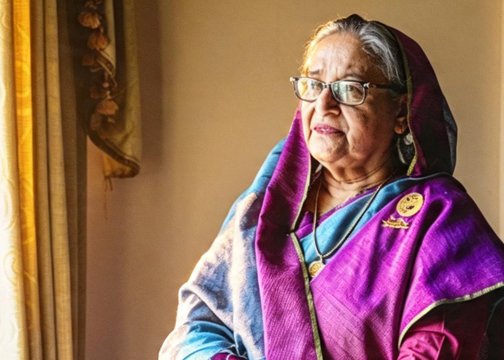
বাংলাদেশের সাম্প্রতিক রাজনৈতিক পরিবর্তনের প্রেক্ষাপটে ভারতীয় গণমাধ্যমে সাবেক প্রধানমন্ত্রী শেখ হাসিনার সাক্ষাৎকার প্রকাশ ও পুনঃপ্রচারের ওপর অন্তর্বর্তীকালীন/বর্তমান সরকারের নিয়ন্ত্রণ আরোপের সিদ্ধান্ত নীতিগত বিতর্ক সৃষ্টি করেছে। ভারত সরকার শেখ হাসিনাকে গণমাধ্যমে কথা বলা থেকে বিরত না রাখা এবং তাকে আত্মপক্ষ সমর্থনের সুযোগ দেওয়ায় তীব্র ক্ষোভ প্রকাশ করা হয়েছে। অন্যদিকে, অনুপস্থিতিতে বিচার প্রক্রিয়ার মাধ্যমে দণ্ডদানের বিষয়টি তুলে ধরে শেখ হাসিনার পক্ষ থেকে মূলত তিনটি দাবি উত্থাপিত হয়েছে—আওয়ামী লীগের ওপর থেকে নিষেধাজ্ঞা প্রত্যাহার, দলীয় সমর্থকদের বিরুদ্ধে রাজনৈতিক মামলা প্রত্যাহার এবং বিচার বিভাগীয় স্বাধীনতা নিশ্চিতকরণ। লক্ষণীয় বিষয় হলো, ১৭ বছর যুক্তরাজ্যে নির্বাসিত থাকা তারেক রহমানকে পূর্ববর্তী আওয়ামী লীগ সরকারের আমলে বক্তব্য প্রদান থেকে বিরত রাখার চেষ্টা হলেও, বর্তমান প্রেক্ষাপটে ক্ষমতাকাঠামো পরিবর্তনের পরও বাক্স্বাধীনতা ও গণমাধ্যমের স্বাধীনতার প্রশ্নে স্ববিরোধিতা ও সংকোচন পরিলক্ষিত হচ্ছে।
গণমাধ্যমের ওপর কোনো রাজনৈতিক নেতার বক্তব্য প্রচারে নিষেধাজ্ঞা আরোপের সিদ্ধান্ত মৌলিক বাক্স্বাধীনতা এবং মতপ্রকাশের অধিকারকে প্রশ্নবিদ্ধ করে। আন্তর্জাতিক নিয়মানুসারে গণমাধ্যমের স্বাধীনতা বজায় রাখা গণতান্ত্রিক রাষ্ট্রের প্রধান দায়িত্ব। কোনো নির্দিষ্ট ব্যক্তির বক্তব্য প্রচারে আইনি বা প্রশাসনিক বাধা সৃষ্টি করা শেষ পর্যন্ত তথ্যের অধিকারকে সংকুচিত করে।
অনুপস্থিতিতে পরিচালিত কোনো বিচার প্রক্রিয়ার গ্রহণযোগ্যতা আন্তর্জাতিক মানবাধিকার মানদণ্ডে প্রায়শই সমালোচিত হয়। যেকোনো অভিযুক্তের আত্মপক্ষ সমর্থন এবং নিজের বক্তব্য বিশ্বদরবারে উপস্থাপন করার অধিকার থাকা প্রয়োজন। শেখ হাসিনার বক্তব্যে উত্থাপিত দাবিসমূহ—যেমন রাজনৈতিক বিরোধীদের ওপর চাপ কমানো এবং বিচার বিভাগের নিরপেক্ষতা রক্ষা—একটি স্থিতিশীল রাজনৈতিক পরিবেশ গঠনের জন্য গুরুত্বপূর্ণ অনুষঙ্গ।
দীর্ঘদিন নির্বাসনে থেকে রাজনৈতিক তৎপরতা চালানো এবং গণমাধ্যমে বক্তব্য প্রদান করার চর্চা বাংলাদেশের রাজনীতিতে নতুন নয়। অতীতের সরকারগুলোর আমলে যেমন রাজনৈতিক বিরোধীদের কণ্ঠরোধের চেষ্টা করা হয়েছিল, তেমনি বর্তমান পরিস্থিতিতেও গণমাধ্যমের স্বাধীনতাকে পুনর্গঠন না করে একই ধরনের নিয়ন্ত্রণমূলক ব্যবস্থা গ্রহণ রাজনৈতিক দ্বিচারিতাকে প্রতিফলিত করে। ক্ষমতায় থাকা বা না থাকার ওপর ভিত্তি করে মতপ্রকাশের স্বাধীনতার ভিন্ন ভিন্ন মানদণ্ড নির্ধারণ গণতান্ত্রিক চর্চার পরিপন্থী।
রাজনীতিতে স্থায়ী স্থিতিশীলতা ও গণতন্ত্র পুনঃপ্রতিষ্ঠা করতে হলে দলীয় দৃষ্টিভঙ্গির উর্ধ্বে উঠে বাক্স্বাধীনতা,গণমাধ্যমের নিরপেক্ষতা এবং আইনের শাসন নিশ্চিত করা প্রয়োজন। কেবল নিয়ন্ত্রণের মাধ্যমে বিরোধী কণ্ঠ স্তব্ধ করার নীতি দীর্ঘমেয়াদে রাজনৈতিক ভারসাম্যহীনতাই বাড়িয়ে তোলে।
বিশ্ববিখ্যাত সংবাদমাধ্যম রয়টার্সসহ আমার নেত্রীর দিল্লি প্রেসক্লাবের অনুষ্ঠান সরাসরি সম্প্রচার করেছে ১৩৮টি গণমাধ্যম। আর ২৫৪টি গণমাধ্যম নেত্রীর অনুষ্ঠানটি সরাসরি কাভার করেছে; তাদের বরাত দিয়ে বিশ্বব্যাপী কত লাখ সংবাদমাধ্যম কাভার করেছে সেটির হিসাব বের করা কঠিন। তবে বাংলাদেশের সামগ্রিক প্রেক্ষাপটে, যারা মিলিয়ন মিলিয়ন ডলার ব্যয় করে ও লবিস্ট ফার্ম নিয়োগ দিয়ে গণমাধ্যমে খবর ছাপান, তাদের জন্য বলছি— নেত্রীর এই অনুষ্ঠানটি একটি আন্তর্জাতিক রেকর্ড গড়েছে। বাংলাদেশের কোনো রাজনীতিবিদ পুরো বিশ্বের গণমাধ্যমের এত কভারেজ পাননি আগে কখনো। তাদের আরও বলছি, আমার এই তথ্য যেন তারা একটু যাচাই করে দেখেন।
রাজনীতিতে স্থায়ী স্থিতিশীলতা ও গণতন্ত্র পুনঃপ্রতিষ্ঠা করতে হলে দলীয় দৃষ্টিভঙ্গির উর্ধ্বে উঠে বাক্স্বাধীনতা,গণমাধ্যমের নিরপেক্ষতা এবং আইনের শাসন নিশ্চিত করা প্রয়োজন। কেবল নিয়ন্ত্রণের মাধ্যমে বিরোধী কণ্ঠ স্তব্ধ করার নীতি দীর্ঘমেয়াদে রাজনৈতিক ভারসাম্যহীনতাই বাড়িয়ে তোলে।
লেখক: আনোয়ারুজ্জামান চৌধুরী, মেয়র, সিলেট সিটি কর্পোরেশন
In the backdrop of Bangladesh's recent political changes, the interim/current government's decision to impose controls on the publication and rebroadcast of former Prime Minister Sheikh Hasina’s interviews in Indian media has sparked a policy debate. Expressing severe indignation over the Indian government’s failure to restrain Sheikh Hasina from speaking to the press and granting her the opportunity to defend herself, Sheikh Hasina—pointing out the issue of her conviction through trial in absentia—has raised three primary demands: the withdrawal of the ban on the Awami League, the retraction of political cases against party supporters, and the assurance of judicial independence. Remarkably, while attempts were made during the previous Awami League administration to prevent Tarique Rahman from delivering speeches during his 17-year exile in the UK, inconsistency and restriction surrounding freedom of speech and media independence remain evident even after the shift in power dynamics.
Imposing a ban on broadcasting any political leader's speech through the media calls into question basic freedom of speech and the right to expression. According to international standards, upholding media freedom is a primary responsibility of a democratic state. Creating legal or administrative hurdles to block the transmission of a specific individual's statement ultimately curtails the right to information.
The credibility of any judicial proceeding conducted in absentia is frequently criticized under international human rights standards. Any accused individual must have the right to self-defense and to present their statement before the global community. The demands raised in Sheikh Hasina’s statement—such as easing pressure on political opposition and safeguarding judicial neutrality—are critical elements for fostering a stable political environment.
The practice of conducting political activities and delivering speeches to the media from prolonged exile is not new to Bangladesh's politics. Just as past governments attempted to stifle the voices of political opponents, adopting similar restrictive measures under current circumstances instead of reconstructing media freedom reflects political hypocrisy. Setting varying standards for freedom of expression depending on whether one is in power or not goes against democratic practices.
To re-establish permanent political stability and democracy, it is imperative to rise above partisan perspectives to guarantee freedom of speech, media neutrality, and the rule of law. A policy of suppressing opposition voices solely through control only escalates political imbalance in the long run.
138 media outlets, including world-renowned news organization Reuters, broadcast my leader's Delhi Press Club event live. Furthermore, 254 media organizations covered her event directly; citing them, it is difficult to calculate how many hundreds of thousands of news outlets covered it worldwide. In the overall context of Bangladesh, for those who spend millions of dollars and hire lobbyist firms to publish news in the media, I say this: my leader's event has set an international record. No politician from Bangladesh has ever received such extensive global media coverage before. I also invite them to verify this information of mine.
To re-establish permanent political stability and democracy, it is imperative to rise above partisan perspectives to guarantee freedom of speech, media neutrality, and the rule of law. A policy of suppressing opposition voices solely through control only escalates political imbalance in the long run.
Author: Anwaruzzaman Chowdhury, Mayor, Sylhet City Corporation