
ঝড়ের মুখে বাংলাদেশ পুলিশ: জুলাই-আগস্ট ২০২৪-এর চক্রান্তে প্রাতিষ্ঠানিক অগ্নিপরীক্ষার অজানা অধ্যায়
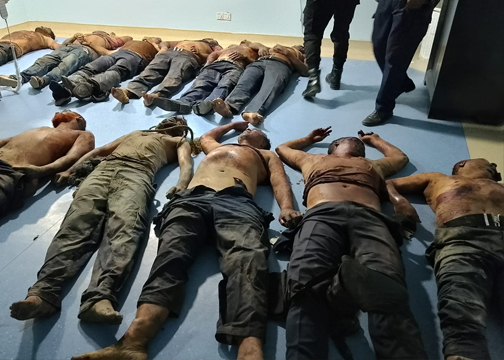
বাংলাদেশ যখন ২০২৪ সালের জুলাই ও আগস্টের উত্তাল দিনগুলোর কথা স্মরণ করবে, তখন স্বভাবতই রাজনৈতিক তোলপাড়, গণআন্দোলন এবং একটি বৈধ সরকারের নাটকীয় পতনই প্রধান হয়ে উঠবে। তবে এই যুগান্তকারী ঘটনাগুলোর অন্তরালে রয়ে গেছে আরেক গল্প—যা তুলনামূলকভাবে অনেকটাই কম আলো পেয়েছে। সেটি হলো বাংলাদেশ পুলিশের গল্প, যা জুলাই-আগস্টের তাণ্ডব চলাকালে তার ইতিহাসের অন্যতম কঠিন অগ্নিপরীক্ষার মুখোমুখি হয়েছিল।
সরকারি খাতের কোটা সংস্কারের দাবিতে শিক্ষার্থীদের একটি দেশব্যাপী আন্দোলন হিসেবে যা শুরু হয়েছিল, তা দ্রুতই এক ব্যাপক রাজনৈতিক সংঘাতের রূপ নেয়। বাংলাদেশ জাতীয়তাবাদী দল (বিএনপি), জামায়াতে ইসলামী এবং অন্যান্য উগ্রপন্থী দলসহ সুসংগঠিত রাজনৈতিক শক্তিগুলো এই অসন্তোষকে কাজে লাগিয়ে সরকারবিরোধী আন্দোলন তীব্র করে তোলে, যা চূড়ান্তভাবে আওয়ামী লীগ নেতৃত্বাধীন সরকারের পতনে ভূমিকা রাখে। আন্দোলন যত এগোতে থাকে, সহিংসতা রাজপথের বিক্ষোভ থেকে রাষ্ট্রীয় প্রতিষ্ঠানের ওপর পরিকল্পিত হামলায় রূপ নেয়; আর এই হামলার অন্যতম প্রধান লক্ষ্যে পরিণত হয় বাংলাদেশ পুলিশ।
নিউইয়র্কে ‘ক্লিনটন গ্লোবাল ইনিশিয়েটিভ’-এর এক অনুষ্ঠানে অন্তর্বর্তীকালীন সরকারের প্রধান উপদেষ্টা ড. মুহাম্মদ ইউনূসের কিছু বক্তব্য এই ঘটনার ব্যাখ্যায় নতুন মাত্রা যোগ করে। আন্দোলনের দিকে ফিরে তাকিয়ে তিনি বলেছিলেন: "এটি একটি চমৎকার, অত্যন্ত নিখুঁতভাবে প্রণীত পরিকল্পনা। এটি হঠাৎ করে এমনিতেই উঠে আসেনি... এটি খুব সুন্দরভাবে তৈরি।" তাঁর এই বক্তব্য আপাত-স্বতঃস্ফূর্ত এ আন্দোলনের পেছনে যে একটি সুসমন্বিত প্রচারণা ছিল, তা উন্মোচিত করে।
সরকারি হিসাব অনুযায়ী, অর্পিত সাংবিধানিক দায়িত্ব পালন করতে গিয়ে ৪৪ জন পুলিশ সদস্য প্রাণ হারিয়েছেন এবং ৩,০০০-এরও বেশি সদস্য গুরুতর আহত হয়েছেন। যদিও নির্ভরযোগ্য সূত্রগুলোর দাবি, নিহত পুলিশ সদস্যের প্রকৃত সংখ্যা আরও অনেক বেশি। প্রতিটি সংখ্যার পেছনে লুকিয়ে আছে এক-একটি ব্যক্তিগত ট্র্যাজেডি—ইউনিফর্ম পরিহিত অবস্থায় প্রিয়জনকে হারানো এক-একটি পরিবার, যারা তাদের বাবা, মা, স্বামী, স্ত্রী, ছেলে কিংবা মেয়েকে হারিয়েছে।
সবচেয়ে মারাত্মক হামলাগুলোর কয়েকটি ঘটেছিল সিরাজগঞ্জের এনায়েতপুর থানায়, যেখানে ভারপ্রাপ্ত কর্মকর্তা (ওসি) আব্দুর রাজ্জাকসহ ১২ জন পুলিশ সদস্য নিহত হন। একই ধরনের হামলায় যাত্রাবাড়ী, আশুলিয়া, উত্তরা পূর্ব, কুমিল্লার ইলিয়টগঞ্জ, হবিগঞ্জ এবং খুলনায় বহু পুলিশ সদস্যের প্রাণহানি ঘটে। একাধিক ঘটনায় পুলিশ সদস্যরা অত্যন্ত নৃশংস সহিংসতার শিকার হন, যা বেঁচে থাকা সহকর্মী এবং শোকসন্তপ্ত পরিবারগুলোর মনে গভীর মনস্তাত্ত্বিক ক্ষত তৈরি করেছে।
যেকোনো আইনশৃঙ্খলা রক্ষাকারী বাহিনীর জন্য এই ধরনের ক্ষতি কেবল হতাহতের পরিসংখ্যানে সীমাবদ্ধ থাকে না। এগুলো সমাজের সুরক্ষায় নিয়োজিত একটি প্রতিষ্ঠানের আত্মবিশ্বাসের মূলে আঘাত হানে। সংকটকালে পুলিশ সদস্যরা এক নজিরবিহীন বাস্তবতার মুখোমুখি হয়েছিলেন: আইন-শৃঙ্খলা রক্ষার চেষ্টার পাশাপাশি একই সাথে তাঁদের নিজস্ব থানা রক্ষা করা, আটকা পড়া সহকর্মীদের উদ্ধার করা, সরকারি স্থাপনা পাহারা দেওয়া এবং দেশজুড়ে দ্রুত ছড়িয়ে পড়া জরুরি পরিস্থিতিতে সাড়া দিতে হয়েছিল। সাধারণ অবস্থায় যে থানাগুলোকে নিরাপদ ঘাঁটি হিসেবে বিবেচনা করা হয়, সেগুলোই তখন যুদ্ধক্ষেত্রে পরিণত হয়েছিল।
ধ্বংসলীলার মাত্রা ছিল অভূতপূর্ব। সরকারি বিবরণ অনুযায়ী, ৪৫০টিরও বেশি থানা এবং পুলিশি স্থাপনায় হামলা, ভাঙচুর, লুটপাট কিংবা অগ্নিসংযোগ করা হয়েছে। এর পরিণতি কেবল ক্ষতিগ্রস্ত ভবনেই সীমাবদ্ধ থাকেনি। যোগাযোগের মাধ্যম ভেঙে পড়েছিল, তদন্ত প্রক্রিয়া ব্যাহত হয়েছিল, কারাগার বা হাজতখানার নিরাপত্তা বিঘ্নিত হয়েছিল, লজিস্টিক সহায়তা বিচ্ছিন্ন হয়েছিল এবং জননিরাপত্তার চাহিদা যখন সর্বোচ্চ চূড়ায়, ঠিক তখনই জরুরি ব্যবস্থা নেওয়ার সক্ষমতা মারাত্মকভাবে দুর্বল হয়ে পড়েছিল। রাষ্ট্রীয় মালিকানাধীন বিপুল পরিমাণ অস্ত্র ও গোলাবারুদ লুট হওয়ার চেয়ে বড় কোনো দীর্ঘমেয়াদী নিরাপত্তা ঝুঁকি আর হতে পারে না। সরকারি তথ্যে দেখা যায়, প্রায় ৫,৭৫৩টি আগ্নেয়াস্ত্র, ৬০৭,২৬২ রাউন্ড গুলি, ৩২,০০৫টি টিয়ারগ্যাস শেল এবং বেশ কিছু গ্রেনেড পুলিশি স্থাপনা থেকে লুট করা হয়েছে। অধিকাংশ ক্ষেত্রে, এই চালানের অস্ত্র ও গোলাবারুদ এখন আন্দোলনকালে জেল ও সরকারি হেফাজত থেকে মুক্ত হওয়া স্বঘোষিত সন্ত্রাসী ও অপরাধীদের হাতে রয়েছে। উদ্ধার না হওয়া প্রতিটি অস্ত্রই একটি সম্ভাব্য নিরাপত্তা ঝুঁকি, যা ভবিষ্যতে অপরাধমূলক বা উগ্রবাদী কর্মকাণ্ডে ইন্ধন জোগাতে পারে এবং আগামী বছরগুলোতে আইন প্রয়োগকারী সংস্থাগুলোর প্রচেষ্টাকে জটিল করে তুলতে পারে। উল্লেখ্য যে, উগ্রপন্থীদের হাত থেকে এই লুট হওয়া অস্ত্র ও গোলাবারুদ উদ্ধারে দৃশ্যমান কোনো সরকারি উদ্যোগ এখনো দেখা যায়নি।
পুলিশি স্থাপনা ছাড়িয়ে অন্যান্য গুরুত্বপূর্ণ রাষ্ট্রীয় অবকাঠামোতে হামলা ছড়িয়ে পড়ায় পুলিশের ওপর চাপ আরও বাড়ে। পরিবহন ব্যবস্থা, যোগাযোগ মাধ্যম, সরকারি ভবন এবং নরসিংদী জেলা কারাগারে হামলা চালানো হয়। কারাগারে হামলার সুযোগে গুরুতর অপরাধ ও চরমপন্থার অভিযোগে অভিযুক্ত ব্যক্তিসহ শত শত কয়েদি পালিয়ে যায়, যা ইতোমধ্যে চাপের মুখে থাকা পুলিশ বাহিনীর জন্য দেশব্যাপী অতিরিক্ত একটি নিরাপত্তা চ্যালেঞ্জ তৈরি করে।
তবে সম্ভবত সবচেয়ে গভীর ক্ষতগুলো ধ্বংস হওয়া ভবন বা চুরি হওয়া অস্ত্রে পরিমাপ করা যায় না। সেগুলো রয়ে গেছে সেইসব অফিসারদের স্মৃতিতে, যারা নিজেদের সহকর্মীদের নিহত হতে দেখেছেন, থানা হাতছাড়া হতে দেখেছেন এবং রাষ্ট্রের কর্তৃত্বকে সহিংসভাবে চ্যালেঞ্জের মুখে পড়তে দেখেছেন। প্রাতিষ্ঠানিক সক্ষমতা কেবল সরঞ্জাম এবং অবকাঠামোর ওপর গড়ে ওঠে না; তা গড়ে ওঠে মনোবল, বিশ্বাস এবং আত্মবিশ্বাসের ওপর—যে গুণগুলো এই ধরনের ভয়াবহ অভিজ্ঞতার পর পুনর্গঠন করতে বহু বছর সময় লাগে।
প্রতিটি গণতান্ত্রিক সমাজ সংকটকালে পুলিশের কাছ থেকে জীবনের সুরক্ষা, জনশৃঙ্খলা বজায় রাখা এবং সরকারি প্রতিষ্ঠান রক্ষার প্রত্যাশা করে। একইভাবে, দায়িত্ব পালনকালে যেসকল পুলিশ সদস্য প্রাণ হারিয়েছেন, তাদের প্রত্যেকেই স্বীকৃতি, মর্যাদা এবং নিরপেক্ষ বিচার পাওয়ার হকদার। সহিংসতার শিকার প্রতিটি সাধারণ নাগরিকের ক্ষেত্রেও একই নীতি প্রযোজ্য। বিচার কখনো সিলেক্টিভ বা পক্ষপাতদুষ্ট হতে পারে না; এটি হতে হবে সর্বজনীন, নিরপেক্ষ এবং আইনের শাসনের ওপর প্রতিষ্ঠিত।
বাংলাদেশ যখন তার সাম্প্রতিক ইতিহাসের অন্যতম প্রভাবশালী একটি অধ্যায় নিয়ে চিন্তাভাবনা অব্যাহত রেখেছে, তখন বাংলাদেশ পুলিশের প্রাতিষ্ঠানিক অগ্নিপরীক্ষার গল্পটি জাতীয় আলোচনায় একটি কেন্দ্রীয় স্থান পাওয়ার দাবি রাখে। ৪৪ জন অফিসারের মৃত্যু (সরকারি সূত্র অনুযায়ী), হাজার হাজার সদস্যের আহত হওয়া, শত শত পুলিশি স্থাপনা ধ্বংস এবং নজিরবিহীন রাষ্ট্রীয় অস্ত্র ও গোলাবারুদ হারিয়ে যাওয়া কেবল কোনো প্রাতিষ্ঠানিক ধাক্কা ছিল না। এটি ছিল জাতীয় নিরাপত্তা, সাংবিধানিক শাসন এবং আইনের শাসনের প্রতি এক গভীর চ্যালেঞ্জ।
ইতিহাস যখন কেবল কোনো জাতীয় ট্র্যাজেডির এক একক পক্ষ তুলে ধরে, তখন তা খুব কমই পূর্ণতা পায়। জুলাই-আগস্ট ২০২৪-এর সংকটের একটি পূর্ণাঙ্গ অনুধাবনের জন্য কেবল বাংলাদেশকে বদলে দেওয়া রাজনৈতিক পরিবর্তনকেই নয়, বরং সেই উত্তাল দিনগুলোতে বাংলাদেশ পুলিশের সদস্যদের অসামান্য ত্যাগ, ক্ষতি এবং প্রাতিষ্ঠানিক চ্যালেঞ্জগুলোকেও সমানভাবে স্বীকার করা প্রয়োজন।
মনিরুল ইসলাম
সম্পর্কিত সংবাদ

অবরুদ্ধ এক জাতি: ভেঙে পড়া টিকাদান সাফল্য থেকে দায়মুক্তির ছায়ায়। রোগতাত্ত্বিক মহামারী—বাংলাদেশে ২০২৬ সালের হাম ও ডেঙ্গু সংকট । পর্ব-১
সোনারবাংলার দিগন্তে কৃষিবিপ্লব: বাংলাদেশর পাঁচ বারের প্রধানমন্ত্রী শেখ হাসিনার কালজয়ী যাত্রা। যান্ত্রিকীকরণ ও প্রযুক্তির সোনালী স্পর্শ

একটি ডিনস অ্যাওয়ার্ড প্রত্যাখ্যান: কাঠগড়ায় বিশ্ববিদ্যালয়, প্রশাসন ও সরকার