১৯৬৪ সালের ১৮ অক্টোবর। ধানমন্ডির ঐতিহাসিক ৩২ নম্বর সড়কের বাড়িটি আলো করে জন্ম নিয়েছিল এক শিশু। সময়টা ছিল আন্দোলন, সংগ্রাম আর যুদ্ধ-উত্তেজনায় মুখর। তৎকালীন পূর্ব পাকিস্তানে চলছে রাজনৈতিক পালাবদল। প্রেসিডেন্ট নির্বাচনের ডামাডোলে বঙ্গবন্ধু তখন ফাতেমা জিন্নাহর প্রচারাভিযানে চট্টগ্রামে। বাড়িতে চলছে নতুন অতিথির আগমনের অপেক্ষা—উৎকণ্ঠা, দুশ্চিন্তা আর অসীম কৌতূহলে মোড়া এক সন্ধ্যা।
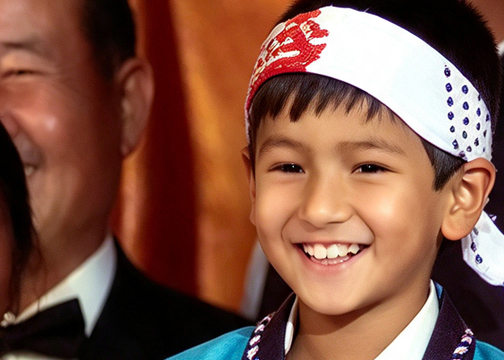
হটাৎ সেই সুসংবাদ—"আমাদের ভাই হয়েছে!"—মুহূর্তেই ঘুচিয়ে দিয়েছিল সব ক্লান্তি। বড় বড় চোখ মেলে পৃথিবীতে তাকিয়েছিল যে শিশুটি, তাঁর মাথাভরা ঘন কালো চুল আর তুলতুলে নরম গাল দেখে সেদিন কেউ কি ভেবেছিল, এই শিশুটিই একদিন বাঙালি জাতির হৃদয়ের এক গভীর ক্ষত এবং অসীম সম্ভাবনার নাম হয়ে উঠবে?
তিনি শেখ রাসেল—জাতির পিতা বঙ্গবন্ধু শেখ মুজিবুর রহমান ও বঙ্গমাতা শেখ ফজিলাতুন্নেছা মুজিবের কনিষ্ঠ পুত্র। বাংলাদেশের পাঁচবারের নির্বাচিত প্রধানমন্ত্রী, আওয়ামী লীগ সভাপতি, শেখ হাসিনার ছোট ভাই এবং শেখ রেহানার আদরের 'রাসুমণি'।
দর্শন আর মননশীলতার মেলবন্ধনে নাম 'রাসেল'
এই নামের পেছনেও জড়িয়ে আছে এক সুদূরপ্রসারী ইতিহাস। পঠিত বিষয় আর দার্শনিক চিন্তার প্রতি বঙ্গবন্ধুর গভীর অনুরাগ ছিল। কারাগারে বা অবসরে তিনি বেগম মুজিবকে প্রায়ই শোনাতেন বিশ্বখ্যাত ব্রিটিশ দার্শনিক, বিজ্ঞানী এবং পারমাণবিক যুদ্ধবিরোধী আন্দোলনের মহানায়ক বার্ট্রান্ড রাসেলের কথা। স্বামীর মুখে সেই চিন্তাবিদের জীবনদর্শন শুনে বেগম মুজিবও তাঁর ভক্ত হয়ে ওঠেন। শান্তির পক্ষে, মানুষের অধিকারের পক্ষে সোচ্চার সেই বিশ্বনেতার নামানুসারেই তাঁদের ছোট সন্তানের নাম রাখা হয় 'রাসেল'। কে জানত, বার্ট্রান্ড রাসেলের মতো বিশ্বমানবতার প্রতীক হয়ে ওঠার যে অবিকশিত সম্ভাবনা শিশু রাসেলের চোখে-মুখে দীপ্তি ছড়াচ্ছিল, ঘাতকদের নিষ্ঠুর বুলেট তা চিরতরে নিভিয়ে দেবে!
শৈশবের আকাশ জুড়ে কারাগার আর বাবার শূন্যতা
শিশু রাসেলের শৈশব ছিল আর দশটা সাধারণ শিশুর মতো নয়। ছয় দফা ঘোষণার পরই বন্দি হন বাবা। রাসেলের মনে তখন এক অদ্ভুত শূন্যতা। হাঁটতে আর আধো আধো কথা বলতে শেখার বয়সটায় সে বাবাকে খুঁজে বেড়িয়েছে সারা ঘরে। মা ব্যস্ত থাকতেন একদিকে রাজনৈতিক কর্মীদের সামলাতে, অন্যদিকে কারাবন্দি স্বামীর আইনি লড়াই ও সাক্ষাতের আয়োজনে।
প্রতি ১৫ দিন পর কারাগারে বাবার সঙ্গে দেখা করতে যাওয়ার সেই স্মৃতি আজও বুক চিরে দেয়। রাসেল কিছুতেই কারাগার ছেড়ে আসতে চাইত না। ছোট্ট মনে সান্ত্বনা দেওয়া হতো—"আব্বার বাসা এই জেলখানা, আমরা বেড়াতে এসেছি, আবার ফিরে যাবো।" শিশু রাসেল কি আর তা পুরোপুরি বুঝতে পারত? অবুঝ সেই মনের কষ্ট আর অভিমান ফুটে উঠেছে খোদ বঙ্গবন্ধুর 'কারাগারের রোজনামচা'-য়। দুই বছরের শিশুটি যখন জড়িয়ে ধরে বলত, "আব্বা, বাড়ি চলো," তখন পাষাণ প্রাচীরের ওপারে দাঁড়িয়ে থাকা বন্দি পিতার বুকভাঙ্গা দীর্ঘশ্বাস ছাড়া আর কী-ই বা দেওয়ার থাকত?
এক বিরল ব্যক্তিত্ব ও কোমল মনের অধিকারী
প্রধানমন্ত্রী শেখ হাসিনার লেখা ‘আমাদের ছোট রাসেল সোনা’ গ্রন্থে রাসেলের ব্যক্তিত্বের নানা টুকরো ছবি ভেসে ওঠে। ঘরের পোষা কবুতরের মাংস খেতে অস্বীকৃতি জানানো, নিজের পছন্দের প্রিন্স স্যুট পরা বা নিজের সিদ্ধান্তে অটল থাকা—সবকিছুতেই প্রকাশ পেত তার একটি স্বতন্ত্র ব্যক্তিত্ব ও প্রখর আত্মমর্যাদাবোধ।
বড় বোন শেখ হাসিনার সঙ্গে খুনসুটি, আর বোন শেখ রেহানার সঙ্গে তাঁর নিবিড় সখ্য ছিল চিরন্তন। ১৯৭৫ সালের ৩০ জুলাই জার্মানিতে যাওয়ার প্রাক্কালে বিমানবন্দরের বিদায়লগ্নে রেহানাকে জড়িয়ে ধরে না ছাড়ার সেই আকুলতা আজও হৃদয়ে দাগ কাটে। জার্মানি থেকে শেখ রেহানার পাঠানো সেই চিঠির স্নেহমাখা পঙ্ক্তিগুলো—"রাসুমণি... পড়ালেখা করো, খাওয়া-দাওয়া ঠিকমতো করবে..."—আজ যেন এক হারানো সুসময়ের দীর্ঘশ্বাস।
দুরন্ত শৈশব আর স্বপ্নময় দিনগুলো
৩২ নম্বরের অপ্রশস্ত রাস্তা দিয়ে বাইসাইকেল চালিয়ে লেকের ধার পর্যন্ত চক্কর কাটা ছিল রাসেলের প্রতিদিনের রুটিন। বারান্দায় দাঁড়িয়ে মা ফজিলাতুন্নেছা মুজিব স্নেহার্ত ও উৎকণ্ঠিত দৃষ্টিতে দেখতেন তাঁর দুষ্টু ছেলের বাইসাইকেল চলনা। টুঙ্গিপাড়ার খালের পানিতে সাঁতার কাটা, ফুটবল খেলা, কিংবা ফুপাতো ভাই আরিফের সঙ্গে দুরন্তপনা—সব মিলিয়ে রাসেল ছিল প্রাণপ্রাচুর্যে ভরপুর এক জীবন্ত শিশু।
কিন্তু ঘাতকের নির্মম কদর্যতা সেই প্রাণটাকে বাঁচতে দেয়নি। ১৯৭৫ সালের ১৫ আগস্ট কালরাত্রিতে ঘাতকের বুলেট কেড়ে নেয় ১১ বছরের শিশু রাসেলকে। ইউনিভার্সিটি ল্যাবরেটরি স্কুলের চতুর্থ শ্রেণির সেই ছাত্রটির বুক লক্ষ্য করে যখন হায়েনার দল গুলি চালায়, তখন সে আকুতি জানিয়ে বলেছিল, "আমি মায়ের কাছে যাবো।" কিন্তু নরপিশাচরা তাঁকে মায়ের কাছে তো দূরের কথা, বাঁচতে দেয়নি পৃথিবীর আলোতেই।
কবি সুনীল গঙ্গোপাধ্যায় তাই ব্যথিত হৃদয়ে লিখেছিলেন:-
"তুই তো গল্পের বই, খেলনা নিয়ে / সবচেয়ে পরিচ্ছন্ন বয়সেতে ছিলি! / তবুও পৃথিবী আজ এমন পিশাচ হলো / শিশুরক্তপানে তার গ্লানি নেই?"
অবিকশিত সম্ভাবনার দ্যুতি
শেখ রাসেল বেঁচে থাকলে আজ ৬২ বছরে পা রাখতেন। তিনি হতে পারতেন এ দেশের আলোকবর্তিকা, বিশ্বমানবতার এক উজ্জ্বল প্রতীক। তাঁর প্রখর মেধা, নেতৃত্বগুণ এবং মানুষের প্রতি অগাধ ভালোবাসা বলে দিত—তিনি ভবিষ্যতে এক বিশাল ব্যক্তিত্বে পরিণত হতেন।
ঘাতকরা তাঁর জীবন কেড়ে নিয়েছে বটে, কিন্তু তাঁর শিশুসুলভ পবিত্র স্মৃতি ও অদম্য চেতনাকে মুছে ফেলতে পারেনি।
আজ তাঁর জন্মদিনে আমাদের বিনম্র শ্রদ্ধা ও ভালোবাসা। সভ্যতার ইতিহাসে প্রতিটি শিশুর ঝরে যাওয়া মানেই মানবতা নিঃস্ব হওয়া। আজ সময়ের সবচেয়ে বড় ও বেদনার্ত সত্য এটাই—রাসেল নেই, কিন্তু তাঁর স্মৃতি আমাদের হৃদয়ে চিরজাগরিত।
"যেখানেই শিশু ঝরে যায়, আমি ক্ষমা চাই, আমি সভ্যতার নামে ক্ষমা চাই।"
লেখক: জাহাঙ্গীর কবির নানাক,রাজনীতিবিদ, সাবেক মন্ত্রী, প্রেসিডিয়াম সদস্য বাংলাদেশ আওয়ামী লীগ।
October 18, 1964. A child was born, bringing light into the historic residence on Road No. 32 in Dhanmondi. It was a time fraught with political turmoil, struggle, and wartime tension. Sweeping political shifts were underway in the then-East Pakistan. Amid the frenzy of the presidential election, Bangabandhu was in Chattogram, campaigning on behalf of Fatima Jinnah. At home, an evening wrapped in anxiety, concern, and immense curiosity was spent awaiting the arrival of a new guest.
Suddenly, the good news arrived—"We have a baby brother!"—instantly melting away all fatigue. As the newborn opened his large eyes to gaze at the world, who could have imagined that this baby—with a head full of dense black hair and soft, chubby cheeks—would one day become both a deep scar in the heart of the Bengali nation and the symbol of an unfulfilled promise?
He was Sheikh Russel—the youngest son of the Father of the Nation Bangabandhu Sheikh Mujibur Rahman and Bangamata Sheikh Fazilatunnesa Mujib. He was the youngest brother of Sheikh Hasina, the five-time elected Prime Minister of Bangladesh and President of the Bangladesh Awami League, and the beloved 'Rasumoni' of Sheikh Rehana.
'Russel': A Name Blending Philosophy and Intellect
A far-reaching history lies behind his name. Bangabandhu had a deep passion for reading and philosophical thought. Whether in prison or during leisure time, he often spoke to Begum Mujib about Bertrand Russell, the world-renowned British philosopher, scientist, and heroic leader of the anti-nuclear movement. Hearing about the thinker's philosophy from her husband, Begum Mujib also became an admirer. Their youngest child was named 'Russel' after this global leader who voiced his stance for peace and human rights. Who knew that the unfulfilled potential of becoming a symbol of global humanity—just like Bertrand Russell—shining in young Russel’s eyes, would be forever extinguished by the cruel bullets of assassins?
A Childhood Shadowed by Prison Walls and Father’s Absence
Little Russel’s childhood was unlike that of ordinary children. Soon after the declaration of the Six-Point Movement, his father was imprisoned. A strange emptiness filled Russel's heart. At an age when he was just learning to walk and babble his first words, he would wander through the house searching for his father. Meanwhile, his mother remained preoccupied—balancing political organizers on one hand and managing the legal battles and prison visits for her incarcerated husband on the other.
The memory of visiting his father in prison every fifteen days remains heartbreaking to this day. Russel simply refused to leave the jail premises. To comfort his young mind, he was told: "Abba’s house is this jail; we came to visit, and now we must go back." Could little Russel truly fathom this? The pain and subtle hurt of that innocent mind were captured by Bangabandhu himself in his book Prison Diaries (Karagare Rojnamcha). When the two-year-old child embraced him and pleaded, "Abba, let's go home," what could the imprisoned father, standing beyond the stone walls, offer other than a heart-wrenching sigh?
A Rare Personality and a Gentle Soul
In the book Our Small Russel Sona (Amader Chhotto Russel Sona) authored by Prime Minister Sheikh Hasina, various glimpses of Russel's personality come alive. His refusal to eat the meat of pet pigeons, his insistence on wearing his favorite prince suit, or his firmness in sticking to his decisions—all reflected a distinct personality and a sharp sense of self-respect.
His playful teasing with his elder sister Sheikh Hasina and his deep, unbreakable bond with his sister Sheikh Rehana were everlasting. On July 30, 1975, right before departing for Germany at the airport, his emotional embrace and refusal to let go of Rehana still touches the heart. The affectionate lines sent by Sheikh Rehana in a letter from Germany—"Rasumoni... study well, eat properly..."—feel like an echo of a lost, cherished time today.
Playful Childhood and Dreamy Days
Riding his bicycle down the narrow road of Road 32 all the way to the lakeside was Russel's daily routine. Standing on the veranda, his mother, Fazilatunnesa Mujib, would watch her lively boy’s cycling rounds with loving yet anxious eyes. Swimming in the canals of Tungipara, playing football, or engaging in childhood mischief with his cousin Arif—Russel was a child full of vibrant life.
Yet, the brutal ugliness of the assassins did not allow that precious life to blossom. On the dark night of August 15, 1975, the assassins' bullets cut short 11-year-old Russel’s life. As the hyenas aimed their guns at the chest of the fourth-grader from University Laboratory School, he pleaded, "I want to go to my mother." But the monsters did not let him reach his mother—nor did they let him stay under the light of this world.
Painfully moved by this tragedy, poet Sunil Gangopadhyay wrote:
"You were at the purest age, / surrounded by storybooks and toys! / Yet, has the world become so monstrous today, / that it feels no shame in drinking a child's blood?"
The Spark of Unfulfilled Potential
If Sheikh Russel were alive today, he would be entering his 62nd year. He could have been a beacon of light for this nation and a brilliant symbol of global humanity. His sharp intellect, innate leadership qualities, and profound love for people foretold that he would grow into an imposing personality.
The assassins took his life, but they could never erase his innocent, sacred memory or his irrepressible spirit.
On his birth anniversary, we offer our humble respect and love. In the history of civilization, the loss of every child is a depletion of humanity itself. Today, the greatest and most poignant truth of our time remains—Russel is no longer with us, but his memory lives on forever in our hearts.
"Wherever a child's life is cut short, I beg for forgiveness—I beg for forgiveness in the name of civilization."
Author: Jahangir Kabir Nanak, Politician, Former Minister, and Presidium Member, Bangladesh Awami League.