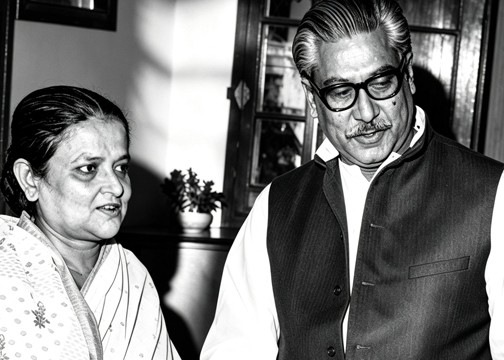
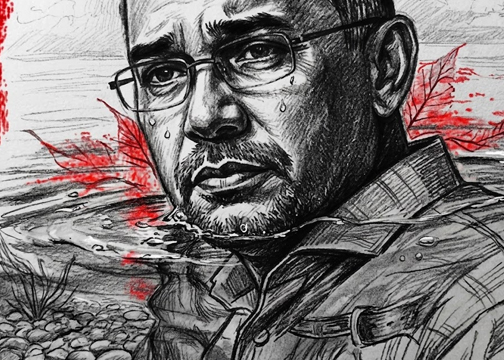
একটি স্বাধীন মানচিত্রের জন্ম কোনো আকস্মিক ঘটনার সমষ্টি নয়, বরং তা বহু বছরের নীরব আত্মত্যাগ, নিখাদ দেশপ্রেম এবং লড়াকু তারুণ্যের রক্তিম স্রোতধারার এক অবিনাশী মহাকাব্য। বাংলাদেশের স্বাধীনতা সংগ্রামের সেই বিশাল ক্যানভাসে মহাকাব্যের সমান্তরাল দুই অনন্য নক্ষত্র হলেন বঙ্গমাতা বেগম ফজিলাতুন্নেছা মুজিব এবং তাঁর জ্যেষ্ঠ পুত্র বীর মুক্তিযোদ্ধা শহীদ শেখ কামাল। বাঙালির স্বাধিকার আন্দোলনের মূল স্থপতি বঙ্গবন্ধু শেখ মুজিবুর রহমান যখন জীবনের সিংহভাগ সময় অন্ধকার প্রকোষ্ঠে কাটাতেন, তখন নেপথ্যে থেকে একটি গোটা জাতিকে স্বাধীনতার চূড়ান্ত মোহনায় পৌঁছে দেওয়ার অদৃশ্য কাণ্ডারি ছিলেন বেগম মুজিব। তিনি ছিলেন ত্যাগের এক নীরব হিমালয়, যিনি কোনো প্রচার বা ক্ষমতার মোহ ছাড়াই বাঙালি জাতীয়তাবাদের চেতনাকে নিজের গৃহকোণ থেকে রাজপথ পর্যন্ত সজীব রেখেছিলেন। অন্যদিকে তাঁরই রক্ত এবং ত্যাগের পাঠশালা থেকে উঠে আসা জ্যেষ্ঠ পুত্র শেখ কামাল ছিলেন স্বাধীন বাংলাদেশের তারুণ্যের দীপ্তিময় স্ফুলিঙ্গ। তিনি কেবল একজন রণাঙ্গনের বীর মুক্তিযোদ্ধাই ছিলেন না, বরং স্বাধীনোত্তর বাংলাদেশের শিল্প, সংস্কৃতি, নাট্যাঙ্গন ও ক্রীড়া ক্ষেত্রে এক আধুনিক বিপ্লবের অগ্রদূত ছিলেন। এই দুই মহান চরিত্রের জীবনপ্রবাহকে গভীরভাবে পর্যবেক্ষণ করলে দেখা যায়, তাঁরা ছিলেন একে অপরের পরিপূরক এবং বঙ্গবন্ধুর রাজনৈতিক জীবনের মূল শক্তি। বঙ্গমাতার দূরদর্শিতা যেমন বাঙালির রাজনৈতিক মুক্তির পথ সুগম করেছিল, তেমনি শেখ কামালের বহুমাত্রিক সৃজনশীলতা স্বাধীন দেশের যুবসমাজকে এক অনন্য মানবিক ও আধুনিক দিশা প্রদান করেছিল। তাঁদের এই যৌথ অবদান ছাড়া বাংলাদেশের ইতিহাসের पूर्णাঙ্গ রূপ অধরাই থেকে যায়। ১৯৭৫ সালের ১৫ই আগস্টের নির্মম ট্র্যাজেডিতে ঘাতকের বুলেটে এই দুই মহৎ প্রাণের মহাপ্রস্থান ঘটেছিল, কিন্তু বাঙালির আত্মপরিচয় আর স্বাধিকারের ইতিহাসে তাঁদের নাম স্বর্ণাক্ষরে খোদাই হয়ে আছে। আজকের এই বিস্তৃত দালিলিক ও আবেগাশ্রিত প্রবন্ধে আমরা প্রবেশ করব এই দুই কালজয়ী চরিত্রের জীবনের সেই গভীরতম অধ্যায়গুলোতে, যেখানে ইতিহাস আর মানুষের ভালোবাসা মিলেমিশে একাকার হয়ে গেছে।
শৈশব থেকে সহধর্মিণী: টুঙ্গিপাড়ার রেণু থেকে বাঙালির বঙ্গমাতা:
মধুমতী নদীর অববাহিকায় গড়ে ওঠা সবুজ-শ্যামল টুঙ্গিপাড়া গ্রামটি কেবল বাংলাদেশের স্থপতির জন্মস্থানই নয়, এটি বাঙালির চিরকালের আশ্রয় বঙ্গমাতা ফজিলাতুন্নেছা মুজিবেরও চারণভূমি। ১৯৩০ সালের ৮ই আগস্ট জন্ম নেওয়া এই মহিয়সী নারী শৈশবেই পিতা-মাতাকে হারিয়ে এক চরম নিঃসঙ্গতার মুখোমুখি হয়েছিল। ডাকনাম 'রেণু' হিসেবে পরিচিত এই বালিকা অত্যন্ত অল্প বয়সেই পারিবারিক সম্মতিতে শেখ মুজিবুর রহমানের সঙ্গে বিবাহবন্ধনে আবদ্ধ হন। বঙ্গবন্ধুর নিজের লেখা 'অসমাপ্ত আত্মজীবনী' গ্রন্থে রেণুর এই বাল্যকাল এবং তাঁর নিঃশর্ত সমর্থনের কথা অত্যন্ত নিপুণভাবে ফুটে উঠেছে। সেখানে শেখ মুজিব লিখেছেন কীভাবে রেণু নিজের পৈত্রিক সম্পত্তি থেকে পাওয়া অর্থ কোনো দ্বিধা ছাড়াই তাঁর রাজনৈতিক কর্মকাণ্ডের জন্য অকাতরে বিলিয়ে দিতেন। কলকাতার ইসলামিয়া কলেজে পড়ার সময় থেকে শুরু করে দেশভাগের উত্তাল দিনগুলোতে শেখ মুজিবের লড়াকু জীবনের প্রতিটি ধাপে রেণু ছিলেন এক অবিচল স্তম্ভ। ১৯৪৬ সালের কলকাতার ভয়াবহ দাঙ্গার সময় যখন চারদিকে মৃত্যুর বীভৎসতা, তখনো রেণু নিজের সুরক্ষার কথা চিন্তা না করে স্বামীকে মানুষের পাশে দাঁড়ানোর প্রেরণা দিয়েছিলেন। এই অসীম সাহস আর ধৈর্য দেখে অবিভক্ত বাংলার তৎকালীন মুখ্যমন্ত্রী হোসেন শহীদ সোহরাওয়ার্দী শেখ মুজিবকে বলেছিলেন যে তিনি অত্যন্ত ভাগ্যবতী এক নারীকে সহধর্মিণী হিসেবে পেয়েছেন, যিনি তাঁর জীবনের সবচেয়ে বড় শক্তি। রেণু কেবল একজন সাধারণ গৃহবধূ ছিলেন না, বরং তিনি বুঝতে পেরেছিলেন তাঁর স্বামীর জন্ম হয়েছে একটি জাতির মুক্তির জন্য। নিজের ব্যক্তিগত সুখ, স্বাচ্ছন্দ্য আর পারিবারিক জীবনের সমস্ত আকাঙ্ক্ষাকে বিসর্জন দিয়ে তিনি শেখ মুজিবকে উৎসর্গ করেছিলেন বাঙালির কল্যাণে। টুঙ্গিপাড়ার সেই সাধারণ রেণুই কালক্রমে নিজের প্রজ্ঞা, ধৈর্য এবং ত্যাগের মহিমায় হয়ে উঠেছিলেন কোটি বাঙালির পরম শ্রদ্ধেয় 'বঙ্গমাতা'। তাঁর জীবনের এই রূপান্তরটি কোনো জাদুবলে হয়নি, বরং তা ছিল বছরের পর বছর ধরে সহ্য করা দুঃখ, একাকীত্ব এবং ত্যাগের এক সুদীর্ঘ অগ্নিপরীক্ষার ফসল।
সংগ্রামের অগ্নিপরীক্ষা ও ধানমণ্ডির ৩২ নম্বরের গৃহকোণ:
১৯৪৭ সালের দেশভাগের পর থেকেই পাকিস্তানি শাসকগোষ্ঠীর শোষণের বিরুদ্ধে বাঙালির স্বাধিকার আন্দোলন যত বেগবান হয়েছে, শেখ মুজিবুর রহমানের কারাজীবনের দৈর্ঘ্যও তত বৃদ্ধি পেয়েছে। আর ঠিক সেই সময়েই ঢাকার টুঙ্গিপাড়া থেকে এসে ধানমণ্ডির ৩২ নম্বরের ঐতিহাসিক বাড়িটিকে কেন্দ্র করে বেগম ফজিলাতুন্নেছা মুজিবের এক নতুন সংগ্রামের অধ্যায় শুরু হয়। বছরের পর বছর স্বামী কারাগারে, ঘরে ছোট ছোট সন্তান, অর্থনৈতিক টানাপোড়েন—কিন্তু কোনো প্রতিকূলতাই বঙ্গমাতাকে তাঁর আদর্শ থেকে এক চুলও নমনীয় করতে পারেনি। তৎকালীন পূর্ব পাকিস্তানের গোয়েন্দা বিভাগের গোপন নথিপত্র এবং পাকিস্তান স্বরাষ্ট্র মন্ত্রণালয়ের আর্কাইভ ঘাঁটলে দেখা যায়, ধানমণ্ডির ৩২ নম্বরের বাড়িটির ওপর চব্বিশ ঘণ্টা কড়া নজরদারি রাখা হতো। কিন্তু সেই গোয়েন্দা জাল ছিন্ন করেই বেগম মুজিব অত্যন্ত চতুরতা ও সাহসিকতার সঙ্গে আওয়ামী লীগের কেন্দ্রীয় নেতা-কর্মীদের সঙ্গে যোগাযোগ রক্ষা করতেন। দল পরিচালনার জন্য অর্থের প্রয়োজন হলে তিনি নিজের অলঙ্কার বিক্রি করতেও দ্বিধা করেননি, অথচ সন্তানদের কোনোদিন বুঝতে দেননি যে তাঁদের বাবা ঘরে নেই বা তাঁদের কোনো অভাব রয়েছে। শেখ হাসিনা তাঁর বিভিন্ন স্মৃতিচারণমূলক গ্রন্থে লিখেছেন কীভাবে তাঁর মা একা হাতে এই বিশাল সংসার সামলেছেন এবং একই সাথে কারাবন্দী বঙ্গবন্ধুর কাছে রাজনৈতিক খবরাখবর পৌঁছে দিয়েছেন। বেগম মুজিব কেবল পরিবারকে আগলে রাখেননি, তিনি ছিলেন আওয়ামী লীগের সংকটকালীন অভিভাবক। যখনই দলের শীর্ষ নেতারা গ্রেপ্তার হতেন, তৃণমূলের নেতা-কর্মীরা দিকনির্দেশনার জন্য ধানমণ্ডির ৩২ নম্বরের এই গৃহকোণেই ছুটে আসতেন। বঙ্গমাতা তাঁদের মাতৃস্নেহে খাওয়াতেন, সান্ত্বনা দিতেন এবং বঙ্গবন্ধুর গোপন বার্তা তাঁদের কাছে পৌঁছে দিতেন। এভাবে ধানমণ্ডির ৩২ নম্বরের বাড়িটি কেবল একটি সাধারণ বাসস্থান ছিল না, বরং তা হয়ে উঠেছিল বাঙালির স্বাধিকার আন্দোলনের অলিখিত প্রধান কার্যালয় এবং বেগম মুজিব ছিলেন তার মূল চালিকাশক্তি।
রাজনৈতিক দূরদর্শিতা: আগরতলা মামলা ও ৭ই মার্চের সিদ্ধান্ত:
বেগম ফজিলাতুন্নেছা মুজিবের রাজনৈতিক প্রজ্ঞা ও দূরদর্শিতা বাংলাদেশের ইতিহাসের মোড় সম্পূর্ণ বদলে দিয়েছিল, যার দুটি সবচেয়ে বড় প্রমাণ হলো আগরতলা ষড়যন্ত্র মামলা এবং ৭ই মার্চের ঐতিহাসিক ভাষণ। ১৯৬৮ সালে যখন বঙ্গবন্ধুকে এক নম্বর আসামি করে আগরতলা ষড়যন্ত্র মামলা দায়ের করা হয়, তখন বাঙালি জাতির অস্তিত্ব এক চরম সংকটের মুখে পড়ে। আইয়ুব খানের সামরিক সরকার বঙ্গবন্ধুকে প্যারোলে মুক্তি দিয়ে লাহোরে গোলটেবিল বৈঠকে যোগ দেওয়ার জন্য এক মারাত্মক রাজনৈতিক টোপ দেয়। আওয়ামী লীগের অনেক বড় বড় এবং প্রবীণ নেতাও তখন পরিস্থিতির চাপে পড়ে প্যারোলে মুক্তির পক্ষে সায় দিয়েছিলেন। কিন্তু কারাগারের ভেতরে থাকা বঙ্গবন্ধুর কাছে বেগম মুজিব অত্যন্ত দৃঢ় বার্তা পাঠিয়েছিলেন যে কোনো অবস্থাতেই প্যারোলে মুক্তি নেওয়া যাবে না, মুক্তি হতে হবে সম্পূর্ণ নিঃশর্ত। তিনি জানতেন, প্যারোলে মুক্তি নিলে বাঙালির স্বাধিকার আন্দোলন আইয়ুবের চক্রান্তে ধূলিসাৎ হয়ে যাবে এবং শেখ মুজিবের রাজনৈতিক ভবিষ্যৎ শেষ হয়ে যাবে। বঙ্গমাতার এই অবিচল ও অনমনীয় সিদ্ধান্তের কারণেই বঙ্গবন্ধু প্যারোলের প্রস্তাব প্রত্যাখ্যান করেন, যার ফলশ্রুতিতে ১৯৬৯ সালের গণঅভ্যুত্থানের মাধ্যমে পাকিস্তান সরকার মামলা প্রত্যাহার করতে বাধ্য হয় এবং শেখ মুজিব 'বঙ্গবন্ধু' উপাধিতে ভূষিত হন। এর ঠিক দুই বছর পর, ১৯৭১ সালের ৭ই মার্চ যখন তৎকালীন রেসকোর্স ময়দানে লাখো জনতার ঢল, তখন বঙ্গবন্ধুকে ঘিরে ছিল শত শত নেতার হাজারো পরামর্শ আর চিরকুটের ভিড়। ভাষণের ঠিক আগ মুহূর্তে বেগম মুজিব বঙ্গবন্ধুকে ঘরের ভেতরে নিয়ে গিয়ে বলেছিলেন, অনেকে অনেক কথা বলবে, কিন্তু তুমি শুধু তা-ই বলবে যা তোমার মন থেকে আসে, কারণ তোমার সামনে তোমার দেশের মানুষ আর পেছনে পাকিস্তানি সামরিক জান্তার বন্দুক। বঙ্গমাতার এই একটিমাত্র আত্মিক পরামর্শ বঙ্গবন্ধুকে ইতিহাসের শ্রেষ্ঠ অলিখিত এবং বজ্রকণ্ঠের সেই ভাষণটি দেওয়ার আত্মবিশ্বাস জুগিয়েছিল, যা বাঙালিকে স্বাধীনতার চূড়ান্ত যুদ্ধে ঝাঁপিয়ে পড়তে উদ্বুদ্ধ করেছিল।
শহীদ শেখ কামালের সংগ্রামী শৈশব ও কৈশোর:
১৯৪৯ সালের ৫ই আগস্ট গোপালগঞ্জের টুঙ্গিপাড়ায় যখন শেখ কামালের জন্ম হয়, তখন তাঁর পিতা শেখ মুজিবুর রহমান ভাষা আন্দোলনের প্রস্তুতি এবং রাজনৈতিক কারণে কারান্তরালে। কামালের পুরো শৈশব এবং কৈশোর কেটেছে এক অদ্ভুত ও বেদনাবিধুর বাস্তবতার মধ্য দিয়ে, যেখানে বাবার সান্নিধ্য ছিল এক পরম বিলাসের মতো। শেখ হাসিনার লেখা 'শেখ মুজিব আমার পিতা' গ্রন্থে একটি অত্যন্ত হৃদয়স্পর্শী ঘটনার উল্লেখ আছে, যা পড়লে যেকোনো মানুষের চোখ অশ্রুসজল হয়ে ওঠে। শৈশবে কামাল যখন দেখতেন যে তাঁর বড় বোন হাসিনা বঙ্গবন্ধুকে 'আব্বা' বলে ডাকছেন, তখন একদিন কামাল অত্যন্ত নিষ্পাপ ও করুণ সুরে আপাকে জিজ্ঞেস করেছিলেন যে তিনি কি বঙ্গবন্ধুকে একটু 'আব্বা' বলে ডাকতে পারেন। এই একটি ঘটনাই প্রমাণ করে যে পাকিস্তানি শাসকগোষ্ঠীর নিষ্ঠুরতা কীভাবে একটি শিশুর কাছ থেকে তাঁর বাবার স্বাভাবিক স্নেহ কেড়ে নিয়েছিল। কিন্তু এই পিতৃস্নেহবঞ্চিত কৈশোর কামালকে দুর্বল বা হতাশ করেনি, বরং বঙ্গমাতার কঠোর নজরদারি এবং সুশিক্ষায় তিনি গড়ে উঠেছেন এক অত্যন্ত বিনয়ী, লড়াকু এবং স্বাবলম্বী তরুণ হিসেবে। ধানমণ্ডি সরকারি বালক বিদ্যালয় থেকে মাধ্যমিক এবং ঢাকা কলেজ থেকে উচ্চ মাধ্যমিক পাস করার পর কামাল যখন ঢাকা বিশ্ববিদ্যালয়ের সমাজবিজ্ঞান বিভাগে ভর্তি হন, তখন থেকেই তাঁর নেতৃত্বের গুণাবলী বিকশিত হতে শুরু করে। তিনি ক্ষমতার খুব কাছাকাছি থেকেও কোনোদিন অহংকার বা বিলাসিতাকে নিজের জীবনে স্থান দেননি। সাধারণ সুতি শার্ট আর স্যান্ডেল পরে সাধারণ শিক্ষার্থীদের সাথে মিশে যেতেন তিনি। বাবার রাজনৈতিক জীবনের ঝোড়ো হাওয়া তাঁর গায়ে লেগেছিল ঠিকই, কিন্তু তিনি তা থেকে প্রতিহিংসা বা ক্ষমতার লোভ শেখেননি, বরং শিখেছিলেন দেশের জন্য কীভাবে নিজেকে বিলিয়ে দিতে হয়। শেখ কামালের এই সংগ্রামী শৈশবই পরবর্তীতে তাঁকে একজন আদর্শ রণাঙ্গনের যোদ্ধা এবং দেশের সংস্কৃতির কাণ্ডারি হিসেবে গড়ে তুলতে সাহায্য করেছিল।
মুক্তিযুদ্ধে বীরত্বপূর্ণ ভূমিকা ও রণাঙ্গনের যোদ্ধা:
১৯৭১ সালের মার্চের সেই উত্তাল দিনগুলোতে শেখ কামাল কেবল ছাত্রনেতা হিসেবেই সক্রিয় ছিলেন না, বরং তিনি বুঝতে পেরেছিলেন যে এবার সশস্ত্র সংগ্রামের কোনো বিকল্প নেই। ২৫শে মার্চের কালরাতে যখন পাকিস্তানি সেনাবাহিনী অপারেশন সার্চলাইট শুরু করে এবং বঙ্গবন্ধুকে গ্রেপ্তার করে, তখন কামাল ধানমণ্ডির বাড়ি থেকে বের হয়ে সরাসরি মুক্তিযুদ্ধে অংশ নেওয়ার জন্য সীমান্ত অতিক্রম করেন। স্বাধীন বাংলাদেশের সামরিক ইতিহাসের দালিলিক প্রমাণ অনুযায়ী, শেখ কামাল ছিলেন প্রথম যুদ্ধকালীন অফিসার ক্যাডেট কোর্সের (৬১ ফ্রিডম ফাইটার্স) অন্যতম সফল স্নাতক। ভারতের মূর্তিতে অত্যন্ত কঠোর সামরিক প্রশিক্ষণ শেষে তিনি সেকেন্ড লেফটেনেন্ট হিসেবে কমিশন লাভ করেন এবং বাংলাদেশ সেনাবাহিনীর নিয়মিত বাহিনীতে অন্তর্ভুক্ত হন। তাঁর মেধা, সাহসিকতা এবং সুশৃঙ্খল জীবনযাপনের কারণে তাঁকে মুক্তিবাহিনীর প্রধান সেনাপতি জেনারেল আতাউল গনি ওসমানীর এডিসি (ADC) হিসেবে নিযুক্ত করা হয়েছিল। যুদ্ধ চলাকালীন সময়ে কামাল অত্যন্ত দক্ষতার সাথে বিভিন্ন যুদ্ধক্ষেত্রের সমন্বয় সাধন করতেন এবং রণাঙ্গনে মুক্তিযোদ্ধাদের মনোবল চাঙ্গা রাখতে কাজ করতেন। মুজিবনগর সরকারের বিভিন্ন গুরুত্বপূর্ণ নথিতে শেখ কামালের এই নিরলস ও বীরত্বপূর্ণ অবদানের কথা অত্যন্ত শ্রদ্ধার সাথে স্মরণ করা হয়েছে। দেশের রাষ্ট্রপতির জ্যেষ্ঠ পুত্র হয়েও তিনি কোনো বিশেষ সুবিধা বা নিরাপদ আশ্রয়ের খোঁজ করেননি, বরং সাধারণ মানুষের সাথে কাঁধে কাঁধ মিলিয়ে জীবন বাজি রেখে যুদ্ধ করেছেন। ১৯৭১ সালের ১৬ই ডিসেম্বর যখন বাংলাদেশ স্বাধীন হয়, তখন কামাল একজন বিজয়ী বীর হিসেবে ঢাকায় ফিরে আসেন, কিন্তু সামরিক পোশাকে থাকা সেই তরুণের মনে তখন কাজ করছিল যুদ্ধবিধ্বস্ত দেশটাকে নতুন করে গড়ে তোলার এক বিশাল স্বপ্নের তাড়না।
স্বাধীন বাংলাদেশে শেখ কামালের সাংস্কৃতিক বিপ্লব:
স্বাধীনতার পর যুদ্ধবিধ্বস্ত বাংলাদেশকে কেবল অর্থনৈতিকভাবে পুনর্গঠন করাই যথেষ্ট ছিল না, দেশের তরুণ সমাজকে এক হতাশাচ্ছন্ন পরিবেশ থেকে বের করে একটি সুস্থ, সুন্দর ও সৃষ্টিশীল ধারায় ফিরিয়ে আনা ছিল সমান জরুরি। আর এই মহান সাংস্কৃতিক দায়িত্বটি স্বকীয় উদ্যোগে নিজের কাঁধে তুলে নিয়েছিলেন শহীদ শেখ কামাল। তিনি অনুধাবন করতে পেরেছিলেন যে একটি স্বাধীন সার্বভৌম রাষ্ট্রের সংস্কৃতি হতে হবে আধুনিক, যুগোপযোগী অথচ নিজস্ব লোকজ ঐতিহ্যের শেকড়ে গাঁথা। এই ভাবনা থেকেই তিনি প্রতিষ্ঠা করেন সাংস্কৃতিক সংগঠন 'স্পন্দন শিল্পীগোষ্ঠী'। স্পন্দন শিল্পীগোষ্ঠীর মাধ্যমে শেখ কামাল বাংলাদেশে পপ মিউজিক এবং আধুনিক লোকসংগীতের এক অভূতপূর্ব মেলবন্ধন ঘটিয়েছিলেন। তৎকালীন তরুণ প্রজন্মের কাছে দেশীয় সংস্কৃতিকে আকর্ষণীয় করে তুলতে তিনি ওয়েস্টার্ন বাদ্যযন্ত্রের সাথে বাংলার একতারা ও দোতারার এক অপূর্ব সমন্বয় ঘটান। শুধু তা-ই নয়, ঢাকা বিশ্ববিদ্যালয়ের নাট্যাঙ্গনে তিনি ছিলেন এক উজ্জ্বল তারকা। 'ঢাকা থিয়েটার' গঠনে তাঁর ভূমিকা ছিল অত্যন্ত অগ্রণী। প্রখ্যাত নাট্যকার ও নির্দেশকদের সাথে কাঁধ মিলিয়ে তিনি মঞ্চনাটকে অভিনয় করেছেন, নির্দেশনা দিয়েছেন এবং সংস্কৃতিচর্চাকে বাঙালির দৈনন্দিন জীবনের অংশ করে তোলার জন্য দিন-রাত কাজ করেছেন। ছায়ানটের একজন ছাত্র হিসেবে সেতার বাদনেও তাঁর ছিল অসাধারণ দক্ষতা। ক্ষমতার অলিন্দ থেকে বহু দূরে থেকে কেবল সাংস্কৃতিক বিপ্লবের মাধ্যমে যুবসমাজকে চরিত্রবান ও দেশপ্রেমিক করে গড়ে তোলার এই প্রয়াস ছিল শেখ কামালের দূরদর্শী মানসসূত্রের এক অনন্য নিদর্শন।
ক্রীড়াঙ্গনে আধুনিকতার সূচনা: আবাহনী ক্রীড়াচক্র:
বাংলাদেশের ক্রীড়াঙ্গনের ইতিহাসে শেখ কামাল হলেন সেই স্বপ্নদ্রষ্টা, যিনি এদেশের ফুটবল ও খেলাধুলাকে আন্তর্জাতিক আধুনিকতার আলোয় আলোকিত করেছিলেন। ১৯৭২ সালে তাঁরই হাত ধরে প্রতিষ্ঠিত হয় 'আবাহনী ক্রীড়াচক্র' (বর্তমানে আবাহনী লিমিটেড), যা বাংলাদেশের খেলাধুলার মানচিত্রকে চিরতরে বদলে দিয়েছিল। আবাহনী প্রতিষ্ঠার পূর্বে এদেশের ক্রীড়াঙ্গন ছিল প্রথাগত ও অপেশাদার ধারণায় আবদ্ধ। শেখ কামাল প্রথম অনুধাবন করেন যে কেবল আবেগ দিয়ে আন্তর্জাতিক ক্রীড়াবিশ্বে টিকে থাকা সম্ভব নয়; প্রয়োজন আধুনিক বৈজ্ঞানিক প্রশিক্ষণ, উন্নত অবকাঠামো এবং সঠিক পেশাদারিত্ব। তাই তিনি তৎকালীন উপমহাদেশের ক্রীড়াঙ্গনে অভূতপূর্ব এক পদক্ষেপ নিয়েছিলেন—ইংল্যান্ড থেকে বিল হার্ট নামের একজন বিদেশি হাই-প্রোফাইল ফুটবল কোচকে বাংলাদেশে এনে আবাহনীর দায়িত্ব দেন। খেলোয়াড়দের জন্য উন্নত বুট, আধুনিক জার্সি, সুষম খাদ্য এবং বৈজ্ঞানিক অনুশীলনের ব্যবস্থা করে তিনি ক্রীড়াজগতে এক নতুন যুগের সূচনা করেছিলেন। আবাহনী ও মোহামেডানের মধ্যকার দ্বৈরথ এদেশের ফুটবলপ্রেমিদের মাঝে যে অভূতপূর্ব উদ্দীপনার সৃষ্টি করেছিল, তার পেছনে কামালের দূরদর্শী ক্রীড়া সংগঠন মানসিকতা কাজ করেছিল। শুধু ফুটবল নয়, ক্রিকেট, বাস্কেটবল ও হকি খেলাকেও আধুনিক রূপ দিতে তিনি নিরলস কাজ করে গেছেন। ভারতের পশ্চিমবঙ্গসহ আন্তর্জাতিক পরিমণ্ডলের তৎকালীন ক্রীড়া বিশেষজ্ঞরা শেখ কামালের এই আধুনিক ক্রীড়াচিন্তার ভূয়সী প্রশংসা করেছিলেন।
মা ও ছেলের আত্মিক বন্ধন এবং অভিন্ন জীবনদর্শন:
বঙ্গমাতা বেগম ফজিলাতুন্নেছা মুজিব এবং তাঁর জ্যেষ্ঠ পুত্র শেখ কামালের সম্পর্কটি কেবল সাধারণ মা ও ছেলের পারিবারিক বন্ধনের মধ্যেই সীমাবদ্ধ ছিল না, তা ছিল এক অভিন্ন জীবনদর্শন ও দেশপ্রেমের মেলবন্ধন। শেখ কামালের ভেতরে বঙ্গমাতার যে গুণটি সবচেয়ে স্পষ্টভাবে পরিলক্ষিত হতো, তা হলো তাঁর সীমাহীন বিনয়, সরলতা এবং বিলাসিতাহীন জীবনযাপন। রাষ্ট্রপতি ও জাতির পিতার সন্তান হয়েও শেখ কামাল সবসময় অতি সাধারণ জীবনযাপন করতেন। ঢাকা বিশ্ববিদ্যালয়ে ক্লাস করতে যাওয়ার সময় তিনি কোনো প্রটোকল বা বিশেষ গাড়ি ব্যবহার করতেন না, বরং অতি সাধারণ সুতি শার্ট ও স্যান্ডেল পরে সাধারণ শিক্ষার্থীদের সাথে বাসে বা রিকশায় যেতেন। ক্ষমতার কোনো অহংকার তাঁকে স্পর্শ করতে পারেনি, যার মূল কারণ ছিল বঙ্গমাতার গৃহশিক্ষার শৃঙ্খলা ও অনাবিল নৈতিকতা। বঙ্গমাতা যেমন ধানমণ্ডির ৩২ নম্বরের বাড়িতে নিজের হাতে রান্না করে সাধারণ কর্মী থেকে শুরু করে রাষ্ট্রের শীর্ষ নেতাদের আপ্যায়ন করতেন, কামালও তেমনি খেলার মাঠ বা থিয়েটারের সহকর্মীদের আপন করে নিতেন। সততা, মানুষের প্রতি প্রগাঢ় ভালোবাসা এবং দেশের জন্য স্বতঃস্ফূর্ত ত্যাগের এই শিক্ষা শেখ কামাল অর্জন করেছিলেন বঙ্গমাতার কাছ থেকেই। মা ও ছেলের এই আত্মিক মিলই প্রমাণ করে যে কীভাবে এক মহীয়সী নারী নিজের পারিবারিক শিক্ষার মাধ্যমে একটি স্বাধীন রাষ্ট্রের ভবিষ্যৎ নেতৃত্ব ও সংস্কৃতিকে গড়ে তুলতে পারেন।
১৫ই আগস্ট ১৯৭৫: রক্তস্নাত অধ্যায় ও অমরত্ব:
১৯৭৫ সালের ১৫ই আগস্টের কালরাত বাংলাদেশের ইতিহাসকে এক কলঙ্কিত ও রক্তাক্ত অধ্যায়ে নিমজ্জিত করেছিল। ধানমণ্ডির ৩২ নম্বরের সেই বাড়িতে রাতের অন্ধকারে যখন দেশি-বিদেশি চক্রান্তে সেনাবাহিনীর কিছু বিপথগামী ঘাতক আক্রমণ চালায়, তখন পরম সাহসিকতার সাথে প্রথম প্রতিরোধ গড়ে তুলেছিলেন বীর মুক্তিযোদ্ধা শেখ কামাল। মাত্র ছাব্বিশ বছর বয়সী এই তরুণ ঘাতকদের বুলেটের সামনে নিজের বুক পেতে দিয়ে প্রথম শাহাদাত বরন করেন। আর ঘাতকেরা যখন জাতির পিতা শেখ মুজিবুর রহমানকে হত্যা করে, তখন বঙ্গমাতা কাপুরুষের মতো নিজের প্রাণভিক্ষা চাননি। জীবনের শেষ মুহূর্ত পর্যন্ত স্বামীর পাশে দাঁড়িয়ে তিনি গর্জে উঠে ঘাতকদের বলেছিলেন, "তাঁকে যখন মেরেছ, আমাকেও মেরে ফেলো"। স্বামীর রক্তস্নাত মরদেহের ওপরই ঢলে পড়ে চিরবিদায় নেন বাঙালির এই মহীয়সী মা। ১৫ই আগস্টের এই বর্বর হত্যাকাণ্ড বঙ্গমাতা ও শেখ কামালের নশ্বর দেহকে এ পৃথিবী থেকে ছিনিয়ে নিয়ে গেছে ঠিকই, কিন্তু বাঙালির হৃদয় থেকে তাঁদের অবদানকে কোনোদিন মুছে ফেলতে পারেনি। আজ স্বাধীন বাংলাদেশের মানচিত্রে বঙ্গমাতা ফজিলাতুন্নেছা মুজিব ত্যাগের নীরব অবিনাশী স্তম্ভ হিসেবে এবং বীর মুক্তিযোদ্ধা শহীদ শেখ কামাল চির তরুণ ও সৃষ্টিশীলতার প্রতীক হিসেবে অম্লান হয়ে আছেন। তাঁদের জীবনদর্শনের আলো আজকেও আধুনিক, প্রগতিশীল ও উন্নত বাংলাদেশ গড়ার পথে বর্তমান প্রজন্মের কাছে এক চিরন্তন ও দিক নির্দেশক বাতিঘর।
লেখক: ঈশ্বর ভট্টাচার্য , রাজনৈতিক বিশ্লেক ও কলামিস্ট
The birth of an independent map is not a mere collection of accidental events; rather, it is an indelible epic woven from decades of silent sacrifice, pure patriotism, and the crimson stream of fighting youth. On that vast canvas of Bangladesh’s liberation struggle, two unique parallel stars of the epic are Bangamata Begum Fazilatunnesa Mujib and her eldest son, the heroic freedom fighter Shahid Sheikh Kamal. When the primary architect of the Bengali movement for self-determination, Bangabandhu Sheikh Mujibur Rahman, spent the majority of his life in dark prison cells, Begum Mujib was the invisible navigator behind the scenes who guided an entire nation to the ultimate shore of independence. She was a silent Himalaya of sacrifice who kept the spirit of Bengali nationalism vibrant from her domestic hearth to the streets, without any craving for publicity or power. On the other hand, emerging from the school of her blood and sacrifice, her eldest son Sheikh Kamal was the luminous spark of youth in independent Bangladesh. He was not only a heroic freedom fighter on the battlefield, but also the pioneer of a modern revolution in the post-independence art, culture, theater, and sports arenas of Bangladesh.
A deep observation of the life journeys of these two noble personalities reveals that they were complementary to each other and served as the core strength of Bangabandhu's political life. Just as Bangamata’s foresight smoothed the path toward the political liberation of the Bengalis, Sheikh Kamal’s multidimensional creativity provided a unique humanistic and modern direction to the youth of the newly independent country. Without their combined contributions, the comprehensive history of Bangladesh remains incomplete. Although these two noble souls departed through the assassin's bullets in the brutal tragedy of August 15, 1975, their names remain etched in letters of gold in the history of Bengali self-identity and self-determination. In this extensive, documentary, and emotion-laden essay, we will enter the deepest chapters of the lives of these two timeless figures, where history and human love merge into one.
From Childhood to Life Partner: From Tungipara’s Renu to the Nation's Bangamata
The lush green village of Tungipara, nestled along the basin of the Madhumati River, is not only the birthplace of the founder of Bangladesh, but also the sanctuary of Bangamata Fazilatunnesa Mujib, the eternal shelter of the Bengalis. Born on August 8, 1930, this noble woman lost her parents in early childhood and was confronted with extreme loneliness. Known by her nickname 'Renu', this young girl was married to Sheikh Mujibur Rahman at a very early age through a family decision. Renu’s childhood and her unconditional support are vividly portrayed in Bangabandhu’s own book, The Unfinished Memoirs. There, Sheikh Mujib wrote how Renu unhesitatingly and generously gave away the money she received from her ancestral property to fund his political activities. From his student days at Kolkata’s Islamia College through the turbulent days of the Partition, Renu was an unwavering pillar at every step of Sheikh Mujib’s fighting life. During the horrific 1946 communal riots in Kolkata, when ghastly deaths raged all around, Renu inspired her husband to stand beside the people without giving a thought to her own safety. Witnessing this immense courage and patience, the then Chief Minister of undivided Bengal, Huseyn Shaheed Suhrawardy, told Sheikh Mujib that he was extremely fortunate to have a woman as his wife who was the greatest strength of his life.
Renu was not merely an ordinary housewife; she understood that her husband was born for the liberation of a nation. Sacrificing all her personal happiness, comfort, and domestic desires, she dedicated Sheikh Mujib to the welfare of the Bengalis. In the course of time, that simple Renu of Tungipara became the deeply revered 'Bangamata' of millions of Bengalis through her wisdom, patience, and the glory of her sacrifice. This transformation of her life did not happen by magic; rather, it was the fruit of a long ordeal of enduring years of grief, loneliness, and sacrifice.
The Trial by Fire of the Struggle and the Hearth of Dhanmondi 32
After the Partition of 1947, as the Bengali movement for self-determination against the exploitation of the Pakistani ruling class gained momentum, the duration of Sheikh Mujibur Rahman's prison life also increased. Right at that time, coming from Tungipara to Dhaka, a new chapter of Begum Fazilatunnesa Mujib's struggle began centered around the historic house at Dhanmondi 32. Husband in prison year after year, young children at home, financial hardships—yet no adversity could sway Bangamata even an inch from her ideals. Secret documents from the then East Pakistan Intelligence Branch and archives of the Pakistan Ministry of Home Affairs show that the house at Dhanmondi 32 was kept under strict 24-hour surveillance. But breaking through that intelligence net, Begum Mujib maintained contact with the central leaders and activists of the Awami League with extreme cleverness and courage. Whenever money was needed to run the party, she did not hesitate to sell her own jewelry, yet she never let her children feel that their father was not at home or that they lacked anything.
Sheikh Hasina has written in various of her memoirs about how her mother single-handedly managed this large family while simultaneously delivering political news to the imprisoned Bangabandhu. Begum Mujib did not merely protect her family; she was the crisis-time guardian of the Awami League. Whenever top party leaders were arrested, grassroots activists rushed to this home at Dhanmondi 32 for direction. Bangamata fed them with maternal affection, comforted them, and passed on Bangabandhu’s secret messages to them. Thus, the house at Dhanmondi 32 was not just an ordinary residence; it had become the unwritten headquarters of the Bengali self-determination movement, and Begum Mujib was its main driving force.
Political Foresight: The Agartala Case and the Decision of March 7
Begum Fazilatunnesa Mujib's political wisdom and foresight completely changed the course of Bangladesh's history, the two greatest proofs of which are the Agartala Conspiracy Case and the historic speech of March 7. In 1968, when Bangabandhu was made the number one accused in the Agartala Conspiracy Case, the very existence of the Bengali nation faced an extreme crisis. Ayub Khan’s military government offered a deadly political bait by offering Bangabandhu release on parole to join a round-table conference in Lahore. Pressed by the circumstances, many senior and prominent leaders of the Awami League agreed to the parole release.
However, Begum Mujib sent a very firm message to Bangabandhu inside the prison that under no circumstances should he accept release on parole; his release had to be completely unconditional. She knew that accepting parole would crush the Bengali movement for self-determination under Ayub's conspiracy and end Sheikh Mujib's political future. It was due to Bangamata’s steadfast and unyielding decision that Bangabandhu rejected the parole proposal, as a result of which the Pakistan government was forced to withdraw the case in the wake of the 1969 Mass Upsurge, and Sheikh Mujib was bestowed with the title 'Bangabandhu'.
Just two years later, on March 7, 1971, when a crowd of hundreds of thousands surged at the then Racecourse Ground, Bangabandhu was surrounded by thousands of suggestions and notes from hundreds of leaders. Right before the speech, Begum Mujib took Bangabandhu into a room and said that many people would say many things, but he should only speak what came from his heart, because before him were his country's people and behind him were the guns of the Pakistani military junta. This single spiritual piece of advice from Bangamata gave Bangabandhu the confidence to deliver that greatest unwritten, thunderous speech in history, which inspired the Bengalis to jump into the ultimate war of independence.
The Struggling Childhood and Adolescence of Shahid Sheikh Kamal
When Sheikh Kamal was born on August 5, 1949, in Tungipara, Gopalganj, his father Sheikh Mujibur Rahman was behind bars due to political reasons and preparations for the Language Movement. Kamal’s entire childhood and adolescence were spent amidst a strange and poignant reality where his father's presence was an ultimate luxury. In Sheikh Hasina’s book Sheikh Mujib Amar Pita (Sheikh Mujib My Father), there is a very touching incident mentioned that brings tears to anyone’s eyes. In his childhood, when Kamal saw his elder sister Hasina calling Bangabandhu 'Abba' (father), one day Kamal asked his sister in an innocent and sad tone if he could call Bangabandhu 'Abba' for a little bit. This single incident proves how the cruelty of the Pakistani ruling class robbed a child of his father’s natural affection.
Yet, this adolescence deprived of paternal affection did not make Kamal weak or frustrated; rather, under Bangamata’s strict supervision and proper upbringing, he grew up to be an exceptionally humble, courageous, and self-reliant young man. After passing secondary school from Dhanmondi Government Boys' High School and higher secondary from Dhaka College, his leadership qualities began to bloom when he enrolled in the Sociology Department of Dhaka University. Despite being so close to power, he never allowed pride or luxury into his life. Wearing a simple cotton shirt and sandals, he mingled with ordinary students. The stormy winds of his father’s political life had touched him, but he did not learn revenge or greed for power from it; instead, he learned how to dedicate himself to the country. This struggling childhood later helped shape Sheikh Kamal into an ideal battlefield warrior and a custodian of the nation's culture.
Heroic Role in the Liberation War and Battlefield Warrior
During the turbulent days of March 1971, Sheikh Kamal was not only active as a student leader, but he also realized that there was no alternative to armed struggle this time. On the black night of March 25, when the Pakistan Army launched Operation Searchlight and arrested Bangabandhu, Kamal stepped out of the Dhanmondi house and crossed the border to directly participate in the Liberation War. According to documentary evidence of Bangladesh's military history, Sheikh Kamal was one of the most successful graduates of the First War-time Officer Cadet Course (61 Freedom Fighters). After rigorous military training in Murtee, India, he was commissioned as a Second Lieutenant and incorporated into the regular forces of the Bangladesh Army. Due to his intellect, courage, and disciplined life, he was appointed as the Aide-de-Camp (ADC) to General Ataul Gani Osmani, the Commander-in-Chief of the Mukti Bahini.
During the war, Kamal coordinated various battlefields with great efficiency and worked to boost the morale of the freedom fighters on the front lines. Important documents of the Mujibnagar Government respectfully recall this relentless and heroic contribution of Sheikh Kamal. Despite being the eldest son of the President of the country, he did not seek any special privileges or safe shelters; instead, he put his life on the line and fought shoulder to shoulder with ordinary people. When Bangladesh became independent on December 16, 1971, Kamal returned to Dhaka as a victorious hero, but the mind of that young man in military uniform was driven by an immense urge to rebuild the war-torn country anew.
Sheikh Kamal’s Cultural Revolution in Independent Bangladesh
After independence, merely rebuilding the war-torn country economically was not enough; it was equally crucial to bring the nation's youth out of a frustrated environment and guide them toward a healthy, beautiful, and creative stream. Shahid Sheikh Kamal took this great cultural responsibility upon his own shoulders. He realized that the culture of an independent, sovereign state must be modern, contemporary, yet deeply rooted in its own folk heritage. Out of this thought, he founded the cultural organization 'Spondon Shilpi Gosthi'. Through Spondon Shilpi Gosthi, Sheikh Kamal brought about an unprecedented fusion of pop music and modern folk music in Bangladesh. To make indigenous culture attractive to the youth of that time, he created an extraordinary synthesis of Western musical instruments with Bengal’s ektara and dotara.
Not only that, he was a shining star in the theater arena of Dhaka University. His role in forming 'Dhaka Theatre' was pioneering. Standing shoulder to shoulder with renowned playwrights and directors, he acted on stage, directed plays, and worked day and night to make cultural practice an integral part of daily Bengali life. As a student of Chhayanaut, he also possessed extraordinary skill in playing the sitar. Staying far away from the corridors of power, this endeavor to shape the youth into principled and patriotic citizens through cultural revolution alone was a unique testament to Sheikh Kamal’s visionary mind.
The Dawn of Modernity in Sports: Abahani Krira Chakra
In the history of Bangladesh’s sports arena, Sheikh Kamal was the visionary who illuminated the country's football and sports with the light of international modernity. In 1972, 'Abahani Krira Chakra' (currently Abahani Limited) was established by his hands, forever altering the sports map of Bangladesh. Prior to the founding of Abahani, the country's sports arena was bound by conventional and unprofessional concepts. Sheikh Kamal was the first to realize that it was impossible to survive in the international sports world on emotion alone; modern scientific training, improved infrastructure, and proper professionalism were required.
Therefore, he took an unprecedented step in the sports arena of the subcontinent at that time—he brought a high-profile foreign football coach named Bill Hartnam from England to Bangladesh and handed him the charge of Abahani. By arranging advanced boots, modern jerseys, balanced nutrition, and scientific practice sessions for the players, he ushered in a new era in the sports world. Behind the rivalry between Abahani and Mohammedan, which created unprecedented enthusiasm among football lovers in this country, lay Kamal’s visionary sports-organizing mindset. Not only football, but he also worked tirelessly to modernize cricket, basketball, and hockey. Sports experts of that era from international circles, including West Bengal, India, highly praised Sheikh Kamal’s modern sports philosophy.
The Spiritual Bond and Shared Philosophy of Mother and Son
The relationship between Bangamata Begum Fazilatunnesa Mujib and her eldest son Sheikh Kamal was not limited to a simple mother-and-son familial bond; it was a synthesis of a shared life philosophy and patriotism. The quality of Bangamata that was most clearly reflected in Sheikh Kamal was his boundless humility, simplicity, and unpretentious lifestyle. Despite being the child of the President and Father of the Nation, Sheikh Kamal always lived a very ordinary life. When going to classes at Dhaka University, he never used any protocol or special vehicle; instead, wearing a simple cotton shirt and sandals, he traveled by bus or rickshaw alongside ordinary students. No arrogance of power ever touched him, the core reason for which was the discipline and pure morality of Bangamata’s home upbringing.
Just as Bangamata cooked with her own hands at Dhanmondi 32 to entertain everyone from grassroots workers to top state leaders, Kamal similarly embraced his colleagues from the sports field or theater as his own. Sheikh Kamal inherited these lessons of honesty, deep love for people, and spontaneous sacrifice for the country directly from Bangamata. This spiritual harmony between mother and son proves how a noble woman can shape the future leadership and culture of an independent state through her family upbringing.
August 15, 1975: A Blood-Soaked Chapter and Immortality
The dark night of August 15, 1975, plunged the history of Bangladesh into a tainted and bloody chapter. In the darkness of night at that house in Dhanmondi 32, when some derailed assassins of the army attacked under domestic and foreign conspiracies, the heroic freedom fighter Sheikh Kamal put up the first resistance with immense bravery. Standing before the assassins' bullets, this twenty-six-year-old youth offered his chest and embraced martyrdom first.
And when the killers murdered the Father of the Nation, Sheikh Mujibur Rahman, Bangamata did not beg for her life like a coward. Standing by her husband until her final moments, she roared at the assassins and said, "Since you have killed him, kill me too." Collapsing upon her husband’s blood-stained body, this noble mother of the Bengalis departed forever.
Although this barbaric massacre of August 15 stole the mortal bodies of Bangamata and Sheikh Kamal from this world, it could never erase their contributions from the hearts of the Bengalis. Today, on the map of independent Bangladesh, Bangamata Fazilatunnesa Mujib stands unfading as a silent, indestructible pillar of sacrifice, and the heroic freedom fighter Shahid Sheikh Kamal remains immortalized as a symbol of eternal youth and creativity. The light of their life philosophy remains an eternal, guiding lighthouse for the present generation in building a modern, progressive, and developed Bangladesh.
Author: Ishwar Bhattacharya, Political Analyst and Columnist