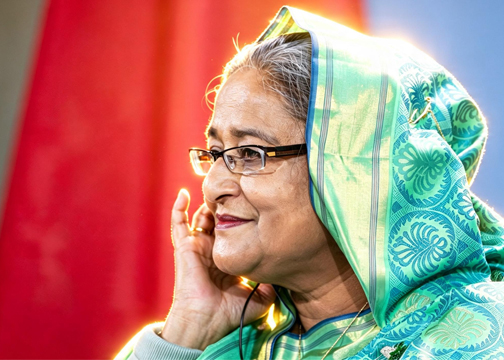
কূটনৈতিক দাবার চালে সতর্ক নয়াদিল্লি ,বাংলাদেশের পেশ করা আইনি দাবি আর আন্তর্জাতিক কূটনীতির মারপ্যাঁচে এক অত্যন্ত জটিল ভারসাম্যের খেলা খেলছে ভারত। অন্তর্বর্তী সরকারের পক্ষ থেকে সাবেক প্রধানমন্ত্রী শেখ হাসিনাকে ফেরত পাঠানোর তীব্র চাপ থাকা সত্ত্বেও কোনো ধরনের তাড়াহুড়ো বা তাৎক্ষণিক সিদ্ধান্তে যাচ্ছে না নরেন্দ্র মোদী সরকার। বাহ্যিকভাবে আইন ও প্রশাসনিক প্রক্রিয়া খতিয়ে দেখার কথা বলা হলেও, এর নেপথ্যে কাজ করছে আঞ্চলিক নিরাপত্তা, সীমান্ত স্থিতিশীলতা এবং দক্ষিণ এশিয়ার পরিবর্তিত ভূ-রাজনীতিতে নিজেদের স্বার্থ রক্ষার এক সুদূরপ্রসারী কৌশল।
বাংলাদেশের আদালতে রায় বা আইনি পদক্ষেপের পর শেখ হাসিনাকে ফেরানোর যে আনুষ্ঠানিক আবেদন ঢাকায় তৈরি হয়েছে, তা নিয়ে ভারত অত্যন্ত বিচক্ষণতার সাথে পথ চলছে। ভারতের পররাষ্ট্র মন্ত্রণালয়ের বক্তব্য অনুযায়ী, দেশটির "প্রচলিত আইন এবং নির্ধারিত প্রশাসনিক প্রক্রিয়া" অনুসরণ করেই ঢাকার আবেদনটি খতিয়ে দেখা হচ্ছে। তবে এই প্রশাসনিক পর্যালোচনার আসল উদ্দেশ্য হলো সময় নেওয়া, যাতে মানবিক দায়বদ্ধতা, আন্তর্জাতিক নিয়ম এবং ঢাকা-নয়াদিল্লির দ্বিপাক্ষিক সম্পর্কের ভবিষ্যতের মধ্যে একটি সূক্ষ্ম কূটনৈতিক ভারসাম্য রক্ষা করা যায়।
চার বড় সমীকরণ: যা হিসাব করছে মোদী সরকার
কূটনৈতিক বিশ্লেষকদের মতে, শেখ হাসিনাকে বাংলাদেশের হাতে হস্তান্তর বা না-করার সিদ্ধান্তটি কেবল সাধারণ কোনো প্রত্যর্পণ চুক্তির (Extradition Treaty) ধারাক্রম নয়। এই সিদ্ধান্তের সাথে জড়িয়ে আছে চারটি গভীর ভূ-রাজনৈতিক সমীকরণ:
1. দ্বিপাক্ষিক সম্পর্কের ভবিষ্যৎ পথরেখা: বাংলাদেশে চলমান রাজনৈতিক পরিবর্তনের পরও ঢাকার নতুন প্রশাসনের সাথে দীর্ঘমেয়াদি কূটনৈতিক ও বাণিজ্যিক সুসম্পর্ক বজায় রাখা।
2. সীমান্ত ও আঞ্চলিক নিরাপত্তা: বাংলাদেশের অভ্যন্তরে রাজনৈতিক অস্থিরতা যেন ভারতের উত্তর-পূর্বাঞ্চলীয় রাজ্যগুলোর সীমান্ত নিরাপত্তায় কোনো হুমকি তৈরি করতে না পারে।
3. দক্ষিণ এশিয়ায় শক্তির ভারসাম্য: অঞ্চলে চীনসহ অন্যান্য পরাশক্তির ক্রমবর্ধমান প্রভাবের মুখে ভারতের নিজস্ব কৌশলগত অবস্থান ও প্রভাব অক্ষুণ্ন রাখা।
4. মানবিক আশ্রয় ও ঐতিহ্যের ধারাবাহিকতা: রাজনৈতিক আশ্রয়ের ক্ষেত্রে ভারতের ঐতিহাসিক ঐতিহ্য এবং দীর্ঘদিনের মিত্রদের প্রতি নয়াদিল্লির বিশ্বাসযোগ্যতা বজায় রাখা।
সংসদীয় কমিটির রিপোর্ট: উত্তর এড়িয়ে যাওয়ার রাজনীতি
ভারতের সংসদীয় পররাষ্ট্র মন্ত্রণালয়-সংক্রান্ত স্থায়ী কমিটির সাম্প্রতিক ‘অ্যাকশন টেকেন রিপোর্ট’-এ কেন্দ্রের এই কৌশলী অবস্থান স্পষ্ট ধরা পড়েছে। কমিটির দেওয়া ৩৩টি সুপারিশের মধ্যে ২৫টি মোদী সরকার গ্রহণ করলেও, শেখ হাসিনার ভারতে অবস্থানসংক্রান্ত বহুল আলোচিত ‘৫ নম্বর’ সুপারিশসহ মোট ৮টি স্পর্শকাতর প্রশ্নের চূড়ান্ত জবাব দেওয়া থেকে কেন্দ্র নিজেদের বিরত রেখেছে। এই নীরবতাই প্রমাণ করে যে, এই মুহূর্তে বিষয়টি নিয়ে কোনো চূড়ান্ত প্রতিশ্রুতি বা অবস্থান প্রকাশ করতে নারাজ দিল্লি।
শেখ হাসিনার রাজনৈতিক তৎপরতা ও দিল্লির ‘কৌশলী দূরত্ব’
ভারতে অবস্থানকালে শেখ হাসিনার রাজনৈতিক মন্তব্য বা অডিও বার্তা ঘিরে ঢাকায় যে ক্ষোভের সৃষ্টি হয়েছিল, তা সামাল দিতে অত্যন্ত সতর্ক পদক্ষেপ নিয়েছে মোদী সরকার। দিল্লির ফরেন করেসপন্ডেন্টস ক্লাবে প্রচারিত অডিও বক্তব্য কিংবা তাঁর যেকোনো সম্ভাব্য সংবাদ সম্মেলনের বিষয়ে ভারতের পররাষ্ট্র মন্ত্রণালয় সাফ জানিয়ে দিয়েছে—এ ধরনের রাজনৈতিক তৎপরতার সাথে ভারত সরকারের বিন্দুমাত্র সম্পৃক্ততা নেই। এর মাধ্যমে দিল্লি একদিকে যেমন হাসিনাকে সরাসরি রাজনৈতিক প্ল্যাটফর্ম না দেওয়ার বার্তা দিচ্ছে, অন্যদিকে তাঁকে আশ্রয় দেওয়ার সিদ্ধান্ত থেকেও সরে আসছে না।
ঢাকার আইনি ও রাজনৈতিক দাবির মুখে ভারতের বর্তমান ‘ধীরে চলো’ নীতি মূলত এক বহুমাত্রিক কূটনৈতিক কৌশল। মোদী সরকার যেমন বাংলাদেশে তৈরি হওয়া নতুন রাজনৈতিক বাস্তবতাকে পুরোপুরি উপেক্ষা করতে পারছে না, তেমনি দীর্ঘদিনের পরীক্ষিত মিত্রকে হস্তান্তরের মতো ঝুঁকি নিয়ে আন্তর্জাতিক রাজনীতিতে নিজেদের প্রশাসনিক ও নীতিগত অবস্থানকে প্রশ্নের মুখে ফেলতে চাইছে না। ফলে আইনি পর্যালোচনার অছিলায় কালক্ষেপণ করা এবং জল কতদূর গড়ায় তা পর্যবেক্ষণ করাই এখন দিল্লির প্রধান কৌশল।
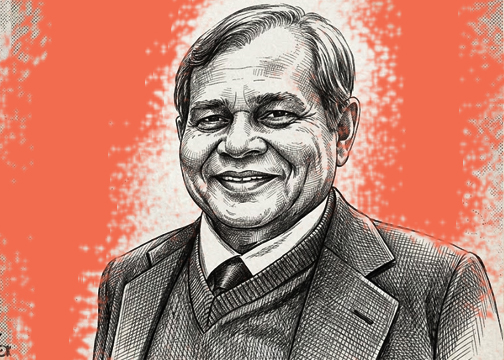
লেখক: ড.আবুল হাসনাৎ মিল্টন, প্রধান সম্পাদক, দ্যা সোর্স নিউজ বাংলা
Caution in New Delhi’s Diplomatic Chess Game, India is playing a complex balancing act amid Dhaka's legal demands and the intricacies of international diplomacy. Despite intense pressure from Bangladesh's interim government to extradite former Prime Minister Sheikh Hasina, the Narendra Modi administration is refraining from hasty actions or immediate decisions. While ostensibly frame as a review of legal and administrative frameworks, behind the scenes lies a far-reaching strategy aimed at safeguarding regional security, border stability, and India’s strategic interests in South Asia's shifting geopolitical landscape.
Strategic Delay Behind Legal Review
Following judicial proceedings in Bangladesh, the official request generated in Dhaka for Sheikh Hasina’s return is being handled with utmost prudence by India. According to the Ministry of External Affairs (MEA), the application is being examined in line with India’s "existing laws and established administrative procedures." However, the primary objective of this administrative review appears to be buying time—allowing New Delhi to strike a delicate diplomatic balance among humanitarian obligations, international norms, and the future trajectory of bilateral relations.
Four Critical Calculations Guiding the Modi Government
Diplomatic analysts note that the decision to extradite or retain Sheikh Hasina goes far beyond standard provisions of an Extradition Treaty. Four deep geopolitical equations are at play:
1. Future Roadmap of Bilateral Relations: Sustaining long-term diplomatic and commercial ties with Dhaka's new administration despite the ongoing political transition.
2. Border and Regional Security: Preventing internal political instability in Bangladesh from escalating into a security threat along India’s northeastern border states.
3. Power Balance in South Asia: Preserving India’s strategic posture and influence in the region amid growing influence from China and other major powers.
4. Humanitarian Asylum and Historical Precedent: Upholding India’s legacy of offering political refuge and maintaining credibility among its long-standing allies.
Parliamentary Panel Report: The Politics of Avoidance
This calculated stance is evident in the recent ‘Action Taken Report’ by the Indian Parliamentary Standing Committee on External Affairs. While the Modi government accepted 25 out of the 33 recommendations submitted by the panel, it withheld definitive responses on 8 sensitive queries—including the widely discussed ‘Recommendation No. 5’ regarding Hasina’s stay in India. This deliberate silence underscores Delhi’s reluctance to make any final commitments or public declarations at this juncture.
Hasina’s Political Activity and Delhi’s ‘Strategic Distance’
To mitigate discontent in Dhaka over Sheikh Hasina’s political statements and audio messages while in India, the Modi government has taken measured steps. Addressing her audio address played at the Foreign Correspondents' Club of South Asia or any potential press briefings, India’s Ministry of External Affairs clarified that the Government of India has no involvement whatsoever with such political activities. Through this stance, Delhi signals that while it is not providing Hasina an official political platform, it is also not reneging on its commitment to offer her shelter.
Faced with Dhaka's legal and political demands, India’s current ‘go-slow’ policy represents a multidimensional diplomatic strategy. The Modi government can neither ignore the political realities unfolding in Bangladesh nor risk its international standing by extraditing a long-tested ally. Consequently, utilizing legal reviews to buy time and monitoring how events unfold remains Delhi’s primary approach.
Author: Dr. Abul Hasnat Milton, Editor-in-Chief, The Source News Bangla