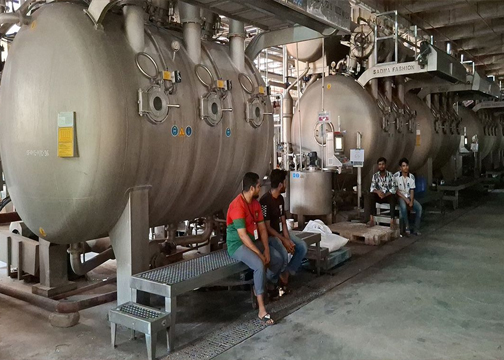
দেশের শিল্প খাতে জ্বালানি সংকট এখন আর কেবল উৎপাদন ব্যাহত হওয়ার সমস্যা নয়; এটি ধীরে ধীরে রপ্তানি, কর্মসংস্থান, ব্যাংক ঋণ এবং সামগ্রিক অর্থনীতির জন্য বড় ঝুঁকিতে পরিণত হচ্ছে। গ্যাসের অস্বাভাবিক ঘাটতিতে গ্যাসনির্ভর বহু কারখানার উৎপাদন সক্ষমতা অর্ধেকে নেমে এসেছে। কোথাও উৎপাদন বন্ধ, কোথাও আবার দিনে কয়েক ঘণ্টার বেশি কারখানা চালানো সম্ভব হচ্ছে না।
দেশে প্রতিদিন গ্যাসের চাহিদা প্রায় ৪০০ কোটি ঘনফুট। বিপরীতে সরবরাহ মিলছে ২২০ থেকে ২৩০ কোটি ঘনফুটের মতো। ফলে দৈনিক ঘাটতি প্রায় ১৮০ কোটি ঘনফুট। মহেশখালীর একটি ভাসমান এলএনজি টার্মিনাল বন্ধ হয়ে যাওয়ার পর সংকট আরও তীব্র হয়েছে বলে সংশ্লিষ্টরা মনে করছেন। এর অভিঘাত সবচেয়ে বেশি পড়েছে গাজীপুর, সাভার-আশুলিয়া, নারায়ণগঞ্জ, নরসিংদীসহ দেশের গুরুত্বপূর্ণ শিল্পাঞ্চলে।
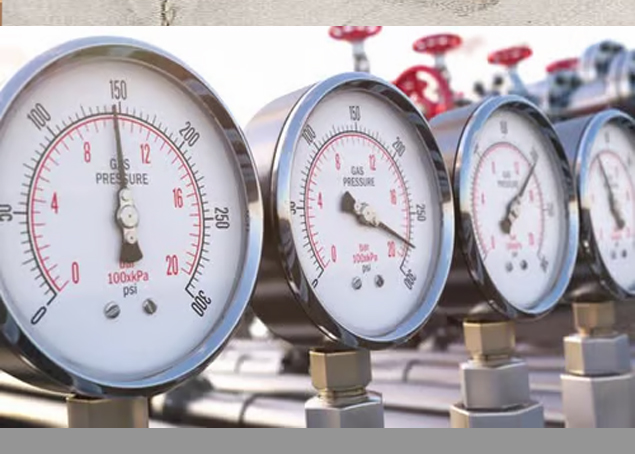
শিল্প উদ্যোক্তাদের ভাষ্য, যেখানে অনেক কারখানায় উৎপাদনের জন্য ১০ থেকে ১৫ পিএসআই গ্যাসচাপ প্রয়োজন, সেখানে মিলছে মাত্র ১ থেকে ৩ পিএসআই। ফলে বয়লার, জেনারেটর ও ভারী যন্ত্রপাতি সচল রাখা কঠিন হয়ে পড়েছে। তৈরি পোশাক, টেক্সটাইল, স্টিল, সিরামিক, কাগজ ও ডাইংসহ রপ্তানিমুখী শিল্পে এর প্রভাব সরাসরি পড়ছে। বিকল্প জ্বালানি হিসেবে ডিজেল বা এলপিজি ব্যবহার করায় উৎপাদন ব্যয় বাড়ছে, কমছে আন্তর্জাতিক প্রতিযোগিতা সক্ষমতা।
বাংলাদেশ টেক্সটাইল মিলস অ্যাসোসিয়েশনের সভাপতি শওকত আজিজ রাসেলের দাবি, গ্যাস সংকটে অর্ধশতাধিক কারখানা উৎপাদন পুরোপুরি বন্ধ রেখেছে। তাঁর আশঙ্কা, সংকট দীর্ঘ হলে উদ্যোক্তাদের কার্যকর মূলধন ফুরিয়ে যাবে এবং ঋণ পরিশোধে ব্যর্থ হয়ে আরও প্রতিষ্ঠান বন্ধ হওয়ার ঝুঁকি তৈরি হবে।
অতএব, জ্বালানি সংকটকে সাময়িক সমস্যা হিসেবে দেখার সুযোগ নেই। শিল্প সচল রাখা এখন অর্থনীতির অস্তিত্ব রক্ষার প্রশ্ন। তাই সংকটকালীন সময়ে শিল্প খাতে নিরবচ্ছিন্ন গ্যাস সরবরাহকে সর্বোচ্চ অগ্রাধিকার দেওয়া এবং দ্রুত দীর্ঘমেয়াদি জ্বালানি পরিকল্পনা গ্রহণ করাই হতে পারে অর্থনীতিকে বড় ধাক্কা থেকে রক্ষার প্রধান উপায়।
লেখক: মৃন্ময়ী শারমিন, অর্থনীতি ও বিনিয়োগ বিশ্লেষক, সিডনি
The energy crisis in Bangladesh’s industrial sector is no longer merely a disruption to production; it is gradually emerging as a major threat to exports, employment, bank loan repayments, and the overall economy. Due to an acute shortage of natural gas, the production capacity of many gas-dependent factories has fallen by half. While some factories have been forced to suspend operations altogether, others are unable to run for more than a few hours a day.
Bangladesh’s daily demand for natural gas is approximately 4 billion cubic feet, while the current supply stands at only around 2.2 to 2.3 billion cubic feet. This leaves a daily shortfall of nearly 1.8 billion cubic feet. The crisis is believed to have intensified following the shutdown of a floating LNG terminal in Maheshkhali. The impact has been particularly severe in major industrial zones, including Gazipur, Savar-Ashulia, Narayanganj, and Narsingdi.
According to industrial entrepreneurs, many factories require a gas pressure of 10 to 15 PSI to maintain production, but are currently receiving only 1 to 3 PSI. As a result, keeping boilers, generators, and heavy machinery operational has become increasingly difficult. The impact is being felt directly across export-oriented industries, including ready-made garments, textiles, steel, ceramics, paper, and dyeing. The use of alternative fuels such as diesel and LPG is also driving up production costs and weakening Bangladesh’s competitiveness in international markets.
Shawkat Aziz Russell, president of the Bangladesh Textile Mills Association, says more than 50 factories have completely suspended production due to the gas crisis. He fears that if the crisis persists, industrialists will exhaust their working capital, increasing the risk of further business closures as companies struggle to repay bank loans.
Therefore, the energy crisis can no longer be treated as a temporary problem. Keeping industries operational has now become a matter of protecting the economy itself. Ensuring uninterrupted gas supplies to the industrial sector during this critical period, while urgently adopting a long-term energy strategy, may be the most effective way to shield the economy from a major economic shock.
Author: Mrinmoyee Sharmin, Economist and Investment Analyst, Sydney