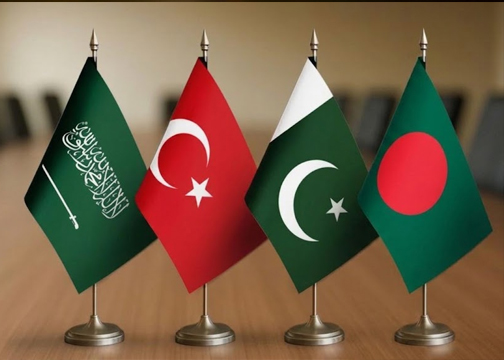
বাংলাদেশ ইউক্রেন নয়, ভারতও রাশিয়া নয়; কিংবা সম্প্রতি ট্রিপার্টাইট কাঠামোর ওপর দাঁড়িয়ে থাকা সৌদি আরব-পাকিস্তান-তুরস্কের উদীয়মান প্রতিরক্ষা জোটও নেটোর বিকল্প নয়। তা সত্ত্বেও, দক্ষিণ এশিয়ার পরিবর্তিত ভূরাজনৈতিক প্রেক্ষাপটে "বাংলাদেশ কি ভারতের ইউক্রেনে পরিণত হওয়ার ঝুঁকি তৈরি করছে?"—এই প্রশ্নটি আন্তর্জাতিক সম্পর্ক বিশ্লেষক ও কৌশলগত নীতি-নির্ধারকদের গভীর ভাবনার খোরাক জোগাচ্ছে। বিশ্ব রাজনীতির চিরন্তন ইতিহাস সাক্ষ্য দেয়, যখনই একটি অপেক্ষাকৃত ক্ষুদ্র বা উদীয়মান রাষ্ট্র তার বৃহৎ প্রতিবেশীর চিরসংগ্রামী প্রতিদ্বন্দ্বীর সাথে গভীর সামরিক ও কৌশলগত মৈত্রী গড়ে তোলে, তখনই অঞ্চলের ভারসাম্য মারাত্মকভাবে বিঘ্নিত হয়। ক্ষুদ্র দেশটি যখন নিজের নিরাপত্তার জন্য এই ব্লককে প্রতিরক্ষা বলয় হিসেবে বিবেচনা করে, বিপরীত মেরুতে থাকা বৃহৎ প্রতিবেশী এটিকে সরাসরি তার অস্তিত্ব ও নিরাপত্তায় চরম হুমকি হিসেবে প্রত্যক্ষ করতে শুরু করে।
এই বিশ্লেষণটির উদ্দেশ্য কোনো সম্ভাব্য ভারত-বাংলাদেশ যুদ্ধের অশুভ ভবিষ্যদ্বাণী করা নয়। একটি স্বাধীন ও সার্বভৌম রাষ্ট্র হিসেবে বাংলাদেশের নিজস্ব মিত্র ও সামরিক অংশীদার নির্বাচনের অখণ্ড অধিকার রয়েছে। একইভাবে ভারতেরও নিজস্ব সীমান্ত নিরাপত্তা পর্যালোচনা এবং প্রতিরক্ষা ব্যবস্থা জোরদার করার পূর্ণ আইনি ও ভৌগোলিক অধিকার রয়েছে। কোনো অধিকারই এক দেশকে অন্য দেশের অভ্যন্তরীণ বা পররাষ্ট্রনীতির ওপর কর্তৃত্ব স্থাপনের এখতিয়ার দেয় না।
১. ইউক্রেন-নেটো শিক্ষা এবং ভূরাজনৈতিক বিভ্রম
ঐতিহাসিক প্রেক্ষাপটের ভুল ব্যাখ্যা প্রায়শই একটি জাতিকে ভুল সিদ্ধান্তের দিকে ঠেলে দেয়। ২০২২ সালের ফেব্রুয়ারিতে রাশিয়া যখন ইউক্রেনে পূর্ণমাত্রায় সামরিক অভিযান শুরু করে, তখন ইউক্রেন আনুষ্ঠানিকভাবে নেটোর (NATO) সদস্য ছিল না। ফলে অনুচ্ছেদ ৫-এর যৌথ প্রতিরক্ষা ধারা কিয়েভকে কোনো নিরাপত্তা দিতে পারেনি। তবে ২০০৮ সালের বুখারেস্ট সম্মেলনে নেটোর প্রতিশ্রুতি এবং পরবর্তী বছরগুলোতে ইউক্রেনীয় বাহিনীর সাথে পাশ্চাত্য জোটের ধারাবাহিক সামরিক সুদৃঢ়করণ মস্কোকে আতঙ্কিত করে তোলে। রাশিয়া এটিকে সার্বভৌম সীমান্ত সংলগ্ন চরম নিরাপত্তা হুমকি বিবেচনা করেছিল। আইনগতভাবে কোনো বড় শক্তির সার্বভৌম দেশের ওপর আগ্রাসন চালানোর অধিকার নেই, তবে ভূরাজনীতির রূঢ় সত্য হলো—আনুষ্ঠানিক জোটবদ্ধতার আগেই প্রতিবেশীর কৌশলগত আস্থার বিচ্যুতি ভয়াবহ বিপর্যয় ডেকে আনতে পারে। বাংলাদেশের জন্যও এই ঐতিহাসিক শিক্ষা গভীরভাবে পর্যবেক্ষণীয়।
২. 'মক্কা যৌথ প্রতিরক্ষা চুক্তি' এবং আঞ্চলিক প্রতিক্রিয়া
২০২৬ সালের ৭ আগস্ট সৌদি আরব, পাকিস্তান ও তুরস্ক যৌথভাবে ‘মক্কা প্রতিরক্ষা চুক্তি’ স্বাক্ষর করে, যা আন্তর্জাতিক ভূরাজনীতিতে এক নজিরবিহীন মেরুকরণ সৃষ্টি করে। চুক্তির মূল কথা হলো—এক দেশের ওপর আক্রমণ বাকিদের ওপর আক্রমণ হিসেবে গণ্য হবে, যাকে তুরস্কের পররাষ্ট্রমন্ত্রী নেটোর ধারা ৫-এর সাথে তুলনা করেন। এটি মূলত একটি প্রতিরক্ষামূলক অক্ষ। বাংলাদেশ এই চুক্তির অনুস্বাক্ষরকারী দল নয় এবং ঢাকা আনুষ্ঠানিকভাবে যুক্ত হওয়ার কোনো আবেদনও করেনি। তবে ঢাকা যদি তার দীর্ঘদিনের অসংলগ্ন বা ভারসাম্যভিত্তিক পররাষ্ট্রনীতি থেকে বিচ্যুত হয়ে এই কাঠামোর দিকে এগোতে থাকে, তা দক্ষিণ এশীয় শক্তির ভারসাম্যে ভয়াবহ প্রতিক্রিয়া তৈরি করবে।
৩. প্রতিরক্ষা বহুমুখীকরণ বনাম ভৌগোলিক বাস্তবতা
বাংলাদেশ একটি স্বাধীন রাষ্ট্র হিসেবে তার নিরাপত্তা নির্ভরতা একক কোনো শক্তির কাছে বন্দি রাখতে চায় না। তুর্কি ড্রোন প্রযুক্তি, পাকিস্তানি সামরিক সরঞ্জাম এবং সৌদি মূলধনের সমন্বয় ঢাকার সামরিক সক্ষমতা আধুনিকায়নে আকর্ষণীয় মনে হতে পারে। ২০২৬ সালের জানুয়ারিতে রয়টার্সের প্রতিবেদন অনুযায়ী পাকিস্তান থেকে JF-17 থান্ডার যুদ্ধবিমান ক্রয়ের সম্ভাব্য আলোচনা এই প্রক্রিয়ারই অংশ। একটি রাষ্ট্র তার অস্ত্র সরবরাহ ব্যবস্থা বহুমুখী করতেই পারে, তবে ক্রয় চুক্তির বাইরে গিয়ে যদি কোনো দূরবর্তী বৈরী শক্তির সামরিক বা গোয়েন্দা উপস্থিতির পথ প্রশস্ত হয়, তবে নয়া দিল্লির নজরদারির পারদ উচ্চমাত্রায় পৌঁছাতে বাধ্য।
বিশেষ করে ভারতের পশ্চিমে পাকিস্তান এবং পূর্বে বাংলাদেশ, যার সাথে ৪,০০০ কিলোমিটারের দীর্ঘ সীমান্ত রয়েছে। তদুপরি, ভারতের উত্তর-পূর্বাঞ্চলকে মূল ভূখণ্ডের সাথে যুক্ত রাখা মাত্র ২২ কিলোমিটার প্রশস্ত অত্যন্ত সংবেদনশীল 'শিলিগুড়ি করিডোর' বা 'চিকেনস নেক'-এর খুব কাছেই বাংলাদেশের অবস্থান। পাকিস্তান বা চীন যদি বাংলাদেশে প্রত্যক্ষ সামরিক প্রভাব বিস্তার করে, তবে ভারতীয় নিরাপত্তা বিশ্লেষকরা স্বাভাবিকভাবেই তাদের শিলিগুড়ি করিডোর ও উত্তর-পূর্বাঞ্চলের সুরক্ষা নিয়ে মারাত্মক শঙ্কিত হয়ে পড়বে।
৪. চীন-পাকিস্তান অক্ষ এবং সমন্বিত কৌশলগত চাপ
বাংলাদেশ-চীন অর্থনৈতিক ও কৌশলগত অংশীদারিত্ব ইতোমধ্যে একটি প্রাতিষ্ঠানিক ভিত্তি পেয়েছে। ২০২৬ সালের জুনে প্রধানমন্ত্রী তারেক রহমানের চীন সফরের পর সামরিক সহযোগিতার ক্ষেত্র আরও বিস্তৃত হয়েছে। নয়া দিল্লি প্রতিটি ঘটনাকে স্বতন্ত্র চুক্তি হিসেবে না দেখে ভারতের পূর্ব সীমান্তে চীন, পাকিস্তান ও তাদের মিত্রদের একটি সমন্বিত কৌশলগত ঘেরাও (Encircle) হিসেবে প্রত্যক্ষ করছে। তদুপরি, ২০২৬ সালের আগস্টে জাতিসংঘের নিরাপত্তা বিষয়ক প্রতিবেদনে বাংলাদেশে 'একিউআইএস' (AQIS)-এর মতো চরমপন্থী গোষ্ঠীর আস্তানা তৈরির চেষ্টা সম্পর্কে সতর্কবার্তা নয়া দিল্লির জাতীয় প্রতিরক্ষা ভাবনায় বাড়তি উদ্বেগের জন্ম দিয়েছে।
৫. নিরাপত্তা সংকট (Security Dilemma)-র বিপজ্জনক চক্র
ভূরাজনীতির ক্লাসিক তত্ত্ব ‘সিকিউরিটি ডিলেমা’ নির্দেশ করে—একটি দেশ যখন নিজেকে সুরক্ষিত করতে দূরবর্তী শক্তির সাথে সামরিক আঁতাত করে, প্রতিবেশী রাষ্ট্রটি তখন নিজ সুরক্ষায় সীমান্ত সামরিকায়ন জোরদার করে। প্রতিবেশী বাহিনীর এই মোতায়েন প্রথম দেশটিকে আরও বেশি বাইরের অক্ষের দিকে ঠেলে দেয়। বাংলাদেশ ও ভারতের বর্তমান সম্পর্কের টানাটানি যদি এই চক্রে আবদ্ধ হয়, তবে এর পরিণতি ইউক্রেন সংকটের মতো করুণ হতে পারে।
৬. বাংলাদেশের ভবিষ্যৎ পথরেখা
বর্তমান ভূরাজনৈতিক অচলাবস্থা নিরসনে বাংলাদেশের সামনে তিনটি সুস্পষ্ট কৌশলগত বিকল্প খোলা রয়েছে:
1. ভারসাম্যপূর্ণ ও কৌশলগত স্বায়ত্তশাসন: সকল দেশের সাথে বাণিজ্যিক ও সামরিক যোগাযোগ বজায় রাখা, কিন্তু কাউকেই অপর প্রতিবেশীর বিরুদ্ধে বাংলাদেশের ভূখণ্ড ব্যবহারের সুযোগ না দেওয়া। এটিই বাংলাদেশের ভৌগোলিক নিরাপত্তার সবচেয়ে টেকসই পথ।
2. শীতল প্রতিদ্বন্দ্বিতা ও বৈরী সম্পর্ক: নয়া দিল্লির সাথে কৌশলগত অবিশ্বাসের প্রাচীর গড়ে ওঠা। যার প্রত্যক্ষ প্রভাবে দ্বিপাক্ষিক বাণিজ্য, সীমান্ত নিরাপত্তা এবং আঞ্চলিক যোগাযোগ ব্যবস্থা স্থবির হয়ে পড়তে পারে।
3. চরম ভূরাজনৈতিক সংকট: চরমপন্থা বা সীমান্ত সংঘাতকে কেন্দ্র করে সরাসরি সামরিক মুখোমুখি অবস্থান তৈরি হওয়া—যা অঞ্চলটিকে 'দ্বিতীয় ইউক্রেন' ট্র্যাজেডির দিকে ঠেলে দিতে পারে।
বাংলাদেশের সার্বিক সার্বভৌম অধিকার রয়েছে তার আন্তর্জাতিক বন্ধু নির্বাচনের। তবে সেই সিদ্ধান্ত যেন কোনো অবস্থাতেই প্রতিবেশী রাষ্ট্রের নিরাপত্তার জন্য সরাসরি হুমকির বার্তা না বহন করে। একইভাবে, নয়া দিল্লিরও বোঝা উচিত—বাংলাদেশকে কেবল সমমর্যাদার স্বাধীন রাষ্ট্র হিসেবে বিবেচনা করেই দক্ষিণ এশিয়ার টেকসই স্থিতিশীলতা সম্ভব, কোনো অনুগত রাজ্য হিসেবে নয়। আসল প্রশ্ন এটি নয় যে বাংলাদেশ আজ ইউক্রেন কি না; আসল প্রশ্ন হলো—ঢাকা ও নয়া দিল্লি দূরদর্শিতা দেখিয়ে ভবিষ্যৎ বিপর্যয় এড়াতে পারে কি না।
লেখক: ড. আবুল হাসনাৎ মিল্টন, সাংবাদিক, রাজনৈতিক বিশ্লেষক ও প্রধান সম্পাদক, দ্যা সোর্স নিউজ বাংলা (The Source News Bangla)
Bangladesh is not Ukraine, nor is India Russia; nor is the emerging Saudi Arabia–Pakistan–Turkey defense alliance, built on a recent tripartite framework, a substitute for NATO. Nevertheless, in South Asia's shifting geopolitical landscape, the question—"Is Bangladesh risking becoming India’s Ukraine?"—is giving deep food for thought to international relations analysts and strategic policymakers. The eternal history of world politics bears witness that whenever a relatively smaller or emerging state builds deep military and strategic alliances with its large neighbor’s arch-rival, the balance of the region is severely disrupted. When the smaller country considers this bloc a defense umbrella for its own security, the large neighbor on the opposite pole begins to perceive it as a direct and grave threat to its existence and security.
The purpose of this analysis is not to make a sinister prediction of a potential India–Bangladesh war. As an independent and sovereign state, Bangladesh has the absolute right to choose its own allies and military partners. Likewise, India has full legal and geographical rights to review its border security and strengthen its defense systems. No right gives one country the authority to dictate another's internal or foreign policy.
1. Ukraine-NATO Lessons and Geopolitical Illusions
Misinterpreting historical context often pushes a nation toward wrong decisions. When Russia launched a full-scale military invasion of Ukraine in February 2022, Ukraine was not formally a member of NATO. As a result, Article 5’s collective defense clause provided Kiev with no security. However, NATO’s promise at the 2008 Bucharest Summit and the Western alliance’s continuous military consolidation with Ukrainian forces in subsequent years alarmed Moscow. Russia viewed this as an extreme security threat adjacent to its sovereign border. Legally, no major power has the right to launch an aggression against a sovereign country, but the harsh truth of geopolitics is that even before formal alliance, a breach of strategic trust with a neighbor can invite catastrophic disaster. This historical lesson is deeply worthy of observation for Bangladesh as well.
2. The 'Mecca Joint Defense Pact' and Regional Reaction
On August 7, 2026, Saudi Arabia, Pakistan, and Turkey jointly signed the "Mecca Defense Pact," creating an unprecedented polarization in international geopolitics. The core premise of the treaty is that an attack on one country will be considered an attack on the rest—a principle the Turkish Foreign Minister compared to NATO’s Article 5. It is essentially a defensive axis. Bangladesh is not a signatory to this treaty, nor has Dhaka formally applied to join. However, if Dhaka strays from its long-standing non-aligned or balanced foreign policy and drifts toward this framework, it will spark a severe backlash in the South Asian balance of power.
3. Defense Diversification vs. Geographical Reality
As an independent state, Bangladesh does not want to lock its security reliance into a single power. The combination of Turkish drone technology, Pakistani military hardware, and Saudi capital may seem attractive for modernizing Dhaka's military capabilities. Potential discussions regarding the purchase of JF-17 Thunder fighter jets from Pakistan, reported by Reuters in January 2026, are part of this process. A nation can certainly diversify its arms supply systems; however, if going beyond purchase agreements paves the way for the military or intelligence presence of a distant hostile power, New Delhi’s surveillance meters are bound to hit high levels.
This is especially true given India's position with Pakistan to its west and Bangladesh to its east, with which it shares a long 4,000-kilometer border. Furthermore, Bangladesh is located very close to the highly sensitive "Siliguri Corridor" or "Chicken's Neck"—a mere 22-kilometer-wide strip connecting India's northeastern region to its mainland. If Pakistan or China exerts direct military influence in Bangladesh, Indian security analysts will naturally become gravely concerned about the security of the Siliguri Corridor and the Northeast.
4. China-Pakistan Axis and Combined Strategic Pressure
The Bangladesh–China economic and strategic partnership has already established an institutional foundation. Following Prime Minister Tarique Rahman’s visit to China in June 2026, the scope of military cooperation has expanded further. New Delhi perceives each event not as an isolated treaty, but as a coordinated strategic encirclement by China, Pakistan, and their allies on India’s eastern border. Moreover, a warning in a August 2026 UN security report regarding attempts by extremist groups like 'AQIS' to establish hideouts in Bangladesh has raised additional concerns in New Delhi’s national defense thinking.
5. The Dangerous Spiral of the Security Dilemma
The classic geopolitical theory of the "Security Dilemma" dictates that when one country forms military pacts with distant powers to secure itself, the neighboring state intensifies border militarization for its own defense. This deployment of neighboring forces pushes the first country even further toward the external axis. If the current friction in Bangladesh–India relations becomes trapped in this loop, the consequences could prove as tragic as the Ukraine crisis.
6. Bangladesh's Future Way Forward
To resolve the current geopolitical stalemate, three clear strategic options lie before Bangladesh:
• Balanced and Strategic Autonomy: Maintaining commercial and military ties with all nations, but not permitting any party to use Bangladesh’s territory against another neighbor. This remains the most sustainable path for Bangladesh's geographical security.
• Cold Rivalry and Hostile Relations: Building a wall of strategic distrust with New Delhi, which could directly stagnate bilateral trade, border security, and regional transit systems.
• Extreme Geopolitical Crisis: A direct military confrontation triggered by extremism or border conflicts—pushing the region toward a "second Ukraine" tragedy.
Bangladesh holds full sovereign rights to select its international friends. However, that choice must under no circumstances send a message of direct threat to a neighbor's security. Equally, New Delhi must realize that sustainable stability in South Asia is only possible by treating Bangladesh as an equal sovereign state, not as a vassal state. The real question is not whether Bangladesh is Ukraine today; the real question is whether Dhaka and New Delhi can demonstrate the foresight required to avert a future disaster.
Author: Dr. Abul Hasnat Milton, Journalist, Political Analyst, and Editor-in-Chief, The Source News Bangla