দ্বিতীয় খণ্ড —
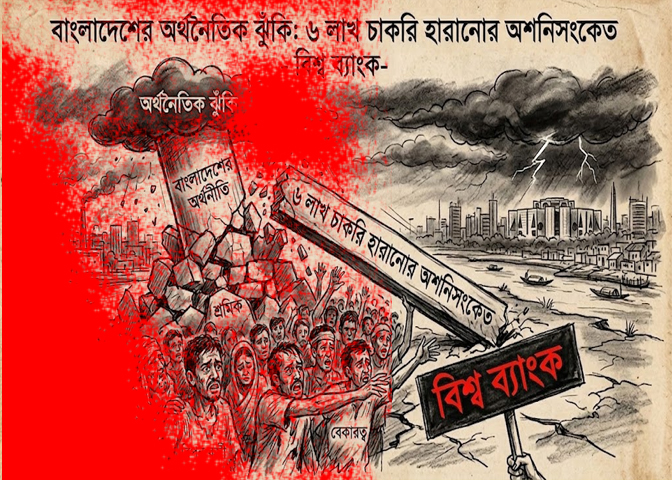
রাজনৈতিক অস্থিরতার একটি অর্থনৈতিক মূল্য রয়েছে, আর বাংলাদেশ এখন ধীরগতির প্রবৃদ্ধি, টানা মূল্যস্ফীতি, শিল্প খাতের অনিশ্চয়তা এবং বিনিয়োগকারীদের আস্থা হ্রাসের মাধ্যমে সেই মূল্য পরিশোধ করছে।
দেশ যে অর্থনৈতিক ধসের মুখে পড়েছে তা নয়, কিন্তু কর্মসংস্থান সৃষ্টি এবং জীবনযাত্রার মান ধরে রাখার জন্য যে গতি প্রয়োজন, অর্থনীতি তার চেয়ে অনেক ধীরগতিতে চলছে।
ওয়ার্ল্ড ব্যাংকের এপ্রিল ২০২৬-এর 'বাংলাদেশ ডেভেলপমেন্ট আপডেট'-এ অর্থবছর ২০২৬-এ জিডিপি প্রবৃদ্ধি ৩.৯ শতাংশ এবং মূল্যস্ফীতি ৮.৫ শতাংশের কাছাকাছি থাকার পূর্বাভাস দেয়া হয়েছে। আইএমএফ (IMF)-এর প্রাক্কলন কিছুটা বেশি, ৪.৭ শতাংশ প্রবৃদ্ধি, তবে মূল্যস্ফীতি ৯.২ শতাংশে পৌঁছাতে পারে বলে উল্লেখ করা হয়েছে।
এই সংখ্যাগুলো অত্যন্ত গুরুত্বপূর্ণ, কারণ বাংলাদেশে একটি বিশাল ও তরুণ কর্মক্ষম জনগোষ্ঠী রয়েছে। ধীরগতির প্রবৃদ্ধি মানে মানসম্মত কর্মসংস্থানের অভাব, পারিবারিক আয়ের ওপর চাপ বৃদ্ধি এবং নিম্ন আয়ের পরিবারগুলোর ঝুঁকি বেড়ে যাওয়া।
ঝুঁকিতে শিল্প খাত
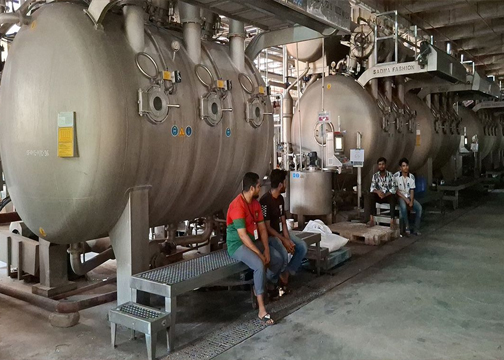
উৎপাদন খাত এবং বিশেষ করে তৈরি পোশাক (RMG) খাতে এর প্রভাব ইতোমধ্যে পড়তে শুরু করেছে।
এখানে কয়েকটি প্রধান চাপের কথা উল্লেখ করা যায়:
• শ্রমিক অসন্তোষ;
• কাঁচামালের ঘাটতি;
• বিদ্যুৎ বিভ্রাট বা অপর্যাপ্ত বিদ্যুৎ সরবরাহ;
• গ্যাসের অপ্রতুলতা;
• কারখানা বন্ধ হওয়া ও উৎপাদন কমে যাওয়া;
• মজুরি হ্রাস ও কর্মসংস্থান সংকুচিত হওয়া; এবং
• বিনিয়োগকারীদের মধ্যে ক্রমবর্ধমান অনিশ্চয়তা।
ধারণা করা হচ্ছে যে, প্রায় ৩০ লাখ শ্রমিক—যাদের একটি বড় অংশ তৈরি পোশাক শিল্পে কর্মরত নারী—চাকরি হারিয়েছেন বা তাঁদের মজুরি উল্লেখযোগ্যভাবে কমে গেছে। এর পেছনের মূল উদ্বেগটি এড়ানো অসম্ভব: পোশাক খাতে দীর্ঘমেয়াদী স্থবিরতা শুধু একক কোনো কারখানাতেই সীমাবদ্ধ থাকবে না, এর প্রভাব পুরো দেশেই পড়বে।
পোশাক খাত কেবল একটি রপ্তানি শিল্প নয়। এটি কর্মসংস্থানের—বিশেষ করে নারীদের—প্রধান উৎস এবং বাংলাদেশের বৈদেশিক মুদ্রা অর্জনের মূল ভিত্তি।
কারখানাগুলো যদি নিরবচ্ছিন্নভাবে চলতে না পারে, শ্রমিকরা নিয়মিত আয় করতে পারবে না, রপ্তানিকারকরা অর্ডার পূরণ করতে পারবে না, এবং আন্তর্জাতিক ক্রেতারা বিকল্প খুঁজতে শুরু করবে, যার ক্ষতি হবে সুদূরপ্রসারী।
মূলধন পাচার ও বিনিয়োগকারীদের আস্থা
বিনিয়োগের জন্য আস্থার প্রয়োজন। ব্যবসায়ীদের বিশ্বাস করতে হবে যে তাঁদের সম্পত্তি, চুক্তি, কর্মচারী এবং মূলধন নিরাপদ থাকবে।
চাঁদাবাজি, ভয়ভীতি প্রদর্শন এবং বেসরকারি ব্যবসা দখলের চেষ্টা নিয়ে মানুষের মধ্যে উদ্বেগ বাড়ছে। সুইজারল্যান্ডের ব্যাংকগুলোতে বাংলাদেশী নাগরিকদের আমানত অস্বাভাবিক হারে বৃদ্ধি পাওয়ার খবর পাওয়া যাচ্ছে, যা দেশীয় অর্থনীতি থেকে মূলধন পাচারের একটি বড় সংকেত।
মূলধন পাচারের পরিমাণ ঠিক কত তা বড় কথা নয়, আসল সত্যটি হলো: রাজনৈতিক সহিংসতা, যথেচ্ছ হস্তক্ষেপ কিংবা সম্পত্তির অধিকারের নিরাপত্তার অভাব থাকলে মূলধন কোনো দেশেই স্থির থাকে না।
রপ্তানিমুখী পোশাক শিল্পের জন্য ঘোষিত ৬০০ কোটি টাকার জরুরি প্রণোদনা সাময়িক স্বস্তি দিতে পারে। কিন্তু আর্থিক সহায়তা কখনো নিরবচ্ছিন্ন বিদ্যুৎ, পর্যাপ্ত গ্যাস সরবরাহ, শারীরিক নিরাপত্তা এবং সুনির্দিষ্ট নিয়মকানুনের বিকল্প হতে পারে না।
অর্থনৈতিক পুনরুদ্ধার শেষ পর্যন্ত আস্থার পুনর্গঠনের ওপরই নির্ভর করে।
বিচার ব্যবস্থার শূন্যতা
বর্তমান সংকটের সবচেয়ে বিপজ্জনক দিকটি হয়তো বিচার ব্যবস্থার ওপর মানুষের আস্থা কমে যাওয়া।
অভিযোগ রয়েছে যে তথাকথিত "শো-অ্যানি arrest" (দেখানো গ্রেপ্তার) এখন স্বাভাবিক নিয়মে পরিণত হয়েছে—যেখানে একজন ব্যক্তি একটি মামলায় জামিন পাওয়ার পরপরই মুক্তি পাওয়ার আগেই তাঁকে অন্য আরেকটি মামলায় গ্রেপ্তার দেখানো হয়। এই প্রক্রিয়াটি যদি পদ্ধতিগতভাবে চলতে থাকে, তবে এটি আদালতের আদেশের আইনি মর্যাদা ও কার্যকারিতাকে মৌলিকভাবে ধ্বংস করে দেয়।
এর পরিণতি মারাত্মক:
• দীর্ঘায়িত বিচারপূর্ব আটক;
• ফৌজদারি আইনের বৈষম্যমূলক ব্যবহার;
• চাঁদাবাজির সুযোগ সৃষ্টি;
• রাজনৈতিক হয়রানি;
• বিচার বিভাগের বিশ্বাসযোগ্যতা হ্রাস; এবং
• জনমনে ক্রমবর্ধমান আতঙ্ক।
কোনো বিচার ব্যবস্থা জনগণের শ্রদ্ধা পেতে পারে না যদি নাগরিকরা মনে করে যে এক মামলায় জামিন পাওয়া মানে কেবল অন্য মামলায় স্থানান্তরিত হওয়া।
চিকিৎসা ও ফরেনসিক প্রমাণের নিরপেক্ষতা নিয়ে যখন প্রশ্ন ওঠে, তখন এই সমস্যাটি আরও গুরুতর রূপ ধারণ করে।
তথ্যের ও প্রমাণের গুরুত্ব
কুড়িগ্রামের একটি ঘটনার বিবরণ পাওয়া যায়, যেখানে "জুলাই শহীদ" হিসেবে চিহ্নিত আশিকুর রহমানের মৃত্যুর ঘটনায় তিন জন সাংবাদিককে অভিযুক্ত করা হয়েছিল। তবে পরবর্তীতে হাসপাতালের নথিপত্র পর্যালোচনা করে দেখা যায় যে, মৃত্যুর কারণ কোনো আঘাত ছিল না, বরং দীর্ঘদিনের ব্রেইন ইনফেকশন থেকে সৃষ্ট সেপটিক শক ছিল। এমনকি দায়িত্বরত চিকিৎসক রাজনৈতিক চাপে মৃত্যুর সনদ বিকৃত করার কথা স্বীকার করেন।
এই ধরনের অভিযোগগুলো অত্যন্ত গুরুতর একটি সমস্যাকে সামনে আনে: রাজনৈতিক উদ্দেশ্যে রাষ্ট্রীয় নথি ও ফরেনসিক প্রমাণকে হাতিয়ার হিসেবে ব্যবহার করা।
একটি গণতান্ত্রিক বিচার ব্যবস্থা একটি সাধারণ নীতির ওপর ভিত্তি করে চলে:
তথ্য ও সত্য দিয়েই বিচারিক সিদ্ধান্ত হতে হবে; রাজনৈতিক স্বার্থ দিয়ে তথ্য তৈরি করা যাবে না।
মেডিকেল রেকর্ড, মৃত্যুর সনদ, পুলিশ রিপোর্ট এবং ফরেনসিক প্রমাণকে রাজনৈতিক হস্তক্ষেপ থেকে মুক্ত রাখতে হবে। তা না হলে বিচার সত্য প্রতিষ্ঠার মাধ্যম না হয়ে মিথ্যা তৈরির হাতিয়ারে পরিণত হয়।
বাংলাদেশের এখন করণীয়
বাংলাদেশ কেবল রাজনৈতিক প্রতিশোধের মাধ্যমে তার প্রাতিষ্ঠানিক সংকট সমাধান করতে পারবে না। অর্থনৈতিক পুনরুদ্ধারকে নিরাপত্তা এবং আইনের শাসন থেকে আলাদা করারও সুযোগ নেই।
তাই পরবর্তী ধাপের জন্য চারটি অগ্রাধিকার বিবেচনা করা উচিত:
১. পেশাদার পুলিশ ও আনসার বাহিনী পুনর্গঠন
আইন প্রয়োগকারী সংস্থাকে পেশাদার, রাজনৈতিকভাবে নিরপেক্ষ এবং জবাবদিহিমূলক হতে হবে।
একটি স্বাধীন ‘পুলিশ সার্ভিস কমিশন’ নিয়োগ, পদোন্নতি, শৃঙ্খলা এবং পেশাগত আচরণের ক্ষেত্রে স্বচ্ছ মানদণ্ড তৈরি করতে পারে। পুলিশ ও আনসার সদস্যদের দলীয় চাপ থেকে মুক্ত রাখতে হবে, আবার একই সাথে তাঁদের যেকোনো অপকর্মের জন্য জবাবদিহিতার আওতায় আনতে হবে।
সাধারণ জননিরাপত্তার মূল দায়িত্ব বেসামরিক পুলিশের হাতেই থাকা উচিত, আর সশস্ত্র বাহিনী তাদের সংবিধান নির্দেশিত দায়িত্ব পালন করবে।
২. বিচার বিভাগের সততা ও গ্রহণযোগ্যতা ফিরিয়ে আনা
রাজনৈতিক উদ্দেশ্যে গ্রেপ্তার এবং ভুয়া মামলার বিরুদ্ধে সরকারকে কঠোর সুরক্ষাকবচ তৈরি করতে হবে।
জরুরি পদক্ষেপগুলোর মধ্যে রয়েছে:
• সন্দেহজনক মামলাগুলোর স্বাধীন বিচারিক পর্যালোচনা;
• বিচারের পূর্বে নির্ভরযোগ্য ফরেনসিক ও প্রামাণ্য তথ্যের উপস্থিতি নিশ্চিত করা;
• জামিনের পর বারবার গ্রেপ্তারের বিরুদ্ধে কঠোর আইনি নিষেধাজ্ঞা;
• দ্রুত বিচার সম্পন্ন করা;
• হেফাজতে নির্যাতনের জবাবদিহিতা; এবং
• রাজনৈতিক হয়রানির অভিযোগ রয়েছে এমন মামলাগুলোর স্বচ্ছ পুনর্বিবেচনা।
বিচার ব্যবস্থার সুযোগ সরকার সমর্থক এবং বিরোধী—সবার জন্যই সমান হতে হবে।
৩. উৎপাদনশীল অর্থনীতিকে সুরক্ষা দেয়া
অর্থনৈতিক পুনরুদ্ধারের জন্য কেবল প্রণোদনা প্যাকেজই যথেষ্ট নয়।
সরকারের উচিত নিম্নলিখিত বিষয়গুলোতে অগ্রাধিকার দেয়া:
• গ্যাস ও বিদ্যুতের নিরবচ্ছিন্ন সরবরাহ;
• শিল্পাঞ্চলগুলোর নিরাপত্তা নিশ্চিত করা;
• চাঁদাবাজির বিরুদ্ধে কঠোর ব্যবস্থা;
• কারখানা ও বাণিজ্যিক কেন্দ্রগুলোর সুরক্ষা;
• সুনির্দিষ্ট ও স্থিতিশীল কর ব্যবস্থা ও নীতিমালা;
• ব্যক্তিগত সম্পত্তির সুরক্ষা; এবং
• দেশি-বিদেশি বিনিয়োগকারীদের আস্থা জোরদার করা।
উদ্যোক্তারা যদি ব্যবসা সম্প্রসারণের চেয়ে ব্যবসা রক্ষায় বেশি শক্তি ব্যয় করেন, তবে বেসরকারি খাত নতুন কর্মসংস্থান তৈরি করতে পারবে না।
৪. প্রকৃত জাতীয় সমঝোতা শুরু করা
বাংলাদেশের রাজনৈতিক ইতিহাস বর্জন এবং অন্তর্ভুক্তির চক্র দ্বারা নিয়ন্ত্রিত হয়ে এসেছে।
এই চক্রের অবসান ঘটাতে হবে।
একটি টেকসই রাজনৈতিক সমাধানের জন্য দেশের সকল বৈধ রাজনৈতিক শক্তিকে শান্তিপূণভাবে অংশগ্রহণের সুযোগ দিতে হবে। গণতান্ত্রিক প্রক্রিয়ায় আওয়ামী লীগ ও তার মিত্রদের অন্তর্ভুক্ত করার আহ্বান জানানো গুরুত্বপূর্ণ।
তবে রাজনৈতিক অংশগ্রহণকে একটি স্পষ্ট আইনি কাঠামোর মধ্যে থেকে পরিচালনা করতে হবে। রাজনৈতিক দল ও ব্যক্তিদের সুনির্দিষ্ট অপরাধের জন্য জবাবদিহি করতে হবে, তবে রাজনৈতিক মতপার্থক্যকে কখনও অপরাধ হিসেবে গণ্য করা যাবে না।
ভিন্ন এক রাজনৈতিক ভবিষ্যৎ
বাংলাদেশ অতীতেও সরকার পরিবর্তন করতে পেরেছে। তবে আসল কঠিন কাজ হলো এমন প্রতিষ্ঠান গড়ে তোলা যা প্রতিবার সরকার পরিবর্তনের সাথে সাথে নিজে বদলে যাবে না।
দেশের এমন একটি পুলিশ বাহিনী প্রয়োজন যা কোনো শাসক দলের নয়, বরং আইনের সেবা করবে। এমন আদালত প্রয়োজন যা রাজনৈতিক স্বার্থ রক্ষা না করে নাগরিকদের রক্ষা করবে। এমন এক প্রশাসনিক ব্যবস্থা প্রয়োজন যা প্রধানমন্ত্রীর কার্যালয়ে কে বসে আছেন তা বিবেচনা না করেই নিরবচ্ছিন্নভাবে কাজ করে যাবে। এমন একটি অর্থনীতি প্রয়োজন যেখানে ব্যবসায়ীরা ভয় ছাড়া বিনিয়োগ করতে পারবে এবং শ্রমিকরা অনিশ্চয়তা ছাড়া উপার্জন করতে পারবে। এবং এমন একটি রাজনৈতিক সংস্কৃতি প্রয়োজন যেখানে ভিন্নমতকে অস্তিত্বের হুমকি না ভেবে গণতন্ত্রের অংশ হিসেবে গ্রহণ করা হবে।
২০২৪ পরবর্তী তিনটি রাজনৈতিক অধ্যায় তিনটি ভিন্ন বার্তা দেয়:
• হাসিনা আমল দেখিয়েছে যে পর্যাপ্ত প্রাতিষ্ঠানিক জবাবদিহিতা ছাড়া উন্নয়ন ভঙ্গুর স্থিতিশীলতা তৈরি করে।
• ইউনূস আমল দেখিয়েছে যে প্রাতিষ্ঠানিক ধারাবাহিকতা ও দক্ষ প্রশাসনিক ক্ষমতা ছাড়া রাজনৈতিক পরিবর্তন মারাত্মক শূন্যতার জন্ম দেয়।
• বিএনপি আমল এখন একটি নতুন পরীক্ষার মুখোমুখি দাঁড় করিয়েছে: তারা কি নির্বাচনী সমর্থনকে প্রাতিষ্ঠানিক বৈধতায় রূপান্তর করতে পারবে? প্রতিষ্ঠানগুলোর জবাবদিহিতা প্রতিষ্ঠা এবং অর্থনীতি সামলানোর সক্ষমতা এখনও তাদের সামনে একটি বড় চ্যালেঞ্জ।
বাংলাদেশের ভবিষ্যৎ শেষ পর্যন্ত পরবর্তী নির্বাচনে কোন দল জিতল তার ওপর নির্ভর করবে না। এটি নির্ভর করবে পরবর্তী নির্বাচনের চাপ সহ্য করার মতো শক্তিশালী প্রতিষ্ঠান গড়ে উঠেছে কিনা তার ওপর।
এটিই গণতান্ত্রিক পরিপক্কতার প্রকৃত মাপকাঠি।
তাই বাংলাদেশের সামনের পছন্দটি কেবল দুটি রাজনৈতিক দল বা দুই সরকারের মধ্যে সীমাবদ্ধ নয়।
এটি রাজনৈতিক চক্র বনাম প্রাতিষ্ঠানিক ধারাবাহিকতার পছন্দ; প্রতিশোধ বনাম সমঝোতার পছন্দ; ভয় বনাম আস্থার পছন্দ; এবং সর্বোপরি রাজনীতি পরিচালিত রাষ্ট্র বনাম আইন দ্বারা পরিচালিত রাষ্ট্রের মধ্যকার পছন্দ।
বাংলাদেশের বিপুল মানবসম্পদ, অর্থনৈতিক ও সামাজিক সম্ভাবনা রয়েছে। যখন প্রতিষ্ঠানগুলো সঠিকভাবে কাজ করে এবং সম্পদের সঠিক ব্যবহার হয়, তখন এই দেশ কী অর্জন করতে পারে তা অতীতে প্রমাণিত হয়েছে।
কিন্তু ন্যায়বিচার, নিরাপত্তা এবং আস্থা ছাড়া উন্নয়নকে টিকিয়ে রাখা সম্ভব নয়।
দেশ অতীতেও সরকার পরিবর্তন করেছে।
এখন পরিবর্তনের সময় এসেছে সরকার পরিচালনা পদ্ধতির।
লেখক: আলি কবীর,ব্যবস্থাপনা বিশেষজ্ঞ,টরেন্টো,কানাডা
IS BANGLADESH AT THE BRINK? - ECONOMY, JUSTICE AND THE WAY FORWARD
Part II — Economic Anxiety, Judicial Crisis and the Way Forward
An Economy Under Pressure
Political instability has an economic price, and Bangladesh is now paying that price through slower growth, persistent inflation, industrial uncertainty and declining investor confidence.
The country is not necessarily facing economic collapse. But the economy is operating well below the pace required to generate sufficient employment and maintain improvements in household living standards.
The World Bank's April 2026 Bangladesh Development Update projects GDP growth of 3.9 percent in FY2026, with inflation around 8.5 percent. The IMF projection cited is somewhat higher, at 4.7 percent growth, but with inflation potentially reaching 9.2 percent.
These numbers matter because Bangladesh has a young and expanding labour force. Slow growth means fewer productive jobs, greater pressure on household incomes and increased vulnerability among low-income families.
The Industrial Sector at Risk
The consequences are already being felt in manufacturing and especially in the ready-made garment sector.
The draft identifies several pressures:
• labour unrest;
• shortages of raw materials;
• unreliable electricity;
• inadequate gas supplies;
• factory closures and reduced production;
• declining wages and employment; and
• increasing uncertainty among investors.
It estimates that nearly three million workers, many of them women employed in the garment industry, have lost jobs or suffered substantial wage reductions. The underlying concern is undeniable: prolonged disruption in the RMG sector would have consequences far beyond individual factories.
Garments are not simply an export industry. They are a major source of employment, particularly for women, and an important foundation of Bangladesh's foreign-exchange earnings.
If factories cannot operate reliably, workers cannot earn reliably, exporters cannot meet orders, and international buyers begin looking elsewhere, the damage can become cumulative.
Capital Flight and Investor Confidence
Investment requires confidence. Businesses must believe that their property, contracts, employees and capital will be protected.
The draft describes growing concerns over extortion, intimidation and possible attempts to take over private businesses. It also cites reports of a sharp increase in deposits held by Bangladeshi nationals in Swiss banks as an indication of capital leaving the domestic economy.
Whatever the precise scale of capital flight, the larger issue is clear: capital will not remain in an economy where investors fear political violence, arbitrary intervention or weak protection of property rights.
The reported 600-billion-taka emergency stimulus for export-oriented apparel businesses may provide temporary assistance. But financial support cannot substitute for reliable electricity, adequate gas supplies, physical security and predictable regulation.
Economic recovery ultimately depends on restoring confidence.
The Judicial Vacuum
Perhaps the most dangerous dimension of the current crisis is the weakening of public confidence in justice.
The available reports highlight the alleged normalization of so-called "shown arrests"—where an individual who obtains bail in one case is subsequently connected to another case before being released. If such practices occur systematically, they fundamentally undermine the principle that a court order should have practical meaning.
The consequences are severe:
• prolonged pre-trial detention;
• selective application of criminal law;
• opportunities for extortion;
• political victimization;
• weakening of judicial credibility; and
• growing public fear.
A justice system cannot command public respect if citizens believe that obtaining bail in one case merely means being transferred into another.
The problem becomes even more serious when questions arise concerning the integrity of medical and forensic evidence.
The Importance of Evidence
It is reported that a case from Kurigram involved three journalists accused in connection with the death of Ashikur Rahman, who had been identified as a "July martyr." It reports that hospital records subsequently indicated septic shock associated with a longstanding brain infection rather than traumatic injury. It further states that the attending physician acknowledged falsifying the death certificate under political pressure. Such allegations would illustrate an extremely serious problem: the use of state records and forensic evidence as instruments of political prosecution.
A democratic justice system depends upon a simple principle:
Facts must determine the case; political interests must not determine the facts.
Medical records, death certificates, police reports and forensic evidence must therefore be protected from political interference. Otherwise, justice becomes not a mechanism for establishing truth but a tool for manufacturing it.
What Bangladesh Must Do Now
Bangladesh cannot solve its institutional crisis through another round of political retaliation. Nor can economic recovery be separated from public security and the rule of law.
Four priorities should therefore guide the next phase.
1. Rebuild a Professional Police and Ansar Service
Law enforcement must become professional, politically neutral and accountable.
An independent Police Service Commission could help establish transparent standards for recruitment, promotion, discipline and professional conduct. Police and Ansar officers must be protected from partisan pressure while being held accountable for misconduct.
Civilian police should remain the primary institution responsible for routine public security, while the armed forces should perform their constitutionally defined responsibilities.
2. Restore the Integrity of Justice
The government should establish strong safeguards against politically motivated arrests and fabricated cases.
Key measures should include:
• independent judicial review of questionable cases;
• credible forensic and documentary evidence before prosecution;
• strict safeguards against repeated arrests after bail;
• timely trials;
• accountability for custodial abuse; and
• transparent review of cases involving credible allegations of political persecution.
Justice must be available to government supporters and opponents alike.
3. Protect the Productive Economy
Economic recovery requires more than stimulus packages.
The government should prioritize:
• uninterrupted gas and electricity supplies;
• protection of industrial zones;
• effective action against extortion;
• security for factories and commercial centers;
• predictable taxation and regulation;
• protection of private property; and
• stronger confidence among domestic and foreign investors.
The private sector cannot create jobs if entrepreneurs spend more energy protecting their businesses than expanding them.
4. Begin Genuine National Reconciliation
Bangladesh's political history has been dominated by cycles of inclusion and exclusion.
That cycle must end.
A durable political settlement requires space for all lawful political forces to participate peacefully. It is important to call for the inclusion of the Awami League and its allies in the democratic process.
Political participation should, however, operate within a clear legal framework. Parties and individuals must be accountable for genuine criminal wrongdoing, but political disagreement should never itself become a criminal offense.
A Different Political Future
Bangladesh has already demonstrated that it can change governments. The harder task is to build institutions that do not have to change every time the government changes. The country needs a police service that serves the law, not the ruling party.
It needs courts that protect citizens rather than political interests. It needs an administration that functions regardless of who occupies the Prime Minister's office. It needs an economy where businesses can invest without fear and workers can earn without uncertainty. And it needs a political culture in which disagreement is accepted as part of democracy rather than treated as an existential threat.
The three political eras since 2024 provide three different warnings.
The Hasina period demonstrated that development without sufficient institutional accountability can produce fragile stability.
The Yunus period demonstrated that political transition without institutional continuity and efficient management capacity can create dangerous vacuums. The BNP period now presents a different test: whether electoral authority can be transformed into institutional legitimacy. Institutional accountability and capacity to handle the economy continue to be a challenge.
Bangladesh's future will not ultimately be determined by which party wins the next election. It will be determined by whether the country's institutions are strong enough to survive the next election.
That is the real measure of democratic maturity.
The choice before Bangladesh is therefore not simply between one political party and another, or between one government and its predecessor.
It is a choice between political cycles and institutional continuity; between vengeance and reconciliation; between fear and confidence; and ultimately between a state controlled by politics and a state governed by law.
Bangladesh has enormous human, economic, and social potential. Its development achievements demonstrate what the country can accomplish when institutions function, and resources are mobilized effectively.
But development cannot be sustained without justice, security, and trust.
The country has changed governments before.
Now it must change the way government itself works.
Author: Ali Kabir, Management Specialist, Toronto, Canada