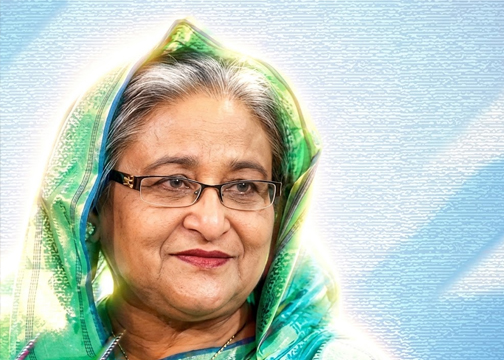
গ্রাম নিয়ে জাতির পিতা বঙ্গবন্ধু শেখ মুজিবুর রহমানের স্বপ্ন অচিরেই বাস্তবায়িত হবে তাঁর সুযোগ্য কন্যা প্রধানমন্ত্রী শেখ হাসিনার হাত ধরে। অদূর অতীতে তিনি ঘোষণা দিয়েছিলেন—“প্রতিটি গ্রামে আমরা শহরের সব সুযোগ-সুবিধা পৌঁছে দিতে চাই।” অর্থাৎ, প্রতিটি গ্রামই গড়ে উঠবে একেকটি উন্নত ‘গ্রামীণ শহর’ হিসেবে। পরিবর্তনশীল বাস্তবতায় শেখ হাসিনা তাঁর সেই অঙ্গীকার থেকে বিচ্যুত হননি; বরং সময়োপযোগী পরিকল্পনার মাধ্যমে এতে নতুন নতুন মাত্রা যুক্ত করছেন।
তবে পরিবর্তিত বিশ্বপরিস্থিতিতে দেশের অগ্রগতির পাশাপাশি তৈরি হচ্ছে কিছু নতুন চ্যালেঞ্জ। শিল্পায়ন ও দ্রুত নগরায়ণের জন্য প্রয়োজন হচ্ছে বিপুল পরিমাণ জমি। ফলে শহর, নগর, কারখানা ও সড়ক নির্মাণ করতে গিয়ে পরিবেশের ভারসাম্য যেমন বিঘ্নিত হচ্ছে, তেমনি আশঙ্কাজনকভাবে হ্রাস পাচ্ছে কৃষিজমির পরিমাণ। অর্থনৈতিক ও সামাজিক নানা সমস্যা একে অপরের সঙ্গে গভীরভাবে সম্পর্কিত; আর এসব সমস্যার কেন্দ্রে রয়েছে আবাদি জমির টেকসই সংরক্ষণ।
বঙ্গবন্ধুর দূরদর্শী ভাবনা ও ‘কন্ডোমিনিয়াম’ মডেল
স্বাধীনতার পরপরই দূরদর্শী বঙ্গবন্ধু এই অনাগত সংকট উপলব্ধি করতে পেরেছিলেন। তাই কৃষিজমি রক্ষা করে ‘গ্রামীণ শহর’ গড়ে তোলার পরামর্শ দিয়েছিলেন তিনি। এ উদ্দেশ্যে একটি প্রতিনিধি দলকে ইউরোপের অভিজ্ঞতা অর্জনের জন্য পাঠানো হয়, যাতে ইউরোপীয় দেশগুলো কীভাবে কৃষি ও পরিবেশ রক্ষা করে পরিকল্পিত আবাসন গড়ে তুলেছে, সে বিষয়ে অভিজ্ঞতা অর্জন করা যায়। সফর শেষে প্রাপ্ত সুপারিশের মূল নির্যাস ছিল—প্রতিটি গ্রামের জন্য আলাদা আলাদা পরিবারকে বিশাল অনুভূমিক বাড়ি নির্মাণের পরিবর্তে শহরের মতো বহুতল ‘কন্ডোমিনিয়াম ধরনের আধুনিক ও পরিকল্পিত ভবন নির্মাণ করা।
এই মডেলে গ্রামের বিভিন্ন পরিবার বংশপরম্পরায় একই যৌথ ও সমন্বিত অবকাঠামোয় বসবাস করবে এবং প্রয়োজন অনুযায়ী ভবনগুলো উল্লম্বভাবে সম্প্রসারণ করা যাবে। কয়েকটি পরিকল্পিত সুউচ্চ ভবনেই একটি পুরো গ্রামের মানুষ বসবাস করতে পারবে। ফলে একদিকে যেমন বিস্তীর্ণ কৃষিজমি রক্ষা করা সম্ভব হবে, অন্যদিকে বিদ্যুৎ, সুপেয় পানি, আধুনিক স্যানিটেশন, ইন্টারনেট ও বিনোদনসহ স্থানীয় সরকারের মৌলিক সেবাগুলোও সহজে মানুষের কাছে পৌঁছে দেওয়া যাবে।
সরকারি তথ্যানুযায়ী, বাংলাদেশে বর্তমানে প্রায় ৮৮ লাখ ২৯ হাজার হেক্টর (প্রায় ২ কোটি ১৮ লাখ একর) আবাদযোগ্য কৃষিজমি রয়েছে, যা দেশের মোট ভূখণ্ডের প্রায় ৫৯.৭ শতাংশ। অথচ বিভিন্ন গবেষণার তথ্যমতে, দেশে প্রতি বছর জনসংখ্যা বাড়ছে প্রায় ২২ লাখ।
কৃষিজমি হ্রাসের গতিও আশঙ্কাজনক
নদীভাঙন: প্রতি বছর প্রায় ৮,৭০০ হেক্টর জমি নদীগর্ভে বিলীন হয়ে যাচ্ছে।
অবকাঠামো ও আবাসন: বাসস্থান ও উন্নয়ন অবকাঠামো নির্মাণের কারণে বছরে প্রায় ৩,০০০ হেক্টর জমি নষ্ট হচ্ছে। বিগত ৩৭ বছরে শুধু বসতবাড়ি নির্মাণেই ব্যবহার হয়েছে প্রায় ৬৫ হাজার একর জমি।
ইটভাটার প্রভাব: পরিবেশ অধিদপ্তরের তথ্যে, দেশে বিদ্যমান প্রায় ৭,৮৮১টি ইটভাটার মধ্যে ৪,৬৩৩টি অবৈধ, যা কৃষি ও পরিবেশের জন্য মারাত্মক হুমকি। মৃত্তিকা বিশেষজ্ঞদের মতে, প্রায় ৫০ হাজার একর জমি এসব ইটভাটার দখলে রয়েছে।
প্রতি বছর এসব ভাটায় ইট তৈরির জন্য প্রায় ১৫ কোটি মেট্রিক টন উপরিভাগের উর্বর মাটি পুড়িয়ে নষ্ট করা হয়। এর সরাসরি প্রভাবে প্রায় ১৩,৫০০ হেক্টর জমির ফসল উৎপাদন ব্যাহত হচ্ছে। সব মিলিয়ে আবাসন ও ইটভাটার কারণে প্রতি বছর প্রায় ১৬,৫০০ হেক্টর এবং নদীভাঙনের কারণে আরও ৮,৭০০ হেক্টর—অর্থাৎ বছরে মোট প্রায় ২৫,২০০ হেক্টর আবাদি জমি চিরতরে হারিয়ে যাচ্ছে। এটি বার্ষিক প্রায় ১ শতাংশ হারে কৃষিজমি হ্রাস পাওয়ার প্রবণতার সঙ্গেও সামঞ্জস্যপূর্ণ।
স্থায়ী সমাধান: স্পেশাল ইকোনমিক জোন ও আধুনিক প্রযুক্তি
এই সংকট মোকাবিলায় শেখ হাসিনার সরকার বহুমুখী ও টেকসই পদক্ষেপ গ্রহণ করেছে।
১. বিশেষ অর্থনৈতিক অঞ্চল :
আবাদি জমি রক্ষার লক্ষ্যে সরকার বিশ্বব্যাংক ও জাইকার (JICA) সহায়তায় দেশের অনুৎপাদনশীল জমি বা চরাঞ্চলে প্রায় ৯৭টি স্পেশাল ইকোনমিক জোন গড়ে তোলার উদ্যোগ অনেকদূর এগিয়ে নিয়েছে। এর মধ্যে সরকারি ৬৮টি এবং বেসরকারি ২৯টি।
২. পরিবেশবান্ধব পোড়ামাটিমুক্ত ইট:
হাউস বিল্ডিং রিসার্চ ইনস্টিটিউট (HBRI) ও জাইকার যৌথ গবেষণার মাধ্যমে মাটি না পুড়িয়ে বালি ও পলিমাটি ব্যবহার করে পরিবেশবান্ধব কংক্রিট ব্লক তৈরির প্রযুক্তি সম্প্রসারণ করা হচ্ছে। নদী ও উপকূলীয় এলাকায় এসব কারখানা গড়ে তোলার পরিকল্পনা রয়েছে, যা প্রচলিত মাটির ইটের একটি কার্যকর বিকল্প হিসেবে কাজ করতে পারে।
৩. নদী ড্রেজিং ও ভাঙন রোধ:
আগুন ছাড়া ইট বা নির্মাণসামগ্রী তৈরির উপাদান—বালি ও পলি—সরকারি নজরদারিতে নদীর তলদেশ থেকে ড্রেজিং করে সংগ্রহ করা যেতে পারে। এতে একদিকে যেমন নদীর নাব্যতা ফিরিয়ে আনা এবং ভাঙন কমানো সম্ভব হবে, অন্যদিকে বালি ও পলিকে পরিবেশগত সমস্যা হিসেবে না দেখে মূল্যবান সম্পদে পরিণত করা সম্ভব হবে।
আগামীর সম্ভাবনা
দীর্ঘমেয়াদি পরিকল্পনার মাধ্যমে আগামী ১০০ বছরের জলবায়ু ও ভূখণ্ডগত ঝুঁকি মোকাবিলায় স্বল্প, মধ্য ও দীর্ঘমেয়াদি কৌশল বাস্তবায়নের উদ্যোগ নেওয়া হয়েছে। এসব পরিকল্পনা ও পদক্ষেপ সফলভাবে বাস্তবায়িত হলে একদিকে যেমন বঙ্গবন্ধুর স্বপ্নের ‘গ্রামীণ শহর’ গড়ে উঠতে পারে, অন্যদিকে দেশের খাদ্যনিরাপত্তা, কৃষি ও পরিবেশও অধিকতর সুরক্ষিত হবে। গ্রামকে আধুনিক সুযোগ-সুবিধার আওতায় এনে কৃষিজমি ও পরিবেশ রক্ষা—এই দুই লক্ষ্যকে সমন্বিত করাই হতে পারে বাংলাদেশের টেকসই উন্নয়নের অন্যতম প্রধান ভিত্তি।
লেখক: নীহারিকা রায়, উন্নয়ন কর্মী, রাজনৈতিক বিশ্লেষক ও কলামিস্ট
The dream of the Father of the Nation, Bangabandhu Sheikh Mujibur Rahman, regarding villages will soon be realized through his worthy daughter, Prime Minister Sheikh Hasina. In the recent past, she declared—"We want to deliver all urban amenities to every village." In other words, every village will be developed as a modern 'rural town.' Amid changing realities, Sheikh Hasina has not deviated from that commitment; rather, she is adding new dimensions to it through timely planning.
However, in the altered global context, along with the country's progress, several new challenges are emerging. Industrialization and rapid urbanization require vast amounts of land. Consequently, the construction of towns, cities, factories, and roads is disrupting ecological balance while alarmingly reducing arable land. Various economic and social problems are deeply interconnected, and at the core of these issues lies the sustainable preservation of cultivable land.
Bangabandhu’s Far-Sighted Vision and the 'Condominium' Model
Immediately after independence, the visionary Bangabandhu foresaw this upcoming crisis. Therefore, he advised building 'rural towns' while protecting agricultural land. To this end, a delegation was sent to Europe to gain experience on how European nations planned housing while safeguarding agriculture and the environment. The core essence of the recommendations received after the trip was: instead of building huge horizontal houses for individual families in every village, high-rise, modern, and planned 'condominium-type' buildings—similar to those in cities—should be constructed.
Under this model, different families in a village would live across generations in the same joint, integrated infrastructure, and the buildings could be expanded vertically as needed. A few planned high-rise buildings could house the population of an entire village. As a result, vast expanses of agricultural land could be preserved on one hand, while basic local government services—such as electricity, safe drinking water, modern sanitation, internet, and recreation—could be easily delivered to the people on the other.
According to official data, Bangladesh currently has about 8.829 million hectares (approx. 21.8 million acres) of cultivable land, accounting for roughly 59.7% of the total land area. However, research data indicates that the country's population increases by about 2.2 million each year.
Alarming Rate of Agricultural Land Loss
• River Erosion: Approximately 8,700 hectares of land are lost to riverbeds every year.
• Infrastructure and Housing: Around 3,000 hectares of land are lost annually due to housing and development infrastructure construction. Over the past 37 years, nearly 65,000 acres of land have been used for homestead construction alone.
• Impact of Brick Kilns: According to the Department of Environment, out of roughly 7,881 existing brick kilns in the country, 4,633 are illegal, posing a severe threat to agriculture and the environment. Soil experts estimate that about 50,000 acres of land are occupied by these kilns.
Every year, nearly 150 million metric tons of fertile topsoil are burned to make bricks in these kilns. As a direct consequence, crop production across roughly 13,500 hectares of land is adversely affected. In total, around 16,500 hectares of land are permanently lost each year to housing and brick kilns, and another 8,700 hectares to river erosion—totaling about 25,200 hectares of lost arable land annually. This aligns with the trend of a nearly 1% annual decline in agricultural land.
Permanent Solutions: Special Economic Zones and Modern Technology
To tackle this crisis, Sheikh Hasina’s government has adopted multifaceted, sustainable measures:
1. Special Economic Zones: To protect arable land, the government, with support from the World Bank and JICA, has made significant progress in establishing around 97 Special Economic Zones on non-productive land or riverine islands (chars) across the country—comprising 68 public and 29 private zones.
2. Eco-Friendly Non-Fired Bricks: Through joint research by the House Building & Research Institute (HBRI) and JICA, technology for producing eco-friendly concrete blocks using sand and silt without burning soil is being expanded. Plans are underway to establish factories in riverine and coastal areas, serving as an effective alternative to traditional clay bricks.
3. River Dredging and Erosion Control: Sand and silt—essential components for making unburnt bricks or construction materials—can be dredged from riverbeds under government supervision. This will restore river navigability and reduce erosion on one side, while transforming sand and silt into valuable assets rather than environmental liabilities on the other.
Future Prospects
Through long-term planning, initiatives have been taken to implement short-, medium-, and long-term strategies to mitigate climate and land-related risks over the next 100 years. If these plans and measures are successfully implemented, Bangabandhu’s dream of 'rural towns' can be realized while ensuring greater protection for national food security, agriculture, and the environment. Integrating the twin goals of extending modern amenities to villages and preserving agricultural land and the environment can serve as one of the key foundations for Bangladesh's sustainable development.
Author: Niharika Roy, Development Worker, Political Analyst, and Columnist