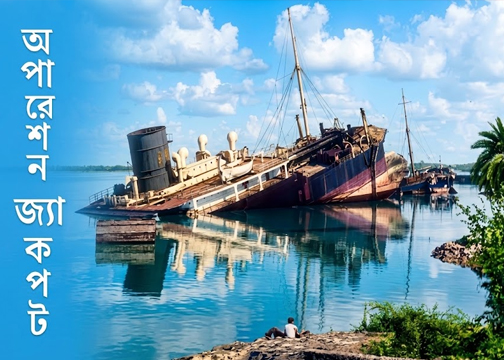
লাল-সবুজের গৌরবগাথা ৫৬,৯৭৭ বর্গমাইল আয়তনবিশিষ্ট বাংলাদেশ নামের দেশটির জন্মের সাথে রবিঠাকুরের লেখা এই গানটির তাৎপর্য অপরিসীম। মুক্তিযুদ্ধের ইতিহাসে তো বটেই, বিশ্বের ইতিহাসেও সেরা নৌ-অপারেশনগুলোর একটি ছিল ‘অপারেশন জ্যাকপট’।
মুক্তিবাহিনীর প্রধান কর্নেল এম এ জি ওসমানীর নির্দেশেই মুক্তিযুদ্ধের নৌ-কমান্ডো সেক্টর গঠিত হয়। পাকিস্তান নৌবাহিনীতে কর্মরত ১৩ জন বাঙালি সাবমেরিনার ১৯৭১ সালের মার্চে ফ্রান্সের তুলোঁ বন্দরে পিএনএস ম্যাংরোতে প্রশিক্ষণ নিচ্ছিলেন। ২৫ মার্চের বর্বরোচিত হামলার পর সাবমেরিনার আব্দুল ওয়াহেদ চৌধুরীসহ ১৩ জন সাবমেরিনার সিদ্ধান্ত নেন যে, তারা মুক্তিযুদ্ধে অংশগ্রহণ করবেন। তাদের পরিকল্পনা ফাঁস হয়ে গেলে তারা একজন পাকিস্তানি গোয়েন্দা কর্মকর্তাকে হত্যা করে ট্রেনে করে স্পেন, রোম ও সুইজারল্যান্ড হয়ে ৯ এপ্রিল আব্দুল ওয়াহেদ চৌধুরীসহ ৮ জন বাঙালি সাবমেরিনার দিল্লি পৌঁছান। এখানেই এম এ জি ওসমানীর সাথে তাদের দেখা হয় এবং মুক্তিযুদ্ধের নৌ-কমান্ডো সেক্টর (সেক্টর-১০) গঠন করা হয়।
কর্নেল এম এ জি ওসমানী এবং বাংলাদেশ সরকারের প্রচেষ্টায় সীমান্তবর্তী বিভিন্ন ক্যাম্প থেকে বাঙালি যুবকদের বাছাই করে নৌ-কমান্ডো হিসেবে গড়ে তোলার জন্য গোপন প্রশিক্ষণ শিবির খোলা হয়। যে পলাশীর প্রান্তরে বাংলার স্বাধীনতার সূর্য অস্তমিত হয়েছিল, নৌ-কমান্ডোদের মানসিকভাবে দৃঢ় করতে সেই পলাশীর প্রান্তরে ভাগীরথী নদীকেই অপারেশন জ্যাকপটের প্রশিক্ষণের জন্য চূড়ান্ত করা হয়।
মুক্তিযুদ্ধের নৌ-কমান্ডোদের সেই প্রশিক্ষণ ক্যাম্পের পুরোভাগের দায়িত্বে ছিলেন ভারতীয় নেভাল অফিসার কমান্ডার এন. এন. সামন্ত। তিনিই ছিলেন অপারেশন জ্যাকপটের পাণ্ডুলিপি তৈরির কারিগর। একমাত্র তিনিই নৌ-কমান্ডোদের বিষয়ে জেনারেল অরোরা এবং জেনারেল ওসমানীর কাছে প্রতিবেদন পেশ করতেন। কমান্ডার কপিল এবং লেফটেন্যান্ট দাস ছিলেন পলাশীর প্রশিক্ষণ ক্যাম্পের ইনচার্জের দায়িত্বে। পলাশীর প্রশিক্ষণ ক্যাম্পের সাংকেতিক নাম দেওয়া হয়েছিল 'সি-২ পি'।
মে মাসের প্রথম সপ্তাহ থেকেই দেশের সীমান্তবর্তী নানা ক্যাম্প হতে সাঁতার জানা সুঠামদেহী ৩০০ জন তরুণ মুক্তিযোদ্ধাকে বাছাই করা হয়। প্রশিক্ষণ শুরুর আগেই বাছাইকৃত তরুণদের বলা হয়, এটি একটি আত্মঘাতী যুদ্ধ; যেকোনো মূল্যে অপারেশন সফল করতে প্রয়োজনে প্রাণ উৎসর্গও করতে হতে পারে। একই সঙ্গে প্রশিক্ষণের শুরুতেই প্রত্যেক প্রশিক্ষণার্থীর ছবিসহ একটি সম্মতিপত্রে সই নেওয়া হয়। যেখানে লেখা ছিল, ‘আমি দেশের স্বাধীনতার জন্য জীবন বিসর্জন দিতে সম্মত হয়েই এই প্রশিক্ষণ গ্রহণ করছি, আর যুদ্ধে আমার মৃত্যু ঘটলে কেউ দায়ী থাকবে না।’ ফ্রান্স থেকে পালিয়ে আসা ৮ জন বাঙালি সাবমেরিনার যেহেতু নৌ-কমান্ডো ছিলেন না, তাই তাদেরকেও এই প্রশিক্ষণে অংশ নিতে হয়।
নৌ-কমান্ডোদের গোপনীয় এই প্রশিক্ষণের দায়িত্বে ছিলেন মোট ২০ জন ভারতীয় প্রশিক্ষক। এতটাই গোপনীয়তা রক্ষা করা হচ্ছিল যে, সেক্টর কমান্ডাররাও এই বিষয়ে জানতেন না। প্রশিক্ষণ চলাকালীন স্থানীয় সাধারণ মানুষও প্রশিক্ষণস্থলের কাছাকাছি যেতে পারত না। এমনকি প্রশিক্ষকদেরও পরিবারের সঙ্গে কোনো ধরনের যোগাযোগ রক্ষা করার সুযোগ ছিল না।
জলে ও স্থলে—দুটি ভাগে প্রশিক্ষণ দেওয়া হতো। স্থলযুদ্ধের প্রশিক্ষণে ছিল গ্রেনেড নিক্ষেপ, এক্সপ্লোসিভ বা বিস্ফোরকের ব্যবহার, স্টেনগান ও রিভলবার চালানো এবং আন-আর্মড কমব্যাট বা খালি হাতে যুদ্ধের পারদর্শিতা ইত্যাদি। আর জলযুদ্ধের প্রশিক্ষণে থাকত বুকে ৫-৬ কেজি ওজনের পাথর বেঁধে কখনো চিত সাঁতার, কখনো ডুব সাঁতার কাটা। একই সঙ্গে পানির ওপর নাক ভাসিয়ে রেখে টানা সাঁতার কাটা, পানিতে দ্রুত সাঁতরিয়ে এবং ডুব সাঁতারের মাধ্যমে লিমপেট মাইনের ব্যবহার ও স্রোতের প্রতিকূলে সাঁতারের পারদর্শিতা ইত্যাদি।
এমন সব প্রশিক্ষণ দেওয়া হতো খরস্রোতা পলাশীর ভাগীরথী নদীতে। সেখানে তাদের শীত ও বর্ষায় একটানা ৪৮ ঘণ্টা পানিতে থাকার অভ্যাস করানো হয়। সব মিলিয়ে তাদের দৈনন্দিন ১৬-১৭ ঘণ্টা প্রশিক্ষণ নিতে হতো। প্রায় টানা ৩ মাস কঠোর প্রশিক্ষণের পর অপারেশনের জন্য সম্পূর্ণ প্রস্তুত হয় বাংলাদেশের প্রথম নৌ-কমান্ডো বাহিনী।
প্রশিক্ষণার্থীদের নিজস্ব জেলা বা অঞ্চলে অপারেশনের সুযোগ দেওয়া হয়েছিল, যাতে স্থানীয় জনসাধারণের সাহায্য পাওয়া সহজ হয়; পাশাপাশি আঞ্চলিক ভাষা জানার কারণে পথঘাট সহজেই মানুষের কাছ থেকে জেনে নেওয়ার সুযোগ তৈরি হয়। নৌ-কমান্ডোদের প্রশিক্ষণের নানা পর্যায়ের পরীক্ষার ফলাফল অনুসারে 'A' থেকে 'H' পর্যন্ত মোট ৮টি গ্রেড করা হয়েছিল। 'A' গ্রেড পাওয়া নৌ-কমান্ডোদেরকেই পাকিস্তানি জাহাজে লিমপেট মাইন লাগানোর দায়িত্ব দেওয়া হয়েছিল।
পরিকল্পনা অনুসারে পাকিস্তানের স্বাধীনতা দিবসের পর পরই ১৫ আগস্ট মধ্যরাতে বা ১৬ আগস্টের প্রথম প্রহরেই হবে অপারেশন। প্রশিক্ষণের পর আগস্ট মাসে চূড়ান্ত আক্রমণের পরিকল্পনা ঢেলে সাজানো হতে থাকে। একই সময়ে ২টি সমুদ্রবন্দর ও ২টি নদীবন্দরে আক্রমণ চালানোর জন্য ৪টি সেক্টরের পরিকল্পনার সমন্বয় ঘটানো হয়। প্রশিক্ষণপ্রাপ্ত প্রথম ব্যাচকে ৪টি স্থানে আক্রমণের জন্য মোট ৪টি দলে ভাগ করা হয়েছিল— ৬০ জনের ২টি দল এবং ২০ জনের আরও ২টি দল। ৪টি দলের দলনেতাদের অপারেশন পরিচালনার জন্য শিখিয়ে দেওয়া হয়েছিল বিশেষ পদ্ধতি, যা দলের অন্যান্য সদস্যদের কাছেও গোপন ছিল।
সাবমেরিনার আবদুল ওয়াহেদ চৌধুরীর নেতৃত্বে ৬০ জন নৌ-কমান্ডো চট্টগ্রাম সমুদ্রবন্দরে, আমিনুর রহমান খসরুর নেতৃত্বে ২৬০ জন কমান্ডো (যার মধ্যে ৬০ জন নৌ-কমান্ডো ও ২০০ জন সি-আন্ড-সি কমান্ডো) মংলা সমুদ্রবন্দরে, সাবমেরিনার বদিউল আলমের নেতৃত্বে ২০ জন কমান্ডো চাঁদপুর নদীবন্দরে এবং সাবমেরিনার আবদুর রহমানের নেতৃত্বে ২০ জন কমান্ডো নারায়ণগঞ্জ নদীবন্দরে আক্রমণ করবেন বলে চূড়ান্ত হয়।
ঠিক করা হয় দুটি গান, যা অপারেশনের সংকেত হিসেবে প্রচার করা হবে কলকাতা আকাশবাণীর পক্ষ থেকে—পূর্বাঞ্চলীয় শ্রোতাদের জন্য বিশেষ অনুষ্ঠানে (সকাল ৬:০০ থেকে ৬:৩০ মিনিট অথবা রাত ১০:৩০ থেকে রাত ১১:০০ টা)। এই ফ্রিকোয়েন্সি ও গান দুটির মরমার্থ শুধু প্রতিটি দলের কমান্ডাররাই জানতেন। প্রথম সংকেত ছিল পঙ্কজ মল্লিকের গাওয়া রবীন্দ্রসংগীত “আমি তোমায় যত শুনিয়েছিলেম গান”। এর অর্থ হলো সব রকম প্রস্তুতি নিয়ে ২য় গানটির জন্য অপেক্ষা করতে হবে। আর দ্বিতীয় সংকেত ছিল সন্ধ্যা মুখোপাধ্যায়ের গাওয়া “আমার পুতুল আজকে প্রথম যাবে শ্বশুরবাড়ি” গানটি। দ্বিতীয় সংকেত হচ্ছে সুস্পষ্ট নির্দেশ—এখন থেকে ঠিক ২৪ ঘণ্টা পরেই আক্রমণ করতে হবে। আর সে হিসেবে প্রতিটি দলের দলনেতা তাদের ‘জিরো আওয়ার’ ঠিক করে নেবেন।
১৯৭১ সালের ১৬ আগস্টের প্রথম প্রহরে অবাক বিস্ময়ে বিশ্ববাসী দেখে বাঙালি যোদ্ধাদের বীরত্বগাথা। বিশ্বের বাঘা বাঘা সমরবিদদের মুখের ভাষা ক্ষণিকের জন্য থেমে যায়। কীভাবে সম্ভব এমন এক নিখুঁত ও সফল অপারেশন—একজন নৌ-কমান্ডোকেও না হারিয়ে? এমনকি যারা প্রশিক্ষণ দিয়েছিলেন, সেই ভারতীয় নৌ-কমান্ডোরাও অবাক হয়ে যান দেশের সেই মুক্তিপাগল ছেলেগুলোর জীবন বাজি রাখা এই অপারেশন দেখে!
কীভাবে সম্ভব হয়েছিল? শুধুমাত্র পায়ে ফিন্স লাগিয়ে, অক্সিজেন মাস্ক ছাড়া, বুকে ৬ কেজি ওজনের লিমপেট মাইন বেঁধে খরস্রোতা নদীতে পানির ৪/৫ ফুট নিচে গিয়ে কমান্ডো ছুরি দিয়ে শ্যাওলা পরিষ্কার করে লিমপেট মাইন স্থাপন করে আবার নিরাপদে ফিরে আসা!
১৬ আগস্টের প্রথম প্রহরে চট্টগ্রাম ও মোংলা সমুদ্রবন্দর এবং চাঁদপুর ও নারায়ণগঞ্জ নদীবন্দরে পরিচালিত ‘অপারেশন জ্যাকপট’-এ পাকিস্তানি বাহিনীর প্রায় ৫০ হাজার ৮০০ টনের মোট ২৬টি জাহাজ পুরোপুরিভাবে ধ্বংস করেছিলেন নৌ-কমান্ডোরা। এছাড়া বহু নৌযান ধ্বংস ও অকেজো হয়ে গিয়েছিল। নৌ-কমান্ডোদের হামলায় ক্ষতিগ্রস্ত হয় পাকিস্তানি বাহিনীর ৬৬ হাজার ৪০ টনের জাহাজ। প্রকৃত অর্থেই অপারেশন জ্যাকপট ছিল পাকিস্তানি হানাদার বাহিনীর বিরুদ্ধে এক মরণকামড়; একই সঙ্গে নৌ-যোদ্ধাদের অসীম সাহসিকতার নিদর্শন। এখনো সেই অসীম সাহসী যোদ্ধারা নিভৃতে এই গান দুটি শোনেন এবং প্রেরণা পান বলে আমি বিশ্বাস করি।
আমি তোমায় যত শুনিয়েছিলেম গান তার বদলে আমি চাই নে কোনো দান॥
প্রকৃত অর্থেই জাতির শ্রেষ্ঠ সন্তানেরা কোনো প্রতিদানের আশায় যুদ্ধ করেননি। তারা শুধুমাত্র দেশমাতৃকাকে ভালোবেসে জীবন উৎসর্গ করেছিলেন বলেই এমন নিখুঁত ও সফল কমান্ডো অভিযান সম্ভব হয়েছিল। বিনম্র শ্রদ্ধা, ভক্তি ও হৃদয়নিংড়ানো ভালোবাসা সকল বীরাঙ্গন ও বীরদের প্রতি।
লেখক: শুভ্র মানিক , সংস্কৃতিকর্মী ও রাজনৈতিক বিশ্লেষক
The significance of Rabindranath Tagore's iconic song in the birth of the 56,977-square-mile nation named Bangladesh—a glorious story of red and green—is profound. Operation Jackpot stands out not only in the annals of Bangladesh’s Liberation War but also as one of the most remarkable naval operations in world history.
Under the direct instructions of General M. A. G. Osmani, the Commander-in-Chief of the Mukti Bahini, the naval commando sector was established. In March 1971, thirteen Bengali submariners serving in the Pakistan Navy were undergoing training on the PNS Mangro in Toulon, France. Following the brutal crackdowns on March 25, thirteen submariners—led by Submariner Abdul Wahed Chowdhury—decided to join the Liberation War. When their plan was leaked, they killed a Pakistani intelligence officer and escaped by train through Spain, Rome, and Switzerland. On April 9, eight Bengali submariners, including Abdul Wahed Chowdhury, reached Delhi. It was there that they met M. A. G. Osmani, leading to the formation of the naval commando sector: Sector-10.
Through the efforts of Colonel M. A. G. Osmani and the Bangladesh Government in exile, secret training camps were set up to select Bengali youths from various border camps and train them into naval commandos. The historic fields of Plassey—where Bengal’s sun of independence had once set—and the Bhagirathi River were chosen as the final training grounds for Operation Jackpot to mentally fortify the trainees.
Commander N. N. Samanta, an Indian Naval Officer, was at the forefront of managing this clandestine naval commando training camp. He was the mastermind behind drafting the operational plan for Operation Jackpot. He was the sole officer authorized to submit reports on the naval commandos directly to General Aurora and General Osmani. Commander Kapil and Lieutenant Das served as in-charges of the Plassey training camp, which was codenamed "C-2 P."
Starting in the first week of May, 300 physically fit young freedom fighters who knew how to swim were selected from various border camps across the country. Before training commenced, the recruits were explicitly warned that this was a suicide mission; they might have to sacrifice their lives at any cost to ensure success. Every trainee was required to sign a consent form accompanied by their photograph, which read: “I am undergoing this training fully consenting to sacrifice my life for the freedom of my country, and if I die in battle, no one shall be held responsible.” Since the eight submariners who escaped from France were not trained naval commandos, they too had to undergo this rigorous training.
A total of 20 Indian instructors were tasked with this secret training regimen. Secrecy was maintained so strictly that even Sector Commanders were kept in the dark. Local residents were barred from approaching the training site, and the instructors themselves were completely cut off from contacting their families.
Training was conducted both on land and in water. Land training included grenade throwing, explosive handling, operating sten guns and revolvers, and unarmed hand-to-hand combat. Water training involved swimming backstroke and underwater swimming with 5–6 kg stones strapped to their chests, as well as tread-water swimming with only their noses above the surface. Trainees were taught rapid underwater maneuvering, attaching limpet mines, and fighting strong river currents—all conducted in the turbulent waters of the Bhagirathi River. They were conditioned to stay submerged continuously for 48 hours in both winter and monsoon seasons, enduring 16 to 17 hours of strenuous training daily. After nearly three months of intense preparation, Bangladesh’s first naval commando force was fully ready for action.
Trainees were assigned to operations in their home districts or regions so they could easily rely on local support and navigate local routes using their familiarity with regional dialects. Based on their performance across various evaluation stages, the commandos were categorized into eight grades (A through H). Only commandos graded 'A' were entrusted with the critical duty of attaching limpet mines to Pakistani ships.
According to the master plan, the attack was scheduled for midnight on August 15 or the early hours of August 16, immediately following Pakistan’s Independence Day. Final attack plans were restructured throughout August. Operations across four sectors were coordinated simultaneously to strike two major seaports and two river ports. The first trained batch was divided into four attack groups: two 60-member teams and two 20-member teams. Team leaders were briefed on a secret execution protocol, which was kept confidential even from the rest of their team members.
Under the leadership of Submariner Abdul Wahed Chowdhury, 60 naval commandos were deployed to Chittagong Port. Led by Aminur Rahman Khosru, 260 commandos (comprising 60 naval commandos and 200 C-and-C commandos) were assigned to Mongla Port. Submariner Badiul Alam led 20 commandos to Chandpur River Port, while Submariner Abdur Rahman led another 20 commandos to Narayanganj River Port.
Two songs were selected to broadcast the signals for the operation via All India Radio (Akashvani Kolkata) during their special eastern region broadcasts (from 6:00 to 6:30 AM or 10:30 to 11:00 PM). The frequency and code meanings of these two songs were known only to the team commanders. The first signal was the Rabindra Sangeet sung by Pankaj Mullick: “Ami Tomay Joto Shuniyechilem Gan” (As Many Songs As I Have Sung to You). This signaled all teams to complete all preparations and await the second song. The second signal was the song by Sandhya Mukhopadhyay: “Amar Putul Aajke Prothom Jabe Shoshurbari” (My Doll Is Going to Her In-laws' House for the First Time). This second signal was the direct order to strike exactly 24 hours later, allowing each team leader to set their respective 'Zero Hour.'
In the early hours of August 16, 1971, the world watched in awe as Bengali fighters displayed unparalleled heroism. World-renowned military strategists were left speechless. How was such a flawless and successful operation possible without losing a single naval commando? Even the Indian naval commandos who trained them were astonished to witness these freedom-crazed youths risking everything.
How was it achieved? Wearing simple swimming fins, without oxygen masks, carrying 6-kg limpet mines strapped to their chests, they dived 4–5 feet deep into roaring river currents, scraped off sea algae with commando knives, planted limpet mines, and returned safely!
During the early hours of August 16, Operation Jackpot destroyed 26 Pakistani ships totaling nearly 50,800 tons across Chittagong, Mongla, Chandpur, and Narayanganj ports. Numerous other vessels were destroyed or rendered inoperable, damaging Pakistani shipping capacity by another 66,040 tons. In truth, Operation Jackpot delivered a fatal blow to the Pakistani occupation forces while demonstrating the immense bravery of Bangladesh's naval fighters. I believe those valiant heroes still listen to those two songs in solitude today and draw inspiration from them.
As many songs as I have sung to you, I ask for no reward in return...
Indeed, the finest sons of this soil fought without expecting any reward in return. It was solely their unconditional love for the motherland that rendered such a precise and historic commando operation possible. Deep respect, devotion, and heartfelt love to all the heroes and brave souls.
Author: Shuvro Manik , Cultural Activist and Political Analyst