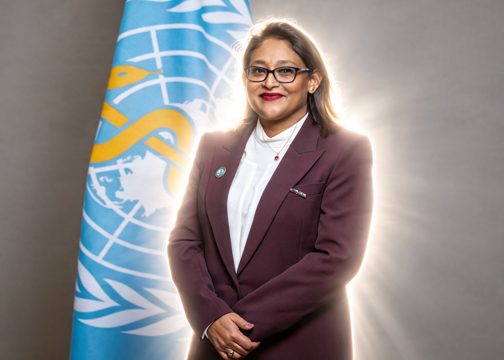
রাজনৈতিক পটপরিবর্তন আর আন্তর্জাতিক কূটনীতির মারপ্যাঁচে মানুষের জীবন কীভাবে নিমেষে বদলে যায়, তার এক উজ্জ্বল ও বিষাদময় দৃষ্টান্ত সায়মা ওয়াজেদ পুতুল। ২০২৩ সালের নভেম্বরে দক্ষিণ-পূর্ব এশিয়ার ১০টি দেশের মধ্যে ৮টির অভূতপূর্ব সমর্থনে বিশ্ব স্বাস্থ্য সংস্থার (WHO) আঞ্চলিক পরিচালক হিসেবে নির্বাচিত হয়েছিলেন তিনি। এই পদে বিজয়ী প্রথম বাংলাদেশি এবং দ্বিতীয় নারী হিসেবে এটি ছিল দেশের জন্য এক বিরাট আন্তর্জাতিক গৌরব। ২০২৯ সালের প্রারম্ভ পর্যন্ত তাঁর এই সম্মানজনক দায়িত্ব পালনের কথা ছিল। কিন্তু নিয়তির পরিহাসে, রাজনৈতিক ঝোড়ো হাওয়ায় আজ সেই সাফল্য আচ্ছন্ন হয়ে পড়েছে ঘোর অনিশ্চয়তা ও মানসিক যন্ত্রণায়।
২০২৪ সালের আগস্টে বাংলাদেশে সরকার পরিবর্তনের পর পুতুলের বিরুদ্ধে দুর্নীতি ও ক্ষমতার অপব্যবহারের নানা অভিযোগ আনে অন্তর্বর্তী সরকার। দুর্নীতি দমন কমিশনের (দুদক) এসব অভিযোগের ভিত্তিতে ২০২৫ সালের ১১ জুলাই বিশ্ব স্বাস্থ্য সংস্থার মহাপরিচালক ড. টেড্রস আধানম ঘেব্রেইয়েসাস ইমেইল বার্তার মাধ্যমে তাঁকে অনির্দিষ্টকালের জন্য ছুটিতে পাঠান। কোনো স্বাধীন ও আনুষ্ঠানিক তদন্ত ছাড়াই, কেবল একটি দেশের রাজনৈতিক অনুরোধে তড়িঘড়ি করে নেওয়া এই সিদ্ধান্তে বিশ্বমঞ্চে এক নির্দয় ও অনাকাঙ্ক্ষিত পরিস্থিতি তৈরি হয়।
বিগত আট মাসেরও বেশি সময় ধরে এক গভীর নীরবতা ও প্রশাসনিক হয়রানির মুখোমুখি সায়মা ওয়াজেদ। তিনি বিশ্ব স্বাস্থ্য সংস্থার মহাপরিচালকের কাছে একের পর এক চিঠি পাঠিয়ে জানতে চেয়েছেন—তাঁর বিরুদ্ধে আদৌ কোনো নিরপেক্ষ তদন্ত চলছে কি না, নাকি এটি নিছকই রাজনৈতিক আক্রোশ? বিশ্বস্ত সূত্রের খবর এবং আন্তর্জাতিক সংবাদমাধ্যমের প্রতিবেদন অনুযায়ী, দীর্ঘ আট মাস অপেক্ষার পরও কোনো জবাব না পেয়ে এবার আইনি পদক্ষেপ নেওয়ার প্রস্তুতি নিচ্ছেন তিনি। তাঁর অভিযোগ, কোনো প্রকার আত্মপক্ষ সমর্থনের সুযোগ না দিয়ে এবং আন্তর্জাতিক সিভিল সার্ভিস প্রটোকল লঙ্ঘন করে বিশ্ব স্বাস্থ্য সংস্থা চরম পক্ষপাতিত্ব ও অবিচারের পরিচয় দিয়েছে।
সায়মা ওয়াজেদ পুতুলের বিশ্ব স্বাস্থ্য সংস্থায় (WHO) আঞ্চলিক পরিচালক পদে বহাল থাকা এবং তাঁর ওপর দেওয়া বাধ্যতামূলক ছুটির সিদ্ধান্তের বিরুদ্ধে দক্ষিণ-পূর্ব এশিয়া অঞ্চলের (SEARO) সদস্য রাষ্ট্রগুলোর সোচ্চার হওয়া আন্তর্জাতিক কূটনীতি ও প্রশাসনিক নিয়মনীতির ক্ষেত্রে একটি অভূতপূর্ব ঘটনা। বাংলাদেশ ছাড়া এই অঞ্চলের অন্য ৯টি দেশের মধ্যে ভারতসহ অন্তত সাতটি দেশ তাঁর পাশে এসে দাঁড়িয়েছে এবং WHO কর্তৃপক্ষের কাছে কৈফিয়ত তলব করেছে।
এই দেশগুলোর কূটনৈতিক অবস্থান, পেছনের আইনি যুক্তি এবং আন্তর্জাতিক রাজনীতিতে এর সুদূরপ্রসারী প্রভাব বিস্তারিত বিশ্লেষণ করা হলো:
১. সদস্য রাষ্ট্রগুলোর মূল কূটনৈতিক ও আইনি যুক্তি
দক্ষিণ-পূর্ব এশিয়ার দেশগুলো মূলত ব্যক্তিগত রাজনীতি বা কোনো সুনির্দিষ্ট ব্যক্তির প্রতি অনুরাগের চেয়ে আন্তর্জাতিক সংস্থার প্রাতিষ্ঠানিক স্বকীয়তা ও নিয়মনীতি রক্ষার নীতিগত যুক্তিকে সামনে এনেছে:
কূটনৈতিক প্রটোকল ও সার্বভৌমত্বের লঙ্ঘন: সদস্য দেশগুলোর মূল যুক্তি হলো, বিশ্ব স্বাস্থ্য সংস্থার কোনো নির্বাচিত কর্মকর্তা কোনো একক দেশের অধীনস্থ নন, বরং তিনি আন্তর্জাতিক সিভিল সার্ভিস প্রটোকলের অধীনে পরিচালিত হন। বাংলাদেশের একটি অন্তর্বর্তী সরকারের রাজনৈতিক অনুরোধে কোনো অভ্যন্তরীণ তদন্ত ছাড়া তাঁকে তড়িঘড়ি করে ছুটিতে পাঠানো WHO-এর স্টাফ রুলসের স্পষ্ট লঙ্ঘন।
গণতান্ত্রিক ম্যান্ডেটের অপমান: ২০২৩ সালের নির্বাচনে দক্ষিণ-পূর্ব এশিয়ার ১০টি দেশের মধ্যে ৮টি দেশ ভোট দিয়ে সায়মা ওয়াজেদকে পাঁচ বছরের (২০২৪–২০২৯) জন্য নির্বাচিত করেছিল। সাতটি দেশের মতে, সদস্য রাষ্ট্রগুলোর প্রত্যক্ষ মতামত বা ভোটাভুটি ছাড়া সংস্থার মহাপরিচালক কর্তৃক একতরফাভাবে তাঁকে সরিয়ে দেওয়া সংস্থাটির গণতান্ত্রিক কাঠামোর প্রতি অশ্রদ্ধা প্রদর্শন।
রাজনৈতিক উদ্দেশ্যপ্রণোদিত অভিযোগের ঝুঁকি: রাষ্ট্রগুলোর মতে, সদস্য দেশের অভ্যন্তরীণ সরকার পরিবর্তনের সাথে সাথে যদি আন্তর্জাতিক সংস্থায় নিয়োজিত কর্মকর্তাদের রাজনৈতিক কারণে টার্গেট করা হয় এবং আন্তর্জাতিক সংস্থাগুলো তাতে সরাসরি সাড়া দেয়, তবে ভবিষ্যতে যেকোনো সদস্য রাষ্ট্রের প্রতিনিধিত্বকারী কর্মকর্তার ক্যারিয়ার ও পদ সুরক্ষিত থাকবে না। এটি একটি অত্যন্ত বিপজ্জনক পূর্বসূরি (Precedent) স্থাপন করবে।
বিচারে স্বচ্ছতা ও নিরপেক্ষ তদন্তের অভাব: আট মাসেরও বেশি সময় ধরে কোনো সঠিক আন্তর্জাতিক বা নিরপেক্ষ তদন্ত ছাড়াই একজন শীর্ষ কর্মকর্তাকে ঝুলিয়ে রাখা আন্তর্জাতিক শ্রম আইন ও জাতিসংঘ সনদের মৌলিক অধিকারের পরিপন্থী বলে এসব দেশ উল্লেখ করেছে।
আঞ্চলিক ভূ-রাজনীতি ও সমর্থক দেশগুলোর প্রভাব
সায়মা ওয়াজেদ পুতুলের পক্ষে সাতটি দেশ সোচ্চার হওয়ার পেছনে আইনি যুক্তির পাশাপাশি গভীর আঞ্চলিক ভূ-রাজনৈতিক ও প্রশাসনিক প্রভাব কাজ করছে:
বিষয় বিবরণ ও প্রভাব
ভারতের নেতৃত্ব ও ভূ-রাজনৈতিক কৌশল দক্ষিণ-পূর্ব এশিয়া অঞ্চলে ভারতের প্রভাব অত্যন্ত ব্যাপক। সায়মা ওয়াজেদের নির্বাচনের সময়ও ভারত তাঁকে পূর্ণ সমর্থন দিয়েছিল। ভারতের কূটনৈতিক অবস্থান হলো—আঞ্চলিক সংস্থায় রাজনৈতিক পটপরিবর্তনের প্রভাব পড়তে দেওয়া উচিত নয়। ভারতের এই শক্ত অবস্থানের কারণেই মূলত অঞ্চলের অন্যান্য ক্ষুদ্র দেশগুলো সোচ্চার হওয়ার সাহস পেয়েছে।
আঞ্চলিক জোটের ঐক্য (ভারত, ভুটান, নেপাল, শ্রীলঙ্কা, মালদ্বীপ ইত্যাদি) শ্রীলঙ্কা, ভুটান, নেপাল, মালদ্বীপ, থাইল্যান্ড বা পূর্ব তিমুরের মতো দেশগুলো WHO SEARO-এর কার্যকারিতার ওপর সরাসরি নির্ভরশীল। তারা মনে করে, স্থায়ী আঞ্চলিক পরিচালক না থাকা এবং একের পর এক 'ভারপ্রাপ্ত' বা 'অফিস ইনচার্জ' দিয়ে সংস্থা চালানোতে অঞ্চলের স্বাস্থ্যনীতি ও জরুরী তহবিল বণ্টন মারাত্মকভাবে ক্ষতিগ্রস্ত হচ্ছে।
দক্ষিণ-পূর্ব এশিয়া ব্লকের ঐক্যবদ্ধ চাপ জাতিসংঘের অধীনে বিশ্ব স্বাস্থ্য সংস্থায় দক্ষিণ-পূর্ব এশিয়া অঞ্চল একটি অত্যন্ত শক্তিশালী ও গুরুত্বপূর্ণ ভোট ব্যাংক। এই ব্লকের ৭টি দেশ যখন কোনো নির্দিষ্ট ইস্যুতে একজোট হয়, তখন ডাব্লিউএইচও-এর সদর দপ্তর (জেনেভা) বা মহাপরিচালকের পক্ষে তা উপেক্ষা করা প্রায় অসম্ভব হয়ে পড়ে।
৩. আন্তর্জাতিক অঙ্গনে ও WHO-এর ওপর এই অবস্থানের প্রভাব
সদস্য রাষ্ট্রগুলোর এই সম্মিলিত চাপের ফলে বিশ্ব স্বাস্থ্য সংস্থায় ইতিমধ্যে বেশ কিছু দৃশ্যমান পরিবর্তন ও প্রতিক্রিয়া দেখা গেছে:
• WHO-এর পিছু হঠতে বাধ্য হওয়া: প্রথম দিকে WHO-এর ওয়েবসাইট থেকে আঞ্চলিক পরিচালক হিসেবে সায়মা ওয়াজেদের নাম ও পদবি সরিয়ে ফেলা হয়েছিল। কিন্তু সদস্য রাষ্ট্রগুলোর তীব্র আপত্তি ও লিখিত দাবির মুখে সংস্থাটি তাদের অফিশিয়াল ওয়েবসাইটে সায়মা ওয়াজেদের প্রোফাইল ও পদ পুনস্থাপন করতে বাধ্য হয়।
• আর্থিক ও প্রশাসনিক চাপ: নিয়ম অনুযায়ী বাধ্যতামূলক ছুটিতে থাকলেও সায়মা ওয়াজেদকে সংস্থাটি পূর্ণ বেতন, বাড়িভাড়া এবং অন্যান্য প্রটোকল সুবিধা দিতে বাধ্য হচ্ছে। অন্যদিকে নতুন করে ভারপ্রাপ্ত কর্মকর্তা নিয়োগ করতে হচ্ছে। সদস্য দেশগুলো প্রশ্ন তুলছে, আন্তর্জাতিক ফান্ড থেকে একই পদে দুজন ব্যক্তির খরচ বহন করা কতটা যৌক্তিক এবং এর দায়ভার কে নেবে?
• আইনি ও প্রশাসনিক জটিলতা: সাতটি দেশের এই যৌথ আবেদনের ফলে WHO মহাপরিচালক ড. টেড্রস আধানম ঘেব্রেইয়েসাস আইনি ও নীতিগতভাবে বেশ কোণঠাসা হয়ে পড়েছেন। এখন যদি সায়মা ওয়াজেদ আনুষ্ঠানিকভাবে আন্তর্জাতিক আদালতের (যেমন ILO Administrative Tribunal) শরণাপন্ন হন, তবে এসব দেশের কূটনৈতিক চিঠি ও অবস্থান তাঁর পক্ষে বিশাল বড় আইনি হাতিয়ার হিসেবে কাজ করবে।
দক্ষিণ-পূর্ব এশিয়ার সাতটি দেশের সোচ্চার হওয়া কেবল সায়মা ওয়াজেদ পুতুলের ব্যক্তিগত পদ রক্ষার লড়াই নয়; এটি আন্তর্জাতিক সিভিল সার্ভিসের স্বতন্ত্রতা ও নিরপেক্ষতা রক্ষার এক বড় কূটনৈতিক লড়াই। রাজনৈতিক উদ্দেশ্যে বহুপাক্ষিক আন্তর্জাতিক সংস্থাকে ব্যবহার করার চেষ্টা রুখে দেওয়াই এই দেশগুলোর মূল কূটনৈতিক লক্ষ্য।
এই লড়াইয়ে এখন আর সায়মা ওয়াজেদ একা নন। আন্তর্জাতিক অঙ্গনে তাঁর প্রতি এমন তাড়াহুড়ো করে নেওয়া সিদ্ধান্তে ক্ষুব্ধ হয়ে উঠেছে দক্ষিণ-পূর্ব এশিয়ার সাতটি সদস্য রাষ্ট্র।
ভারতসহ এসব দেশ প্রশ্ন তুলেছে—কীভাবে কোনো অভ্যন্তরীণ তদন্ত ছাড়াই একজন নির্বাচিত আন্তর্জাতিক কর্মকর্তাকে একটি দেশের রাজনৈতিক চিঠির ভিত্তিতে সাময়িক বরখাস্তের মতো পদক্ষেপে বাধ্য করা হলো? সদস্য দেশগুলোর অব্যাহত দাবির মুখে বিশ্ব স্বাস্থ্য সংস্থা তাদের ওয়েবসাইট থেকে পুতুলের নাম ও পদবি পুরোপুরি মুছে ফেলতে পারেনি এবং তাঁর সকল বেতন-ভাতাও বহাল রাখতে বাধ্য হয়েছে।
দায়িত্ব পালনের অধিকার থেকে বঞ্চিত হয়ে প্রবাসে বসে সুবিচারের জন্য লড়াই করে যাওয়া এক নারীর এই গল্পটি এখন কেবলই এক প্রশাসনিক জটিলতার গল্প নয়; এটি ক্ষমতার রাজনীতির কাছে আন্তর্জাতিক প্রতিষ্ঠানের সততা ও একজন ব্যক্তিত্বের সম্মান বিপন্ন হওয়ার এক করুণ আখ্যান। আট মাসের এই দীর্ঘ নীরবতা ও অবিচারের দেয়াল ভেঙে আইনি লড়াইয়ের মাধ্যমে সায়মা ওয়াজেদ কি তাঁর অধিকার ও সম্মান ফিরে পাবেন? এখন এই প্রশ্নের দিকেই তাকিয়ে রয়েছে পুরো অঞ্চল।
লেখক: শচীন বাঙালি,কলামিস্ট ও রাজনৈতি বিশ্লেষক
Saima Wazed Putul is a striking and poignant example of how human lives can change in an instant amid political shifts and the intricacies of international diplomacy. In November 2023, she was elected as the Regional Director for the World Health Organization (WHO) South-East Asia Region with the unprecedented support of 8 out of 10 member countries. As the first Bangladeshi and the second woman to win this post, it brought immense international pride to the country. She was scheduled to serve in this prestigious role until early 2029. However, by an irony of fate, political tempers have now clouded that achievement with deep uncertainty and emotional distress.
Following the change of government in Bangladesh in August 2024, the interim government brought various allegations of corruption and abuse of power against Putul. Based on these allegations from the Anti-Corruption Commission (ACC), WHO Director-General Dr. Tedros Adhanom Ghebreyesus sent her on indefinite leave via an email message on July 11, 2025. This decision—taken in haste based solely on a political request from a single country, without any independent or formal investigation—created a harsh and unwelcome situation on the global stage.
For more than eight months, Saima Wazed has faced deep silence and administrative harassment. She has sent letter after letter to the WHO Director-General asking whether any neutral investigation is actually underway against her, or if this is merely political vendetta. According to reliable sources and international media reports, after waiting for eight long months without receiving a response, she is now preparing to take legal action. She alleges that WHO has displayed extreme bias and injustice by failing to afford her any opportunity to defend herself and by violating international civil service protocols.
The vocal opposition from member states of the South-East Asia Region (SEARO) against the decision to place Saima Wazed Putul on mandatory leave from her position as Regional Director represents an unprecedented event in international diplomacy and administrative norms. Except for Bangladesh, at least seven of the other nine countries in the region, including India, have stood by her and demanded an explanation from WHO authorities.
A detailed analysis of these countries' diplomatic stances, underlying legal arguments, and the far-reaching impact on international politics is outlined below:
1. Key Diplomatic and Legal Arguments of Member States
The countries of South-East Asia have primarily put forward principled arguments to protect the institutional autonomy and regulations of an international organization, rather than focusing on personal politics or affection for a specific individual:
• Violation of Diplomatic Protocol and Sovereignty: The core argument of the member states is that an elected official of the World Health Organization does not belong to a single nation; rather, they are governed by international civil service protocols. Hastily placing her on leave without an internal investigation—solely at the political request of an interim government in Bangladesh—is a clear violation of WHO Staff Rules.
• Insult to Democratic Mandate: In the 2023 election, 8 out of 10 South-East Asian countries voted to elect Saima Wazed for a five-year term (2024–2029). According to seven countries, her unilateral removal by the Director-General without direct consultation or a vote among member states demonstrates disrespect for the organization's democratic structure.
• Risk of Politically Motivated Allegations: Member states argue that if international officials are targeted for political reasons during domestic government transitions in member countries, and if international bodies directly yield to such pressure, no official representing any member state will have a secure career or position in the future. This would set an extremely dangerous precedent.
• Lack of Judicial Transparency and Neutral Investigation: These countries noted that keeping a top official in limbo for over eight months without a proper international or neutral investigation contradicts basic rights under international labor law and the UN Charter.
2. Regional Geopolitics and Influence of Supporting Countries
Alongside legal reasoning, strong regional geopolitical and administrative dynamics are at play behind the vocal support of these seven countries for Saima Wazed Putul:
Subject Description & Impact
India's Leadership & Geopolitical Strategy India's influence in the South-East Asia region is vast. During Saima Wazed's election, India extended full support to her. India's diplomatic position is that domestic political shifts should not impact regional bodies. India's firm stance has given smaller nations in the region the confidence to speak up.
Regional Alliance Unity (India, Bhutan, Nepal, Sri Lanka, Maldives, etc.) Nations like Sri Lanka, Bhutan, Nepal, Maldives, Thailand, or Timor-Leste directly rely on the operational efficiency of WHO SEARO. They believe that operating without a permanent Regional Director and relying on a succession of "Acting" or "Officer-in-Charge" arrangements severely harms regional health policies and the distribution of emergency funds.
Unified Pressure from the South-East Asia Block Under the UN framework, the South-East Asia region constitutes a powerful and vital voting bloc within WHO. When seven countries in this bloc unite on a specific issue, it becomes nearly impossible for WHO Headquarters (Geneva) or the Director-General to ignore it.
3. Impact on the International Stage and WHO
This collective pressure from member states has already led to several visible shifts and reactions within WHO:
• WHO Forced to Back Down: Initially, Saima Wazed's name and title as Regional Director were removed from the WHO website. However, facing strong objections and written demands from member states, the organization was forced to restore her profile and title on its official website.
• Financial and Administrative Strain: Under existing rules, despite being on mandatory leave, WHO is obligated to provide Saima Wazed with her full salary, housing allowance, and other protocol benefits. Meanwhile, an acting officer has had to be appointed simultaneously. Member countries are questioning the rationale of funding two individuals for the same position from international funds and asking who will take responsibility for this cost.
• Legal and Administrative Complications: Following this joint appeal by seven nations, WHO Director-General Dr. Tedros Adhanom Ghebreyesus finds himself legally and policy-wise on the back foot. Should Saima Wazed formally approach an international tribunal (such as the ILO Administrative Tribunal), the diplomatic letters and positions of these countries will serve as formidable legal assets on her behalf.
The stance taken by these seven South-East Asian countries is not merely a fight to protect Saima Wazed Putul's personal job; it is a major diplomatic battle to preserve the independence and neutrality of the international civil service. The central diplomatic objective of these nations is to block attempts to exploit multilateral international organizations for political ends.
Saima Wazed is no longer alone in this struggle. Seven South-East Asian member states have voiced outrage in the international arena over such a hasty decision taken against her.
These nations, led by India, have questioned how an elected international official could be forced into temporary suspension based solely on a political letter from one country, without any internal investigation. In the face of continuous demands from member states, WHO was unable to erase Putul's name and title entirely from its website and remains obligated to maintain all her salaries and benefits.
Deprived of her right to fulfill her duties, the story of this woman fighting for justice from abroad is no longer just a narrative of administrative complications. It has become a tragic tale of how international institutional integrity and personal dignity are imperiled by power politics. After eight long months behind a wall of silence and injustice, will Saima Wazed regain her rights and honor through this legal battle? The entire region now awaits the answer.
Author: Sachin Bengali, Columnist and Political Analyst