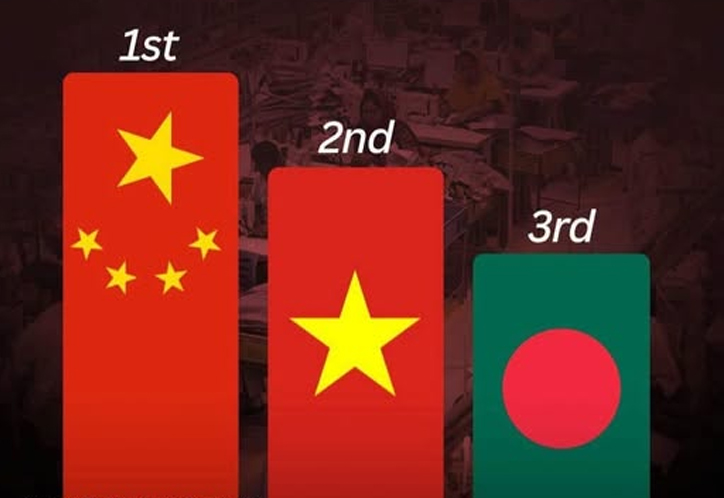
বৈশ্বিক তৈরি পোশাক রপ্তানির বাজারে বাংলাদেশের অবস্থান নিয়ে নতুন করে উদ্বেগ তৈরি হয়েছে। বিশ্ব বাণিজ্য সংস্থার (WTO) সর্বশেষ তথ্য অনুযায়ী, ২০২৫ সালে বাংলাদেশকে পেছনে ফেলে ভিয়েতনাম দ্বিতীয় বৃহত্তম পোশাক রপ্তানিকারক হিসেবে উঠে এসেছে—যা দেশের অর্থনীতির জন্য নিঃসন্দেহে একটি গুরুত্বপূর্ণ সতর্কবার্তা। তবে এই পরিস্থিতির দায় এককভাবে কোনো সরকার, ব্যবসায়ী বা শ্রমিকের ওপর চাপিয়ে দিলে সমস্যার গভীরতা বোঝা যাবে না। এর পেছনে রয়েছে দীর্ঘদিনের কাঠামোগত দুর্বলতা, নীতিগত অস্থিরতা, উৎপাদন ব্যয় বৃদ্ধি এবং বৈশ্বিক প্রতিযোগিতার পরিবর্তিত বাস্তবতা।
তবে এটিও সত্য যে, গত দেড় দশকে আওয়ামী লীগ সরকারের সময়ে পোশাক খাতকে আন্তর্জাতিক বাজারে শক্তিশালী করতে বেশ কিছু ইতিবাচক পদক্ষেপ নেওয়া হয়েছিল। রানা প্লাজা দুর্ঘটনার পর কারখানার নিরাপত্তা ও কমপ্লায়েন্স সংস্কারে গুরুত্ব দেওয়া, শ্রমিকদের মজুরি বৃদ্ধির উদ্যোগ, অর্থনৈতিক অঞ্চল ও অবকাঠামো উন্নয়ন, বিদ্যুৎ ও গ্যাস সরবরাহ সম্প্রসারণ এবং রপ্তানি প্রক্রিয়া সহজীকরণে বিভিন্ন পদক্ষেপ নেওয়া হয়। একই সঙ্গে নতুন বাজার অনুসন্ধান, নগদ সহায়তা ও রপ্তানি প্রণোদনার মাধ্যমে তৈরি পোশাক খাতকে বৈশ্বিক প্রতিযোগিতায় টিকিয়ে রাখার চেষ্টা করা হয়েছে। এসব উদ্যোগের ফলেই বাংলাদেশ দীর্ঘদিন ধরে চীনকে অনুসরণ করে বিশ্বের অন্যতম প্রধান পোশাক রপ্তানিকারক হিসেবে অবস্থান ধরে রাখতে পেরেছে।
কিন্তু এখন চ্যালেঞ্জ ভিন্ন। উচ্চ সুদহার, জ্বালানি সংকট, ডলার ও আমদানি-সংক্রান্ত জটিলতা, উৎপাদন ব্যয় বৃদ্ধি, অর্ডার কমে যাওয়া এবং প্রশাসনিক হয়রানি শিল্পের সক্ষমতা ক্ষতিগ্রস্ত করছে। অভিযোগ রয়েছে, বন্ডেড ওয়্যারহাউস লাইসেন্স নবায়নসহ বিভিন্ন ক্ষেত্রে অনিয়ম ও ঘুষের সংস্কৃতি ব্যবসার ব্যয় আরও বাড়িয়ে দিচ্ছে। এসব অভিযোগ তদন্ত করে দায়ীদের বিরুদ্ধে কঠোর ব্যবস্থা নেওয়া জরুরি।
নীতিনির্ধারকদের এখন প্রতিযোগিতা পুনরুদ্ধারে জরুরি কর্মপরিকল্পনা নিতে হবে। কর ও শুল্কনীতি স্থিতিশীল করা, বন্দর ও কাস্টমসের দক্ষতা বাড়ানো, বন্ডেড ওয়্যারহাউস ব্যবস্থায় ডিজিটাল স্বচ্ছতা নিশ্চিত করা, জ্বালানি সরবরাহ নিরবচ্ছিন্ন রাখা এবং উৎপাদনশীলতা বাড়াতে প্রযুক্তি ও অটোমেশনে বিনিয়োগ উৎসাহিত করতে হবে। পাশাপাশি শুধু কম দামের পোশাক নয়, উচ্চমূল্যের ফ্যাশন, প্রযুক্তিনির্ভর টেক্সটাইল ও পরিবেশবান্ধব পণ্যে বাংলাদেশের সক্ষমতা বাড়াতে হবে।
ভিয়েতনামের কাছে দ্বিতীয় স্থান হারানো তাই শুধু একটি রপ্তানি পরিসংখ্যান নয়; এটি বাংলাদেশের তৈরি পোশাক খাতের জন্য একটি ওয়েক-আপ কল। এখন প্রশ্ন ভিয়েতনাম কেন এগিয়ে গেল—তার চেয়ে বড় প্রশ্ন, বাংলাদেশ কি সময়মতো নিজেদের দুর্বলতা কাটিয়ে উঠতে পারবে?
কেন বাংলাদেশের এই পরিস্থিতি?
পর্যালোচনা করলে দেখা যায় যে, ইউনুস সরকার যে শ্রম আইন পরিবর্তন করেছে, তাতে পরিষ্কারভাবে ২০ জন শ্রমিক হলেই ট্রেড ইউনিয়ন করার অনুমতি দিতে হবে এবং পাঁচ থেকে অন্তত ১৬টি ট্রেড ইউনিয়ন একটি ফ্যাক্টরিতে থাকবে। এটা পরিবেশবান্ধব ও বাস্তবসম্মত না হওয়ায় অনেক শিল্প উদ্যোক্তা ব্যবসা গুটিয়ে ফেলার সিদ্ধান্ত নেন।
দ্বিতীয়তঃ
নতুন নতুন প্রযুক্তিগত চ্যালেঞ্জ মোকাবিলা করে আমাদের পোশাক খাত এগিয়ে চলেছে। নতুন কিছু টেকনোলজি শিখতে সবসময়ই শিল্প সহযোগিতা করে এসেছে। যাতে করে আজকের পোশাক খাত একটা শক্ত অবস্থানের মধ্যে থাকতে সবসময়ই সংগ্রাম করেছে। নতুন শ্রম আইনে নতুন কিছু শিখতে চাইলে ট্রেড ইউনিয়নগুলো এটাকে ফোর্সড লেবার হিসেবে বিবেচিত করে। প্রযুক্তিগত দক্ষতা অর্জন একজন ভালো শ্রমিকের চেয়ে সবচেয়ে বড় দিক—এটা তারা বুঝাতে পারেন না।
তৃতীয়তঃ
গত আড়াই বছরের জাস্ট বিদ্যুতের নজিরবিহীন সিন্ডিকেট ও স্বল্পতার কারণে এবং সরকারের ভুল নীতির কারণে এই পরিস্থিতির সৃষ্টি হয়।
চতুর্থতঃ
২০২৪ সালের পরে, কাস্টমস এবং ভ্যাট প্রদানের বিষয়টি গেল আওয়ামী লীগ সরকারের তুলনায় চার থেকে পাঁচ গুণ বেড়েছে। এতে করে কারও কিছু করার ছিল না। নীতিহীন সরকার বুঝেই হোক, না বুঝেই হোক, এটা করেছে।
পঞ্চমতঃ
ঢালাওভাবে ব্যবসায়ীদের নামে হয়রানিমূলক মামলা, মানিলন্ডারিং মামলা, শ্রম মামলা দিয়ে ব্যবসায়ীরা আর নতুন করে বিনিয়োগ করতে ইচ্ছুক নন। এই সমস্যাগুলোর সমাধান না হলে, বাংলাদেশ পোশাক খাতে আরও খারাপ করবে—সেটা সময়ের ব্যাপার মাত্র।
লেখক: শচীন বাঙালি,কলামিস্ট ও রাজনৈতি বিশ্লেষক
New concerns have emerged over Bangladesh’s position in the global ready-made garment (RMG) export market. According to the latest data from the World Trade Organization (WTO), Vietnam overtook Bangladesh in 2025 to become the world’s second-largest garment exporter—a development that is undoubtedly an important warning sign for the country’s economy. However, attributing the entire responsibility for this situation to any single government, business community, or group of workers would fail to capture the depth of the problem. The underlying causes include long-standing structural weaknesses, policy instability, rising production costs, and the changing realities of global competition.
It is also true that during the Awami League government’s tenure over the past decade and a half, several positive measures were taken to strengthen the garment sector in international markets. Following the Rana Plaza disaster, greater emphasis was placed on factory safety and compliance reforms, initiatives were taken to increase workers’ wages, and steps were undertaken to develop economic zones and infrastructure, expand electricity and gas supplies, and simplify export procedures. At the same time, efforts were made to sustain the RMG sector in global competition through the exploration of new markets, cash assistance, and export incentives. As a result of these initiatives, Bangladesh was able to maintain its position for years as one of the world’s leading garment exporters, second only to China.
But the challenges are different now. High interest rates, energy shortages, complications related to the dollar and imports, rising production costs, declining orders, and administrative harassment are undermining the industry’s capacity. There are allegations that irregularities and a culture of bribery in various areas, including the renewal of bonded warehouse licenses, are further increasing the cost of doing business. These allegations must be properly investigated, and strict action should be taken against those found responsible.
Policymakers must now take urgent action to restore Bangladesh’s competitiveness. Tax and tariff policies need to be stabilized, port and customs efficiency must be improved, digital transparency must be ensured in the bonded warehouse system, uninterrupted energy supplies must be maintained, and investment in technology and automation should be encouraged to increase productivity. At the same time, Bangladesh must expand its capabilities beyond low-cost garments and focus more on high-value fashion, technology-driven textiles, and environmentally sustainable products.
Losing the second position to Vietnam is therefore not merely a matter of export statistics; it is a wake-up call for Bangladesh’s garment industry. The question is not simply why Vietnam has moved ahead—the bigger question is whether Bangladesh can overcome its weaknesses in time.
Why Has Bangladesh Reached This Situation?
An assessment of the situation suggests that the labor law amended under the Yunus government clearly allows trade unions to be formed with as few as 20 workers, while a factory may have between five and as many as 16 trade unions. Many industrial entrepreneurs consider such provisions impractical and unfavorable to the business environment, leading some to decide to shut down or wind up their businesses.
Second,
Bangladesh’s garment industry has been moving forward while facing new technological challenges. The industry has consistently supported efforts to learn and adopt new technologies. This has helped the sector maintain a strong position in the global market. However, under the new labor law, trade unions reportedly regard efforts to learn new technologies and acquire new skills as forced labor. They fail to recognize that acquiring technological skills is one of the most important aspects of becoming a more capable and productive worker.
Third,
The current situation has also been created by unprecedented syndication and shortages in the power sector over the past two and a half years, along with misguided government policies.
Fourth,
Since 2024, the costs and complications associated with customs and VAT payments have reportedly increased four to five times compared with the period under the previous Awami League government. Businesses have had little room to maneuver in this situation. The policy-less government, whether knowingly or unknowingly, has contributed to this problem.
Fifth,
Businesses are increasingly reluctant to make new investments due to widespread harassment cases, money-laundering cases, and labor-related lawsuits being filed against businesspeople. Unless these problems are addressed, Bangladesh’s position in the garment sector will deteriorate further. It is only a matter of time.
Author: Shachin Bangali, Columnist and Political Analyst