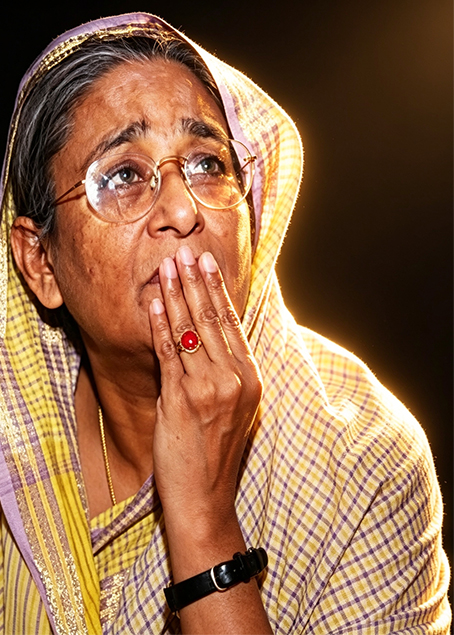
আওয়ামী লীগ সভাপতি শেখ হাসিনার দেশে ফেরার ঘোষণা নিয়ে শুধু বাংলাদেশেই নয়, বলতে গেলে পুরো বিশ্ব জুড়েই এক ধরণের রাজনৈতিক উত্তেজনা ও কৌতূহল সৃষ্টি হয়েছে। আগামী ডিসেম্বরে বাংলাদেশে কী ঘটতে যাচ্ছে, তা নিয়ে চলছে নানা জল্পনা-কল্পনা। শেখ হাসিনা দেশে ফিরলে কি তাঁকে ফাঁসি দেওয়া হবে? নাকি তাঁর জীবননাশের নতুন কোনো হুমকি আসবে? আসুন, পুরো বিষয়টি একটু পর্যালোচনা করে দেখার চেষ্টা করি।
মানবতাবিরোধী অপরাধের দায়ে শেখ হাসিনাকে তড়িঘড়ি “ক্যাঙ্গারু কোর্ট”-এর বিচারের মাধ্যমে মৃত্যুদণ্ডের আদেশ দিয়েছে বাংলাদেশের আদালত। কিন্তু এই বিচারের ভিত্তি ও অভিযোগগুলো ঠিক কী?
জাতিসংঘের মানবাধিকার দপ্তরের (OHCHR) প্রতিবেদনে ২০২৪ সালের ছাত্র-জনতার আন্দোলনে নিহতের সংখ্যা সর্বোচ্চ ১,৪০০ জন পর্যন্ত হতে পারে বলে উল্লেখ করা হয়েছে। অন্যদিকে, ড. মুহাম্মদ ইউনূসের নেতৃত্বাধীন অন্তর্বর্তীকালীন সরকারের প্রধান উপদেষ্টার কার্যালয় ও স্বাস্থ্য মন্ত্রণালয়ের প্রাথমিক তালিকা অনুযায়ী এই সংখ্যা ৬৩১ থেকে ৮৪৪ জনের মতো।
তবে আরেকটি দিকও আলোচনার জন্ম দিয়েছে; জুলাই-আগস্টের আন্দোলনে নিহত বা শহীদ হিসেবে দাবি করা কিছু ব্যক্তি পরবর্তীতে জীবিত ফিরে এসেছেন। বিভিন্ন অসত্য ও বিভ্রান্তিকর তথ্য, স্বজনদের ভুল ধারণা, এমনকি আর্থিক সুবিধা লাভের উদ্দেশ্যে কিছু অসাধু ব্যক্তির নাম শহীদ তালিকায় অন্তর্ভুক্ত হওয়ার প্রমাণ মিলেছে। সরকার অবশ্য ঘোষণা দিয়েছে যে, তদন্তে যাদের নাম ভিত্তিহীন প্রমাণিত হবে, তাদের 'July Shaheed Smrity Foundation'-এর তালিকা ও গেজেট থেকে বাদ দেওয়া হবে। প্রকৃত শহীদের সঠিক তালিকা প্রণয়নের জন্য জেলা প্রশাসক ও বিশেষ সেলের মাধ্যমে তথ্য যাচাইয়ের কাজ এই লেখা চলাকালীন সময়েও চলমান রয়েছে।
প্রশ্ন ওঠে, একেক সময় একেক ধরণের তথ্যের এই বৈপরীত্য কেন? মনোবিজ্ঞান তথা অপরাধবিজ্ঞানে বলা হয়—সত্য ঘটনা মনে রাখা সহজ, কিন্তু মিথ্যা গল্প বানিয়ে বলার জন্য মস্তিষ্কে অতিরিক্ত মানসিক চাপ তৈরি হয়। যেহেতু ঘটনাটি সাজানো বা কাল্পনিক হয়, তাই ভিন্ন ভিন্ন সময়ে হুবহু একই মিথ্যা তথ্য মনে রাখা কঠিন হয়ে পড়ে। জুলাই-আগস্টের আন্দোলনের নিহতের সংখ্যা নিয়ে এই যে গরমিল, একে অপরাধবিজ্ঞানের ভাষায় বলা চলে 'কগনিটিভ লোড' (Cognitive Load)।
সাম্প্রতিক মিডিয়ার খবরে দেখা যাচ্ছে যে, সজীব ভূঁইয়া, নাহিদ আক্তার কিংবা আসিফ নজরুলদের বক্তব্য বেশ ইঙ্গিতপূর্ণ ও আশঙ্কাজনক। এই সেই সজীব ভূঁইয়ারা, যারা এক সময় বলেছিল, জুলাই-আগস্টের আন্দোলন ব্যর্থ হলে তারা “সশস্ত্র বিপ্লবের জন্য প্রস্তুত ছিল”। একটি গোয়েন্দা ঘনিষ্ঠ সূত্র (যারা হোলি আর্টিজানের হামলার খবর আপনাকে আগাম দিয়েছিলো) বলছে যে, শেখ হাসিনা দেশে এলে ডক্টর ইউনুসের পোষা জঙ্গিরা পাকিস্তানি জঙ্গিদের সাথে নিয়ে হয়তো সেটাই করতে চায়, যা তারা ৫ আগস্ট ২০২৪ গণভবনে ঢুকে করতে পারেনি।
শেখ হাসিনা দেশে ফিরলে ঠিক কী হতে পারে, তা অনুমানের আগে আমাদের তাঁর রাজনৈতিক ইতিহাসের দিকে একটু চোখ ফেরানো দরকার। বাংলাদেশের ইতিহাসে শেখ হাসিনার দুটি স্বদেশ প্রত্যাবর্তনকে সবচেয়ে ঝুঁকিপূর্ণ ও উল্লেখযোগ্য হিসেবে বিবেচনা করা হয়:
প্রথমটি (১৭ মে ১৯৮১): ১৯৭৫ সালের ১৫ আগস্ট বঙ্গবন্ধু ও তাঁর পরিবারের অধিকাংশ সদস্য নিহত হওয়ার পর প্রায় ছয় বছর নির্বাসনে থেকে শেখ হাসিনা বাংলাদেশে ফেরেন। সে সময় দেশে সামরিক শাসন চলায় তাঁর নিরাপত্তা নিয়ে ব্যাপক উদ্বেগ ছিল। কিন্তু সব ভয় উপেক্ষা করে ১৯৮১ সালের ১৭ মে তিনি যখন ঢাকার কুর্মিটোলা বিমানবন্দরে অবতরণ করেন, তখন তাঁকে স্বাগত জানাতে প্রায় ১৫ লাখ মানুষের ঢল নেমেছিল। এই বিশাল জনসমুদ্র বিমানবন্দর থেকে শুরু করে ফার্মগেট পর্যন্ত বিস্তৃত ছিল।
দ্বিতীয়টি (৭ মে ২০০৭): সেনাসমর্থিত তত্ত্বাবধায়ক সরকারের সময় চরম অনিশ্চয়তা ও রাজনৈতিক ঝুঁকি মাথায় নিয়ে তিনি দেশে ফেরেন। তৎকালীন তত্ত্বাবধায়ক সরকার তাঁর দেশে ফেরার ওপর নিষেধাজ্ঞা জারি করেছিল এবং বিভিন্ন এয়ারলাইন্সকে বোর্ডিং পাস না দেওয়ার নির্দেশ দিয়েছিল। সমস্ত বাধা পেরিয়ে শেখ হাসিনা যখন ঢাকা বিমানবন্দরে (তৎকালীন জিয়া আন্তর্জাতিক বিমানবন্দর) নামেন, তখন লাখো জনতার ঢল নেমেছিল। এই বিশাল গণজোয়ারে ভীত হয়ে তত্ত্বাবধায়ক সরকার পরবর্তীতে ২০০৭ সালের ১৬ জুলাই তাঁকে গ্রেপ্তার করে।
বর্তমান প্রেক্ষাপটটি বিবেচনা করলে পাকিস্তানের বেনজির ভুট্টো হত্যাকাণ্ডের কথা মনে পড়ে। বেনজিরের দল পিপিপি’র কোনো শীর্ষ নেতার প্রত্যক্ষ জড়িত থাকার প্রমাণ না মিললেও, দলের ভেতরের কেউ কেউ পরোক্ষভাবে সুবিধাভোগী হয়েছিলেন—এমন রাজনৈতিক ষড়যন্ত্র তত্ত্ব এখনো প্রচলিত। এছাড়া বেনজিরের নিজস্ব নিরাপত্তা দলের কিছু সদস্যের সন্দেহজনক আচরণ ও গাফিলতি নিয়ে তদন্ত প্রতিবেদনে প্রশ্ন তোলা হয়েছিল। প্রায় নয় বছরের নির্বাসন শেষে ২০০৭ সালের ১৮ অক্টোবর দেশে ফেরার ঠিক ৭০ দিনের মাথায়, ২৭ ডিসেম্বর রাওয়ালপিন্ডিতে এক নির্বাচনী জনসভায় আততায়ীর গুলি ও আত্মঘাতী বোমা হামলায় নিহত হন বেনজির ভুট্টো। ঘটনার পরপরই লিয়াকতবাগের সভাস্থল দ্রুত ধুয়ে-মুছে ফেলা এবং গুরুত্বপূর্ণ আলামত নষ্ট করার মতো মারাত্মক অভিযোগ উঠেছিল স্থানীয় প্রশাসন ও ভেতরের কিছু মানুষের বিরুদ্ধে।
একই রকম ছক দেখা গিয়েছিল বাংলাদেশের মাটিতেও। ১৯৯৯ সালের ১৬ ফেব্রুয়ারি বিকেলে কুষ্টিয়ার দৌলতপুর উপজেলার আড়িয়া ইউনিয়নের কালিদাসপুর সরকারি প্রাথমিক বিদ্যালয় মাঠে সন্ত্রাসবিরোধী এক জনসভায় জাসদ সভাপতি কাজী আরেফ আহমেদসহ ৫ জাসদ নেতা সন্ত্রাসীদের গুলিতে নিহত হন। এই হত্যাকাণ্ড দেশজুড়ে তোলপাড় সৃষ্টি করেছিল।
একটি নির্ভরযোগ্য সূত্রে জানা যায়, এই হত্যাকাণ্ডে বিচ্ছিন্নভাবে ভিন্ন মতাদর্শের চারটি পক্ষ জড়িত ছিল—পূর্ব বাংলার কমিউনিস্ট পার্টি, জাসদের ক্ষুদ্র একাংশ, স্থানীয় এক বিএনপি নেতা এবং প্রশাসনে লুকিয়ে থাকা স্বাধীনতাবিরোধী কিছু পুলিশ সদস্য। এদের এক পক্ষ সরবরাহ করেছিল পেশাদার কিলার, আরেক দল দিয়েছিল অস্ত্র, এক গ্রুপ রেখেছিল পালানোর পথ, আর অন্য দল মোটা অঙ্কের টাকার বিনিময়ে সভাস্থলে পুলিশ আসতে দেরি করিয়ে দিয়েছিল। অবাক করা বিষয় হলো, এরা একে অপরের সাথে সরাসরি পরিচিত ছিল না, কোনো যৌথ বৈঠকও করেনি; পুরো অপারেশনটি পরিচালিত হয়েছিল কেবল কিছু 'চিরকুট' আদান-প্রদানের মাধ্যমে।
ফাঁসির দণ্ডপ্রাপ্ত আসামি ঝন্টুর স্বীকারোক্তি থেকে জানা যায়, ঘটনার ১৪/১৫ দিন আগে চুয়াডাঙ্গার আঠারোখাদা গ্রামের একটি বাড়িতে একটি গোপন বৈঠক হয়। লান্টু (মূল নেতা) ও মান্নান মোল্লাসহ কয়েকজন সেখানে উপস্থিত ছিলেন। ওই সভার সিদ্ধান্ত অনুযায়ী লাল্টু বাহিনীর দুই সদস্য ঝন্টুর হাতে একটি চিরকুট ধরিয়ে দেয়, যেখানে লেখা ছিল—“পত্রবাহকের সঙ্গে যাবেন এবং ছোট্ট একটা অপারেশন করে আসবেন।”
হত্যাকাণ্ডের পরপরই প্রধানমন্ত্রীর কার্যালয়ের হস্তক্ষেপে ঘটনাস্থলে উপস্থিত এক জাসদ নেতা ও স্থানীয় চেয়ারম্যানকে গ্রেফতার করা হয়, যিনি পরে রাজসাক্ষী হন। তাঁর বয়ান অনুযায়ী, অস্ত্র জোগাড় থেকে শুরু করে কার বক্তৃতার পর কাকে হত্যা করা হবে—সবই লেখা ছিল ভিন্ন ভিন্ন চিরকুটে। এমনকি থানাকে নিষ্ক্রিয় রাখতে মোটা অঙ্কের টাকাও দেওয়া হয়েছিল চিরকুটের মাধ্যমে। অর্থাৎ, কয়েকটি বিচ্ছিন্ন চিরকুট আর বিপুল অর্থের খেলায় মুক্তিযুদ্ধের একজন অন্যতম সংগঠককে সপরিবারে দুর্বল করার ছক বাস্তবায়ন করা হয়েছিল। কাজী আরেফ আহমেদ ছিলেন শেখ হাসিনার অন্যতম ঘনিষ্ঠ মানুষ, তাই শেখ হাসিনাকে রাজনৈতিকভাবে দুর্বল করাই ছিল এই হত্যাকাণ্ডের মূল উদ্দেশ্য।
নব্বইয়ের দশকের সেই 'চিরকুটের' বিকল্প মাধ্যম এখনকার ডিজিটাল যুগে ইন্টারনেট, ইমেইল, এসএমএস, ভাইবার বা হোয়াটসঅ্যাপ হতে কতক্ষণ! যেমনটি আমরা দেখেছি গুলশানের হলি আর্টিজান হত্যাকাণ্ডের সময়। আগামী ডিসেম্বরে শেখ হাসিনা দেশে ফিরলে বেনজির ভুট্টো কিংবা কাজী আরেফ আহমেদের মতো কোনো ঘটনার পুনরাবৃত্তি ঘটবে না, আওয়ামী লীগের ভেতরেই লুকিয়ে থাকা কোনো মীর জাফর মোটা অঙ্কের টাকার বিনিময়ে স্নাইপার রাইফেলের মতো আধুনিক অস্ত্র দিয়ে হামলা করবে না—তার গ্যারান্টি কেউ দিতে পারে না। উল্লেখ্য যে, কাজী আরেফ আহমেদের খুনিদের কেউ কেউ এখন আওয়ামী লীগ করে। তাই যেকোনো ধরনের অনাকাঙ্ক্ষিত পরিস্থিতি এড়াতে এখন সাবধান হওয়া ও দূরদর্শী নিরাপত্তা ছক তৈরি করার কোনো বিকল্প নেই। কারণ শেখ হাসিনা ফিরবেনই, এতে কোন সন্দেহ নেই।
লেখক: নীহারিকা রায়, রাজনৈতিক বিশ্লেষক ও কলামিস্ট।
The announcement by Awami League President Sheikh Hasina that she intends to return to Bangladesh has generated not only political excitement and curiosity within the country but also considerable international attention. Speculation is mounting over what may unfold in Bangladesh this coming December. Will Sheikh Hasina face execution upon her return? Or could she encounter a new threat to her life? Let us examine the issue more closely.
A Bangladeshi court has sentenced Sheikh Hasina to death through what critics describe as a rushed "kangaroo court" trial on charges of crimes against humanity. But what exactly are the foundations of this verdict and the allegations against her?
According to a report by the Office of the United Nations High Commissioner for Human Rights (OHCHR), the death toll during the 2024 student-led protests may have reached as high as 1,400. By contrast, preliminary figures released by the Office of the Chief Adviser and the Ministry of Health under the interim government led by Dr. Muhammad Yunus placed the number between 631 and 844.
Another issue has also sparked debate. Several individuals who had been listed as killed or martyred during the July–August movement were later found to be alive. Evidence has emerged suggesting that misinformation, mistaken identification by relatives, and even attempts by dishonest individuals to secure financial benefits resulted in some names being wrongly included on the list of martyrs. The government has stated that anyone found to have been falsely listed will be removed from the July Shaheed Smrity Foundation records and official gazette. At the time of writing, district administrations and special verification cells are still reviewing the information to establish an accurate list of genuine martyrs.
This raises an important question: why have the reported figures varied so dramatically over time? Psychology and criminology suggest that genuine memories are easier to recall, whereas fabricated narratives impose a greater cognitive burden on the brain. Since invented stories require continuous mental reconstruction, it becomes difficult to reproduce the exact same version repeatedly. The inconsistencies surrounding the reported death toll of the July–August movement could therefore be described, in criminological terms, as an example of "cognitive load."
Recent media reports indicate that remarks made by individuals such as Sajib Bhuiyan, Nahid Akter, and Asif Nazrul have been both suggestive and alarming. These are among the same figures who previously claimed that, had the July–August movement failed, they were "prepared for an armed revolution." According to a source with close ties to the intelligence community—one that reportedly warned in advance about the Holey Artisan attack—there are concerns that if Sheikh Hasina returns to Bangladesh, extremist groups allegedly backed by Dr. Yunus and working alongside Pakistani militants may attempt to accomplish what they failed to do after entering Ganabhaban on 5 August 2024.
Before attempting to predict what might happen if Sheikh Hasina returns, it is worth revisiting her political history. Two of her homecomings are regarded as among the most significant and high-risk moments in Bangladesh's political history.
The first (17 May 1981): After the assassination of Bangabandhu Sheikh Mujibur Rahman and most of his family members on 15 August 1975, Sheikh Hasina spent nearly six years in exile before returning to Bangladesh. With the country then under military rule, serious concerns surrounded her safety. Nevertheless, ignoring all fears, she landed at Dhaka's Kurmitola Airport on 17 May 1981, where an estimated 1.5 million people gathered to welcome her. The massive crowd stretched from the airport all the way to Farmgate.
The second (7 May 2007): During the military-backed caretaker government, Sheikh Hasina returned despite immense political uncertainty and personal risk. The caretaker administration had attempted to prevent her return by imposing restrictions and instructing airlines not to issue her boarding passes. Yet she overcame every obstacle and landed at Dhaka Airport (then Zia International Airport), where hundreds of thousands of supporters welcomed her. Alarmed by the overwhelming public response, the caretaker government later arrested her on 16 July 2007.
The current situation inevitably recalls the assassination of former Pakistani Prime Minister Benazir Bhutto. Although no conclusive evidence ever proved the direct involvement of senior leaders of her Pakistan Peoples Party (PPP), political conspiracy theories have long suggested that certain individuals within the party may have benefited indirectly. Investigative reports also raised questions about the suspicious conduct and negligence of some members of her own security team. After nearly nine years in exile, Benazir returned to Pakistan on 18 October 2007. Just 70 days later, on 27 December, she was assassinated in Rawalpindi during an election rally in a combined gun and suicide bomb attack. Serious allegations later emerged that local authorities and certain insiders quickly washed down the crime scene at Liaquat Bagh, destroying crucial evidence.
Bangladesh witnessed a similar pattern. On the afternoon of 16 February 1999, Jatiya Samajtantrik Dal (JSD) President Kazi Aref Ahmed and four other JSD leaders were shot dead by terrorists during an anti-terrorism rally at Kalidaspur Government Primary School in Ariya Union, Daulatpur Upazila, Kushtia. The killings shocked the nation.
According to a reliable source, four ideologically diverse groups were separately involved in the operation: the Purba Banglar Communist Party, a small faction of the JSD, a local BNP leader, and several anti-liberation police officers who had remained within the administration. One group allegedly supplied professional killers, another provided the weapons, another secured escape routes, while a fourth delayed police intervention in exchange for large sums of money. Remarkably, these groups reportedly had no direct contact with one another and held no joint meetings; the entire operation was coordinated through handwritten notes, or chirikuts.
According to the confession of death-row convict Jhontu, a secret meeting took place approximately two weeks before the attack at a house in Atharokhada village, Chuadanga. Several individuals, including Lantu (the alleged ringleader) and Mannan Molla, attended the meeting. Acting on its decisions, two members of the Laltu group handed Jhontu a handwritten note that simply instructed: "Go with the bearer of this note and carry out a small operation."
Immediately after the killings, intervention from the Prime Minister's Office reportedly led to the arrest of a JSD leader and a local union chairman present at the scene, who later became a state witness. According to his testimony, every aspect of the operation—from obtaining the weapons to determining who would be killed after whose speech—was communicated through separate handwritten notes. Even payments intended to keep the local police inactive were allegedly arranged through these notes. In other words, a series of discreet messages and large financial transactions were allegedly used to weaken one of the key organizers of Bangladesh's Liberation War. Kazi Aref Ahmed was known to be one of Sheikh Hasina's closest political allies, and weakening her politically was said to have been the primary objective behind the assassination.
In today's digital age, the handwritten notes of the 1990s could easily be replaced by the internet, email, SMS, Viber, or WhatsApp—as illustrated by later extremist incidents such as the Holey Artisan attack.
If Sheikh Hasina returns to Bangladesh this December, no one can guarantee that events similar to the assassinations of Benazir Bhutto or Kazi Aref Ahmed will not recur, or that a modern sniper attack orchestrated by individuals hidden within the Awami League itself will never take place in exchange for substantial sums of money. It is worth noting that some individuals convicted in the Kazi Aref Ahmed murder case later joined the Awami League. Therefore, there is no alternative but to exercise caution and develop a comprehensive, forward-looking security strategy to prevent any unforeseen situation. One thing, however, remains beyond doubt: Sheikh Hasina intends to return.
Author: Niharika Roy, Political Analyst and Columnist.