পঞ্চম বছরে পদার্পণ করা দীর্ঘস্থায়ী রাশিয়া-ইউক্রেন সংঘাতে আন্তর্জাতিক কূটনীতিতে এক নতুন মাত্রা যোগ করেছে নয়াদিল্লি। সংঘাতের অবসান ঘটিয়ে দীর্ঘমেয়াদী শান্তি প্রতিষ্ঠার লক্ষ্যে ভারত একটি সুনির্দিষ্ট তিন দফার যুদ্ধবিরতি প্রস্তাব পেশ করেছে। ভারতীয় পররাষ্ট্রমন্ত্রী এস জয়শঙ্করের কিয়েভ সফরকালে এই কূটনৈতিক পরিকল্পনাটি আনুষ্ঠানিকভাবে ইউক্রেনীয় কর্তৃপক্ষের কাছে হস্তান্তর করা হয়। বিশ্বমঞ্চে এই উদ্যোগটি কেবল একটি সাধারণ যুদ্ধবিরতির আহ্বান নয়, বরং বৈশ্বিক সরবরাহ চেইন রক্ষা এবং ভূরাজনৈতিক ভারসাম্য বজায় রাখার ক্ষেত্রে ভারতের ক্রমবর্ধমান প্রভাবের একটি বড় নিদর্শন।
ভারতের তিন দফা যুদ্ধবিরতি প্রস্তাবের মূল স্তম্ভসমূহ
কূটনৈতিক সূত্রের বরাত দিয়ে জানা যায়, ভারতের পেশ করা এই শান্তি পরিকল্পনায় যুদ্ধক্ষেত্রের সামগ্রিক পরিস্থিতির চেয়ে কৌশলগত ও অর্থনৈতিক স্থায়িত্বের ওপর বেশি জোর দেওয়া হয়েছে। প্রস্তাবের মূল তিনটি দিক হলো:
• গুরুত্বপূর্ণ অবকাঠামো সুরক্ষা: উভয় পক্ষের পক্ষ থেকে পারমাণবিক স্থাপনা, বিদ্যুৎ উৎপাদন কেন্দ্র এবং অন্যান্য সংবেদনশীল জ্বালানি অবকাঠামোয় সব ধরনের আক্রমণ অবিলম্বে বন্ধ করা।
• কৃষ্ণসাগরে বাণিজ্যিক সুরক্ষা: কৃষ্ণসাগরের কৌশলগত জলপথে চলাচলকারী বাণিজ্যিক জাহাজগুলোর ওপর আক্রমণ পুরোপুরি নিষিদ্ধ করা।
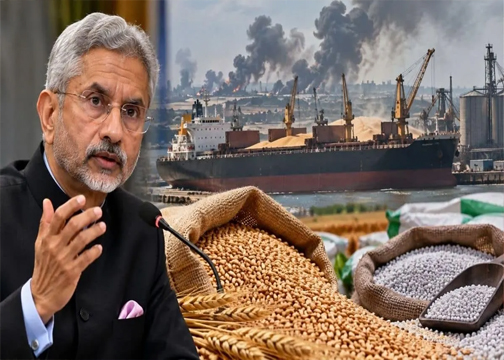
• শস্য ও জ্বালানি পরিবহন সচল রাখা: বিশ্ববাজারে খাদ্য ও জ্বালানির সরবরাহ স্বাভাবিক রাখতে কৃষ্ণসাগরের বন্দরগুলোর মাধ্যমে শস্য এবং জ্বালানি পরিবহন নির্বিঘ্ন রাখা।
আন্তর্জাতিক মহলের প্রতিক্রিয়া ও ইউক্রেনের মূল্যায়ন
ইউক্রেনের পররাষ্ট্রমন্ত্রী আন্দ্রেই সিবিহা ভারতের এই প্রস্তাব পাওয়ার কথা আনুষ্ঠানিকভাবে নিশ্চিত করেছেন। তার মতে, চলমান যুদ্ধ অবসানে আন্তর্জাতিক অঙ্গন থেকে আসা অন্যান্য প্রস্তাবগুলোর তুলনায় ভারতের এই রূপরেখাটি সবচেয়ে পূর্ণাঙ্গ ও বাস্তবসম্মত।
এর আগে তুরস্ক, মিসর এবং যুক্তরাষ্ট্র পৃথকভাবে শান্তি বা যুদ্ধবিরতির প্রস্তাব দিলেও সেগুলোতে কিছু সীমাবদ্ধতা ছিল:
• মার্কিন যুক্তরাষ্ট্রের পরিকল্পনাটি কেবল শক্তি অবকাঠামো কেন্দ্রিক যুদ্ধবিরতির ওপর সীমাবদ্ধ ছিল।
• তুরস্ক ও মিসরের উদ্যোগ মূলত বাণিজ্যিক জাহাজে হামলা বন্ধ এবং শস্য চলাচলের ওপর জোর দিয়েছিল। সে তুলনায় ভারতের প্রস্তাবটি জ্বালানি ও খাদ্য নিরাপত্তা—উভয় সংকটকে এক সুতোয় গেঁথে একটি সমন্বিত রূপরেখা প্রদান করেছে।
মস্কোর ইতিবাচক দৃষ্টিভঙ্গি ও ভারতের নিরপেক্ষ কূটনীতি
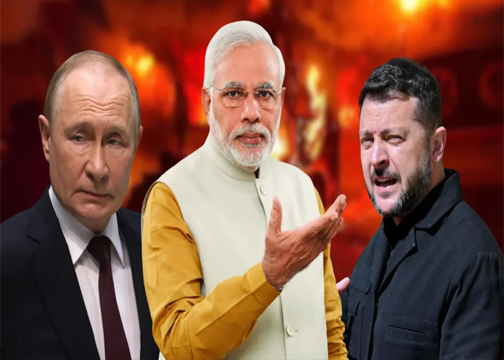
এই শান্তি প্রচেষ্টার পেছনে ভারতের সুষম কূটনীতি বড় ভূমিকা রাখছে। রাশিয়ার প্রেসিডেন্ট ভ্লাদিমির পুতিন যুদ্ধ বন্ধে সমঝোতামূলক সমাধানের ক্ষেত্রে ভারতের প্রধানমন্ত্রী নরেন্দ্র মোদির দূরদর্শিতা ও চিন্তাভাবনার উচ্চ প্রশংসা করেছেন। একই সঙ্গে কোনো পক্ষের প্রতি অন্ধ পক্ষপাতিত্ব না করে, সম্পূর্ণ নিরপেক্ষ অবস্থান বজায় রেখে সংকট নিরসনে কাজ করার জন্য মোদি প্রশাসনের ভূয়সী প্রশংসা করেছে মস্কো।
বিশ্লেষকদের মতে, রাশিয়ার সঙ্গে ভারতের দীর্ঘদিনের ঘনিষ্ট প্রতিরক্ষা ও অর্থনৈতিক অংশীদারিত্ব থাকা সত্ত্বেও নয়াদিল্লি যে পশ্চিমা বিশ্ব বা ইউক্রেনের কাছে গ্রহণযোগ্য মধ্যস্থতাকর্তা হিসেবে নিজেদের প্রতিষ্ঠিত করতে পেরেছে, এই প্রস্তাব তারই স্পষ্ট প্রমাণ। মিউনিখ সিকিউরিটি কনফারেন্সে পররাষ্ট্রমন্ত্রী এস জয়শঙ্করও স্পষ্ট করেছেন যে, ভারত কেবল মৌখিক শান্তি কামনার মধ্যে সীমাবদ্ধ নেই, বরং মস্কো ও কিয়েভ—উভয় পক্ষের সঙ্গেই কার্যকর ও ধারাবাহিক আলোচনা চালিয়ে যাচ্ছে।
বৈশ্বিক রাজনীতিতে এর দীর্ঘমেয়াদী প্রভাব
রাশিয়া-ইউক্রেন যুদ্ধ দীর্ঘায়িত হওয়ার ফলে বিশ্ব অর্থনীতিতে যে মুদ্রাস্ফীতি, জ্বালানি সংকট এবং খাদ্য ঘাটতি তৈরি হয়েছে, তা সামাল দিতে ভারতের এই তিন দফার প্রস্তাব একটি কার্যকর রোডম্যাপ হতে পারে। বৈশ্বিক দক্ষিণ বা গ্লোবাল সাউথের প্রতিনিধি হিসেবে ভারত যেভাবে সংকট নিরসনে এগিয়ে আসছে, তাতে আন্তর্জাতিক কূটনীতিতে নয়াদিল্লির মধ্যস্থতাকারীর ভূমিকা আগামী দিনে আরও জোরালো হবে বলেই মনে করছেন ভূরাজনীতির বিশেষজ্ঞরা।
লেখক: ড. আবুল হাসনাৎ মিল্টন,সাংবাদিক, রাজনৈতিক বিশ্লেষক ও প্রধান সম্পাদক, দ্যা সোর্স নিউজ বাংলা (The Source News Bangla)
New Delhi has added a new dimension to international diplomacy in the protracted Russia-Ukraine conflict as it enters its fifth year. To end the conflict and establish long-term peace, India has put forward a specific three-point ceasefire proposal. This diplomatic plan was officially handed over to the Ukrainian authorities during Indian External Affairs Minister S. Jaishankar's visit to Kyiv last month. On the global stage, this initiative is not merely a call for a standard ceasefire, but a significant testament to India's growing influence in protecting global supply chains and maintaining geopolitical balance.
Core Pillars of India's Three-Point Ceasefire Proposal
According to diplomatic sources, India's peace plan places greater emphasis on strategic and economic stability rather than the overall tactical situation on the battlefield. The three main aspects of the proposal are:
• Protection of Critical Infrastructure: The immediate cessation of all attacks by both sides on nuclear installations, power generation plants, and other sensitive energy infrastructure.
• Commercial Protection in the Black Sea: A total prohibition on attacks against commercial vessels navigating the strategic waterways of the Black Sea.
• Maintaining Grain and Energy Transport: Ensuring uninterrupted transport of grain and energy through Black Sea ports to keep food and fuel supplies stable in global markets.
•
International Response and Ukraine's Assessment
Ukrainian Foreign Minister Andrii Sybiha has officially confirmed receiving India's proposal. According to him, compared to other proposals originating from the international arena to end the ongoing war, India's outline is the most comprehensive and realistic.
Previously, Turkey, Egypt, and the United States had individually put forward peace or ceasefire proposals, but they had certain limitations:
• The United States' plan was confined solely to a ceasefire focused on energy infrastructure.
• Turkey and Egypt's initiatives primarily emphasized halting attacks on commercial vessels and the movement of grain.
In contrast, India's proposal weaves both energy and food security crises together into an integrated framework.
Moscow's Positive Outlook and India's Neutral Diplomacy
India's balanced diplomacy is playing a major role behind this peace effort. Russian President Vladimir Putin has highly praised the vision and thinking of Indian Prime Minister Narendra Modi in finding a negotiated solution to end the war. At the same time, Moscow has strongly commended the Modi administration for maintaining a completely neutral stance and working to resolve the crisis without blind bias toward either side.
Analysts point out that despite India's long-standing close defense and economic partnership with Russia, this proposal is clear proof that New Delhi has successfully established itself as an acceptable mediator to the West and Ukraine. At the Munich Security Conference, External Affairs Minister S. Jaishankar also clarified that India is not limited to verbal appeals for peace, but is engaged in active and continuous discussions with both Moscow and Kyiv.
Long-term Impact on Global Politics
As the Russia-Ukraine war prolongs, it has generated inflation, energy shortages, and food deficits in the global economy. India's three-point proposal could serve as an effective roadmap to manage these challenges. As a representative of the Global South, the proactive approach India is taking in resolving the crisis suggests that New Delhi's role as a mediator in international diplomacy will grow even stronger in the days to come.
Author: Dr. Abul Hasnat Milton, Journalist, Political Analyst, and Editor-in-Chief, The Source News Bangla