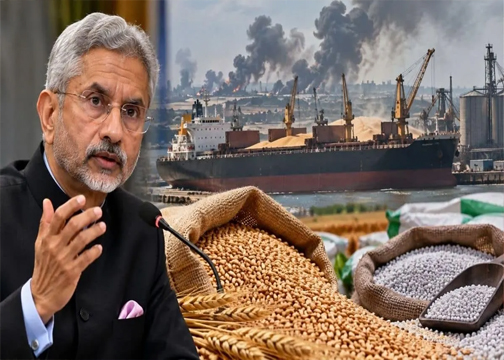
যুদ্ধের ডামাডোল আর বারুদের গন্ধে যখন বিশ্বরাজনীতি মত্ত, তখন সাধারণ মানুষের থালা থেকে এক মুঠো ভাত হারিয়ে যাওয়ার এক ভয়ংকর ভবিষ্যৎ বাণী শুনিয়েছেন ভারতের পররাষ্ট্র মন্ত্রী ও কূটনীতিবিদ এস জয়শঙ্কর। নিউইয়র্কে এশিয়া সোসাইটির মঞ্চ থেকে তিনি যে আশঙ্কার কথা শুনিয়েছেন, তা কেবল কোনো রাজনৈতিক বার্তা নয়—এটি মানবজাতির অস্তিত্বের প্রতি এক নির্মম অশনিসংকেত। ইউক্রেন যুদ্ধ আর মধ্যপ্রাচ্যের সংঘাতের জাঁতাকলে পিষ্ট হয়ে বিশ্ব আজ এমন এক খাদ্য সংকটের মুখোমুখি, যেখানে মা-বাবা তার সন্তানের মুখের খাবার তুলে দিতে গিয়ে দিশেহারা হয়ে পড়বেন।
যুদ্ধের কালো ছায়া ও ফসলের মাঠে নামতি টান
ইউক্রেনের শস্যখেত আজ বারুদের ধোঁয়ায় ঢাকা, কৃষ্ণসাগরের জলরাশিতে আটকে আছে শস্যবাহী বড় বড় জাহাজ। অন্যদিকে, মধ্যপ্রাচ্য ও রাশিয়ার সার কারখানাগুলোতে উৎপাদন ব্যাহত হওয়ায় বিশ্বজুড়ে দেখা দিয়েছে সারের তীব্র আকাল। এর সঙ্গে যোগ হয়েছে প্রলয়ঙ্করী ‘সুপার এল নিনো’র কষাঘাত। জলবায়ুর পরিবর্তনের ফলে বৃষ্টির অভাবে মাঠের সোনালী ফসল আজ শুকিয়ে যাওয়ার উপক্রম। জয়শঙ্কর যাকে ‘ফোর-এফ’ (Food, Fuel, Fertilizer, and Finance) বা খাদ্য, জ্বালানি, সার ও অর্থের বহুমুখী সংকট হিসেবে চিহ্নিত করেছেন, তার সবচেয়ে বড় আঘাত এসে পড়ছে গ্লোবাল সাউথ বা উন্নয়নশীল দেশগুলোর ওপর। যুদ্ধ যখনই বাড়ে, ধনীদের পুঁজি নিরাপদ আশ্রয়ে চলে যায়, আর গরিবের থালা হয়ে পড়ে শূন্য।
বিশ্বনেতা ও ধনী রাষ্ট্রপ্রধানদের প্রস্তুতি: অহংকার ছেড়ে মানবতার ডাক
যাঁদের হাতে বিশ্বচালনার চাবিকাঠি, সেই ধনী রাষ্ট্রপ্রধান ও পরাশক্তিগুলোর নীতিহীন লড়াইয়ের মূল্য দিচ্ছে আজ সাধারণ মানুষ। সংকট মোকাবিলায় তাঁদের ভূমিকা হওয়া উচিত সর্বোচ্চ দায়িত্বশীল:
অস্ত্রের প্রতিযোগিতা থামিয়ে খাদ্য নিরাপত্তায় বিনিয়োগ: যুদ্ধের পেছনে কোটি কোটি ডলার খরচ না করে সেই অর্থ শস্য সরবরাহ লাইন সচল রাখতে ও কৃষি সহায়তায় ব্যবহার করতে হবে।
বাণিজ্য ও সরবরাহ শৃঙ্খল উন্মুক্ত রাখা: সংকটকালীন মুহূর্তে শস্য ও সার রপ্তানিতে কৃত্রিম বাধা বা নিষেধাজ্ঞা আরোপ করা থেকে বিরত থাকতে হবে।
গ্লোবাল সাউথের প্রতি আর্থিক সহযোগিতা: ধনী দেশগুলোর উচিত উন্নয়নশীল দেশগুলোর অর্থনীতিকে চাঙ্গা রাখতে সহজ শর্তে ঋণ ও জরুরি তহবিল গঠন করা, যাতে তারা বিশ্ববাজারের এই ধাক্কা সামলাতে পারে।
রাষ্ট্র ও নীতিনির্ধারকদের প্রস্তুতি: এখনই ঘুরে দাঁড়ানোর সময়
হাত গুটিয়ে বসে থাকার সময় আর নেই। আমাদের মতো উন্নয়নশীল দেশগুলোর নীতিনির্ধারকদের এখনই দীর্ঘমেয়াদি ও কঠোর পদক্ষেপ নিতে হবে:
কৃত্রিম সার নির্ভরতা কমানো ও জৈব সারের প্রসার: আমদানিকৃত সারের ওপর নির্ভরতা কমিয়ে দেশীয় পর্যায়ে জৈব সার উৎপাদন বহুগুণ বাড়াতে হবে।
শক্তিশালী খাদ্য মজুদ গড়ে তোলা: যেকোনো জরুরি পরিস্থিতি মোকাবিলায় সরকারি খাদ্য গুদামগুলোতে পর্যাপ্ত মজুত নিশ্চিত করতে হবে এবং কালোবাজারি ও সিন্ডিকেট কঠোর হাতে দমন করতে হবে।
স্থানীয় ফসলের চাষ বৃদ্ধি: আন্তর্জাতিক বাজারের ওপর নির্ভরতা কমিয়ে নিজস্ব আবহাওয়া উপযোগী দেশীয় ফসল ও ধান উৎপাদনের ওপর জোর দিতে হবে।
সাধারণ মানুষের প্রস্তুতি: অপচয় রোধ ও সচেতনতার বর্ম
রাষ্ট্রীয় ব্যবস্থার পাশাপাশি সাধারণ মানুষকেও এই আসন্ন কঠিন দিনের জন্য মানসিকভাবে ও সামাজিকভাবে প্রস্তুত হতে হবে:
খাদ্যের অপচয় বন্ধ করা: বিয়ের অনুষ্ঠান, সামাজিক অনুষ্ঠান কিংবা প্রাত্যহিক জীবনে এক মুঠো খাবারও যেন অপচয় না হয়, সে বিষয়ে চরম সচেতন হতে হবে।
বিকল্প খাদ্যাভ্যাস ও ছাদ কৃষি গড়ে তোলা: চাল বা নির্দিষ্ট প্রধান খাদ্যের ওপর অতিরিক্ত নির্ভরতা কমিয়ে বিকল্প পুষ্টিকর খাবারের অভ্যাস বাড়াতে হবে। সম্ভব হলে বাড়ির ছাদ বা আঙিনায় শাকসবজি ফলিয়ে নিজের পরিবারের পুষ্টির জোগান কিছুটা হলেও নিশ্চিত করতে হবে।
সংকট মোকাবিলায় পারস্পরিক সহযোগিতা: পাড়া-প্রতিবেশী ও সমাজের অসহায় মানুষের পাশে দাঁড়ানোর মানসিকতা তৈরি করতে হবে, যাতে একে অপরের সহযোগিতায় এই দুর্যোগের দিনগুলো পার করা যায়।
খাদ্য সংকট কোনো নির্দিষ্ট সীমানায় আবদ্ধ থাকে না; এটি ক্ষুধার্ত মানুষের চোখের জলে পুরো পৃথিবীকে ভাসিয়ে দেয়। সময় ফুরিয়ে যাওয়ার আগেই যদি আমরা সচেতন না হই, তবে আগামী প্রজন্মকে এক অভিশপ্ত দুর্ভিক্ষের মুখোমুখি দাঁড়াতে হবে। আসুন, অপচয় রোধ করি এবং নিজের মাটি ও মানুষকে বাঁচাতে আজই প্রস্তুত হই।
লেখক: ড. আবুল হাসনাৎ মিল্টন, সাংবাদিক, রাজনৈতিক বিশ্লেষক ও প্রধান সম্পাদক, দ্যা সোর্স নিউজ বাংলা (The Source News Bangla)
While global politics is engrossed in the drums of war and the smell of gunpowder, Indian External Affairs Minister and diplomat S. Jaishankar has sounded a terrifying prophecy: a morsel of food vanishing from ordinary people's plates. The concerns he voiced from the stage of the Asia Society in New York are not merely political messages—they are a ruthless omen against the existence of humanity. Crushed in the vice grip of the war in Ukraine and conflicts in the Middle East, the world now faces such a food crisis that parents will find themselves helpless to put food into their children's mouths.
The Dark Shadow of War and the Declining Pull in Agricultural Fields
Ukraine's grain fields are today covered in the smoke of gunpowder, and large grain-carrying vessels remain trapped in the waters of the Black Sea. Meanwhile, disrupted production in fertilizer factories across the Middle East and Russia has sparked an acute scarcity of fertilizer worldwide. Compounding this is the devastating blow of a "Super El Niño." Due to climate change and a lack of rain, golden crops in the fields are on the verge of withering. Jaishankar has identified this multi-faceted crisis of food, fuel, fertilizer, and finance as the "4Fs," the heaviest blows of which are falling upon the Global South, or developing nations. Whenever war escalates, elite capital flees to safe havens, leaving the plates of the poor completely empty.
Preparations for World Leaders and Wealthy Nations: A Call for Humanity Over Pride
Ordinary people are paying the price for the lawless conflicts of the wealthy heads of state and superpowers who hold the steering wheel of the world. Their role in tackling this crisis must be of the highest responsibility:
• Halt the Arms Race and Invest in Food Security: Instead of wasting billions of dollars on warfare, those funds must be used to keep grain supply lines operational and support agriculture.
• Keep Trade and Supply Chains Open: During times of crisis, refraining from imposing artificial barriers or bans on grain and fertilizer exports is essential.
• Financial Cooperation with the Global South: Wealthy nations should provide low-interest loans and emergency funds to help developing countries cushion their economies against this global market shock.
Preparations for States and Policymakers: Time to Turn the Tide Immediately
There is no more time to sit idle. Policymakers in developing nations like ours must take immediate, long-term, and rigorous steps:
• Reduce Artificial Fertilizer Dependence and Expand Organic Alternatives: Dependence on imported fertilizers must be lowered by multiplying domestic organic fertilizer production.
• Build Strong Food Reserves: To tackle any emergency, adequate stock must be secured in government food warehouses, and black-marketing or syndicates must be dealt with firmly.
• Boost Local Crop Cultivation: Reliance on international markets must be reduced by emphasizing the production of native crops and rice suited to our local climate.
Preparations for Ordinary People: The Armor of Waste Prevention and Awareness
Alongside state systems, ordinary people must also prepare mentally and socially for these impending hard days:
• Stop Food Waste: Extreme awareness must be exercised so that not a single handful of food is wasted at weddings, social events, or in daily life.
• Adopt Alternative Diets and Rooftop Farming: Dependency on rice or any single primary food staple should be reduced in favor of alternative nutritious food habits. If possible, growing vegetables on rooftops or in courtyards can partially secure family nutrition.
• Mutual Cooperation in Crisis: A mindset of standing beside helpless neighbors and society must be cultivated so that these disaster-ridden days can be navigated through mutual support.
A food crisis is never confined to any specific border; it floods the entire world with the tears of starving people. If we fail to wake up before time runs out, the future generation will face a cursed famine. Let us prevent waste and prepare today to save our soil and our people.
Author: Dr. Abul Hasnat Milton, Journalist, Political Analyst, and Editor-in-Chief, The Source News Bangla