বাংলাদেশ আওয়ামী লীগ একটি ঐতিহাসিক প্রয়োজনে জন্ম হয়েছিল। এই অঞ্চলের মানুষ, বাঙালিরা, যখন চিন্তাই করত না যে তাদের একটি দেশের প্রয়োজন আছে—বাঙালি হিসেবে, বাংলাদেশি হিসেবে তাদের একটি স্বাধীন রাষ্ট্র দরকার—সেই চিন্তা অনাদিকাল ধরে এ দেশের মানুষের মধ্যে কোনো নেতা এককভাবে উচ্চারণ করেছেন বলে আমাদের জানা নেই।
আমরা ইতিহাসে জানি, বাংলাদেশে স্বাধীন নবাব ছিলেন। কিন্তু সেই স্বাধীন নবাবরা কখনো মুঘল সাম্রাজ্য থেকে পুরোপুরি স্বাধীনতা ভোগ করতে পারেননি। তারপর ব্রিটিশদের শাসনামলে ব্রিটিশরা এ বাংলাকে প্রথম টার্গেট করে নির্যাতনের হাতিয়ারে পরিণত করেছিল। বাংলায় সূর্য সেন, প্রীতিলতা-সহ অনেক বিপ্লবীর জন্ম হলেও, বরাবরই তারা বাংলাকে আলাদা করার জন্য রাজনীতি করেননি। তাঁদের আন্দোলন ছিল ভারতবর্ষকে স্বাধীন করার রাজনীতি।
এই আন্দোলনের একশো-দুইশো বছরের ঘটনাপ্রবাহে যখন ভারতবিরোধী ও ব্রিটিশবিরোধী আন্দোলন সংঘটিত হলো, তখন কংগ্রেসের পাশাপাশি মুসলিম লীগের জন্ম হয়। আমি মনে করি, মুসলিম লীগের জন্ম হয়েছিল কিছুসংখ্যক এলিট মুসলমানের রাজনৈতিক নেতৃত্ব ও ক্ষমতার আকাঙ্ক্ষা থেকে। সেই আকাঙ্ক্ষার জন্যই মুসলিম লীগ তৈরি হয়েছিল।
পরবর্তীতে সেই নেতৃত্বে আসেন মিস্টার মোহাম্মদ আলী জিন্নাহ। মোহাম্মদ আলী জিন্নাহ ছিলেন এলিট শ্রেণির একজন মুসলমান। যদিও তাঁর বাবা হিন্দু ছিলেন, মুসলমান হওয়ার পর তিনি মুসলিম পরিচয় গ্রহণ করেন। তিনি প্র্যাকটিশনার মুসলমানও ছিলেন না। তিনি ছিলেন একজন জ্ঞানী, শিক্ষিত লয়ার এবং এলিট শ্রেণির মানুষ।
নেহরু ও প্যাটেলের সঙ্গে তাঁর রাজনৈতিক নেতৃত্বের দ্বন্দ্ব ছিল। তিনি চেয়েছিলেন একটি দেশের পদাধিকারী হতে। সেই আকাঙ্ক্ষার আলোকেই, যে মাটিকে তিনি চিনতেন না, যে সমাজকেও তিনি চিনতেন না, সেই পাকিস্তানের জন্ম দেন।
যাঁর আদি ধর্ম ছিল হিন্দুধর্ম, তাঁর পরিবার গুজরাটের, তাঁর নিজের বাড়ি বোম্বেতে, যার উত্তরসূরিরা এখনো বোম্বেতে রয়েছেন, তাঁর নাতিরা বোম্বেতে ব্যবসা-বাণিজ্য করছেন—সেই পাকিস্তান ছিল তাঁর রাজনৈতিক আন্দোলনের ফল।
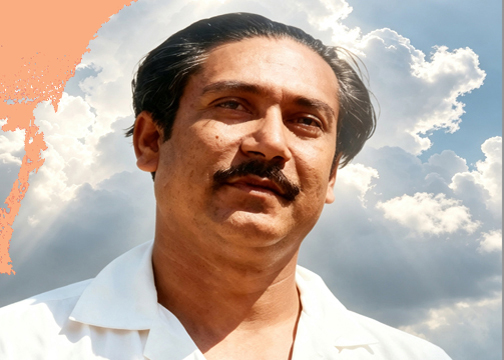
পাকিস্তান আন্দোলনের পরে মুসলিম লীগ প্রতিষ্ঠিত হওয়ার পর যখন বাঙালি মুসলমানরা বুঝতে পারল যে মুসলিম লীগ মূলত পাঞ্জাবি বুর্জোয়া শ্রেণি, সামন্তবাদী শ্রেণি ও মিলিটারি স্বার্থ রক্ষার জন্য ব্যবহৃত হচ্ছে, তখন বাঙালি সচেতন নেতা হিসেবে, বাঙালি মানুষের মুক্তির নেতা হিসেবে বঙ্গবন্ধু শেখ মুজিবুর রহমান আওয়ামী লীগের নেতৃত্বে আসেন।
তাঁর সঙ্গে আওয়ামী লীগের নেতৃত্বে ছিলেন মওলানা ভাসানী, শামসুল হক এবং আরও অনেকে। কিন্তু তাঁদের চিন্তায় তখনও এককভাবে বাংলাদেশ নামের একটি স্বাধীন রাষ্ট্রের জন্মের ধারণা ছিল না। মুজিব তাঁর প্রথম সাংস্কৃতিক আন্দোলন এবং পরবর্তীতে রাষ্ট্রভাষা আন্দোলনের মধ্য দিয়ে বাংলাদেশের স্বতন্ত্র অর্থনৈতিক ও সামাজিক মুক্তির পথ তৈরি করতে ভাবতে থাকেন। এর ধারাবাহিকতায় তিনি ছয় দফা ঘোষণা করেন।
এই ছয় দফার পরিণতিই হলো বাংলাদেশ।
হাজার বছরের ইতিহাসে কখনো কোনো নেতা এককভাবে এই ভূখণ্ডকে ভারতবর্ষের অংশের বাইরে একটি স্বাধীন দেশ হিসেবে প্রতিষ্ঠা করার স্বপ্ন বাস্তবায়নের নেতৃত্ব দেননি। বঙ্গবন্ধুই সেই স্বপ্ন বাস্তবায়ন করেছেন।
তাঁর একমাত্র চিন্তা ছিল এ দেশের কৃষক, মজুর ও মেহনতি মানুষের অর্থনৈতিক ও সামাজিক মুক্তি। তিনি নিজের চোখে যা দেখেছেন, তার মধ্য থেকেই এ দেশের মানুষের মুক্তি ও উত্তরণের পথ খুঁজেছেন।
কারণ মুসলিম লীগের প্রতিষ্ঠা হয়েছিল সামন্তবাদী ও মিলিটারি বুর্জোয়া এবং সুবিধাভোগীদের স্বার্থ রক্ষার জন্য। আর বাংলাদেশ আওয়ামী লীগ ছিল এ দেশের সাধারণ মানুষের অর্থনৈতিক, সামাজিক এবং সত্যিকারের মুক্তির জন্য।
তাই তো তিনি সেই ঐতিহাসিক ভাষণে বলেছিলেন, “এবারের সংগ্রাম মুক্তির সংগ্রাম, এবারের সংগ্রাম স্বাধীনতার সংগ্রাম।”
তিনি স্বাধীনতার সঙ্গে মুক্তির কথাটিও বলেছেন। মুক্তি একটি ব্যাপক ধারণা। মুক্তি যদি সংজ্ঞায়িত করি, তাহলে তা হলো আপনার চিন্তার মুক্তি, আপনার মানসিকতার মুক্তি, সীমাবদ্ধতা থেকে মুক্তি। সেই মুক্তি সাংস্কৃতিক মুক্তি, মানবাধিকারের মুক্তি। সেই মুক্তির ব্যাপকতা নিয়েই তিনি কাজ করেছিলেন।
১৯৭১ সালে চূড়ান্ত সংগ্রামের মধ্য দিয়ে তিনি যখন দেশকে স্বাধীন করলেন, তখন দেখলেন, সাম্রাজ্যবাদ তাঁর রাজনীতি ও রাষ্ট্র পরিচালনার পথে বাধা সৃষ্টি করছে। ১৯৭৪ সালের কিউবার কাছে পাট রপ্তানির অজুহাতে আমেরিকান সাম্রাজ্যবাদী শক্তি যখন আমাদের নিজেদের টাকায় কেনা খাদ্যের জাহাজ ঘুরিয়ে দিল, তখন এ দেশের লক্ষ লক্ষ মানুষ খাদ্যসংকটে পড়ল। দেশের মানুষ দুর্ভিক্ষে মারা গেল। দেশে খাদ্যের প্রচণ্ড মজুদ থাকা সত্ত্বেও সাম্রাজ্যবাদী স্বার্থের কারণে সরবরাহ ব্যবস্থা বাধাগ্রস্ত করে মানুষের জীবন বিপন্ন হলো।
বঙ্গবন্ধু বুঝতে পারলেন, এই সাম্রাজ্যবাদী প্রভাব থেকে দেশকে মুক্ত করার জন্য একটি রাজনৈতিক রক্ষাকবচ প্রয়োজন। তিনি বললেন, একটি জাতীয় রাজনৈতিক প্ল্যাটফর্ম তৈরি করতে হবে। সবাই মিলে দেশকে উত্তরণ করতে হবে, সব দল নিয়ে সাম্রাজ্যবাদের বিরুদ্ধে লড়াই করতে হবে। সেই প্রেক্ষাপটেই তিনি বাকশাল প্রতিষ্ঠা করেন।
বাকশাল ছিল সাম্রাজ্যবাদী প্রভাব থেকে দেশকে রক্ষা করে একটি মুক্ত, গণতান্ত্রিক ও স্বাধীন বাংলাদেশে মানুষের অধিকার, অর্থনৈতিক মুক্তি ও সামাজিক মুক্তির আন্দোলনকে ত্বরান্বিত করার একটি রাজনৈতিক উদ্যোগ। বাকশালের লক্ষ্য ছিল সাম্রাজ্যবাদী প্রভাব থেকে নিজেদের রক্ষা করা।
১৯৭৫ সালের ১৫ আগস্ট বঙ্গবন্ধুর বাকশাল কর্মীরা নিজেদের রক্ষা করতে পারেননি। বাংলাদেশের আদর্শ, গণতান্ত্রিক সমাজতন্ত্র ও রাষ্ট্রের সেই পথকে তাঁরা রক্ষা করতে পারেননি। যারা সেই আদর্শকে বঙ্গবন্ধুর সঙ্গে হত্যা করল, তাদের পেছনে আমেরিকা ও তার সাম্রাজ্যবাদী দোসরদের ভূমিকা ছিল।
বঙ্গবন্ধু হত্যার পরেই বাংলাদেশ আওয়ামী লীগকে একুশ বছর ক্ষমতা থেকে দূরে রাখা হলো। সামরিকতন্ত্র প্রতিষ্ঠিত হলো। আওয়ামী লীগকে ঠেকানোর জন্য, এ দেশের গণতন্ত্রকে ঠেকানোর জন্য সামরিক বাহিনীকে ব্যবহার করা হলো। এ দেশের গণতন্ত্রকে ঠেকানো মানে ছিল আওয়ামী লীগকে ঠেকানো। এ বিষয়টি এ দেশের ইতিহাসের সঙ্গে অত্যন্ত গভীরভাবে সম্পর্কিত।
তাই জিয়াউর রহমান ও তাঁর পরবর্তী শাসনামলে যখন আওয়ামী লীগকে ঠেকানোর জন্য গণতন্ত্রকে ঠেকানো হলো, তখন আওয়ামী লীগের প্রত্যেকটি কর্মী নির্যাতনের শিকার হলো।
যারা আবার আওয়ামী লীগকে সংগঠিত করার জন্য জননেত্রী শেখ হাসিনার পাশে এসে দাঁড়ালেন, যাদের সঙ্গে নিয়ে শেখ হাসিনা দীর্ঘ একুশ বছরের সংগ্রাম করলেন—এই সময়ে এ দেশের অসংখ্য সাধারণ কর্মী জীবন-মৃত্যুর মুখোমুখি দাঁড়িয়ে শেখ হাসিনার পাশে থেকে দলকে এগিয়ে নিয়ে গিয়েছেন।
আমি যদি সেই পোস্টার মুখগুলো স্মরণ করি—১৯৮০ সালে জেনারেল জিয়া তৎকালীন ছাত্রলীগের মহানগরের সাধারণ সম্পাদক মাহফুজ বাবুকে গুম করে, আজ পর্যন্ত তাঁর লাশ পাওয়া যায়নি। আমি যদি স্মরণ করি সেলিম, দেলোয়ার, বসুনিয়া, শহীদ নূর হোসেন এবং তাঁদের মতো অসংখ্য মানুষকে; আমি যদি স্মরণ করি যুগে যুগে লক্ষ লক্ষ কর্মীকে, যারা নির্যাতিত হয়েছেন, জীবন দিয়েছেন, যারা বঙ্গবন্ধু হত্যার বিচার চেয়েছেন; আমি যদি স্মরণ করি কাদের সিদ্দিকীকে, বিশ্বজিৎ নন্দী এবং আরও অনেক বিপ্লবীরকে, যারা বঙ্গবন্ধু হত্যার পরে অস্ত্র হাতে নিয়েছিলেন এবং আজও যারা দলের এই দুঃসময়ে জীবনের মায়া ত্যাগ করে দলের জন্য সংগ্রাম করেছেন, জেলে বন্দি আছেন এবং মবের কাছে জীবন দিচ্ছেন—তাহলে প্রশ্ন আসে, সেই মুখগুলো কারা?
সেই মুখগুলো এ দেশের শ্রমজীবী, মধ্যবিত্ত ও সাধারণ মানুষের মধ্যে থেকে উঠে আসা মুখ। আওয়ামী লীগের সেই মানুষগুলোই প্রতিটি দুঃসময়ে শেখ হাসিনার পাশে দাঁড়িয়েছে এবং ভবিষ্যতেও থাকবে।
আমি যখন সেই আন্দোলনগুলোর ইতিহাসের ধারাবাহিকতা দেখি, সেই কর্মী নেতাদের দেখি, তখন দেখি তাঁরা বঙ্গবন্ধুর এবং পরবর্তীতে শেখ হাসিনার সঙ্গে ঘনিষ্ঠভাবে কাজ করেছেন। তাঁরা কৃষক থেকে এসেছেন, মেহনতি মানুষ থেকে এসেছেন, মধ্যবিত্ত থেকে এসেছেন। কিন্তু আওয়ামী লীগ যখনই সেই কৃষক, শ্রমিক, মধ্যবিত্ত এবং সাধারণ মানুষের প্রতিনিধিত্ব থেকে বিচ্ছিন্ন হয়েছে, সামাজিক ন্যায়বিচারের আকাঙ্ক্ষা থেকে বিচ্ছিন্ন হয়েছে, তখনই আওয়ামী লীগের বিপর্যয় হয়েছে।
আজকে আওয়ামী লীগের এই দুঃসময়ে বলতে আমার দ্বিধা নেই যে, ২০১৪ সালের পর আওয়ামী লীগের সভাপতি ও নেত্রী শেখ হাসিনার পাশে যারা আওয়ামী লীগের নীতিনির্ধারণী পর্যায়ে ছিলেন, তাঁদের মধ্যে আমি গত পঞ্চাশ বছরের আওয়ামী লীগের রাজনীতির কোনো পরিচিত মুখ দেখিনি।
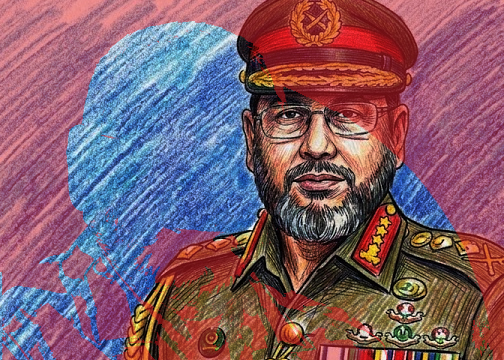
আমি রাজপথে তাঁদের দেখিনি। আমি আইনমন্ত্রী আনিসুল হককে দেখিনি। আমি সালমান এফ রহমানকে দেখিনি। আমি মেজর জেনারেল তারেক আহমেদ সিদ্দিককে দেখিনি। আমি এস আলমের মতো চরিত্র দেখিনি।
যখনই তাদের সিন্ডিকেট শেখ হাসিনাকে ঘিরে ধরেছিল, তারা জনগণ এবং আওয়ামী লীগের নেতৃত্বের মধ্যকার সম্পর্কের মধ্যে দেয়াল রচনা করেছিল। আওয়ামী লীগ হলো জনগণের স্পন্দন, জনগণের আকাঙ্ক্ষার প্রতিফলন। কিন্তু তারা জনগণের সেই আকাঙ্ক্ষা বুঝতে পারেনি। তারা বুঝেছে নিজেদের স্বার্থ, নিজেদের অর্থনৈতিক ও সামাজিক স্বার্থ। তারা কখনো তৃণমূল থেকে উঠে আসেনি, কখনো দলের কর্মসূচির মধ্য দিয়ে গড়ে ওঠেনি, দলের আদর্শের মধ্য দিয়ে তৈরি হয়নি।
তারা জননেত্রী শেখ হাসিনাকে জনগণ থেকে এবং আওয়ামী লীগের তৃণমূল কর্মীদের থেকে বিচ্ছিন্ন করেছে। মানুষের আকাঙ্ক্ষা ও নেতৃত্বের মধ্যে একটি দেয়াল তৈরি করেছে।
সেই দেয়াল যখন তৈরি হয়েছিল, তখন আওয়ামী লীগ যখন জননেত্রী শেখ হাসিনাকে ঘিরে দুষ্কৃতকারী ও কুচক্রীদের ষড়যন্ত্রের মধ্যে আবদ্ধ হয়ে পড়েছিল, তখন পঁচাত্তরের ১৫ আগস্টের মতো আবারও যখন ষড়যন্ত্রকারীরা ৫ আগস্ট জননেত্রীকে হত্যার উদ্দেশ্যে আঘাত হানতে চেয়েছিল, তখন প্রত্যেক মধ্যবিত্ত, প্রত্যেক আওয়ামী লীগ কর্মীর হৃদয়গভীরে রক্তক্ষরণ, যন্ত্রণা ও কষ্ট হচ্ছিল।
তারা দরজা বন্ধ করে চিৎকার করে বলেছিল, “আমার নেত্রীকে আর বাঁচাতে পারব না?” কেন পারব না? তাদের নেত্রীর জন্য তাদের যে ভালোবাসা, যে আবেগ, যে আকর্ষণ, তার সঙ্গে ছিল প্রচণ্ড কষ্ট ও অভিমান।
তাদের অভিমান কিছু পাওয়ার জন্য নয়। আওয়ামী লীগের কর্মীরা খুব আবেগপ্রবণ, আত্মাভিমানী। তারা আওয়ামী লীগের নীতিনির্ধারকদের মধ্যে সালমানের চেহারা দেখে, আইনমন্ত্রীর চেহারা দেখে, কামরুল ইসলাম সিদ্দিকের চেহারা দেখে তাদের মধ্যে আত্মাভিমানের জন্ম দিয়েছিল। সেই অভিমানের কারণে তারা তাদের ক্রোধ, কষ্ট ও ক্ষোভকে একত্রিত করে শেখ হাসিনাকে রক্ষার জন্য স্বতঃস্ফূর্তভাবে রাস্তায় নেমে ৫ আগস্ট এগিয়ে আসতে পারেনি। আর সেই দিন প্রতিরোধ করতে না পারার ব্যর্থতা সকল কর্মীর এখন বড় কষ্ট ও পরাজয় মনে হয়।
এর মূল কারণ ছিল সেই দেয়াল—যে দেয়াল সুবিধাভোগীরা তৈরি করেছিল। আজ সেই দেয়াল ভেঙে ফেলার দিন এসেছে।
আগামী দিনে আওয়ামী লীগ যখন ক্ষমতায় আসবে, তখন গত দুই-তিন বছর ধরে আওয়ামী লীগের যে রাজপথের মানুষগুলো—শ্রমিক, কৃষক, মধ্যবিত্ত, ছাত্র-জনতা ও মেহনতি মানুষ—কষ্ট করছে, তাদের কথা মনে রাখতে হবে। তাদের আকাঙ্ক্ষাকে সম্মান করতে হবে।
লক্ষ লক্ষ কর্মী আজ রাস্তায় ঘুমাচ্ছে। লক্ষ লক্ষ কর্মী আজ মাঠে-ঘাটে, ঢাকা শহরে টেম্পো চালিয়ে জীবনযাপন করছে। তাদের কষ্ট আজ আকাশ-বাতাস ভারী করে তুলছে। তাদের দেখার কেউ নেই। তারপরও তারা নিজেদের সংগঠিত করছে। আজ তারা অভিমান ভুলে গেছে। তারা আবার বুক বাঁধছে। তারা আবার শেখ হাসিনার পাশে দাঁড়াতে চায়। তারা দাঁড়াবে। এবং জননেত্রী শেখ হাসিনার ডাকে জীবন বাজি রেখে তাঁর জীবনের শেষ যুদ্ধে জয় উপহার দেবে।
কিন্তু তারা একটি কথা আবারও স্পষ্ট করে দিচ্ছে—আর কোনোদিন তারা ওই সালমান, ওই আইনমন্ত্রী কিংবা ওই তারেক সিদ্দিকদের ও এস আলমের মত চরিত্র দেখতে চায় না।
তারা চায় সেই বঙ্গবন্ধুর মধ্যবিত্তের আওয়ামী লীগ, কৃষকের আওয়ামী লীগ, মেহনতি মানুষের আওয়ামী লীগ আবার ক্ষমতায় আসুক। আর ক্ষমতায় এলে যেন আবার কোনো দেয়াল তৈরি না হয়। আবার যেন সাধারণ কর্মীদের প্রতিনিধিত্ব করতে দল ভুলে না যায়।
আবার যারা দায়িত্ব পাবে তারা রাজপথ থেকে উঠে আসবে। যারা সবচেয়ে বেশি ত্যাগ করেছে, সবচেয়ে বেশি নির্যাতন সহ্য করেছে, যারা মানুষের সঙ্গে থেকেছে—তারাই হবে আগামী দিনের নেতা। তারাই হবে আমাদের দলের আগামী মুখ।
নেতা-কর্মীদের ত্যাগের আত্মউপলব্ধিই হবে আগামী দিনের আমাদের পথচলা। তাহলে আওয়ামী লীগ টিকে থাকবে, আওয়ামী লীগ বেঁচে থাকবে, বঙ্গবন্ধুর আদর্শ বেঁচে থাকবে।
লেখক: শচীন বাঙালি,কলামিস্ট ও রাজনৈতি বিশ্লেষক।
The Bangladesh Awami League was born out of a historic necessity. When the people of this region—the Bengalis—did not even imagine that they needed a country of their own, that as Bengalis and Bangladeshis they required an independent state; to our knowledge, no single leader had ever voiced that vision from time immemorial.
We know from history that independent Nawabs existed in Bengal. However, those independent Nawabs were never able to enjoy complete sovereignty from the Mughal Empire. Later, during British rule, Bengal was the first to be targeted and turned into a tool of oppression. Although Bengal gave birth to many revolutionaries such as Surya Sen and Pritilata, they never engaged in politics specifically to separate Bengal. Their movement was a politics aimed at liberating the entirety of British India.
Over one or two centuries of historical events, when anti-British and anti-Indian movements unfolded, the Muslim League emerged alongside the Indian National Congress. I believe the Muslim League was born out of the political leadership and power aspirations of a select group of elite Muslims. It was forged precisely for those ambitions.
Later, Mr. Mohammad Ali Jinnah assumed that leadership. Mohammad Ali Jinnah was an elite-class Muslim. Although his father was Hindu, upon becoming a Muslim he adopted a Muslim identity. Nor was he a practicing Muslim; he was a wise, educated lawyer and an elite individual.
He had political leadership rivalries with Nehru and Patel. He wanted to hold the highest office in a country. Driven by that ambition, he gave birth to Pakistan—a land whose soil he did not know and whose society he did not understand.
The very Pakistan that resulted from his political movement was forged by a man whose ancestral religion was Hinduism, whose family hailed from Gujarat, whose personal home was in Bombay, whose descendants still live in Bombay, and whose grandsons do business in Bombay.
After the Pakistan movement and the establishment of the Muslim League, when Bengali Muslims realized that the league was primarily being used to protect the interests of the Punjabi bourgeois class, feudal lords, and military elites, Bangabandhu Sheikh Mujibur Rahman stepped forward as a conscious leader of the Bengalis and a leader for the liberation of the Bengali people, taking the helm of the Awami League.
Alongside him in the leadership of the Awami League were Maulana Bhashani, Shamsul Huq, and many others. Yet, even in their thoughts, the concept of a single, independent state named Bangladesh had not yet crystallized. Through his initial cultural movement and subsequent language movement, Mujib began to forge a path toward the independent economic and social emancipation of Bangladesh. This progression ultimately led him to declare the Six-Point program.
The inevitable consequence of these Six Points was Bangladesh.
In a history spanning a thousand years, no single leader had ever undertaken the leadership to realize the dream of establishing this territory as an independent country outside the fold of India. Bangabandhu was the one who made that dream a reality.
His sole focus was the economic and social emancipation of the peasants, laborers, and working people of this land. From what he witnessed with his own eyes, he sought out the path for the liberation and upliftment of the people of this country.
The Muslim League had been established to protect the interests of feudal lords, the military bourgeoisie, and privileged groups. In contrast, the Bangladesh Awami League was created for the true economic, social, and genuine emancipation of the common people of this land.
That is why he declared in his historic address, "This struggle is a struggle for our emancipation; this struggle is a struggle for independence."
He spoke of emancipation alongside independence. Emancipation is a comprehensive concept. If we define emancipation, it means the liberation of your thought, the liberation of your mindset, and freedom from limitations. It encompasses cultural freedom and human rights. He worked with the full breadth of that concept.
When he liberated the country through the ultimate struggle in 1971, he saw that imperialism was creating obstacles in the path of his politics and state governance. In 1974, when American imperialist forces diverted a ship carrying food that we had purchased with our own money on the pretext of raw jute exports to Cuba, millions of people in this country faced a food crisis. People died of famine. Despite the country having massive food reserves, supply chains were disrupted due to imperialist interests, endangering human lives.
Bangabandhu realized that a political safeguard was necessary to free the country from this imperialist influence. He stated that a national political platform must be built. Everyone had to unite to elevate the nation and fight imperialism together. It was against that backdrop that he established BAKSAL.
BAKSAL was a political initiative designed to protect the country from imperialist influence and accelerate the movement for human rights, economic emancipation, and social liberation within a free, democratic, and independent Bangladesh. The goal of BAKSAL was to defend ourselves against imperialist influence.
On August 15, 1975, Bangabandhu's BAKSAL workers could not protect themselves. They could not safeguard Bangladesh's ideals of democratic socialism and that path of statehood. Those who assassinated those ideals alongside Bangabandhu were backed by the roles played by America and its imperialist cohorts.
Immediately after Bangabandhu's assassination, the Bangladesh Awami League was kept away from power for twenty-one years. Militarism was established. The military was used to thwart the Awami League and to block democracy in this country. Obstructing the democracy of this land meant obstructing the Awami League. This reality is deeply intertwined with the history of this country.
Thus, when democracy was suppressed during the rule of Ziaur Rahman and subsequent regimes simply to keep the Awami League at bay, every single worker of the Awami League became a target of persecution.
Those who rallied beside Bangamata Sheikh Hasina to reorganize the Awami League, those with whom Sheikh Hasina waged a long twenty-one-year struggle—countless ordinary workers of this country faced life-and-death situations, stood by Sheikh Hasina, and carried the party forward.
If I recall those poster faces: in 1980, General Zia had Mahfuz Babu, the then General Secretary of the metropolitan Chhatra League, forcibly disappeared; his body has never been found to this day. If I recall Selim, Delwar, Basunia, Shaheed Nur Hossain, and countless others like them; if I recall the millions of workers across generations who endured torture, gave their lives, and demanded justice for Bangabandhu's assassination; if I recall Kader Siddique, Biswajit Nandi, and many other revolutionaries who took up arms after Bangabandhu's assassination, as well as those who today, in this dark hour of the party, risk their lives, languish in prisons, and face death by mobs—the question arises: who are those faces?
Those faces emerge from among the working class, the middle class, and the common people of this country. It is those people of the Awami League who have stood by Sheikh Hasina through every dark hour, and they will remain by her side in the future.
When I look at the historical continuity of those movements, when I look at those workers and leaders, I see that they worked closely with Bangabandhu and later with Sheikh Hasina. They came from the peasantry, the working masses, and the middle class. Yet, whenever the Awami League became disconnected from the representation of those farmers, workers, middle-class citizens, and common people—whenever it severed ties with the aspirations for social justice—the Awami League suffered setbacks.
Today, in this time of crisis for the Awami League, I have no hesitation in saying that among those who surrounded Awami League President and Leader Sheikh Hasina at the policy-making level after 2014, I saw no familiar faces from the past fifty years of Awami League politics.
I did not see them on the streets. I did not see Law Minister Anisul Huq. I did not see Salman F. Rahman. I did not see Major General Tariq Ahmed Siddique. I did not see characters like S. Alam.
Whenever their syndicate encircled Sheikh Hasina, they erected a wall between the people and the leadership of the Awami League. The Awami League is the heartbeat of the people, the reflection of the people's aspirations. Yet, they failed to understand those aspirations. They understood only their own interests—their own economic and social interests. They never rose from the grassroots; they were never forged through party programs or shaped by party ideals.
They isolated Prime Minister Sheikh Hasina from the people and from the grassroots workers of the Awami League. They built a wall between the people's aspirations and the leadership.
When that wall was built, when the Awami League became trapped in the conspiracies of wrongdoers and schemers surrounding Sheikh Hasina—just like August 15, 1975, when conspirators once again sought to strike and assassinate the leader on August 5—every middle-class citizen and every Awami League worker experienced deep bleeding, agony, and pain in their hearts.
They closed their doors and cried out, "Can we no longer save our leader?" Why couldn't we? Their love, emotion, and deep attachment to their leader were accompanied by immense pain and bruised pride.
Their wounded pride was not for personal gain. Awami League workers are deeply emotional and possess profound self-respect. Seeing figures like Salman, the Law Minister, or Kamrul Islam Siddique among the policymakers of the Awami League triggered that very sense of self-respect within them. Because of that wounded pride, they could not pool their anger, pain, and grief to spontaneously take to the streets and come forward to protect Sheikh Hasina on August 5. Today, the failure to mount a resistance that day feels like a profound pain and defeat for every worker.
The root cause of all this was that wall—the wall built by the privileged beneficiaries. Today, the time has come to tear down that wall.
In the future, when the Awami League returns to power, we must remember the people of the streets—the workers, farmers, middle class, students, masses, and laboring people—who have suffered over the past two or three years. Their aspirations must be respected.
Millions of workers are sleeping on the streets today. Millions of workers are out in the fields and marketplaces, making a living by driving tempos in Dhaka city. Their suffering makes the sky and air heavy with grief. There is no one to look after them. Yet, they are organizing themselves. Today, they have forgotten their wounded pride. They are bracing themselves once more. They want to stand beside Sheikh Hasina again. And they will stand. At the call of leader Sheikh Hasina, they will stake their lives to gift her victory in her final battle.
At the same time, they are making one thing crystal clear: they never again want to see figures like Salman, that Law Minister, Tariq Siddique, or characters like S. Alam.
They want Bangabandhu's middle-class Awami League, the farmers' Awami League, and the working people's Awami League to return to power. And when they return to power, they want no walls built ever again. The party must never forget to represent the ordinary workers.
Those who earn responsibility in the future will rise from the streets. Those who have sacrificed the most, endured the greatest persecution, and stayed beside the people—they will be the leaders of tomorrow. They will be the future face of our party.
Self-realization regarding the sacrifices of our leaders and workers will be our guiding path for the future. Only then will the Awami League survive; only then will the Awami League live on, and Bangabandhu's ideals endure.
Author: Sachin Bangali, Columnist and Political Analyst.