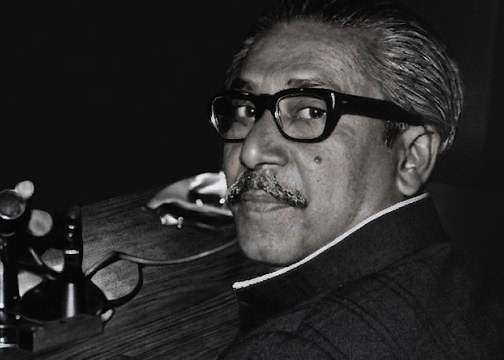
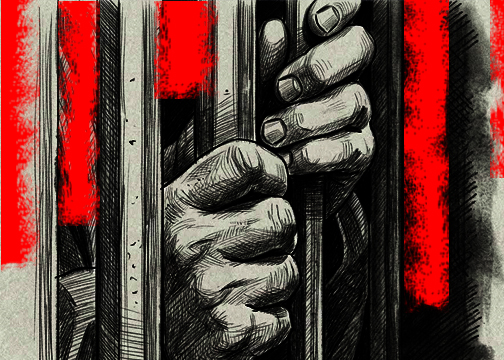
বাঙালি জাতির হাজার বছরের ইতিহাসে এমন একটি নাম আছে যা উচ্চারণের সাথে সাথে একটি মানচিত্র, একটি পতাকা, একটি জাতীয় সংগীত এবং একটি স্বাধীন সত্তার জন্ম হয়। তিনি বঙ্গবন্ধু শেখ মুজিবুর রহমান। তিনি কেবল একজন রাজনৈতিক নেতা ছিলেন না, তিনি ছিলেন একটি নির্যাতিত জাতির বুকের ভেতর জমে থাকা দীর্ঘশ্বাসের ভাষা। ১৯২০ সালের ১৭ মার্চ গোপালগঞ্জের টুঙ্গিপাড়ায় জন্ম নেওয়া খোকা মুজিব কৈশোর থেকেই অন্যায়ের বিরুদ্ধে মাথা নত না করার শিক্ষা নিয়েছিলেন। ভাষা আন্দোলন থেকে শুরু করে ছয় দফা, আগরতলা ষড়যন্ত্র মামলা থেকে ঊনসত্তরের গণঅভ্যুত্থান - প্রতিটি পর্বে তিনি বাঙালির অধিকার আদায়ের জন্য নিজের জীবনকে তুচ্ছ করেছেন। তাঁর জীবনের চৌদ্দটি বছর কেটেছে পাকিস্তানি কারাগারের অন্ধকার প্রকোষ্ঠে।
১৯৭১ সালের ৭ মার্চ রেসকোর্স ময়দানে তাঁর বজ্রকণ্ঠে উচ্চারিত হয়েছিল আমাদের মুক্তির মহামন্ত্র - এবারের সংগ্রাম আমাদের মুক্তির সংগ্রাম, এবারের সংগ্রাম স্বাধীনতার সংগ্রাম। সেই একটি ভাষণ একটি নিরস্ত্র জাতিকে সশস্ত্র জাতিতে পরিণত করেছিল। ২৬ মার্চের প্রথম প্রহরে পাকিস্তানি হানাদার বাহিনী তাঁকে গ্রেফতার করার আগ মুহূর্তে তিনি স্বাধীনতার ঘোষণা দিয়ে গেলেন। নয় মাসের রক্তক্ষয়ী যুদ্ধ, ত্রিশ লক্ষ শহীদ আর দুই লক্ষ মা-বোনের সম্ভ্রমের বিনিময়ে যে বাংলাদেশ তিনি আমাদের দিলেন, তা ছিল তাঁর আজীবন লালিত স্বপ্নের সোনার বাংলা। স্বাধীনতার পর যুদ্ধবিধ্বস্ত দেশে ফিরে তিনি যখন বলেছিলেন, আমার জীবনের একমাত্র কামনা বাংলার মানুষের মুখে হাসি ফোটানো, তখন সমগ্র জাতি তাঁর মাঝে খুঁজে পেয়েছিল পিতার ছায়া। তাই তো তিনি হয়ে উঠলেন জাতির জনক।
ধানমন্ডি ৩২ নম্বর - একটি বাড়ি, একটি ইতিহাস:
ধানমন্ডি ৩২ নম্বরের বাড়িটি কখনোই কেবল ইট-কাঠের একটি বাড়ি ছিল না। এটি ছিল বাঙালির দ্বিতীয় রাজধানী, স্বাধীনতার তীর্থভূমি। এই বাড়ির প্রতিটি দেয়ালে লেগে আছে মুক্তিযুদ্ধের পরিকল্পনা, পরাধীনতার শৃঙ্খল ভাঙার শপথ আর একটি যুদ্ধবিধ্বস্ত দেশকে নতুন করে গড়ার স্বপ্ন। এই বাড়ির ছোট্ট লনে বসেই বঙ্গবন্ধু দেশি-বিদেশি সাংবাদিকদের সাথে কথা বলতেন, কৃষক-শ্রমিকের কথা শুনতেন। এই বাড়ির দোতলার ছোট্ট ঘরটিতে থাকতেন বেগম ফজিলাতুন্নেছা মুজিব, যিনি ছিলেন বঙ্গবন্ধুর জীবনের প্রতিটি সংকটে তাঁর অবিচল ছায়া। তিনি কখনো সামনে আসেননি, কিন্তু পেছন থেকে পুরো পরিবার এবং রাজনৈতিক জীবনের সমস্ত ঝড় সামলেছেন পরম মমতায়।
এই বাড়িতেই বড় হয়েছেন শেখ কামাল, শেখ জামাল, শেখ রাসেল। শেখ কামাল ছিলেন ক্রীড়া ও সংস্কৃতি অঙ্গনের প্রাণপুরুষ, মুক্তিযোদ্ধা, যিনি আবাহনী ক্লাব প্রতিষ্ঠা করে আধুনিক ফুটবলের বীজ বপন করেছিলেন। শেখ জামাল ছিলেন সেনাবাহিনীর তরুণ অফিসার, দেশপ্রেমিক, মার্জিত রুচির মানুষ। আর ছোট্ট রাসেল, মাত্র দশ বছরের শিশু, যে তখন ইউনিভার্সিটি ল্যাবরেটরি স্কুলের চতুর্থ শ্রেণীর ছাত্র, যার চোখে ছিল পৃথিবী দেখার অদম্য কৌতূহল। এই বাড়িতে থাকতেন বঙ্গবন্ধুর ভাই শেখ নাসের, যিনি ছিলেন নিভৃতচারী ব্যবসায়ী, ভাগ্নে শেখ ফজলুল হক মণি, যিনি যুবলীগের প্রতিষ্ঠাতা, এবং ভগ্নিপতি আব্দুর রব সেরনিয়াবাত, যিনি ছিলেন মন্ত্রী ও বিশ্বস্ত সহচর। এই বাড়িটি ছিল ভালোবাসা, স্নেহ আর নির্ভরতার এক উষ্ণ আশ্রয়। কেউ কল্পনাও করেনি এই আশ্রয়ের মেঝেই একদিন রক্তের স্রোতে ভেসে যাবে।
১৫ আগস্টের কালরাত্রি - ঘাতকের বুলেট যেভাবে ইতিহাসকে থামাতে চেয়েছিল:
১৯৭৫ সালের ১৫ আগস্ট ছিল শুক্রবার। ভোরের আলো তখনো ভালোভাবে ফোটেনি। ঢাকা শহর ঘুমিয়ে আছে। ঠিক তখনই সেনাবাহিনীর কিছু বিপথগামী, উচ্চাভিলাষী কর্মকর্তার নেতৃত্বে একদল সৈন্য ট্যাংক নিয়ে ধানমন্ডি ৩২ নম্বর ঘিরে ফেলে। তাদের উদ্দেশ্য ছিল কেবল একজন মানুষকে হত্যা করা নয়, একটি আদর্শকে, একটি জাতির ভবিষ্যৎকে হত্যা করা। প্রথমে তারা শেখ আবু নাসেরকে বাইরে থেকে গুলি করে হত্যা করে। এরপর বাড়ির ভেতরে ঢুকে একে একে হত্যা করে শেখ কামালকে, যিনি নিচে নেমে এসে বলেছিলেন, আমি শেখ মুজিবের ছেলে শেখ কামাল। তারপর শেখ জামালকে।
বঙ্গবন্ধু তখন দোতলায়। তিনি লুঙ্গি পরে পাঞ্জাবি গায়ে নিচে নেমে এসেছিলেন। ঘাতকদের দেখে তিনি নির্ভীক কণ্ঠে জিজ্ঞেস করেছিলেন, তোরা কী চাস? তোরা কী আমাকে হত্যা করতে চাস? তিনি ভেবেছিলেন হয়তো তাঁর সন্তানতুল্য সৈনিকরা তাঁর কথা শুনবে। কিন্তু তারা শোনেনি। সিঁড়িতেই তাঁকে ব্রাশফায়ারে ঝাঁঝরা করে দেয় কর্নেল ফারুক, রশিদ, বজলুল হুদা, নূরদের নেতৃত্বাধীন খুনি চক্র। সেই সিঁড়িতেই লুটিয়ে পড়ে বাংলার হিমালয়। এরপর উপরে গিয়ে তারা নৃশংসভাবে হত্যা করে বেগম মুজিবকে, যিনি স্বামীর লাশের কাছে যাওয়ার আকুতি জানাচ্ছিলেন। হত্যা করা হয় নববিবাহিত পুত্রবধূ সুলতানা কামাল ও রোজী জামালকে। সবচেয়ে হৃদয়বিদারক ঘটনাটি ঘটে ছোট্ট রাসেলের সাথে। মা-বাবা, ভাই-ভাবী সবার হত্যা দেখে ভয়ে কাঁপতে থাকা দশ বছরের শিশুটি কেঁদে কেঁদে বলছিল, আমি মায়ের কাছে যাবো। ঘাতকরা তাকেও রেহাই দেয়নি। মায়ের লাশের কাছে নিয়ে গিয়ে ঠান্ডা মাথায় গুলি করে হত্যা করে ফুলের মতো শিশু রাসেলকে। একই রাতে ধানমন্ডিতে শেখ মণি ও তাঁর অন্তঃসত্ত্বা স্ত্রী আরজু মণি এবং মিন্টো রোডে আব্দুর রব সেরনিয়াবাতের বাড়িতে তাঁর পরিবারের ১৩ জন সদস্যকে হত্যা করা হয়। সেদিন মোট ২৩টি তাজা প্রাণ ঝরে গিয়েছিল, যার মধ্যে রক্তের সম্পর্ক ছিল ১৮ জনের। কেবল বিদেশে থাকায় প্রাণে বেঁচে যান দুই কন্যা শেখ হাসিনা ও শেখ রেহানা।
নিহত সকল শহীদ - যাঁদের রক্তে লেখা শোকগাঁথা:
এই হত্যাকাণ্ডকে কেবল বঙ্গবন্ধু হত্যা বললে ভুল হবে। এটি ছিল একটি পরিবার নিধনযজ্ঞ, একটি বংশকে সমূলে উৎপাটন করার বর্বর প্রচেষ্টা। আমাদের মনে রাখতে হবে প্রতিটি নাম। বঙ্গমাতা বেগম ফজিলাতুন্নেছা মুজিব, যিনি ছিলেন বাঙালির মা, যিনি কারাগারে থাকা স্বামীর জন্য বছরের পর বছর অপেক্ষা করেছেন, যিনি মুক্তিযুদ্ধের সময় গৃহবন্দী থেকেও মুক্তিযোদ্ধাদের সাহস যুগিয়েছেন। শহীদ শেখ কামাল, ঢাকা বিশ্ববিদ্যালয়ের সমাজবিজ্ঞান বিভাগের মেধাবী ছাত্র, মুক্তিযুদ্ধের অন্যতম সংগঠক, যিনি যুদ্ধকালীন মুজিব বাহিনীর প্রধান ছিলেন। তাঁর স্ত্রী সুলতানা কামাল, ঢাকা বিশ্ববিদ্যালয়ের ক্রীড়া তারকা। শহীদ শেখ জামাল, স্যান্ডহার্স্ট থেকে প্রশিক্ষিত সেনা কর্মকর্তা, যিনি মুক্তিযুদ্ধে অংশ নিতে পাকিস্তান থেকে পালিয়ে এসেছিলেন। তাঁর স্ত্রী পারভীন জামাল রোজী।
আর শহীদ শেখ রাসেল, যার হত্যা পৃথিবীর ইতিহাসে সকল মানবতাকে স্তব্ধ করে দেয়। জাতিসংঘের শিশু অধিকার সনদ যেখানে শিশু হত্যাকে জঘন্যতম অপরাধ বলে, সেখানে একটি রাষ্ট্রের প্রতিষ্ঠাতার দশ বছরের শিশুপুত্রকে হত্যা করা প্রমাণ করে খুনিরা কতটা পশুতে পরিণত হয়েছিল। এছাড়াও শহীদ হন বঙ্গবন্ধুর একমাত্র ভাই শেখ আবু নাসের, ভাগ্নে যুবনেতা শেখ ফজলুল হক মণি ও তাঁর স্ত্রী বেগম আরজু মণি, ভগ্নিপতি আব্দুর রব সেরনিয়াবাত ও তাঁর কন্যা বেবী, পুত্র আরিফ, নাতি সুকান্ত, ভাইয়ের ছেলে শহীদ সেরনিয়াবাত, এবং আব্দুর রব সেরনিয়াবাতের বাড়িতে আশ্রিত কিশোর পটুসহ আরও অনেকে। প্রতিটি নাম একটি ইতিহাস, প্রতিটি মৃত্যু একটি নক্ষত্রের পতন।
বিশ্বনেতাদের চোখে বঙ্গবন্ধু:
বঙ্গবন্ধুর মৃত্যুতে শুধু বাংলাদেশ কাঁদেনি, কেঁদেছিল সমগ্র বিশ্বের মুক্তিকামী মানুষ। তাঁর ব্যক্তিত্ব এতটাই বিশাল ছিল যে বিশ্বের বড় বড় রাষ্ট্রনায়করা তাঁর সামনে শ্রদ্ধায় মাথা নত করতেন।
কিউবার বিপ্লবী নেতা ফিদেল কাস্ত্রো ১৯৭৩ সালে আলজিয়ার্সে জোট নিরপেক্ষ সম্মেলনে বঙ্গবন্ধুকে আলিঙ্গন করে বলেছিলেন, "I have not seen the Himalayas. But I have seen Sheikh Mujib. In personality and in courage, this man is the Himalayas. I have thus had the experience of witnessing the Himalayas." অর্থাৎ দিয়ে, আমি হিমালয় দেখিনি, কিন্তু আমি শেখ মুজিবকে দেখেছি। ব্যক্তিত্বে এবং সাহসে এই মানুষটি হিমালয়। এভাবেই আমি হিমালয় দর্শনের অভিজ্ঞতা লাভ করলাম। f26e
ব্রিটিশ সাংবাদিক ডেভিড ফ্রস্ট একবার বলেছিলেন, শেখ মুজিবকে না দেখলে বোঝা যাবে না একজন মানুষ কিভাবে একটি জাতির মূর্ত প্রতীক হয়ে উঠতে পারেন। ভারতের সাবেক প্রধানমন্ত্রী ইন্দিরা গান্ধী বলেছিলেন, শেখ মুজিব ছিলেন এমন একজন নেতা যিনি জনগণের হৃদয়ে বাস করতেন। নোবেল বিজয়ী সাহিত্যিক উইলি ব্রান্ডট বলেছিলেন, মুজিব হত্যাকাণ্ডের পর বাঙালিদের আর বিশ্বাস করার মতো কিছু থাকলো না। যুগোস্লাভিয়ার নেতা মার্শাল টিটো বলেছিলেন, শেখ মুজিবের মৃত্যুতে বিশ্ব একজন মহান রাষ্ট্রনায়ককে হারালো। এই উদ্ধৃতিগুলো প্রমাণ করে বঙ্গবন্ধু কেবল বাংলাদেশের ছিলেন না, তিনি ছিলেন বিশ্বের নিপীড়িত মানুষের কণ্ঠস্বর।
ইতিহাসের আড়ালে ষড়যন্ত্র - দেশীয় ও আন্তর্জাতিক প্রেক্ষাপট:
১৫ আগস্টের হত্যাকাণ্ড কোনো বিচ্ছিন্ন ঘটনা ছিল না, এটি ছিল দীর্ঘদিনের ষড়যন্ত্রের ফল। ইতিহাসবিদ ও গবেষকদের লেখা থেকে জানা যায়, স্বাধীনতার পর থেকেই একটি পরাজিত শক্তি এবং তাদের দেশীয় দোসররা বঙ্গবন্ধুর সরকারকে অস্থিতিশীল করার চেষ্টা করছিল। যুদ্ধবিধ্বস্ত দেশে খাদ্য সংকট, দুর্নীতি এবং কিছু সুবিধাবাদী আমলার কারণে প্রশাসনে যে বিশৃঙ্খলা সৃষ্টি হয়েছিল, তাকে ব্যবহার করে একটি মহল সেনাবাহিনীর মধ্যে অসন্তোষ দানা বাঁধতে শুরু করে। কর্নেল ফারুক, রশিদ, ডালিমদের মতো তরুণ অফিসার যারা মুক্তিযুদ্ধে তাদের কাঙ্ক্ষিত পদ-পদবী পায়নি বলে মনে করত, তাদের ক্ষোভকে কাজে লাগানো হয়।
আন্তর্জাতিক প্রেক্ষাপট নিয়েও বহু গবেষণা হয়েছে। মার্কিন কূটনীতিকদের ডিক্লাসিফাইড নথি এবং সাংবাদিকদের অনুসন্ধানে উঠে এসেছে যে স্নায়ুযুদ্ধের সময় দক্ষিণ এশিয়ায় সোভিয়েত-ভারত ঘনিষ্ঠতা এবং বঙ্গবন্ধুর সমাজতান্ত্রিক ও জোট নিরপেক্ষ নীতিকে অনেক পশ্চিমা শক্তি ভালোভাবে নেয়নি। ক্রিস্টোফার হিচেন্স তাঁর বইতে হেনরি কিসিঞ্জারের ভূমিকা নিয়ে প্রশ্ন তুলেছেন। যদিও সরাসরি বিদেশি সরকারের জড়িত থাকার অকাট্য প্রমাণ আজও বিতর্কিত, তবে এটি স্পষ্ট যে ১৫ আগস্টের পরপরই খুনি সরকারকে দ্রুত স্বীকৃতি দেওয়া এবং খুনিদের পুনর্বাসন করা প্রমাণ করে এই হত্যাকাণ্ড থেকে একটি আন্তর্জাতিক মহল সুবিধা নিতে চেয়েছিল। খন্দকার মোশতাকের নেতৃত্বে গঠিত সরকার কর্তৃক ইনডেমনিটি অধ্যাদেশ জারি করে খুনিদের বিচার বন্ধ করে দেওয়া ছিল ইতিহাসের আরেকটি কলঙ্ক।
বিচারের দীর্ঘ পথ - ন্যায়বিচারের জন্য অপেক্ষা:
বঙ্গবন্ধু হত্যার বিচার পেতে বাংলাদেশকে অপেক্ষা করতে হয়েছে ২১ বছর। ১৯৭৫ থেকে ১৯৯৬ সাল পর্যন্ত এই হত্যাকাণ্ডের বিচার করা যাবে না মর্মে ইনডেমনিটি আইন জারি করে রাখা হয়েছিল। এটি ছিল সভ্য পৃথিবীর ইতিহাসে এক নজিরবিহীন ঘটনা যেখানে রাষ্ট্রীয়ভাবে খুনিদের রক্ষা করা হয়েছিল। খুনিরা বিভিন্ন দূতাবাসে চাকরি নিয়ে বিদেশে বিলাসী জীবনযাপন করেছে। আর জাতির জনকের আত্মা যেন বিচারের জন্য কাঁদছিল।
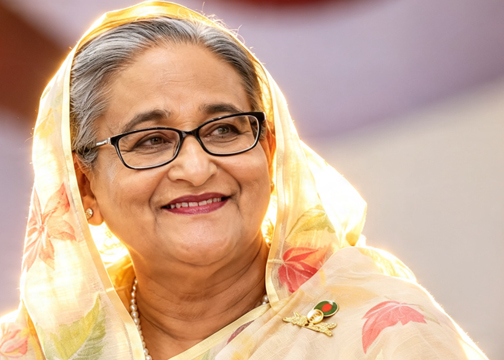
১৯৯৬ সালে বঙ্গবন্ধু কন্যা শেখ হাসিনার নেতৃত্বাধীন সরকার ক্ষমতায় এসে ইনডেমনিটি আইন বাতিল করে। শুরু হয় বিচার প্রক্রিয়া। দীর্ঘ বিচারিক প্রক্রিয়া শেষে ১৯৯৮ সালে নিম্ন আদালত ১৫ জনকে মৃত্যুদণ্ড দেয়। উচ্চ আদালত এবং আপিল বিভাগেও সেই রায় বহাল থাকে। ২০১০ সালে পাঁচজন খুনির ফাঁসি কার্যকর করা হয়। পরবর্তীতে ২০২০ সালে আরেক খুনি ক্যাপ্টেন আব্দুল মাজেদের ফাঁসি কার্যকর হয়। এখনো কয়েকজন খুনি বিদেশে পলাতক রয়েছে। এই বিচার শুধু একটি পরিবারের জন্য ন্যায়বিচার নয়, এটি বাংলাদেশের সংবিধান ও ন্যায়বোধের পুনঃপ্রতিষ্ঠা। এটি প্রমাণ করে যে ইতিহাসের কলঙ্ক মোছা যায়, তবে সময় লাগে।
বঙ্গবন্ধুর স্বপ্ন ও আজকের বাংলাদেশ - কোথায় দাঁড়িয়ে আমরা:
বঙ্গবন্ধু স্বপ্ন দেখেছিলেন ক্ষুধা ও দারিদ্র্যমুক্ত, অসাম্প্রদায়িক সোনার বাংলার। তাঁর রাজনীতির মূল মন্ত্র ছিল চারটি - জাতীয়তাবাদ, সমাজতন্ত্র, গণতন্ত্র ও ধর্মনিরপেক্ষতা। তিনি চেয়েছিলেন এমন একটি বাংলাদেশ যেখানে হিন্দু, মুসলমান, বৌদ্ধ, খ্রিস্টান সবাই কাঁধে কাঁধ মিলিয়ে বসবাস করবে। তিনি বলতেন, বাংলার মাটিতে সাম্প্রদায়িকতার স্থান নেই।
আজ ২০২৬ সালের আগস্টে দাঁড়িয়ে যখন আমরা পেছনে তাকাই, তখন বুক ভারী হয়ে আসে। গত দুই মাসের ঘটনাপ্রবাহ আমাদের গভীরভাবে ব্যথিত করেছে। দেশের বিভিন্ন স্থানে সাম্প্রদায়িক সম্প্রীতি বিনষ্টের চেষ্টা, সংখ্যালঘুদের বাড়িঘর ও উপাসনালয়ে হামলার খবর, জঙ্গিবাদের নতুন করে মাথাচাড়া দিয়ে ওঠার আভাস, বিচ্ছিন্ন বোমাবাজির ঘটনা এবং সর্বোপরি আইনশৃঙ্খলা পরিস্থিতির অবনতি আমাদের মনে করিয়ে দেয় বঙ্গবন্ধু আজ বেঁচে থাকলে কতটা কষ্ট পেতেন। তিনি যে অসাম্প্রদায়িক চেতনার বীজ বপন করেছিলেন, সেই বীজকে উপড়ে ফেলার চেষ্টা চলছে। তরুণ সমাজের মধ্যে বিভাজন, সোশাল মিডিয়ায় ঘৃণা ও গুজবের বিস্তার, দুঃশাসনের অভিযোগ - এসবই তাঁর সোনার বাংলার স্বপ্নের বিপরীত। এই বাংলাদেশের জন্য তো ত্রিশ লক্ষ মানুষ জীবন দেয়নি। এই বাংলাদেশের জন্য তো বঙ্গবন্ধু তাঁর পরিবারসহ জীবন উৎসর্গ করেননি। এই বাস্তবতা আমাদের প্রত্যেক বিবেকবান মানুষকে নতুন করে ভাবতে বাধ্য করছে।
যদি বঙ্গবন্ধু আজ বেঁচে থাকতেন:
ইতিহাসে যদি শব্দটির কোনো স্থান নেই, তবুও মানুষ কল্পনা করে। যদি ১৫ আগস্টের সেই কালরাত্রি না ঘটত, যদি বঙ্গবন্ধু আরও বিশ বছর বেঁচে থাকতেন, তাহলে আজকের বাংলাদেশ কেমন হতো? এই প্রশ্নের উত্তর খুঁজতে গিয়ে আমাদের চোখে জল আসে, আবার বুকে আশাও জাগে।
যদি তিনি বেঁচে থাকতেন, তাহলে বাংলাদেশ আজ হয়তো দক্ষিণ এশিয়ার নয়, এশিয়ার অন্যতম মর্যাদাপূর্ণ জাতি হিসেবে মাথা উঁচু করে দাঁড়াত। তাঁর কৃষক-বান্ধব নীতি, তাঁর সমবায় আন্দোলন, তাঁর পররাষ্ট্রনীতিতে সকলের সাথে বন্ধুত্ব, কারো সাথে বৈরিতা নয় - এই নীতিগুলো বাংলাদেশকে অনেক আগেই অর্থনৈতিক মুক্তি এনে দিত। তিনি বেঁচে থাকলে বাংলাদেশে কখনোই সামরিক শাসন আসতে পারত না, গণতন্ত্রের ধারাবাহিকতা কখনোই ব্যাহত হতো না। তিনি বেঁচে থাকলে আজকের মতো জঙ্গিবাদ, বোমাবাজি, সাম্প্রদায়িকতা মাথাচাড়া দিতে পারত না, কারণ তিনি ছিলেন অসাম্প্রদায়িকতার বটবৃক্ষ। তাঁর শাসনে মেধা পাচার হতো না, বরং সারা বিশ্বের মেধাবীরা বাংলাদেশে আসত। তিনি হয়তো মালয়েশিয়ার মাহাথির বা সিঙ্গাপুরের লি কুয়ান ইউ-এর অনেক আগেই বাংলাদেশকে উন্নত রাষ্ট্রে পরিণত করতেন, কিন্তু পার্থক্য হলো তিনি উন্নয়ন করতেন গণতন্ত্র ও মানবিকতা দিয়ে, স্বৈরতন্ত্র দিয়ে নয়। আজ তিনি নেই বলেই আমরা পথ হারাই, আবার তাঁর আদর্শের আলোতেই আমরা পথ খুঁজে পাই।
অশ্রু, শপথ ও ন্যায়বিচারের পক্ষে দাঁড়ানো:
উপসংহারে বলতে পারি, রক্তাক্ত ১৫ আগস্ট আমাদের শুধু কাঁদায় না, আমাদের শপথও করায়। এই প্রবন্ধ লিখতে গিয়ে বারবার চোখ ঝাপসা হয়ে আসে। একটি মানুষ, যিনি একটি জাতিকে স্বাধীনতা দিলেন, তাঁকে এবং তাঁর নিষ্পাপ শিশুসহ পুরো পরিবারকে এভাবে হত্যা করা পৃথিবীর ইতিহাসে বিরল। এই হত্যাকাণ্ড প্রমাণ করে ঘৃণা কতটা ভয়ংকর হতে পারে, আর ভালোবাসা কতটা অবিনশ্বর। ঘাতকরা ভেবেছিল বুলেট দিয়ে ইতিহাস মুছে ফেলা যায়। তারা ভুল প্রমাণিত হয়েছে। আজ ৫০ বছর পরেও বঙ্গবন্ধুর নাম উচ্চারিত হয় শ্রদ্ধায়, ভালোবাসায়, আর খুনিদের নাম উচ্চারিত হয় ঘৃণায়।
আজকের এই অস্থির সময়ে দাঁড়িয়ে, যখন চারদিকে সাম্প্রদায়িকতার বিষবাষ্প, জঙ্গিবাদের উত্থান আর দুঃশাসনের অন্ধকার, তখন বঙ্গবন্ধুর আদর্শই আমাদের একমাত্র আলোকবর্তিকা। ন্যায়বিচারের পক্ষে দাঁড়ানো মানে শুধু আদালতে খুনিদের বিচার নয়, ন্যায়বিচারের পক্ষে দাঁড়ানো মানে প্রতিটি সাম্প্রদায়িক হামলার বিরুদ্ধে রুখে দাঁড়ানো, প্রতিটি বোমাবাজির বিরুদ্ধে ঐক্যবদ্ধ হওয়া, প্রতিটি দুঃশাসনের বিরুদ্ধে কলম ধরা। বঙ্গবন্ধুর সোনার বাংলা মানে কেবল অর্থনৈতিক উন্নতি নয়, সোনার বাংলা মানে এমন একটি দেশ যেখানে কোনো শিশুকে তার ধর্মের কারণে ভয় পেতে হবে না, যেখানে কোনো মায়ের কোল খালি হবে না জঙ্গিবাদের বোমায়। আসুন, এই ১৫ আগস্টে আমরা অশ্রুসিক্ত চোখে শপথ করি, আমরা বঙ্গবন্ধু ও তাঁর পরিবারের সকল শহীদের রক্তের ঋণ শোধ করব অসাম্প্রদায়িক, গণতান্ত্রিক ও মানবিক বাংলাদেশ গড়ে তোলার মাধ্যমে। জয় বাংলা, জয় বঙ্গবন্ধু।
লেখক: ঈশ্বর ভট্টাচার্য, রাজনৈতিক বিশ্লেষক ও কলামিস্ট
In the thousand-year history of the Bengali nation, there is a name that, when uttered, gives birth to a map, a flag, a national anthem, and an independent identity. He is Bangabandhu Sheikh Mujibur Rahman. He was not merely a political leader; he was the voice of the long-suppressed sighs residing deep within the heart of an oppressed nation. Born on 17 March 1920 in Tungipara, Gopalganj, young "Khoka" Mujib learned from his early youth never to bow down to injustice. From the Language Movement to the Six-Point Demand, and from the Agartala Conspiracy Case to the Mass Upsurge of 1969—at every stage, he risked his life for the rights of the Bengali people. Fourteen years of his life were spent inside the dark cells of Pakistani prisons.
On 7 March 1971, at the Racecourse Ground, his thunderous voice proclaimed our ultimate mantra of liberation: "The struggle this time is the struggle for our emancipation, the struggle this time is the struggle for independence." That single speech transformed an unarmed nation into an armed one. In the early hours of 26 March, moments before he was arrested by the Pakistani occupation forces, he declared independence. The Bangladesh he gave us—achieved through a nine-month bloody war, the sacrifice of three million martyrs, and the honor of two hundred thousand mothers and sisters—was his lifelong cherished dream of Sonar Bangla (Golden Bengal). Upon returning to the war-devastated country after independence, when he said, "The only desire of my life is to bring a smile to the faces of the people of Bengal," the entire nation found the shadow of a protective father in him. Thus, he became the Father of the Nation.
Dhanmondi 32: A House, A Piece of History
The residence at Dhanmondi 32 was never just a structure of bricks and mortar. It was the second capital of the Bengalis, a pilgrimage site of independence. Every wall of this house bears the mark of the liberation war planning, the oath to break the chains of servitude, and the dream of rebuilding a war-torn nation. Sitting in the small lawn of this house, Bangabandhu would converse with domestic and foreign journalists and listen to the grievances of farmers and laborers. On the first floor of this house lived Begum Fazilatunnesa Mujib, who was his unwavering shadow through every crisis of Bangabandhu's life. She never came to the forefront, but from behind the scenes, she managed all the storms of the family and political life with profound affection and strength.
It was in this house that Sheikh Kamal, Sheikh Jamal, and Sheikh Russel grew up. Sheikh Kamal was a soul of the sports and cultural spheres, a freedom fighter who sowed the seeds of modern football by founding the Abahani Club. Sheikh Jamal was a young army officer, a patriot, and a man of refined taste. And little Russel, a child of only ten, a fourth-grade student at University Laboratory School, whose eyes held an unquenchable curiosity to see the world. Bangabandhu's brother Sheikh Naser—a reserved businessman—lived in this house, along with his nephew Sheikh Fazlul Huq Moni, the founder of Jubo League, and his brother-in-law Abdur Rab Serniabat, who was a minister and a trusted companion. This house was a warm sanctuary of love, affection, and trust. No one could have imagined that the floor of this sanctuary would one day be flooded with streams of blood.
The Dark Night of 15 August: How the Assassins' Bullets Attempted to Halt History
15 August 1975 fell on a Friday. The light of dawn had not yet fully broken, and the city of Dhaka was asleep. Just then, under the leadership of a few derailed, ambitious army officers, a group of soldiers encircled Dhanmondi 32 with tanks. Their objective was not merely to assassinate one individual, but to murder an ideology and the future of a nation. First, they shot and killed Sheikh Abu Naser outside. Entering the house, they killed Sheikh Kamal, who had come downstairs and announced, "I am Sheikh Mujib's son, Sheikh Kamal." Then they murdered Sheikh Jamal.
Bangabandhu was upstairs at the time. Wearing a lungi and a panjabi, he stepped downstairs. Facing the assassins, he asked courageously, "What do you want? Do you want to kill me?" He thought that perhaps these soldiers, whom he regarded as his children, would listen to him. But they did not. On the staircase itself, the assassin clique led by Colonel Farooq, Rashid, Bazlul Huda, and Noor riddled him with a spray of bullets. The Himalaya of Bengal collapsed on those stairs. Moving upstairs, they brutally murdered Begum Mujib, who was pleading to go near her husband's body. The newlywed daughters-in-law, Sultana Kamal and Rosy Jamal, were also killed. The most heart-wrenching tragedy befell little Russel. Seeing his parents, brothers, and sisters-in-law killed, the ten-year-old child trembled in fear and wept, saying, "I want to go to my mother." The killers spared not even him. Taking him near his mother's body, they shot and killed the innocent child in cold blood. On the same night, Sheikh Moni and his pregnant wife Arzoo Moni were killed in Dhanmondi, and 13 members of Abdur Rab Serniabat's family were murdered at his Minto Road residence. A total of 23 fresh lives were extinguished that night, 18 of whom shared blood relations. Only two daughters, Sheikh Hasina and Sheikh Rehana, survived because they were abroad.
All the Fallen Martyrs: A Chronicle Written in Blood
To call this tragedy merely the "assassination of Bangabandhu" would be an understatement. It was a family massacre, a barbaric attempt to eradicate an entire lineage. Every name must be remembered. Bangamata Begum Fazilatunnesa Mujib, mother to all Bengalis, who waited years for her imprisoned husband and inspired freedom fighters during the war while under house arrest. Martyr Sheikh Kamal, a brilliant student of Sociology at Dhaka University, a key organizer of the Liberation War, and chief of the Mujib Bahini during the war. His wife Sultana Kamal, an athletic star of Dhaka University. Martyr Sheikh Jamal, a Sandhurst-trained army officer who escaped from Pakistan to join the Liberation War. His wife Parveen Jamal Rosy.
And Martyr Sheikh Russel, whose murder shocked the conscience of humanity worldwide. Where the UN Convention on the Rights of the Child recognizes child murder as a heinous crime, the killing of the ten-year-old son of a nation's founder demonstrates how monstrous the killers had become. Also martyred were Bangabandhu's only brother Sheikh Abu Naser, nephew and youth leader Sheikh Fazlul Huq Moni and his wife Begum Arzoo Moni, brother-in-law Abdur Rab Serniabat and his daughter Baby, son Arif, grandson Sukanta, nephew Shahid Serniabat, and young Potu who took shelter at Abdur Rab Serniabat's residence, among others. Every name is a piece of history; every death, the fall of a star.
Bangabandhu in the Eyes of World Leaders
It was not just Bangladesh that wept at Bangabandhu's death; freedom-loving people around the world mourned. His personality was so towering that major global statesmen bowed their heads in respect before him.
Embracing Bangabandhu at the Non-Aligned Summit in Algiers in 1973, Cuban revolutionary leader Fidel Castro remarked: "I have not seen the Himalayas. But I have seen Sheikh Mujib. In personality and in courage, this man is the Himalayas. I have thus had the experience of witnessing the Himalayas."
British journalist David Frost once said that without seeing Sheikh Mujib, one could not understand how a human being could become the physical embodiment of a nation. Former Prime Minister of India Indira Gandhi noted that Sheikh Mujib was a leader who lived in the hearts of his people. Nobel laureate Willy Brandt stated that after Mujib's assassination, Bengalis could no longer be trusted. Yugoslav leader Marshal Tito remarked that with the death of Sheikh Mujib, the world lost a great statesman. These quotes prove that Bangabandhu belonged not only to Bangladesh; he was the voice of oppressed people worldwide.
Conspiracies Behind the History: Domestic and International Context
The assassination on 15 August was no isolated incident; it was the outcome of a long-standing conspiracy. Historical research reveals that ever since independence, a defeated force and their local collaborators had been attempting to destabilize Bangabandhu's government. Exploiting the food shortages, corruption, and administrative chaos caused by opportunist bureaucrats in a war-torn nation, a faction began stirring discontent within the army. The frustration of young officers like Colonel Farooq, Rashid, and Dalim—who felt they did not receive their desired ranks after the Liberation War—was weaponized.
Much research exists regarding the international context as well. Declassified US diplomatic documents and investigative reporting showed that during the Cold War, Western powers viewed the Soviet-India closeness in South Asia, along with Bangabandhu's socialist and non-aligned stance, with disfavor. Christopher Hitchens questioned Henry Kissinger's role in his writing. While conclusive evidence of direct foreign government involvement remains debated, it is clear that the immediate recognition of the assassin regime and the rehabilitation of the killers prove an international network stood to gain from this murder. The enactment of the Indemnity Ordinance by the Khandaker Mushtaq-led government to block the trial of the killers remains another dark stain on history.
The Long Road to Justice: Waiting for Retribution
Bangladesh had to wait 21 years to see justice for Bangabandhu's murder. From 1975 to 1996, the Indemnity Act was enforced to prevent prosecution. This was an unprecedented atrocity in modern history where a state legally protected murderers. The killers enjoyed luxurious lifestyles abroad holding diplomatic posts, while the soul of the Father of the Nation wept for justice.
In 1996, the government led by Bangabandhu's daughter Sheikh Hasina assumed power and repealed the Indemnity Act, initiating the trial process. Following a prolonged judicial proceeding, the trial court sentenced 15 individuals to death in 1998. The High Court and Appellate Division upheld the verdict. In 2010, five convicted killers were executed by hanging. Later in 2020, another killer, Captain Abdul Majed, was executed. A few convicted assassins remain absconding abroad. This trial was not merely justice for one family; it re-established the Constitution and legal ethics of Bangladesh. It proved that stains on history can be wiped clean, even if it takes time.
Bangabandhu's Dream and Today's Bangladesh: Where Do We Stand?
Bangabandhu dreamed of a non-communal Sonar Bangla, free from hunger and poverty. The foundational principles of his politics were fourfold: Nationalism, Socialism, Democracy, and Secularism. He envisioned a Bangladesh where Hindus, Muslims, Buddhists, and Christians would live side-by-side. He used to say that communalism has no place on the soil of Bengal.
Standing here in August 2026, looking back fills the heart with heavy sorrow. Recent events over the past two months have deeply pained us. News of attempts to disrupt communal harmony in various parts of the country, attacks on minority homes and places of worship, hints of a resurgence in militancy, isolated bombing incidents, and an overall deterioration of law and order remind us how pained Bangabandhu would be if he were alive today. The seeds of non-communal harmony he sowed are being uprooted. Division among the youth, the spread of hate and rumors on social media, allegations of misrule—all of these stand contrary to his dream of Sonar Bangla. Three million people did not give their lives for this Bangladesh. Bangabandhu did not sacrifice his life and family for this outcome. This reality forces every conscientious individual to reflect deeply once again.
Had Bangabandhu Been Alive Today
Although history has no room for "if," human imagination lingers. Had that dark night of 15 August not occurred, had Bangabandhu lived for another twenty years, what would today's Bangladesh look like? Seeking the answer to this brings tears to our eyes, yet kindles hope in our hearts.
Had he lived, Bangladesh might today stand tall as one of Asia's most dignified nations, not just South Asia's. His farmer-friendly policies, cooperative movements, and foreign policy of "Friendship to all, malice towards none" would have brought economic liberation much sooner. Military rule could never have taken root, and the continuity of democracy would never have been disrupted. Militancy, bombings, and communalism could not have raised their heads because he was the protective banyan tree of secularism. Brain drain would not have occurred under his stewardship; rather, global talent would have flocked to Bangladesh. He might have transformed Bangladesh into a developed state long before Malaysia's Mahathir Mohamad or Singapore's Lee Kuan Yew—the difference being that he would have achieved progress through democracy and humanity, not authoritarianism. Because he is gone, we lose our way, yet in the light of his ideals, we find our path again.
Tears, Oaths, and Standing for Justice
In conclusion, the bloody 15 August not only brings us to tears, but it also binds us to an oath. Writing this piece repeatedly blurs one's vision. That a person who gave a nation its independence, along with his innocent child and entire family, could be murdered in this manner is rare in world history. This massacre proves how terrifying hatred can be, and how immortal love remains. The assassins thought bullets could erase history. They have been proven wrong. Today, 50 years later, Bangabandhu's name is uttered with respect and love, while the names of the killers are spoken with utter hatred.
Standing in these turbulent times, amidst the poison of communalism, the rise of militancy, and the darkness of misrule, Bangabandhu's ideals remain our sole guiding light. Standing for justice does not merely mean trying killers in court; it means standing up against every communal attack, uniting against every bombing, and raising our pens against all forms of misrule. Bangabandhu's Sonar Bangla does not mean economic growth alone; it signifies a nation where no child fears for their faith, where no mother loses her child to a militant's bomb. On this 15 August, let us take an oath with tearful eyes to repay the blood debt of Bangabandhu and all the martyrs of his family by building a non-communal, democratic, and humane Bangladesh.
Joy Bangla, Joy Bangabandhu.
Author: Ishwar Bhattacharya, Political Analyst and Columnist