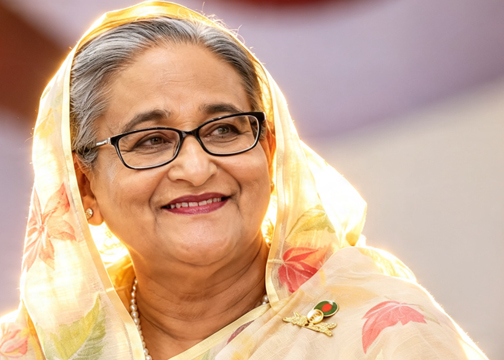
হঠাৎ করে বড় ধরনের অর্থনৈতিক চ্যালেঞ্জের মুখে পড়া বাংলাদেশকে আবার প্রবৃদ্ধির গতিপথে ফিরিয়ে আনতে শেখ হাসিনার দৃঢ় প্রত্যয় ও আত্মবিশ্বাসের নেপথ্যে কী কাজ করছে? এই প্রশ্নের উত্তর খুঁজতে হলে তাকাতে হবে অতীত ও ভবিষ্যতের পরিকল্পনার দিকে। তাঁর শাসনামলে নেওয়া নানা সাহসী উদ্যোগ ও সুদূরপ্রসারী কৌশলই এই আত্মপ্রত্যয়ের মূল ভিত্তি।
বাংলাদেশের মতো বিকাশমান অর্থনীতির জন্য প্রত্যক্ষ বৈদেশিক বিনিয়োগ বা এফডিআই (FDI) অত্যন্ত কার্যকর এক হাতিয়ার। এটি কেবল মূলধন-ঘাটতিই মেটায় না; বরং আধুনিক প্রযুক্তি, উন্নত ব্যবস্থাপনা-দক্ষতার স্থানান্তর এবং লাখ লাখ নতুন কর্মসংস্থান সৃষ্টির মাধ্যমে টেকসই প্রবৃদ্ধির গতি বাড়ায়। এশিয়ার উদীয়মান অর্থনীতির দেশগুলোতে রেকর্ড পরিমাণ এফডিআই আসার পেছনেও রয়েছে এই একই রসায়ন।
অর্থনৈতিক অঞ্চল ও বিদেশি বিনিয়োগের নতুন দিগন্ত বাংলাদেশের বিপুল জনসম্পদকে কাজে লাগাতে শেখ হাসিনার সরকার বাংলাদেশ রপ্তানি প্রক্রিওকরণ এলাকা কর্তৃপক্ষের (বেপজা) পাশাপাশি বিশ্ব ব্যাংক ও জাইকার কারিগরি সহায়তায় ২০১০ সালে প্রতিষ্ঠা করে বাংলাদেশ অর্থনৈতিক অঞ্চল কর্তৃপক্ষ (বেজা)। এই পরিকল্পনার আওতায় অনুমোদন দেওয়া হয় ৯৭টি বিশেষ অর্থনৈতিক অঞ্চল (SEZ)। এর মধ্যে জি-টু-জি (সরকার থেকে সরকার) ভিত্তিতে কয়েকটি নির্দিষ্ট দেশের জন্য প্রধান অর্থনৈতিক অঞ্চল চিহ্নিত ও গড়ে তোলা হয়েছে:
• জাপানি অর্থনৈতিক অঞ্চল: নারায়ণগঞ্জের আড়াইহাজারে অবস্থিত।
• চীনা অর্থনৈতিক ও শিল্প অঞ্চল (CEIZ): চট্টগ্রামের আনোয়ারায় অবস্থিত।
• ভারতীয় অর্থনৈতিক অঞ্চল: মীরসরাইয়ের বঙ্গবন্ধু শেখ মুজিব শিল্পনগরসহ দুটি স্থানে বরাদ্দ।
• অন্যান্য দেশ: দক্ষিণ কোরিয়াসহ বেশ কয়েকটি দেশের জন্য জোন বরাদ্দের প্রক্রিয়া চলমান।
এফডিআই কেন জরুরি? অভ্যন্তরীণ সঞ্চয় দিয়ে দেশের বৃহৎ অবকাঠামো ও শিল্প প্রকল্পের সম্পূর্ণ ব্যয় মেটানো কষ্টসাধ্য। এফডিআই সেই মূলধন-সংকট দূর করে। একই সঙ্গে পরিবেশবান্ধব আধুনিক প্রযুক্তি, আইটি, ফার্মাসিউটিক্যালস ও ম্যানুফ্যাকচারিং খাতের বৈচিত্র্যায়ন এবং তৈরি পোশাকের বাইরে রপ্তানি ঝুড়ি বহুমুখীকরণে এফডিআই গুরুত্বপূর্ণ ভূমিকা রাখে।
এফডিআই আকর্ষণের শর্ত ও আন্তর্জাতিক অভিজ্ঞতা দীর্ঘ অভিজ্ঞতা থেকে শেখ হাসিনা জানেন, বিনিয়োগবান্ধব পরিবেশ তৈরির জন্য কর-প্রক্রিয়া সহজ করা, আমলাতান্ত্রিক জটিলতা কমানো এবং ব্যবসাবান্ধব আইনি কাঠামো তৈরি করা জরুরি। সেই সাথে রাজনৈতিক স্থিতিশীলতা, সুশাসন এবং শক্তিশালী অবকাঠামো (বিদ্যুৎ, গ্যাস, বন্দর ও আধুনিক যোগাযোগ) নিশ্চিত করাও অত্যাবশ্যক।
অন্যান্য দেশের অভিজ্ঞতা আমাদের জন্য বড় উদাহরণ:
• ভারত: ২০২৫-২৬ অর্থবছরে ভারতে মোট এফডিআই প্রবাহ রেকর্ড ৯৪.৫৩ বিলিয়ন ডলারে পৌঁছেছে, যা আগের বছরের চেয়ে ১৭-১৮% বেশি।
• মালয়েশিয়া: ১৯৬০-এর দশক থেকে শুরু করে ২০২৫ সালে এসে দেশটি রেকর্ড ৬৫.৯ বিলিয়ন রিংগিত এফডিআই পেয়েছে। দেশটির বিনিয়োগ বোর্ডের (MIDA) প্রাক্তন ডেপুটি ডিরেক্টর-জেনারেল ও প্রখ্যাত অর্থনীতিবিদ দাতো জে. জেগাতেসান পরবর্তীতে বাংলাদেশের বিনিয়োগ বোর্ডের (বিডা) উপদেষ্টা হিসেবেও কাজ করেছেন।
বাংলাদেশের বর্তমান চিত্র ও করণীয় সরকারি তথ্যমতে, ২০২৫ সালে বাংলাদেশে নিট এফডিআই প্রবাহ প্রায় ৩৯-৪৪% বেড়ে ১.৭৭ থেকে ১.৮৫ বিলিয়ন মার্কিন ডলারে পৌঁছেছে (যেখানে ২০২৪ সালে ছিল ১.২৭ বিলিয়ন ডলার)। তবে এর বড় অংশই দেশে আগে থেকে কর্মরত বিদেশি কোম্পানিগুলোর পুনর্বিনিয়োগকৃত আয়—অর্থাৎ নতুন ইক্যুইটি বিনিয়োগের পরিমাণ এখনো কম।
প্রকৃত নতুন বিনিয়োগ আকর্ষণ করতে হলে যা প্রয়োজন:
• ওয়ান-স্টপ সার্ভিস: দ্রুত লাইসেন্স প্রাপ্তি, কোম্পানি নিবন্ধন ও আমলাতান্ত্রিক বাধা দূর করা।
• আইনি সুরক্ষা: মূলধন ও অর্জিত মুনাফা সহজে নিজ দেশে ফেরত নেওয়ার নিশ্চয়তা।
• দক্ষ জনশক্তি: টিটিসি, ভোকেশনাল ইনস্টিটিউট ও বিটাকের মাধ্যমে বিশ্বমানের দক্ষ মানবসম্পদ তৈরি।
• জীবনযাত্রার মান ও বিনোদন: বিদেশি বিনিয়োগকারীদের জন্য আকর্ষণীয় ও সুনির্দিষ্ট বিনোদন সুবিধাসম্পন্ন নিরাপদ পরিবেশ তৈরি করা, যাতে তাঁদের বিনোদনের জন্য অন্য দেশে যেতে না হয়।
উপসংহার শেখ হাসিনার আত্মবিশ্বাসের ভিত্তি গড়ে উঠেছে দীর্ঘমেয়াদি পরিকল্পনা ও কাঠামোগত পরিবর্তনের মাধ্যমে। তবে ভারত বা মালয়েশিয়ার সঙ্গে তুলনা করলে দেখা যায়, প্রকৃত নতুন এফডিআই আকর্ষণে বাংলাদেশ এখনো কিছুটা পিছিয়ে। কেবল নীতি গ্রহণ করলেই চলবে না; প্রশাসনিক সরলীকরণ, আইনশৃঙ্খলা, সুশাসন ও দক্ষ জনশক্তি তৈরির শর্তগুলো বাস্তবে কতটা প্রয়োগ হচ্ছে—তার ওপরই নির্ভর করবে বাংলাদেশে টেকসই ও বড় মাপের এফডিআই প্রবাহ আসবে কি না।
লেখক: নীহারিকা রায়, উন্নয়ন কর্মী, রাজনৈতিক বিশ্লেষক ও কলামিস্ট
What lies behind Sheikh Hasina's firm determination and confidence to bring Bangladesh—suddenly hit by major economic challenges—back onto the growth trajectory? To find the answer to this question, one must look at past and future plans. The various courageous initiatives and far-reaching strategies undertaken during her tenure form the core foundation of this self-conviction.
For an emerging economy like Bangladesh, Foreign Direct Investment (FDI) is an extremely effective tool. It does not merely address the capital deficit; rather, it accelerates sustainable growth by transferring modern technology, advanced management expertise, and creating millions of new jobs. This exact formula lies behind the record amount of FDI flowing into Asia's emerging economies.
Economic Zones and New Horizons for Foreign Investment To leverage Bangladesh's vast human resources, Sheikh Hasina's government established the Bangladesh Economic Zones Authority (BEZA) in 2010 with technical assistance from the World Bank and JICA, alongside the Bangladesh Export Processing Zones Authority (BEPZA). Under this plan, 97 Special Economic Zones (SEZs) were approved. Among these, major economic zones have been identified and developed for specific countries on a G2G (Government-to-Government) basis:
• Japanese Economic Zone: Located in Araihazar, Narayanganj.
• Chinese Economic and Industrial Zone (CEIZ): Located in Anwara, Chattogram.
• Indian Economic Zone: Allocated across two locations, including Bangabandhu Sheikh Mujib Shilpa Nagar in Mirsarai.
• Other Countries: The process of allocating zones for several countries, including South Korea, is ongoing.
Why is FDI Essential? It is difficult to meet the full cost of a country's large infrastructure and industrial projects through domestic savings alone. FDI resolves this capital crisis. At the same time, FDI plays a crucial role in bringing eco-friendly modern technology, diversifying the IT, pharmaceuticals, and manufacturing sectors, and broadening the export basket beyond readymade garments.
Prerequisites for Attracting FDI and International Experience Drawing from long experience, Sheikh Hasina knows that creating an investment-friendly environment requires simplifying tax procedures, reducing bureaucratic red tape, and establishing a business-friendly legal framework. Alongside these, ensuring political stability, good governance, and strong infrastructure (electricity, gas, ports, and modern communication) is indispensable.
The experience of other countries serves as a major example for us:
• India: In the 2025–26 fiscal year, total FDI inflow into India reached a record $94.53 billion, up 17–18% from the previous year.
• Malaysia: Starting from the 1960s, the country received a record 65.9 billion Ringgit in FDI by 2025. Dato’ J. Jegathesan, former Deputy Director-General of Malaysia's Investment Development Authority (MIDA) and a renowned economist, later served as an advisor to the Bangladesh Investment Development Authority (BIDA).
Bangladesh's Current Scenario and Necessary Actions According to government data, net FDI inflow into Bangladesh grew by approximately 39–44% in 2025, reaching $1.77 billion to $1.85 billion (compared to $1.27 billion in 2024). However, a large portion of this consists of reinvested earnings from foreign companies already operating in the country—meaning new equity investment remains low.
To attract actual new investments, the following are required:
• One-Stop Service: Speedy acquisition of licenses, company registration, and elimination of bureaucratic hurdles.
• Legal Protection: Guarantees for the smooth repatriation of capital and earned profits back to the home country.
• Skilled Workforce: Developing world-class skilled human resources through TTCs, vocational institutes, and BITAC.
• Quality of Life and Recreation: Creating a safe environment for foreign investors featuring attractive, dedicated recreational facilities so they do not need to travel to other countries for leisure.
•
Conclusion The foundation of Sheikh Hasina’s confidence has been built through long-term planning and structural changes. However, compared to India or Malaysia, Bangladesh still lags somewhat behind in attracting actual new FDI. Merely adopting policies will not suffice; whether sustainable, large-scale FDI flows into Bangladesh will depend on how effectively administrative simplification, law and order, good governance, and skilled human resource development are implemented on the ground.
Author: Niharika Roy, Development Worker, Political Analyst, and Columnist