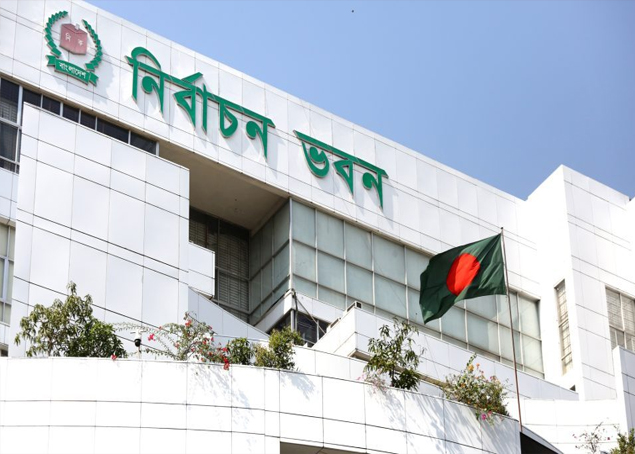
সরকার ৩২ জন যুগ্ম সচিবকে বাধ্যতামূলক অবসরে পাঠানোর সিদ্ধান্ত নিয়েছে। অবসরে পাঠানো এসব কর্মকর্তার অধিকাংশই আওয়ামী লীগ সরকারের আমলে জেলা প্রশাসক (ডিসি), রিটার্নিং কর্মকর্তা এবং প্রশাসনের গুরুত্বপূর্ণ বিভিন্ন পদে দায়িত্ব পালন করেছেন। তাঁদের মধ্যে অনেকেই ২০১৮ সালের একাদশ জাতীয় সংসদ নির্বাচনের সময় মাঠ প্রশাসনের গুরুত্বপূর্ণ দায়িত্বে ছিলেন। ফলে সরকারের এই সিদ্ধান্তকে ঘিরে প্রশাসনিক মহলের পাশাপাশি রাজনৈতিক অঙ্গনেও শুরু হয়েছে নানা আলোচনা।
তবে এখানে একটি গুরুত্বপূর্ণ বিষয় হলো, কোনো কর্মকর্তাকে বাধ্যতামূলক অবসরে পাঠানো মানেই তিনি কোনো নির্বাচনী অনিয়মে জড়িত ছিলেন—এমন সিদ্ধান্তে পৌঁছানো যায় না। সরকারের প্রশাসনিক সিদ্ধান্তের পেছনে সুনির্দিষ্ট কারণ থাকতে পারে, আবার রাজনৈতিক প্রেক্ষাপটও থাকতে পারে। তাই স্বচ্ছ তদন্ত ছাড়া ব্যক্তিগত দায় নির্ধারণ করা হলে তা নতুন বিতর্ক তৈরি করতে পারে।
অন্যদিকে ২০১৮ সালের নির্বাচন নিয়ে যদি সত্যিই কোনো তদন্ত বা জবাবদিহির উদ্যোগ নেওয়া হয়, তাহলে শুধু মাঠপর্যায়ের কর্মকর্তাদের নয়, তৎকালীন নির্বাচন কমিশন, প্রশাসনের ঊর্ধ্বতন পর্যায় এবং রাজনৈতিক সিদ্ধান্ত গ্রহণের সঙ্গে সংশ্লিষ্ট ব্যক্তিদের ভূমিকা নিয়েও প্রশ্ন উঠতে পারে। কারণ একটি জাতীয় নির্বাচন পরিচালনা কোনো একক কর্মকর্তা বা প্রতিষ্ঠানের কাজ নয়; এটি একটি বৃহৎ প্রশাসনিক ও সাংবিধানিক কাঠামোর সমন্বিত প্রক্রিয়া।
ফলে ৩২ কর্মকর্তার বাধ্যতামূলক অবসরকে শুধু প্রশাসনিক রদবদল হিসেবে দেখলে পুরো বিষয়টির রাজনৈতিক তাৎপর্য হয়তো ধরা পড়বে না। বরং এটি ২০১৮ সালের নির্বাচন ঘিরে বহুল আলোচিত অভিযোগগুলোর সম্ভাব্য পুনর্মূল্যায়নের ইঙ্গিত কি না—সেটিই এখন বড় প্রশ্ন।
২০২৬ সালের জাতীয় নির্বাচনের অঅগের দিন সন্ধ্যা বেলায় ভোটের বাক্স ভরে রাখার নজির সামনে রেখে, সরকার যদি অতীতের নির্বাচনী বিতর্কের জবাবদিহি নিশ্চিত করতে চায়, তাহলে তা হতে হবে আরো বিতকিত ভুমিকা অন্যথায় ‘সন্ধ্যার ভোটের রুপকার’ খোঁজার উদ্যোগও রাজনৈতিক প্রতিহিংসার অভিযোগে প্রশ্নবিদ্ধ হতে বাধ্য এটা সময়ের ব্যপার মাত্র।
বাধ্যতামূলক অবসরে যাওয়া কর্মকর্তারা হলেন—গোপাল চন্দ্র দাশ (৬৯২৩), এস এম ফেরদৌস (৬৯১৮), এস এম আব্দুল কাদের (৬৯১৬), আলী আকবর (৬৯১২), মাহমুদুল কবীর মুরাদ (৬৮৯৯), সারওয়ার মুর্শেদ চৌধুরী (৬৮৯৬), সৈয়দা ফারহানা কাউনাইন (৬৮৯৪), ড. মোহাম্মদ হেলাল হোসেন (৬৮৮৯), আনার কলি মাহবুব (৬৮৮৬), সুলতানা পারভীন (৬৮৮৪), নাজিয়া শিরিন (৬৮৭৪), মতিউল ইসলাম চৌধুরী (৬৮৭১), মাসুদ আলম ছিদ্দিক (৬৮৬৫), এস এম অজিয়র রহমান (৬৮৬৩), মো. ওয়াহিদুজ্জামান (৬৮৫৮), শহিদুল ইসলাম (৬৮৫০), সরোজ কুমার নাথ (৬৮৪১), জসিম উদ্দিন (৬৮১১), আব্দুল আহাদ (৬৮০৬), কামাল হোসেন (৬৮০১), এ কে এম মামুনুর রশিদ (৬৭৮২), অঞ্জন চন্দ্র পাল (৬৭৭৮), ইলিয়াস হোসেন (৬৭৫০), মিজানুর রহমান (৬৭৩৭), এ জেড এম নুরুল হক (৬৭৩৩), কাজী আবু তাহের (৬৭৩১), মো. শাহরিয়ার (৬৬৯৪), দাউদুল ইসলাম (৬৬৮১), মঈনউল ইসলাম (৬৬৪৬), আসলাম হোসেন (৬৬৪৪), আবুল ফজল মীর (৬৬৪০) ও মাজেদুর রহমান খান (৬৬৩৯)।
লেখক : শচীন বাঙালি,কলামিস্ট ও রাজনৈতি বিশ্লেষক
The government has decided to send 32 joint secretaries into compulsory retirement. Most of these officials served as Deputy Commissioners (DCs), Returning Officers, and in other important administrative positions during the Awami League government. Many of them held key responsibilities in the field administration during the 2018 11th parliamentary election. As a result, the government's decision has sparked considerable discussion not only within administrative circles but also in the political arena.
However, one important point must be emphasized: sending an official into compulsory retirement does not automatically mean that the individual was involved in electoral irregularities. There may be specific administrative reasons behind such a decision, while political considerations may also be involved. Therefore, determining individual responsibility without a transparent investigation could create further controversy.
On the other hand, if there is indeed an initiative to investigate the 2018 election and ensure accountability, questions may arise not only about field-level officials but also about the role of the Election Commission at the time, senior levels of the administration, and those involved in political decision-making. After all, conducting a national election is not the responsibility of any single official or institution; rather, it is a coordinated process involving a broad administrative and constitutional framework.
Therefore, viewing the compulsory retirement of these 32 officials merely as an administrative reshuffle may fail to capture the broader political significance of the decision. The bigger question now is whether this move signals a possible reassessment of the widely discussed allegations surrounding the 2018 election.
Given the allegations of ballot boxes being filled the evening before the 2026 national election, if the government genuinely seeks to ensure accountability for past electoral controversies, the process must be more transparent and credible, particularly when investigating those accused of playing controversial roles. Otherwise, any effort to identify the so-called “architects of the evening vote” will inevitably face allegations of political retaliation. It may only be a matter of time before such questions become a major political controversy.
The officials sent into compulsory retirement are: Gopal Chandra Das (6923), S M Ferdous (6918), S M Abdul Kader (6916), Ali Akbar (6912), Mahmudul Kabir Murad (6899), Sarwar Murshed Chowdhury (6896), Syeda Farhana Kownain (6894), Dr. Mohammad Helal Hossain (6889), Anar Kali Mahbub (6886), Sultana Parvin (6884), Nazia Shirin (6874), Matiul Islam Chowdhury (6871), Masud Alam Siddique (6865), S M Azzior Rahman (6863), Md. Wahiduzzaman (6858), Shahidul Islam (6850), Saroj Kumar Nath (6841), Jasim Uddin (6811), Abdul Ahad (6806), Kamal Hossain (6801), A K M Mamunur Rashid (6782), Anjan Chandra Pal (6778), Ilias Hossain (6750), Mizanur Rahman (6737), A Z M Nurul Haque (6733), Kazi Abu Taher (6731), Md. Shahriar (6694), Daudul Islam (6681), Moinul Islam (6646), Aslam Hossain (6644), Abul Fazal Mir (6640), and Majedur Rahman Khan (6639).
Author: Sachin Bangali, Columnist and Political Analyst