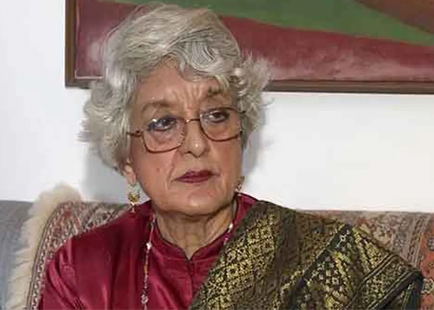
বাংলাদেশের রাজনীতিতে সাম্প্রতিক বছরগুলোতে এক গভীর ও দূরপ্রসারী পরিবর্তন সাধিত হয়েছে। ২০২৪ সালের রাজনৈতিক পটপরিবর্তন এবং পরবর্তী ঘটনাবলি কেবল একটি দেশের অভ্যন্তরীণ বিষয় নয়, বরং এর আঞ্চলিক ও ভূরাজনৈতিক তাৎপর্য অত্যন্ত ব্যাপক। ভারতের সাবেক হাইকমিশনার বীণা সিক্রির সাম্প্রতিক একটি সাক্ষাৎকার এই প্রসঙ্গটিকে নতুন করে আলোচনার কেন্দ্রে নিয়ে এসেছে। তাঁর মতে, বাংলাদেশের বর্তমান রাজনৈতিক অঙ্গনে ইসলামপন্থী শক্তিগুলোর প্রভাব আশঙ্কাজনক হারে বৃদ্ধি পাচ্ছে, যা দীর্ঘমেয়াদে দেশটিকে এক জটিল সংকটের দিকে ঠেলে দিতে পারে।
২০২৪ সালের রাজনৈতিক পরিবর্তনের স্বরূপ ও বিশ্লেষণ
সাবেক ভারতীয় হাইকমিশনার বীণা সিক্রি মনে করেন, ২০২৪ সালে বাংলাদেশে যা ঘটেছে তাকে শুধুমাত্র একটি সাধারণ ছাত্র-গণঅভ্যুত্থান হিসেবে দেখা বা মূল্যায়ন করা ভুল হবে। তাঁর দাবি, এই পরিবর্তনটি ছিল অত্যন্ত নিখুঁত ও সুপরিকল্পিত একটি সরকার পরিবর্তনের প্রক্রিয়া।
পরিকল্পিত রূপায়ণ: তাঁর মতে, এই আন্দোলনের নেপথ্যে সুনির্দিষ্ট সাংগঠনিক ছক ও গভীর পরিকল্পনা কাজ করেছিল।
নেতৃত্বের স্বীকারোক্তি: অন্তর্বর্তীকালীন সরকারের প্রধান উপদেষ্টা ড. মুহাম্মদ ইউনূস নিজেই এই আন্দোলনকে সংগঠিত হিসেবে উল্লেখ করেছেন বলে তিনি মনে করেন।
বৈধতার প্রশ্ন: এই পটপরিবর্তনের সুনির্দিষ্ট ধরন ও প্রেক্ষাপট বিচার করলে পরবর্তী সময়ে গৃহীত বিভিন্ন রাজনৈতিক সিদ্ধান্তের বৈধতা নিয়েও প্রশ্ন উঠতে পারে বলে তিনি দাবি করেন।
জামায়াতে ইসলামী ও ইসলামপন্থী শক্তির উত্থান
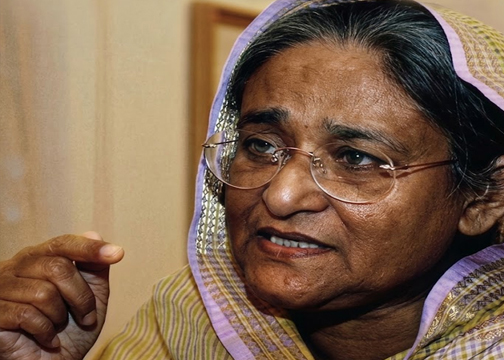
বীণা সিক্রির মূল উদ্বেগের কেন্দ্রবিন্দুতে রয়েছে বাংলাদেশের রাজনীতিতে জামায়াতে ইসলামীসহ বিভিন্ন ইসলামপন্থী শক্তির পুনরুত্থান। শেখ হাসিনার ক্ষমতাচ্যুতি এবং দেশত্যাগের পর এই শক্তিগুলো আগের তুলনায় অনেক বেশি শক্তিশালী ও দৃশ্যমান হয়ে উঠেছে বলে তিনি মন্তব্য করেছেন।
রাজনৈতিক সুযোগ: তাঁর মতে, বর্তমান রাজনৈতিক পরিস্থিতিতে জামায়াত এবং পাকিস্তানের মতো শক্তির প্রভাবে বিস্তারের সুযোগ তৈরি করে দেওয়া হচ্ছে।
রাষ্ট্রীয় কাঠামোতে প্রভাব: এই প্রবণতা অব্যাহত থাকলে তা বাংলাদেশের মূল গণতান্ত্রিক কাঠামো এবং অসাম্প্রদায়িক চেতনার জন্য বড় ধরনের চ্যালেঞ্জ তৈরি করতে পারে।
নিয়ন্ত্রণহীন পরিস্থিতি: বর্তমান রাজনৈতিক নেতৃত্ব এই বিষয়টিকে যথাযথ গুরুত্ব না দিয়ে প্রকারান্তরে ‘আগুন নিয়ে খেলছে’ বলে তিনি সতর্ক করেছেন।
সংখ্যালঘুদের নিরাপত্তা ও অস্তিত্বের সংকট
বাংলাদেশের রাজনীতিতে ইসলামপন্থীদের প্রভাব বৃদ্ধির পাশাপাশি দেশের ধর্মীয় ও জাতিগত সংখ্যালঘুদের সার্বিক পরিস্থিতি নিয়ে তীব্র উদ্বেগ প্রকাশ করেছেন বীণা সিক্রি।
অস্তিত্ব সংকট: তাঁর দাবি, বর্তমান সামাজিক ও রাজনৈতিক রূপান্তরের জেরে বাংলাদেশের সংখ্যালঘুরা এক ধরনের তীব্র নিরাপত্তাহীনতা ও অস্তিত্ব সংকটের মুখে পড়তে পারেন।
রাষ্ট্রীয় দায়বদ্ধতা: সংখ্যালঘুদের সুরক্ষা নিশ্চিত করা এবং তাদের অধিকার বজায় রাখা যে কোনো গণতান্ত্রিক রাষ্ট্রের জন্য অত্যন্ত জরুরি হলেও বর্তমান পরিস্থিতিতে তা প্রশ্নবিদ্ধ হচ্ছে বলে তাঁর ধারণা।
ভারত-বাংলাদেশ দ্বিপক্ষীয় সম্পর্ক ও কূটনীতি
সাক্ষাৎকারে দুই দেশের কূটনৈতিক সম্পর্কের বর্তমান অবস্থাও গুরুত্বের সঙ্গে স্থান পেয়েছে। বীণা সিক্রির মতে, ভারতের পক্ষ থেকে বাংলাদেশের নতুন রাজনৈতিক নেতৃত্বের সঙ্গে সুসম্পর্ক বজায় রাখতে এবং পারস্পরিক সহযোগিতা চালিয়ে যাওয়ার জন্য একাধিক ইতিবাচক উদ্যোগ নেওয়া হয়েছিল।
প্রস্তাব প্রত্যাখ্যান: দুঃখজনকভাবে বাংলাদেশ সরকারের পক্ষ থেকে সেই কূটনৈতিক উদ্যোগগুলো একপ্রকার প্রত্যাখ্যান করা হয়েছে বলে তিনি অভিযোগ করেন।
কূটনৈতিক ভুল: তাঁর মতে, এই ধরনের সিদ্ধান্ত দুই প্রতিবেশী রাষ্ট্রের দীর্ঘমেয়াদি অংশীদারত্ব এবং আঞ্চলিক স্থিতিশীলতার জন্য শুভকর নয়।
আঞ্চলিক ভূরাজনীতি ও পাকিস্তানের ভূমিকা
বীণা সিক্রির বিশ্লেষণে বাংলাদেশের অভ্যন্তরীণ রাজনীতিতে বিদেশি শক্তির, বিশেষ করে পাকিস্তানের সম্ভাব্য প্রভাবের বিষয়টি জোরালোভাবে উঠে এসেছে।
পাকিস্তান ফ্যাক্টর: বাংলাদেশের রাজনৈতিক পরিবর্তনের পেছনে পাকিস্তানের কৌশলগত স্বার্থ থাকতে পারে বলে তিনি আশঙ্কা প্রকাশ করেছেন।
আঞ্চলিক নিরাপত্তা: ইসলামপন্থী দলগুলোর শক্তিবৃদ্ধি এবং পাকিস্তানের সম্ভাব্য প্রভাব আঞ্চলিক ভূরাজনীতিতে ভারতের নিরাপত্তা উদ্বেগকে আরও বাড়িয়ে তুলেছে।
ভবিষ্যৎ আশঙ্কা
সার্বিক বিশ্লেষণে বীণা সিক্রি বোঝাতে চেয়েছেন যে, ২০২৪ সালের রাজনৈতিক পটপরিবর্তন বাংলাদেশের অভ্যন্তরীণ ব্যবস্থাকে সম্পূর্ণ বদলে দিয়েছে। সেখানে ইসলামপন্থী দলগুলোর ক্রমবর্ধিষ্ণু প্রভাব, সংখ্যালঘুদের নিরাপত্তা এবং ভারতের প্রতি বর্তমান প্রশাসনের শীতল মনোভাব এক জটিল পরিস্থিতির জন্ম দিয়েছে। এই পরিস্থিতি সময়মতো নিয়ন্ত্রণ না করলে তা শুধু বাংলাদেশ নয়, পুরো দক্ষিণ এশিয়ার ভূরাজনীতিতেই বড় ধরনের প্রভাব ফেলতে পারে বলে তিনি মনে করেন।
এই পরিবর্তিত রাজনৈতিক পরিস্থিতিতে বাংলাদেশের গণতান্ত্রিক ভবিষ্যতের সুরক্ষায় বর্তমান নেতৃত্বের কী ধরনের পদক্ষেপ নেওয়া উচিত বলে আপনি মনে করেন?
লেখক: ড. আবুল হাসনাৎ মিল্টন,সাংবাদিক, রাজনৈতিক বিশ্লেষক ও প্রধান সম্পাদক, দ্যা সোর্স নিউজ বাংলা (The Source News Bangla)
Introduction: Political Transformation and New Equations
Deep and far-reaching changes have taken place in Bangladesh's politics over recent years. The political transformation of 2024 and subsequent events are not merely internal matters of a single country; rather, their regional and geopolitical significance is immense. A recent interview by former Indian High Commissioner Veena Sikri has brought this context back into the center of discussion. According to her, the influence of Islamist political forces in Bangladesh’s current political arena is growing at an alarming rate, which could push the country into a complex crisis in the long run.
Nature and Analysis of the 2024 Political Change
Former Indian High Commissioner Veena Sikri believes that what happened in Bangladesh in 2024 should not be viewed or evaluated solely as a standard student-led mass uprising. She claims that this change was a meticulously planned and orchestrated regime-change process.
• Planned Execution: According to her, a specific organizational framework and deep planning worked behind the scenes of this movement.
• Leadership's Acknowledgment: She notes that the Chief Adviser of the interim government, Dr. Muhammad Yunus himself, referred to the movement as an organized one.
• Questions of Legitimacy: She asserts that evaluating the specific nature and context of this political shift raises questions regarding the validity of various political decisions made subsequently.
The Rise of Jamaat-e-Islami and Islamist Forces
The core of Veena Sikri's concern lies in the resurgence of Islamist forces, including Jamaat-e-Islami, in Bangladeshi politics. She commented that following the ouster and departure of Sheikh Hasina, these forces have become much more powerful and visible than before.
• Political Opportunity: In her view, the current political situation is creating opportunities for forces like Jamaat and Pakistan to expand their influence.
• Impact on State Structures: If this trend continues, it could pose major challenges to Bangladesh's core democratic framework and secular spirit.
• Uncontrolled Situation: She warned that by failing to give this issue due importance, the current political leadership is implicitly "playing with fire."
Security of Minorities and Crisis of Existence
Along with the growing influence of Islamists in Bangladeshi politics, Veena Sikri expressed deep concern over the overall situation of the country's religious and ethnic minorities.
• Existential Crisis: She claims that in the wake of the current social and political transition, minorities in Bangladesh could face a severe sense of insecurity and an existential crisis.
• State Accountability: Although ensuring the protection of minorities and maintaining their rights is extremely vital for any democratic state, she believes this is becoming questionable under the current circumstances.
India-Bangladesh Bilateral Relations and Diplomacy
The interview also prominently featured the current state of diplomatic relations between the two countries. According to Veena Sikri, multiple positive initiatives were taken from India's side to maintain good relations with Bangladesh's new political leadership and to continue mutual cooperation.
• Rejection of Proposals: She alleged that, regrettably, those diplomatic initiatives from the Bangladesh government were somewhat rejected.
• Diplomatic Blunder: In her view, such decisions do not bode well for the long-term partnership of two neighboring states and regional stability.
Regional Geopolitics and Pakistan's Role
Veena Sikri’s analysis strongly highlighted the potential influence of foreign powers, particularly Pakistan, in Bangladesh's domestic politics.
• The Pakistan Factor: She expressed apprehension that Pakistan might have strategic interests behind Bangladesh's political shift.
• Regional Security: The strengthening of Islamist parties and Pakistan's potential influence have further heightened India's security concerns in regional geopolitics.
Future Apprehensions
Through her comprehensive analysis, Veena Sikri meant to convey that the political transformation of 2024 has completely altered Bangladesh's domestic system. The growing influence of Islamist parties, the security of minorities, and the current administration's cold attitude toward India have given birth to a complex situation. She believes that if this situation is not controlled in a timely manner, it could have a major impact not only on Bangladesh but on the geopolitics of the entire South Asia.
What kind of steps do you think the current leadership should take to protect Bangladesh's democratic future in this changed political landscape?
Author: Dr. Abul Hasnat Milton, Journalist, Political Analyst, and Editor-in-Chief, The Source News Bangla