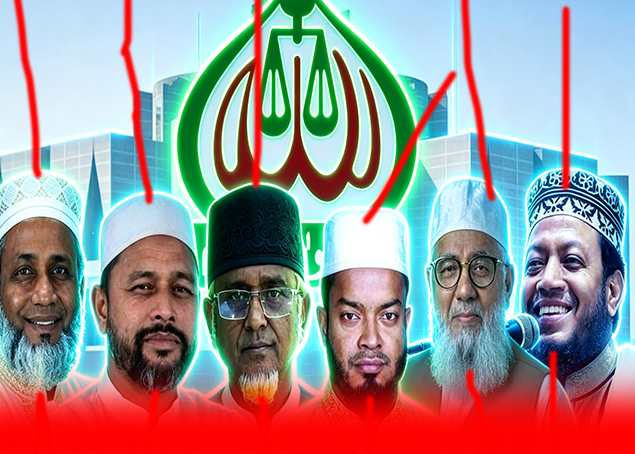
ত্রয়োদশ জাতীয় সংসদ নির্বাচনে ৬৮টি আসনে জয় পেয়ে সংসদে শক্তিশালী অবস্থান তৈরি করেছিল বাংলাদেশ জামায়াতে ইসলামী। কিন্তু সরকার গঠনের মাত্র পাঁচ মাসের মধ্যেই দলটির কয়েকজন সংসদ সদস্যের বক্তব্য ও কর্মকাণ্ড নিয়ে ধারাবাহিক বিতর্ক রাজনৈতিক অঙ্গনে নতুন প্রশ্ন তৈরি করেছে। বিষয়গুলো কি কেবল বিচ্ছিন্ন ব্যক্তিগত ভুল, নাকি নবীন সংসদীয় দলের অভিজ্ঞতার ঘাটতির প্রতিফলন—এখন সেটিই আলোচনার কেন্দ্রে।
কুষ্টিয়া-৩ আসনের এমপি আমির হামজার বক্তব্যকে ঘিরে বিএনপি নেতা ইকবাল হাসান মাহমুদ টুকুকে ‘নাস্তিক’ ও ‘ইসলামবিদ্বেষী’ বলার অভিযোগে মামলা ও গ্রেপ্তারি পরোয়ানা জারি হয়। পরে অবশ্য তিনি জামিন পান। এর কিছুদিন পর বাজেটের আকার নিয়ে তাঁর অসংলগ্ন মন্তব্যও সামাজিক মাধ্যমে ব্যাপক সমালোচনার জন্ম দেয়।
চাঁপাইনবাবগঞ্জ-২ আসনের এমপি মিজানুর রহমান সংসদে এমপিদের সরকারি ফ্ল্যাটে ওয়াশিং মেশিন, মাইক্রোওভেন ও পর্দার দাবি তুলে নতুন বিতর্ক সৃষ্টি করেন। বিরোধীরা এটিকে জনস্বার্থের বদলে এমপিদের ব্যক্তিগত সুবিধাকেন্দ্রিক মানসিকতার উদাহরণ হিসেবে তুলে ধরে রাজনৈতিক চাপ তৈরি করে।
অন্যদিকে, নীলফামারী-৪ আসনের এমপি আব্দুল মুনতাকিমের মুক্তিযুদ্ধে পরিবারের ভূমিকা ও নিজের পরিচয় নিয়ে দেওয়া বক্তব্যও প্রশ্নের মুখে পড়ে। পরে তথ্যগত অসঙ্গতি স্বীকার করে তিনি বক্তব্য সংশোধনের উদ্যোগ নেন।
সবশেষে এক জামায়াত এমপিকে ঘিরে ব্যক্তিগত ঘনিষ্ঠ মুহূর্তের ভিডিও ভাইরালের অভিযোগ নতুন করে দলটির ভাবমূর্তি নিয়ে আলোচনা উসকে দিয়েছে।
সব মিলিয়ে, পাঁচ মাসে একাধিক এমপিকে ঘিরে বিতর্ক জামায়াতের জন্য নিছক ‘ব্যক্তিগত ভুলের ধারাবাহিকতা’ হিসেবে এড়িয়ে যাওয়ার সুযোগ কমিয়ে দিয়েছে। কারণ, সংসদে ৬৮ আসনের শক্তি যত বড়, জনসম্মুখে প্রত্যাশাও তত বেশি। এখন দলটির সামনে মূল চ্যালেঞ্জ—ব্যক্তিগত আচরণ নিয়ন্ত্রণ, তথ্য যাচাই, সংসদীয় শিষ্টাচার এবং রাজনৈতিক বক্তব্যে দায়িত্বশীলতা নিশ্চিত করা। Otherwise, বিচ্ছিন্ন বিতর্কগুলোই ধীরে ধীরে দলীয় ভাবমূর্তির সামগ্রিক সংকটে রূপ নিতে পারে।
লেখক: কাজী মাহাফুজুল হক লালা, কলামিস্ট ও রাজনৈতিক বিশ্লেষক
The Bangladesh Jamaat-e-Islami emerged as a powerful force in parliament after winning 68 seats in the 13th National Parliamentary Election. But just five months after forming the government, a series of controversies surrounding the statements and conduct of several of its lawmakers has raised fresh questions in the political arena. Are these merely isolated personal mistakes, or do they reflect a lack of experience within the party’s newly formed parliamentary team? That is now at the heart of the debate.
Kushtia-3 MP Amir Hamza faced legal action and an arrest warrant over allegations that he described BNP leader Iqbal Hasan Mahmud Tuku as an “atheist” and “anti-Islamic” in a speech. He was later granted bail. Shortly afterward, his confusing remarks about the size of the national budget also drew widespread criticism on social media.
Chapainawabganj-2 MP Mizanur Rahman sparked another controversy after demanding washing machines, microwave ovens and curtains for MPs’ government-provided apartments during a parliamentary session. Critics seized on the remarks as an example of lawmakers focusing on personal privileges rather than public interests, putting additional political pressure on Jamaat.
Meanwhile, Nilphamari-4 MP Abdul Muntakim came under scrutiny over his claims about his family’s role in the Liberation War and his own identity as a “July fighter.” He later acknowledged inconsistencies in his statement and took steps to have the remarks corrected.
Most recently, allegations surrounding a viral video purportedly showing a Jamaat MP in an intimate private moment with a young woman have once again fueled debate over the party’s public image.
Taken together, the controversies involving several Jamaat lawmakers within just five months make it increasingly difficult for the party to dismiss them as merely a series of “personal mistakes.” The larger the party’s parliamentary strength—with 68 seats—the greater the public expectations. Jamaat now faces a critical challenge: ensuring discipline in personal conduct, verifying information before making public statements, maintaining parliamentary decorum, and exercising greater responsibility in political rhetoric. Otherwise, a series of seemingly isolated controversies could gradually evolve into a broader crisis for the party’s image.
Author: Kazi Mahafuzul Haque Lala, Columnist and Political Analyst