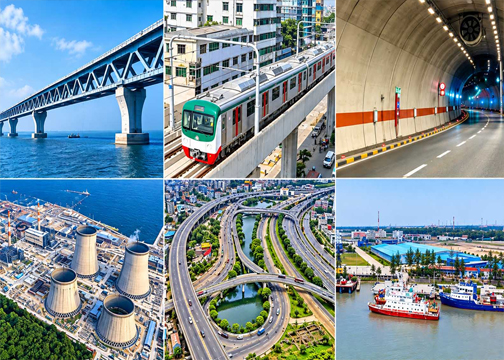
উন্নতির দিকে দ্রুত অগ্রসর হওয়া বাংলাদেশ তরতর করে সুনামের সহিত বিশ্বমঞ্চে উদীয়মান হয়েছিল। মাত্র ১৫ বছরে দারিদ্র্যতা দূর করে পৃথিবীতে মর্যাদার স্থান দখল করে বাংলাদেশ। তাই সে সময় বিশ্বসম্প্রদায়ের অনেকে বিভিন্ন দরিদ্র দেশকে দারিদ্র্যতা দূর ও শান্তিপূর্ণ বসবাসের জন্য বাংলাদেশকে অনুকরণ করার কথা বলতেন।
যে বাংলাদেশে ২০০৮ সনে অতিদরিদ্র মানুষের সংখ্যা প্রায় ২৫ শতাংশ ও দরিদ্র প্রায় ৪০.১ শতাংশ, মাথাপিছু আয় ৬৫৮ ডলার, জিডিপি মাত্র ৯১.৬০ বিলিয়ন ডলার, শিক্ষার হার ৪৫ শতাংশ, বিদ্যুৎ সুবিধাভোগী ১৫ শতাংশ। এইরকম নাজুক অবস্থায় ২০০৮-২০০৯ সনে দায়িত্ব গ্রহণের পর শেখ হাসিনার সরকার ক্ষমতা নেওয়ার পর সাহসের সহিত বাংলাদেশকে উন্নত দেশে রূপান্তরের পরিকল্পনা করে।
সে অনুযায়ী ২০২১ সালের মধ্যে বাংলাদেশকে নিম্ন-মধ্যম আয়ের দেশ হিসেবে গড়ে তোলার জন্য বিশ্ব ব্যাংকের লক্ষ্যমাত্রা অনুযায়ী ন্যূনতম ১,৩০৬ ডলারের উপর উন্নীত করতে হবে। কিন্তু দিবা-রাত্রি অত্যন্ত আন্তরিকতার সহিত কাজ করায় মাথাপিছু আয় ২০২১ সনে ২,৮২৪ ডলারে দাঁড়ায়। একইভাবে শেখ হাসিনার সরকারের দীর্ঘমেয়াদি পরিকল্পনার অংশ হিসাবে ২০৩১ সনের মধ্যে উচ্চ-মধ্যম আয়ের দেশে হওয়ার জন্য মাথাপিছু আয় ৪৬৩৬ ডলারের এবং ২০৪১ সালের মধ্যে ১৪,০০০ ডলারের উপরে মাথাপিছু আয় অর্জনের মাধ্যমে উন্নত দেশের পৌঁছার জন্য দ্রুত অগ্রসর হতে থাকেন। আন্তর্জাতিক বিভিন্ন সংস্থা পূর্বাভাস করছে যে, গতিতে বাংলাদেশ এগাচ্ছে তাতে ২০২৮ সনের মধ্যে উচ্চ-মধ্য আয়ের এবং ২০৩৪ সনের ভিতর বাংলাদেশ পৃথিবীর উন্নত দেশের কাতারে স্থান করে নিবে।
যেহেতু বিদ্যুৎ যে কোনো দেশের উন্নয়নের একটি মৌলিক উপাদান। তাই ব্যাপক বিদ্যুৎ উৎপাদনে লক্ষ্যমাত্রা স্থির করা হয় ২০৪১ সনের জন্য ৬০০০০ মেগাওয়াট। বিদ্যুৎ উৎপাদনের জন্য যে জ্বালানির প্রয়োজন এবং একক জ্বালানি দিয়ে লক্ষ্যে পৌঁছানো সম্ভব নয়। তাই দেশীয় গ্যাসের পাশাপাশি আমদানিকৃত এলএনজি, কয়লাভিত্তিক বিদ্যুৎকেন্দ্র, প্রতিবেশী দেশ থেকে সুবিধাজনক স্থান ও দরে বিদ্যুৎ ও জ্বালানি তেল আমদানির ব্যবস্থা করা হয়। একইভাবে দেশে গ্যাস অনুসন্ধান ও উত্তোলনের বহুমুখী উদ্যোগ নেওয়া হয়। সমুদ্র থেকে জ্বালানি সম্পদ আহরণের লক্ষ্যে সমুদ্রসীমাকে বিভিন্ন ব্লকে বিভক্ত করা হয়। সমুদ্র থেকে খনিজ সম্পদ আহরণের জন্য মাল্টি-ক্লায়েন্ট সিসমিক (Multi-Client Seismic Data) জরিপের জন্য দরপত্র আহ্বানসহ প্রয়োজনীয় ব্যবস্থা গ্রহণ করা হয়।
উল্লেখযোগ্য, ২০০১ সালে নির্বাচনের পূর্বে মার্কিন কোম্পানি ইউনোকল (Unocal) তৎকালীন প্রধানমন্ত্রী শেখ হাসিনার নিকট ভারতে গ্যাস বিক্রির প্রস্তাব দেয়। শেখ হাসিনার সরকার সেই প্রস্তাবে সম্মতি দেননি। তিনি তখন দেশের শীর্ষস্থানীয় ভূতত্ত্ববিদদের নিয়ে একটি কমিটি গঠন করেছিলেন; যাদের নিরপেক্ষ রিপোর্ট অনুযায়ী- বাংলাদেশে রপ্তানি করার মতো কোনো অতিরিক্ত গ্যাস মজুদ নেই।
কিন্তু বিএনপি ক্ষমতায় গেলে ভারতের কাছে গ্যাস বিক্রির ঘোষণা দেন। তখনকার সময়ে বিএনপির অর্থমন্ত্রী মরহুম সাইফুর রহমান বলেছিলেন, "মাটির নীচে সোনা রেখে লাভ কি?" তারা ক্ষমতায় গেলে গ্যাস রপ্তানি করতে রাজি। যেহেতু ঐ নির্বাচনে আওয়ামী লীগের ক্ষমতায় যাওয়ার যথেষ্ট সম্ভাবনা ছিল, তাই শেখ হাসিনাকে রাজি করানোর জন্য তৎকালীন মার্কিন প্রেসিডেন্ট বিল ক্লিনটন ঢাকা সফর করেন। তখন শেখ হাসিনা বিল ক্লিনটনের প্রস্তাবে বলেন, বাংলাদেশের মানুষের জন্য আগামী ৫০ বছরের গ্যাসের মজুদ নিশ্চিত করে, তার অতিরিক্ত গ্যাস তাদের প্রস্তাব অনুযায়ী ভারতে রপ্তানিতে সম্মত আছেন। এতে মার্কিন প্রেসিডেন্ট সন্তুষ্ট হননি।
কথিত আছে, এর ফলে যুক্তরাষ্ট্র ও ভারত ক্ষুব্ধ হয়ে ২০০১ সালের নির্বাচনে উভয় দেশ মিলে আওয়ামী লীগকে ক্ষমতায় আসতে দেয়নি। ২০০১ থেকে ২০০৬ বিএনপি ক্ষমতায় থাকাকালীন বিদ্যুৎ খাতসহ অন্যান্য খাত ব্যাপকভাবে ক্ষতিগ্রস্ত হয়। ঐ সময় বিদ্যুৎ, সার, খাদ্য ঘাটতি মারাত্মক আকার ধারণ করে। কৃষি, শিল্প, বাসা-বাড়ি, অফিস-আদালত বিদ্যুতের অভাবে নাজুক অবস্থায় পড়ে।
২০০৯ সালে আওয়ামী লীগ সরকার গঠনের পর দেশে মারাত্মক বিদ্যুৎ বিপর্যয়ের এই পরিস্থিতি মোকাবেলায় দ্রুত বিদ্যুৎ উৎপাদন বৃদ্ধির কোনো বিকল্প ছিল না। প্রচলিত নিয়মের সরকারি/বেসরকারি খাতে নতুন বিদ্যুৎকেন্দ্র স্থাপন করে বিদ্যুৎ উৎপাদনের জন্য ৩/৪ বছর সময় লাগবে। তখন সরকারের কাছে সময়ও নাই, টাকাও নাই।
তাই নতুন উদ্ভাবিত পদ্ধতি কুইক রেন্টাল অর্থাৎ সরকারের টাকা লাগবে না। ৬ মাস থেকে ১ বছরের মধ্যে বিনিয়োগকারীদের টাকায় বিদ্যুৎ উৎপাদনের ব্যবস্থা করে। যে কারণে দেশ রক্ষা পায় ও মানুষ চরম অবস্থা থেকে উদ্ধার হয়েছিল।
অন্যদিকে, দেশীয় গ্যাসকূপগুলো থেকে সম্ভব অধিক গ্যাস উত্তোলনের ব্যবস্থা করে। একইভাবে দ্রুত গ্যাস সমস্যা সমাধানের জন্য LNG Terminal নির্মাণ করে। এলএনজি (LNG) টার্মিনাল স্থাপন করে গ্যাস আমদানির উদ্যোগ নেওয়া হয় যাতে শিল্পের জন্য, বিদ্যুৎ, পরিবহন ও গৃহস্থালি খাত যেন গ্যাসের ঘাটতি না হয়।
সে অনুযায়ী পর্যায়ক্রমে ভাসমান FSRU-এর মাধ্যমে গ্যাস আমদানি করে দেশের গ্যাসের নিরবচ্ছিন্ন চাহিদা পূরণের ব্যবস্থা করা হয়। দেশের চাহিদা অনুযায়ী প্রথম ১টা পর আর ১টা FSRU দিয়ে কাতার থেকে ১৫ বছরের জন্য ৯ থেকে ১১ মধ্যে ডলার প্রতি MMCFD গ্যাস আমদানির চুক্তি করে- আমদানি আরম্ভ করে। সরকারের উন্নয়ন পরিকল্পনা অনুযায়ী ২০২৫ সালের শেষে চাহিদার কথা মাথায় নিয়ে নতুন আরও ২ (দুই)টি FSRU কার্যাদেশ প্রদান করে। অন্যদিকে অনুসন্ধান ও নতুন কূপ খননকাজ জোরদার করে। তার অংশ হিসাবে ভোলাতে সম্ভাব্য ৫ ট্রিলিয়ন গ্যাসের সন্ধানও পায়। তখন মূল ভূখণ্ডে সেই গ্যাস আনার জন্য উদ্যোগ গ্রহণ করে।
এদিকে সরকারের মূল পরিকল্পনার অনুযায়ী বেসরকারি খাতে দেশে অনেক নতুন শিল্প কারখানা স্থাপন হচ্ছিল। সেই সব চাহিদা পূরণের প্রয়োজনে পরিকল্পিতভাবে বিদ্যুৎ উৎপাদন প্রায় ৩০ হাজার মেগাওয়াট উন্নীত করেন। এবং ঐ বিদ্যুৎকেন্দ্র পরিচালনার জন্য জ্বালানির ব্যবস্থা করেন।
লেখক: অশ্রু হাসি,রাজনীতিবিদ,কলামিস্ট ও রাজনৈতিক বিশ্লেষক
Bangladesh, advancing rapidly on the path of progress, had emerged on the world stage with great distinction. In just 15 years, by eradicating poverty, the country secured an honorable position globally. As a result, many in the international community often advised other impoverished nations to emulate Bangladesh to eradicate poverty and ensure peaceful living.
Back in 2008, Bangladesh faced a fragile reality: the extreme poverty rate was around 25%, the overall poverty rate stood at nearly 40.1%, per capita income was a mere $658, GDP was only $91.60 billion, the literacy rate was 45%, and only 15% of the population had access to electricity. Taking charge in 2008–2009 under such challenging circumstances, Sheikh Hasina’s government courageously formulated plans to transform Bangladesh into a developed nation.
According to World Bank targets, Bangladesh needed to raise its per capita income above a minimum of $1,306 to become a lower-middle-income country by 2021. However, due to untiring and sincere efforts, per capita income rose to $2,824 in 2021. Furthermore, as part of long-term planning, Sheikh Hasina’s government pressed forward to achieve an upper-middle-income status by 2031 (targeting a per capita income of $4,636) and to join the ranks of developed nations by 2041 (targeting over $14,000 per capita income). Various international organizations forecast that at this pace, Bangladesh would become an upper-middle-income nation by 2028 and enter the league of developed countries by 2034.
Since electricity is a fundamental component of any nation's development, a massive generation target of 60,000 MW was fixed for 2041. Realizing that the required primary fuel could not rely on a single source, measures were taken to combine domestic natural gas with imported LNG, coal-fired power plants, and cross-border imports of electricity and liquid fuel from neighboring countries at favorable locations and tariffs. Simultaneously, multi-pronged initiatives were undertaken for onshore and offshore gas exploration and production. To harness marine energy resources, the maritime territory was demarcated into various blocks, and necessary arrangements—including tenders for Multi-Client Seismic Surveys—were floated.
Notably, prior to the 2001 general elections, the American firm Unocal proposed selling Bangladesh’s gas to India to then-Prime Minister Sheikh Hasina. Sheikh Hasina’s government refused to consent. She formed a committee of the country's leading geologists, whose impartial report affirmed that Bangladesh possessed no surplus gas reserves suitable for export.
Conversely, upon coming to power, the BNP announced its readiness to sell gas to India. The late Finance Minister of the BNP administration, Saifur Rahman, notoriously asked, "What is the point of keeping gold underground?"—signaling their willingness to export gas. As the Awami League held a strong prospect of winning that election, then-US President Bill Clinton visited Dhaka to persuade Sheikh Hasina. Sheikh Hasina firmly conveyed to President Clinton that she would only agree to export surplus gas after securing a 50-year reserve for the people of Bangladesh. The US President was unsatisfied with this stance.
It is widely stated that an aggrieved United States and India jointly prevented the Awami League from assuming power in the 2001 elections. During the BNP tenure from 2001 to 2006, the power sector along with other critical sectors suffered catastrophic damage. Severe shortages of electricity, fertilizer, and food plagued the country, leaving agriculture, industry, households, and offices in a dire state.
When the Awami League formed the government in 2009, there was no alternative to rapidly boosting power generation to tackle the severe energy crisis. Conventional state or private sector power projects would have required 3 to 4 years to operationalize—a luxury of time and funds the government simply did not possess.
Hence, the innovative Quick Rental system was introduced, requiring no upfront state expenditure. Power generation was arranged within 6 months to a year utilizing private investment funds. This timely intervention rescued the nation and relieved the public from extreme distress.
Simultaneously, steps were taken to maximize production from existing domestic gas wells. To resolve gas deficits expeditiously, LNG Terminals were constructed. The initiative to import LNG ensured uninterrupted supply for industry, power generation, transport, and household sectors.
Accordingly, gas imports via floating FSRUs (Floating Storage and Regasification Units) were rolled out to meet the country's continuous demand. Following the deployment of initial units, a 15-year agreement was executed with Qatar to import gas at $9–$11 per MMCFD. Keeping end-2025 demand projections in mind, orders were placed for two additional FSRUs under government development plans. Exploration and drilling were intensified, leading to the discovery of a potential 5-trillion-cubic-feet gas reserve in Bhola, for which transmission plans to the mainland were promptly initiated.
Meanwhile, matching the government's master plan, numerous new industrial units were springing up in the private sector. To satisfy this surging demand, power generation capacity was systematically expanded to nearly 30,000 MW, alongside guaranteed fuel supply lines to run those plants.
Author: Oshru Hashi, Politician, Columnist, and Political Analyst