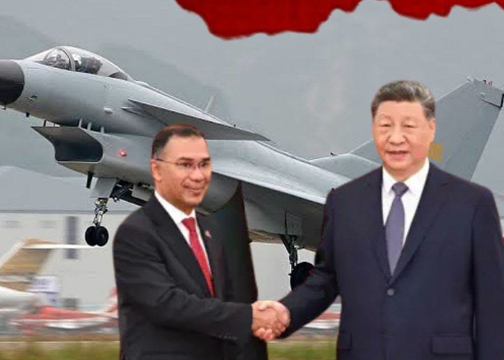
চীন থেকে ৪.৫ প্রজন্মের J-10C (বা রপ্তানি সংস্করণ J-10CE) বহুমুখী যুদ্ধবিমান ক্রয়ের চুক্তি চূড়ান্তকরণের প্রক্রিয়ায় বাংলাদেশের প্রতিরক্ষা ও বৈশ্বিক কূটনীতিতে এক ঐতিহাসিক পরিবর্তনের ইঙ্গিত স্পষ্ট হচ্ছে। প্রায় ২০ থেকে ২৪টি উন্নত যুদ্ধবিমান ক্রয়ের খসড়া চুক্তি এবং এর আনুমানিক ২.৩ বিলিয়ন ডলারের বাজেট বাংলাদেশ বিমানবাহিনীর ইতিহাসে সর্ববৃহৎ আধুনিকায়ন প্রকল্প হিসেবে গণ্য করা হচ্ছে।
তবে কেবল সামরিক দৃষ্টিকোণ থেকে নয়, ভূ-রাজনৈতিক সংকট এবং কৌশলগত ভারসাম্য রক্ষায় এই পদক্ষেপের সময় ও প্রাসঙ্গিকতা নিয়ে নতুন বিশ্লেষণ দেখা দিয়েছে।
বর্তমান আঞ্চলিক ও ভূ-রাজনৈতিক সংকট
১. বঙ্গোপসাগরের কৌশলগত প্রতিযোগিতা: ইন্দো-প্যাসিফিক অঞ্চলে যুক্তরাষ্ট্র, ভারত ও চীনের ত্রিমুখী প্রভাব বিস্তারের প্রতিযোগিতা চরম রূপ নিয়েছে। বিশেষ করে বঙ্গোপসাগর অঞ্চলে একক আধিপত্য প্রতিষ্ঠার লড়াই বৃদ্ধি পেয়েছে।
২. মিয়ানমার সীমান্ত অস্থিরতা: রোহিঙ্গা সংকট এবং মিয়ানমারের অভ্যন্তরে অভ্যন্তরীণ সংঘর্ষ বাংলাদেশ সীমান্তের জন্য বড় নিরাপত্তা ঝুঁকি তৈরি করেছে। বারবার আকাশসীমা লঙ্ঘনের ঘটনায় একটি আধুনিক ও কার্যকর বিমানবাহিনীর অভাব অনুভূত হয়েছে।
৩. ভারতের পূর্ব সীমান্তে সমীকরণ: ভারতের নীতি-নির্ধারকদের একাংশ বাংলাদেশকে পূর্বে সামরিক ফোকাস হিসেবে দেখছেন। যদিও বাংলাদেশ ভারতের শত্রুভাবাপন্ন বা তৃতীয় ফ্রন্ট নয়, কিন্তু অঞ্চলে চীনা সামরিক প্রযুক্তির মাত্রা বৃদ্ধি পাওয়াকে ভারতের সামরিক বিশ্লেষকরা ভিন্নমাত্রায় পর্যবেক্ষণ করছেন।
৪. বিশ্বজুড়ে আধুনিকায়নের ধারা: পাকিস্তান কর্তৃক J-10CE বিমান বহরে যুক্ত করা এবং আঞ্চলিক পর্যায়ে বিভিন্ন দেশের আকাশ প্রতিরক্ষা শক্তিশালী করার প্রেক্ষাপটে বাংলাদেশকে নিজেদের সক্ষমতা পুনর্মূল্যায়ন করতে হচ্ছে।
বাংলাদেশ বিমানবাহিনীর জন্য এই আধুনিকায়নের গুরুত্ব
বাংলাদেশ বিমানবাহিনী দীর্ঘদিন ধরে পুরনো এবং তৃতীয় প্রজন্মের F-7 যুদ্ধবিমানের ওপর নির্ভরশীল। ৪.৫ প্রজন্মের J-10C-তে রয়েছে আধুনিক Active Electronically Scanned Array (AESA) রাডার, উন্নত ইলেকট্রনিক যুদ্ধ সরঞ্জাম এবং Beyond Visual Range (BVR) ক্ষেপণাস্ত্র (যেমন PL-15) ব্যবহারের সক্ষমতা। এই যুদ্ধবিমান যুক্ত হলে বাংলাদেশের আকাশসীমা রক্ষা করার সক্ষমতা কয়েক গুণ বৃদ্ধি পাবে এবং যেকোনো বহিরাগত হুমকি বা সীমান্ত লঙ্ঘনের বিপরীতে দ্রুত প্রতিরোধ গড়ে তোলা সম্ভব হবে।
অর্থনৈতিক চাপ: বাংলাদেশের মতো উদীয়মান অর্থনীতির ওপর দুই বিলিয়ন ডলারের বেশি মূল্যের চুক্তি পরিচালনগত ব্যয় বাড়াবে, যা অন্যান্য প্রাথমিক সামাজিক-অর্থনৈতিক অগ্রাধিকারগুলোর ওপর প্রভাব ফেলতে পারে।
কূটনৈতিক ভারসাম্য রক্ষা: যুক্তরাষ্ট্রের মতো পশ্চিমা দেশ এবং ভারতের দৃষ্টিভঙ্গিকে সন্তুষ্ট রেখে একচেটিয়া চীনা সামরিক সরঞ্জামের ওপর নির্ভরশীল থাকাটা একটা সূক্ষ্ম কূটনৈতিক চ্যালেঞ্জ তৈরি করে।
কৌশলগত দৃষ্টিভঙ্গি
বাংলাদেশের এই পদক্ষেপ কোনো নির্দিষ্ট প্রতিবেশী দেশের বিরুদ্ধে আগ্রাসী কৌশল নয়; বরং এটি নিজস্ব প্রতিরক্ষা ব্যবস্থার দুর্বলতা দূর করার স্বাভাবিক আধুনিকায়ন প্রক্রিয়া। ভারতের পূর্ব সীমান্তে এটিকে একটি ভূ-রাজনৈতিক শক্তির পুনর্বিন্যাস হিসেবে দেখা হলেও বাংলাদেশের মূল লক্ষ্য নিজেদের সার্বভৌমত্ব রক্ষা, আকাশ প্রতিরক্ষা সুসংহত করা এবং বঙ্গোপসাগরে আঞ্চলিক নিরাপত্তার প্রধান অংশীদার হিসেবে নিজেকে তুলে ধরা।
লেখক: ড. আবুল হাসনাৎ মিল্টন,সাংবাদিক, রাজনৈতিক বিশ্লেষক ও প্রধান সম্পাদক, দ্যা সোর্স নিউজ বাংলা (The Source News Bangla)
Indications of a historic shift in Bangladesh's defense and global diplomacy are becoming clear with the process of finalizing a deal to purchase 4.5-generation J-10C (export version J-10CE) multirole fighter jets from China. The draft contract for acquiring approximately 20 to 24 advanced fighter jets and its estimated budget of $2.3 billion is being considered the largest modernization project in the history of the Bangladesh Air Force.
However, new analyses have emerged regarding the timing and relevance of this step, not merely from a military standpoint, but also in terms of managing geopolitical crises and maintaining strategic balance.
Current Regional and Geopolitical Crises
1. Strategic Competition in the Bay of Bengal: The three-way competition for influence among the United States, India, and China in the Indo-Pacific region has intensified dramatically. The struggle to establish dominance in the Bay of Bengal region, in particular, has escalated.
2. Myanmar Border Instability: The Rohingya crisis and internal conflicts within Myanmar have created major security risks along Bangladesh's border. Repeated airspace violations have underscored the lack of a modern and effective air force.
3. The Equation on India’s Eastern Border: A section of Indian policymakers views Bangladesh as a military focus in the east. Although Bangladesh is not a hostile power or a third front to India, Indian military analysts are observing the increasing footprint of Chinese military technology in the region through a different lens.
4. Global Modernization Trends: In the context of Pakistan integrating J-10CE aircraft into its fleet and regional powers strengthening their air defenses, Bangladesh is having to reassess its own capabilities.
Importance of this Modernization for the Bangladesh Air Force
The Bangladesh Air Force has long relied on aging third-generation F-7 fighter jets. The 4.5-generation J-10C features a modern Active Electronically Scanned Array (AESA) radar, advanced electronic warfare equipment, and Beyond Visual Range (BVR) missile capabilities (such as the PL-15). Incorporating these fighter jets will significantly enhance Bangladesh’s air defense capacity and enable rapid deterrence against external threats or airspace violations.
Economic Pressure: For an emerging economy like Bangladesh, a deal worth over $2 billion—along with its operational costs—will increase financial burdens, potentially impacting other socio-economic priorities.
Maintaining Diplomatic Balance: Relying heavily on Chinese military hardware presents a delicate diplomatic challenge while trying to satisfy the perspectives of India and Western nations like the United States.
Strategic Perspective
This move by Bangladesh is not an aggressive strategy directed against any specific neighboring country; rather, it is a natural modernization process aimed at addressing vulnerabilities in its own defense apparatus. Although it may be perceived as a geopolitical realignment on India's eastern border, Bangladesh's primary objective is to safeguard its sovereignty, consolidate its air defense, and project itself as a key regional security partner in the Bay of Bengal.
Author: Dr. Abul Hasnat Milton, Journalist, Political Analyst, and Editor-in-Chief, The Source News Bangla.