
পশ্চিম এশিয়ায় যুদ্ধের উত্তাপ, সংযম ও আলোচনার আহ্বান ভারতের
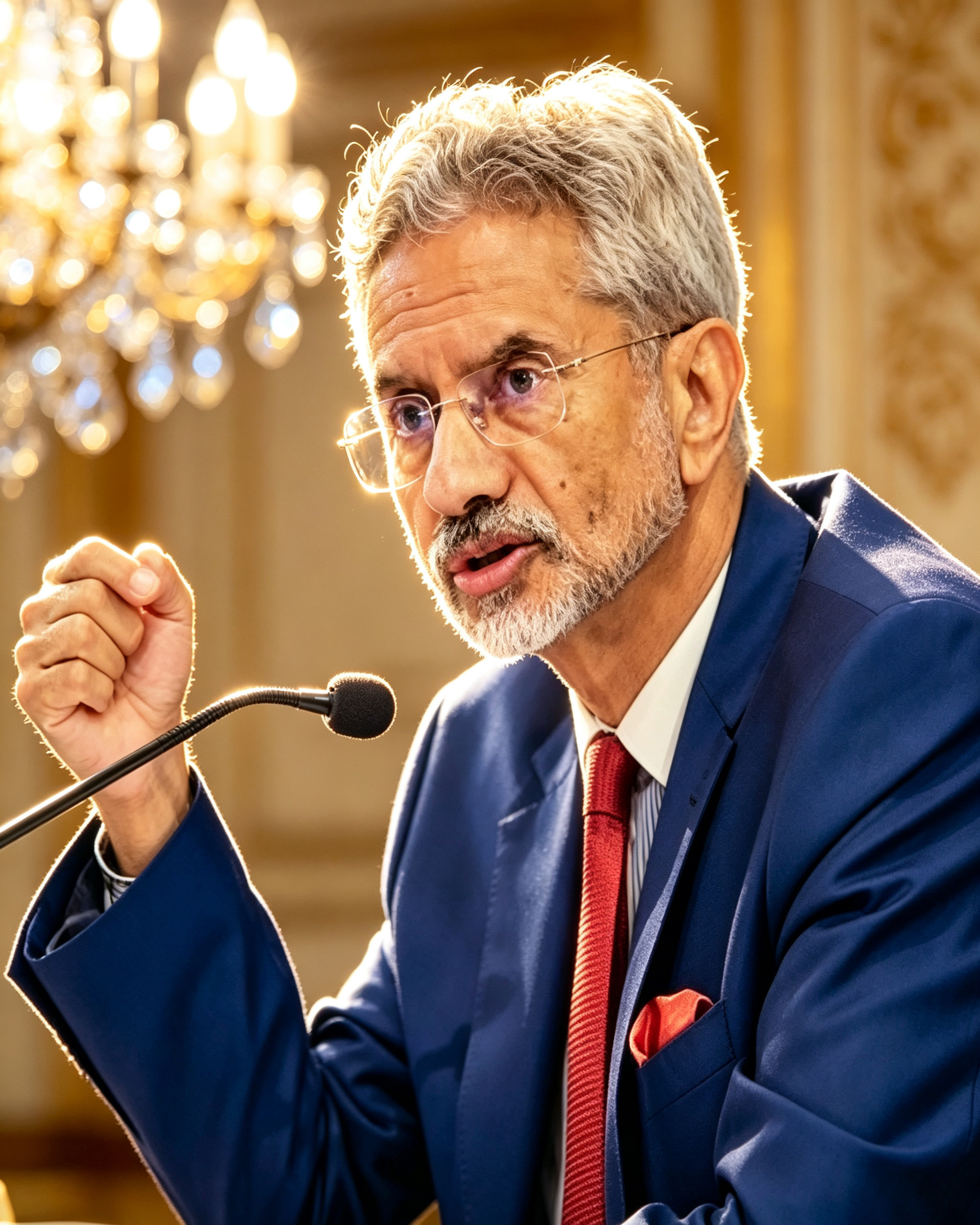
পশ্চিম এশিয়ায় যুক্তরাষ্ট্র ও ইরানের পাল্টাপাল্টি সামরিক হামলায় নতুন করে উত্তেজনা ছড়িয়ে পড়েছে। পরিস্থিতি নিয়ে গভীর উদ্বেগ প্রকাশ করে সব পক্ষকে সংযম প্রদর্শন এবং সংঘাতের পরিবর্তে আলোচনার পথে ফিরে আসার আহ্বান জানিয়েছে ভারত। ভারতের পররাষ্ট্র মন্ত্রণালয় এক বিবৃতিতে বলেছে, পশ্চিম এশিয়ার ক্রমবর্ধমান সংঘাত আঞ্চলিক শান্তি ও বৈশ্বিক নিরাপত্তার জন্য হুমকি হয়ে উঠছে। বিশেষ করে আন্তর্জাতিক জলপথ ও বাণিজ্যিক জাহাজে হামলার ঘটনায় বিশ্ব বাণিজ্য ও নৌ-নিরাপত্তা মারাত্মকভাবে বিঘ্নিত হওয়ার আশঙ্কা তৈরি হয়েছে। একই সঙ্গে বেসামরিক মানুষের নিরাপত্তা নিশ্চিত করার ওপরও গুরুত্বারোপ করেছে নয়াদিল্লি। মার্কিন হামলার জবাবে ইরানও পাল্টা আঘাত হেনেছে বলে বিভিন্ন আন্তর্জাতিক সূত্র জানিয়েছে। এর ফলে হরমুজ প্রণালি ও আশপাশের অঞ্চলে নিরাপত্তা পরিস্থিতি আরও অনিশ্চিত হয়ে উঠেছে। এমন প্রেক্ষাপটে ভারতের পররাষ্ট্রমন্ত্রী এস. জয়শঙ্কর ওমান, বাহরাইন ও কুয়েত সফর করছেন এবং কূটনৈতিক প্রচেষ্টা জোরদার করছেন। এদিকে সংঘাতের সরাসরি প্রভাব পড়তে শুরু করেছে বৈশ্বিক অর্থনীতিতে। আন্তর্জাতিক বাজারে অপরিশোধিত জ্বালানি তেলের দাম বেড়ে ব্যারেলপ্রতি প্রায় ৭৮.৭ ডলারে পৌঁছেছে। একই সঙ্গে শেয়ারবাজারে অস্থিরতা, মুদ্রার ওপর চাপ এবং প্রবৃদ্ধি নিয়ে উদ্বেগ বাড়ছে। অর্থনৈতিক বিশ্লেষকদের মতে, দীর্ঘমেয়াদি সংঘাত অব্যাহত থাকলে ভারতসহ এশিয়ার অর্থনীতিতে এর নেতিবাচক প্রভাব আরও গভীর হতে পারে।
সম্পর্কিত সংবাদ
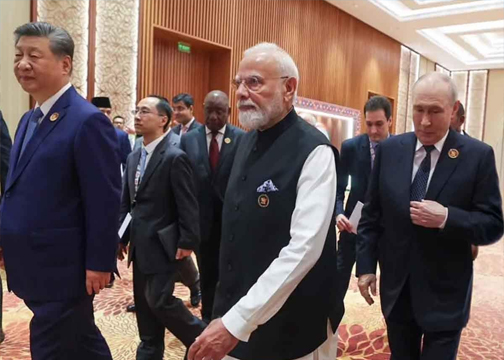
ব্রিকসে টানটান কূটনীতি! জিনপিংকে পাশে নিয়ে রাষ্ট্রসংঘে বদলের ডাক মোদির, বার্তা নেপাল নিয়েও
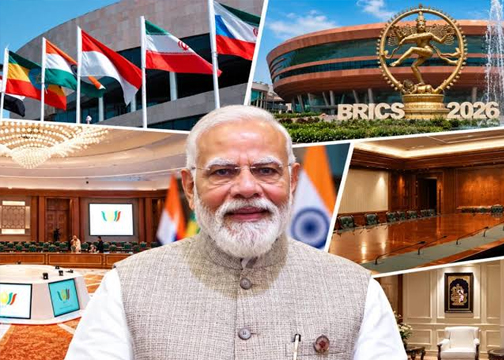
কূটনৈতিক মহাসঙ্কটে ইসলামাবাদ: ব্রিকসের ‘দিল্লি ঘোষণাপত্রে’ বিশ্বমঞ্চে কোণঠাসা পাকিস্তান
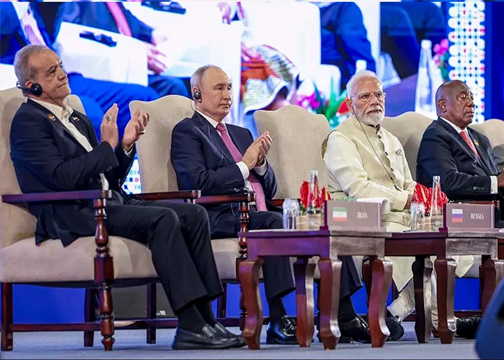
ডলারের সাম্রাজ্যে ধাক্কা: নিজ নিজ মুদ্রায় বাণিজ্যে ব্রিকসের ঐতিহাসিক পদক্ষেপ। মার্কিন অর্থনৈতিক আধিপত্যের বিকল্প: ‘দিল্লি ঘোষণা’ ও আন্তর্জাতিক বাণিজ্যের নতুন মোড়