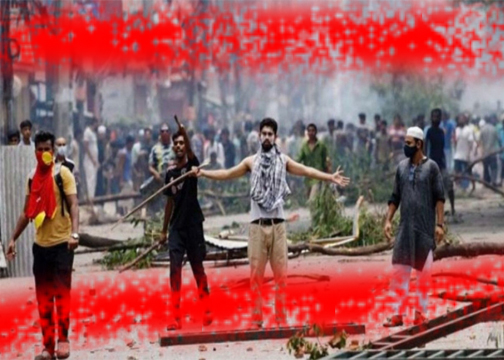
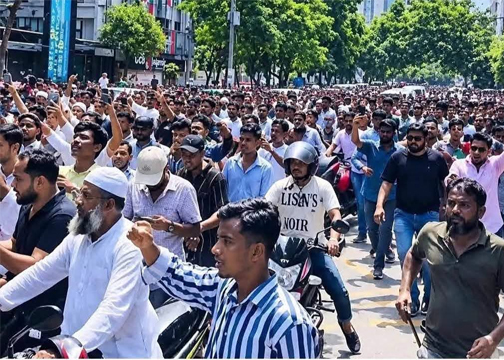
বাংলাদেশের জুলাই–আগস্ট ২০২৪-এর ঘটনাকে ঘিরে সবচেয়ে বড় বিতর্কগুলোর একটি এখন নিহতের প্রকৃত সংখ্যা এবং সেই তালিকা তৈরির প্রক্রিয়া। বিভিন্ন সময়ে সরকার, রাজনৈতিক সংগঠন, আন্তর্জাতিক সংস্থা ও গণমাধ্যম ভিন্ন ভিন্ন সংখ্যা প্রকাশ করেছে। এর ফলে একটি মৌলিক প্রশ্ন সামনে এসেছে—আসলে কতজন নিহত হয়েছিলেন এবং সরকারি গেজেটে অন্তর্ভুক্ত ব্যক্তিদের তালিকা কতটা নির্ভুল?
প্রশ্ন: নিহতের সংখ্যা নিয়ে এত বিভ্রান্তি কেন?
উত্তর: বিভিন্ন পক্ষ সম্পূর্ণ ভিন্ন তথ্য দিয়েছে। ২০২৪ সালের ৪ সেপ্টেম্বর তৎকালীন তথ্য উপদেষ্টা নাহিদ ইসলাম নিহতের সংখ্যা ৮০০ বলে দাবি করেন। পরে বৈষম্যবিরোধী ছাত্র আন্দোলন ১,৫৮১ জনের কথা জানায়। ২০২৫ সালের ৩ এপ্রিল সারজিস আলম বলেন নিহত ১,০০০ জন, আর একই দিনে হাসনাত আবদুল্লাহ দাবি করেন সংখ্যা ১,৪০০-এরও বেশি। অন্যদিকে জাতিসংঘের মানবাধিকার দপ্তর (OHCHR) তাদের প্রতিবেদনে জানায়, ১ জুলাই থেকে ১৫ আগস্টের মধ্যে সর্বোচ্চ ১,৪০০ জন নিহত হয়ে থাকতে পারেন। আবার প্রথম আলো ১৬ জুলাই থেকে ১৭ নভেম্বর পর্যন্ত সম্ভাব্য ৭৬৭ জনের মৃত্যুর কথা প্রকাশ করে। এসব পরস্পরবিরোধী তথ্যই বিতর্কের মূল কারণ।
প্রশ্ন: এসব সংখ্যার মধ্যে সবচেয়ে বড় অসঙ্গতি কোথায়?
উত্তর: প্রকাশিত কোনো তালিকাই স্পষ্টভাবে দেখায় না, ৫ আগস্টের আগে কতজন নিহত হয়েছেন, কারা নিরাপত্তা বাহিনীর অভিযানে প্রাণ হারিয়েছেন এবং কারা পরবর্তী সময়ে অন্য কারণে মারা গেছেন। ফলে একই ঘটনাকে কেন্দ্র করে একাধিক ভিন্ন সংখ্যা সামনে এলেও তার পদ্ধতিগত ব্যাখ্যা এখনো পরিষ্কার নয়।
প্রশ্ন: গোয়েন্দা সূত্র ও অনুসন্ধানী প্রতিবেদনে কী দাবি করা হয়েছে?
উত্তর: বিভিন্ন গোয়েন্দা সূত্রের দাবি, ৫ আগস্টের আগের মৃত্যুর সংখ্যা অতিরঞ্জিত করা হয়েছে। একই সঙ্গে সাম্প্রতিক মাসগুলোতে বিভিন্ন সংবাদপত্র, সাংবাদিক, অবসরপ্রাপ্ত পুলিশ কর্মকর্তা এবং বেসরকারি অনুসন্ধানী দলের অনুসন্ধানে অভিযোগ করা হয়েছে যে, জুলাই শহীদ গেজেটে অন্তর্ভুক্ত অনেক ব্যক্তির মৃত্যু শেখ হাসিনা সরকার ক্ষমতায় থাকার সময় নয়, বরং সরকার পরিবর্তনের পর ঘটেছে।
প্রশ্ন: গেজেট প্রস্তুত নিয়ে কী ধরনের অভিযোগ উঠেছে?
উত্তর: সমালোচকদের অভিযোগ, যথাযথ যাচাই-বাছাই ছাড়াই অথবা ইচ্ছাকৃতভাবে এমন ব্যক্তিদেরও তালিকায় অন্তর্ভুক্ত করা হয়েছে, যাদের মৃত্যু কোটা আন্দোলনের সঙ্গে সম্পর্কিত ছিল না কিংবা ২০২৪ সালের ৫ আগস্টের পর দুর্ঘটনা বা অন্য কারণে ঘটেছে। যদি এ অভিযোগ সত্য হয়, তাহলে গেজেটের বিশ্বাসযোগ্যতা নিয়ে গুরুতর প্রশ্ন তৈরি হয়।
প্রশ্ন: আন্তর্জাতিক অপরাধ ট্রাইব্যুনালের (আইসিটি) তদন্ত নিয়ে কী বিতর্ক রয়েছে?
উত্তর: সমালোচকদের দাবি, অন্তর্বর্তী সরকারের আইন, স্বাস্থ্য ও স্বরাষ্ট্র মন্ত্রণালয়ের সহযোগিতায় আইসিটির প্রসিকিউশন টিম জুলাই–আগস্টের ঘটনাকে গণহত্যা হিসেবে উপস্থাপনের জন্য ব্যাপক প্রচেষ্টা চালায় এবং সেই প্রক্রিয়ায় জাতিসংঘের মানবাধিকার দপ্তরে বিকৃত বা অসম্পূর্ণ তথ্য সরবরাহ করা হয়। তবে এই অভিযোগের বিষয়ে সংশ্লিষ্ট কর্তৃপক্ষের আনুষ্ঠানিক অবস্থান আলাদাভাবে বিবেচ্য।
প্রশ্ন: জাতিসংঘের প্রতিবেদনাকে ঘিরে প্রশ্ন কোথায়?
উত্তর: সমালোচকদের মতে, জাতিসংঘের মানবাধিকার দপ্তর স্বাধীনভাবে সব তথ্য যাচাই না করেই "সর্বোচ্চ ১,৪০০ জন নিহত হয়ে থাকতে পারেন"—এমন মূল্যায়ন প্রকাশ করেছে। একই প্রতিবেদনে উল্লেখ করা হয় যে, আইসিটির রায় কোনো আদালতে স্বয়ংক্রিয়ভাবে প্রমাণ হিসেবে ব্যবহারযোগ্য নয়। ফলে ওই প্রতিবেদনের ওপর ভিত্তি করে নিহতের নির্ভুল সংখ্যা নির্ধারণ করা কঠিন বলে অনেকে মনে করছেন।
প্রশ্ন: তাহলে কি এখনো প্রকৃত নিহতের সংখ্যা নিশ্চিত নয়?
উত্তর: প্রকাশিত তথ্য অনুযায়ী, এখনো নিশ্চিতভাবে বলা যাচ্ছে না—কতজন কোটা আন্দোলনের সঙ্গে সংশ্লিষ্ট শিক্ষার্থী নিহত হয়েছেন, কতজন ৫ আগস্টের আগে মারা গেছেন এবং কতজন পরবর্তী সময়ের ঘটনায় প্রাণ হারিয়েছেন। এই মৌলিক প্রশ্নগুলোর সুস্পষ্ট উত্তর এখনো প্রকাশ্যে আসেনি।
প্রশ্ন: স্নাইপার ব্যবহারের বিতর্ক কেন গুরুত্বপূর্ণ?
উত্তর: সাবেক অন্তর্বর্তী স্বরাষ্ট্র উপদেষ্টা ব্রিগেডিয়ার (অব.) সাখাওয়াত হোসেন একাধিকবার বলেছেন, পুলিশের কাছে ৭.৬২ মিলিমিটার গোলাবারুদ বা স্নাইপার রাইফেল ছিল না। তাঁর দাবি, অজ্ঞাত পরিচয়ের স্নাইপাররা দূরপাল্লার অস্ত্র ব্যবহার করে বহু গুলি চালিয়েছিল। অন্যদিকে জাতিসংঘের মানবাধিকার দপ্তরের প্রতিবেদনে বলা হয়েছে, জুলাই–আগস্টের অধিকাংশ মৃত্যু ৭.৬২ মিলিমিটার স্নাইপার গোলাবারুদের কারণে হয়েছে। এই দুই বক্তব্যের মধ্যে স্পষ্ট অসঙ্গতি থাকায় বিষয়টি আরও তদন্তের দাবি রাখে।
প্রশ্ন: ‘ওয়াটার বয়’ মুগ্ধর মৃত্যু কেন আলোচনায়?
উত্তর: আন্দোলনের সময় "ওয়াটার বয়" হিসেবে পরিচিত মুগ্ধর মৃত্যু এখনো বিতর্কের বিষয়। বিভিন্ন বিশ্লেষণে দাবি করা হয়েছে, কিছু ভিডিওতে দেখা যায় তিনি দূরপাল্লার গুলিতে আঘাতপ্রাপ্ত হন, যখন ঘটনাস্থলে থাকা পুলিশ সদস্যরা যথেষ্ট দূরে অবস্থান করছিলেন। তবে এ বিষয়ে এখনো চূড়ান্ত ও সর্বজনস্বীকৃত তদন্ত প্রতিবেদন প্রকাশিত হয়নি।
প্রশ্ন: এই পুরো বিতর্কের মূল প্রশ্ন কী?
উত্তর: সবচেয়ে বড় প্রশ্ন হলো—জুলাই শহীদ গেজেটে অন্তর্ভুক্ত প্রত্যেক ব্যক্তির পরিচয়, মৃত্যুর তারিখ, মৃত্যুর কারণ এবং ঘটনার সঙ্গে তাদের সম্পর্ক কি স্বাধীন ও নিরপেক্ষভাবে যাচাই করা হয়েছে? নিহতের সংখ্যা নিয়ে পরস্পরবিরোধী দাবি, গেজেটের তালিকা নিয়ে অভিযোগ, স্নাইপার বিতর্ক এবং আন্তর্জাতিক প্রতিবেদনের সীমাবদ্ধতা—সব মিলিয়ে একটি স্বচ্ছ, স্বাধীন ও গ্রহণযোগ্য তদন্তের দাবি আরও জোরালো হয়ে উঠেছে।
লেখক: ড.আবুল হাসনাৎ মিল্টন, প্রধান সম্পাদক, দ্যা সোর্স নিউজ বাংলা
One of the most contentious issues surrounding the July–August 2024 events in Bangladesh is the actual number of people who died and the process used to compile the official list of martyrs. Over time, the government, political organizations, international bodies, and media outlets have all published different casualty figures, raising a fundamental question: How many people actually died, and how accurate is the government's July Martyrs Gazette?
Question: Why is there so much confusion over the death toll?
Answer: Different stakeholders have reported significantly different figures. On September 4, 2024, then Information Adviser Nahid Islam claimed that 800 people had been killed during the movement. Later, the Anti-Discrimination Student Movement said the death toll had reached 1,581. On April 3, 2025, coordinator Sarjis Alam stated that 1,000 people had died, while on the same day coordinator Hasnat Abdullah claimed the figure exceeded 1,400. Meanwhile, the UN Human Rights Office (OHCHR) reported that up to 1,400 people may have been killed between July 1 and August 15, 2024. In contrast, Prothom Alo reported that 767 people may have died between July 16 and November 17, 2024. These conflicting figures have become the central source of controversy.
Question: What is the biggest inconsistency among these figures?
Answer: None of the published lists clearly identifies how many people died before August 5, who was allegedly killed by state security forces, and who died later under different circumstances. As a result, although multiple casualty figures have been presented, the methodology behind them remains unclear.
Question: What have intelligence sources and independent investigations claimed?
Answer: According to several intelligence sources, the number of deaths reported before August 5 was exaggerated. In addition, investigations conducted in recent months by newspapers, journalists, retired police officers, and private investigative groups have alleged that many individuals included in the July Martyrs Gazette died only after Sheikh Hasina had left office following the change of government.
Question: What allegations have been made regarding the preparation of the Gazette?
Answer: Critics allege that the Gazette included individuals without proper verification—or even deliberately included people whose deaths were unrelated to the quota movement or occurred accidentally or under other circumstances after August 5, 2024. If these allegations are accurate, they raise serious questions about the credibility of the Gazette.
Question: What is the controversy surrounding the International Crimes Tribunal (ICT) investigation?
Answer: Critics claim that, with the cooperation of the Ministries of Law, Health, and Home Affairs under the interim government, the ICT prosecution team made extensive efforts to portray the July–August killings as genocide and, in the process, supplied distorted or incomplete information to the UN Human Rights Office. The authorities concerned have not accepted these allegations, and their official position remains a matter of public record.
Question: Why has the UN report also come under scrutiny?
Answer: According to critics, the UN Human Rights Office published its assessment that up to 1,400 people may have been killed without independently verifying all the information it received. The report also stated that an ICT judgment could not automatically be treated as evidence in a court of law. Consequently, many observers argue that the report alone cannot establish the exact number of fatalities.
Question: Has the actual death toll still not been established?
Answer: Based on the information currently available, it is still not possible to determine with certainty how many students associated with the quota movement were killed, how many deaths occurred before August 5, and how many took place afterward under different circumstances. These fundamental questions remain unanswered.
Question: Why is the sniper controversy significant?
Answer: Former interim Home Affairs Adviser Brigadier (Retd.) Sakhawat Hossain has repeatedly stated that the police did not possess 7.62 mm ammunition or sniper rifles. He has alleged that unidentified snipers using long-range weapons were responsible for many of the shootings. In contrast, the UN Human Rights Office reported that most of the July–August deaths resulted from 7.62 mm sniper ammunition. The apparent contradiction between these accounts has intensified calls for further investigation.
Question: Why does the death of "Water Boy" Mugdha remain controversial?
Answer: The death of Mugdha, widely known during the movement as the "Water Boy," remains unresolved. Some analyses have claimed that video footage appears to show him being struck by a long-range shot while police officers were positioned at a considerable distance. However, no final or universally accepted investigative report has yet been published regarding the circumstances of his death.
Question: What is the central issue at the heart of this controversy?
Answer: The fundamental question is whether the identity, date of death, cause of death, and connection to the July movement of every individual listed in the July Martyrs Gazette were independently and impartially verified. The conflicting casualty figures, allegations surrounding the Gazette, the sniper controversy, and the limitations of existing international assessments have together strengthened calls for a transparent, independent, and credible investigation.
Author: Dr. Abul Hasnat Milton, Editor-in-Chief, The Source News Bangla