১৫ আগস্টের ইতিহাসের নির্মম হত্যাকাণ্ড নিয়ে লিখতে বসলেই নিজের প্রতি এক ধরনের ঘৃণা জন্মায়—আমি কেন এমন একটি জাতির সন্তান হিসেবে জন্মেছি? যে জাতির অনেকে তাদের ইতিহাসের রচয়িতা, জাতির পিতাকে শুধু অশ্রদ্ধাই করে না, তাঁকে স্বীকার ও সম্মান করতেও জানে না।
কখনো কখনো মনে হয়, আফ্রিকার কোনো অতি ছোট ও দরিদ্র দেশও তাদের জাতীয় ইতিহাস, আত্মত্যাগ ও জাতীয় বীরদের প্রতি আমাদের চেয়ে বেশি শ্রদ্ধাশীল। এমনকি আফ্রিকান দেশ ঘানার জাতির পিতা কোয়ামে এনক্রুমাহর প্রতি সকল রাজনৈতিক মতাদর্শের ঊর্ধ্বে উঠে সবার শ্রদ্ধা ও সম্মান অসাধারণ। এখানে ভারত, পাকিস্তান, তুরস্ক, আমেরিকার জনগণ তাদের জাতীয় পিতাকে যে সম্মান করে তার সঙ্গে তুলনা না-ই করলাম। পৃথিবীর সকল দেশে জাতির মহান নেতাদের সকল বিতর্কের ঊর্ধ্বে রেখে শ্রদ্ধা জ্ঞাপন করা হয়; সেই থেকে জন্ম নেয় সেই জাতির ঐক্য ও সংহতি।
একটি জাতি শুধু অর্থনীতি, অবকাঠামো কিংবা ক্ষমতার পরিবর্তনের মধ্য দিয়ে বড় হয় না; একটি জাতি বড় হয় তার ইতিহাসকে সম্মান করার মধ্য দিয়ে, যারা জাতির জন্য জীবন দিয়েছেন, তাঁদের আত্মত্যাগের মর্যাদা রক্ষা করার মধ্য দিয়ে।
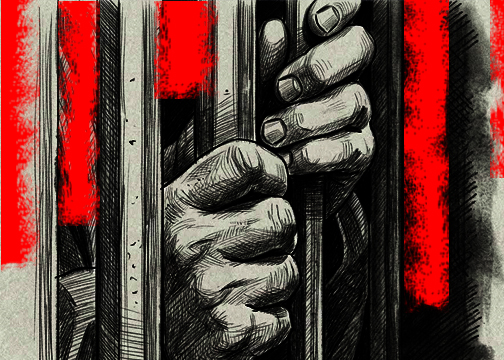
আজ ২০২৬ সালে, স্বাধীনতার ৫৫ বছর পরও আমাদের সেই মৌলিক প্রশ্নটির মুখোমুখি হতে হচ্ছে—আমরা কি সত্যিই আমাদের ইতিহাসকে সম্মান করতে শিখেছি? আমরা কি জাতির পিতার দীর্ঘ ত্যাগ স্বীকার করতে পেরেছি? যৌবনের দীর্ঘ ১২ বছরেরও বেশি সময় কারাগারের অন্ধকারে থাকতে হয়েছে তাঁকে। তাঁর সেই ত্যাগের প্রতিদানে আমরা স্বাধীনতা পেয়েছি; কিন্তু এর বিনিময়ে তাঁর প্রতি ন্যূনতম শ্রদ্ধাটুকুও কি জাতি হিসেবে দিতে পেরেছি?
ক্ষমতার পালাবদলের সঙ্গে সঙ্গে আমরা ইতিহাসের সত্য চরিত্রগুলোকে নতুন করে তৈরি করি—কখনো কাউকে দেবতা বানাই, আবার কখনো রাজনৈতিক প্রতিহিংসায় মিথ্যা দিয়ে ইতিহাস থেকেই মুছে ফেলতে চাই।
বাংলাদেশের স্বাধীনতা কোনো বিচ্ছিন্ন দিনের ঘটনা ছিল না। এর পেছনে ছিল দীর্ঘ রাজনৈতিক ও সাংস্কৃতিক আন্দোলনের ইতিহাস। ছিল পাকিস্তানি শাসকগোষ্ঠীর অর্থনৈতিক, সামাজিক ও সাংস্কৃতিক বৈষম্যের বিরুদ্ধে দীর্ঘ সংগ্রাম।
১৯৫২-এর ভাষা আন্দোলন, ১৯৫৪-এর নির্বাচন, ১৯৬২-এর শিক্ষা আন্দোলন, ১৯৬৬-এর ছয় দফা, ১৯৬৯-এর গণঅভ্যুত্থান, ১৯৭০-এর নির্বাচন—প্রতিটি ধাপ বাঙালির রাজনৈতিক আত্মপরিচয়কে আরও শক্তিশালী করেছে।
এই দীর্ঘ সংগ্রামের কেন্দ্রীয় রাজনৈতিক নেতৃত্বের প্রধান ছিলেন বঙ্গবন্ধু শেখ মুজিবুর রহমান। তাঁর নেতৃত্বে আওয়ামী লীগ পূর্ব বাংলার মানুষের রাজনৈতিক ন্যায্য অধিকার ও স্বায়ত্তশাসনের দাবিকে একটি সুসংগঠিত গণআন্দোলনে রূপ দেয়।
১৯৭০ সালের নির্বাচনে আওয়ামী লীগের নিরঙ্কুশ বিজয়ের পরও পাকিস্তানের সামরিক ও রাজনৈতিক ক্ষমতাকাঠামো জনগণের নির্বাচনী রায় মেনে ক্ষমতা হস্তান্তর করেনি। শুধু তাই নয়, পাকিস্তানি জাতীয় পরিষদের সংখ্যাগরিষ্ঠ নেতা হিসেবে প্রধানমন্ত্রী হিসেবে সরকার গঠন করতে না দিয়ে ২৫ মার্চ রাতে পাকিস্তানি সেনাবাহিনী ঢাকাসহ সারা পূর্ব বাংলার নিরীহ মানুষের ওপর আক্রমণ চালায়; হাজার হাজার নিরীহ মানুষকে হত্যা করে। এর পরিণতিতেই ২৬ মার্চ বঙ্গবন্ধু স্বাধীনতা ঘোষণা করেন। আত্মরক্ষার্থে বাঙালি বঙ্গবন্ধুর ডাকে সশস্ত্র মুক্তিযুদ্ধে ঝাঁপিয়ে পড়ে।
যুদ্ধবিধ্বস্ত বাংলাদেশকে যখন মাত্র সাড়ে তিন বছরে সার্বিক পুনর্গঠন করে একটি আত্মমর্যাদাশীল জাতি হিসেবে প্রতিষ্ঠার জন্য আপ্রাণ প্রচেষ্টা চালিয়ে যাচ্ছিলেন, ঠিক তখনই দেশি-বিদেশি সাম্রাজ্যবাদী শক্তি এক হয়ে—
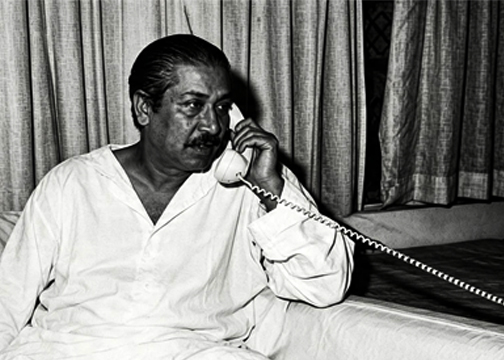
১৯৭৫ সালের ১৫ আগস্ট বাংলাদেশের ইতিহাসে এক নির্মম হত্যাকাণ্ড সংঘটিত করে। বঙ্গবন্ধু শেখ মুজিবুর রহমান এবং তাঁর পরিবারের বহু সদস্যকে নির্মমভাবে হত্যা করা হয়।
এই হত্যাকাণ্ড শুধু একজন রাষ্ট্রপতির মৃত্যু ছিল না; এটি ছিল সদ্য স্বাধীন একটি রাষ্ট্রের রাজনৈতিক স্বাধীনতার ওপর এক গভীর আঘাত। তা ছিল পৃথিবীর নিপীড়িত-নির্যাতিত মানুষের নেতৃত্বের প্রতি সাম্রাজ্যবাদী শক্তির আঘাত, বাংলাদেশের স্বাধীনতা সংগ্রামের পরাজিত বিরোধীদের প্রতিশোধ।
বঙ্গবন্ধু বলেছিলেন, “বিশ্ব আজ দুই ভাগে বিভক্ত—শোষক এবং শোষিত। আমি শোষিতের পক্ষে।”
তৎকালীন বিশ্বরাজনীতির প্রেক্ষাপটে বঙ্গবন্ধুর মতো বিশ্বের অনেক জাতীয়তাবাদী নেতাও হত্যার শিকার হয়েছেন। বিশ্ব ইতিহাসে জাতির ভাগ্য পরিবর্তনকারী বহু নেতাকে রাজনৈতিক ষড়যন্ত্র, সামরিক অভ্যুত্থান কিংবা সন্ত্রাসী হামলার মাধ্যমে হত্যা করা হয়েছে।
১৯৭০-এর দশক ছিল বিশেষভাবে অস্থির একটি সময়। সৌদি আরবের বাদশাহ ফয়সাল, চাদের রাষ্ট্রপতি ফ্রাঁসোয়া তম্বালবায়ে, আফগানিস্তানের রাষ্ট্রপতি মোহাম্মদ দাউদ খান, ইতালির সাবেক প্রধানমন্ত্রী আলদো মোরো, পাকিস্তানের সাবেক প্রধানমন্ত্রী জুলফিকার আলী ভুট্টো এবং দক্ষিণ কোরিয়ার রাষ্ট্রপতি পার্ক চুং-হিসহ বহু গুরুত্বপূর্ণ নেতা রাজনৈতিক সহিংসতার শিকার হন। এই ধারাবাহিকতার মধ্যেই ১৯৭৫ সালের ১৫ আগস্ট বাংলাদেশের প্রতিষ্ঠাতা নেতা বঙ্গবন্ধু শেখ মুজিবুর রহমানের হত্যাকাণ্ড সংঘটিত হয়।
বঙ্গবন্ধুর হত্যাকাণ্ডের ঐতিহাসিক গুরুত্ব শুধু এই কারণে নয় যে তিনি একজন রাষ্ট্রপ্রধান ছিলেন। তাঁর হত্যার বিশেষ তাৎপর্য হলো—তিনি ছিলেন এমন একটি রাষ্ট্রের স্থপতি, যার স্বাধীনতা অর্জনের রাজনৈতিক সংগ্রামের কেন্দ্রে তিনি কয়েক দশক ধরে অবস্থান করেছিলেন।
পাকিস্তানি শাসনের বিরুদ্ধে বাঙালির স্বাধিকার আন্দোলন, ছয় দফা, ১৯৭০-এর নির্বাচন এবং ১৯৭১-এর মুক্তিযুদ্ধ—বাংলাদেশের রাষ্ট্রজন্মের প্রতিটি গুরুত্বপূর্ণ রাজনৈতিক বাঁকে তাঁর নেতৃত্ব ছিল কেন্দ্রীয়। ফলে ১৫ আগস্টের হত্যাকাণ্ডকে কেবল একজন রাষ্ট্রপতির হত্যাকাণ্ড হিসেবে দেখলে এর ঐতিহাসিক গভীরতা পুরোপুরি বোঝা যায় না; এটি ছিল সদ্য স্বাধীন একটি রাষ্ট্রের প্রতিষ্ঠাতা নেতৃত্বের ওপর একটি প্রাণঘাতী আঘাত।
আর যে মূল্যবোধ ও রাজনৈতিক আদর্শের জন্য মুক্তিযুদ্ধ করে দেশকে স্বাধীন করা হয়েছিল, তা ধ্বংস করে পাকিস্তানি ভাবধারায় রাষ্ট্র প্রতিষ্ঠা করে ৭১-এর পরাজয়ের প্রতিশোধ নেওয়াই ছিল উদ্দেশ্য।
আরও গুরুত্বপূর্ণ হলো হত্যাকাণ্ডের পরবর্তী ঘটনা। ১৫ আগস্টের মাত্র কয়েক মাসের মধ্যে, ৩ নভেম্বর ১৯৭৫ সালে, ঢাকা কেন্দ্রীয় কারাগারে মুক্তিযুদ্ধকালীন সরকারের চার শীর্ষ নেতা—সৈয়দ নজরুল ইসলাম, তাজউদ্দীন আহমদ, ক্যাপ্টেন এম. মনসুর আলী এবং এ.এইচ.এম. কামারুজ্জামান—নিহত হন। অর্থাৎ ১৯৭৫ সালের ঘটনাপ্রবাহ শুধু একজন নেতার মৃত্যুর মধ্যে সীমাবদ্ধ ছিল না; বাংলাদেশের স্বাধীনতার রাজনৈতিক নেতৃত্বের একটি গুরুত্বপূর্ণ অংশও সহিংসতার শিকার হয়েছিল, যাতে করে মুক্তিযুদ্ধের চেতনা ও আকাঙ্ক্ষা আর কোনো দিন মাথাচাড়া দিয়ে উঠতে না পারে।
এরপর বাংলাদেশের রাজনীতিতে যে পরিবর্তনগুলো আসে, তা দেশের রাজনৈতিক ইতিহাসকে আমূল বদলে দেয়। পরবর্তী সময়ে ক্ষমতার কাঠামো, সংবিধান, রাজনৈতিক আদর্শ, রাষ্ট্রের ভাষা এবং জাতীয় ইতিহাসের ব্যাখ্যা—সবকিছুতেই পরিবর্তনের ছাপ পড়ে।
দীর্ঘ সামরিক শাসন শুধু আমাদের রাজনৈতিক প্রতিষ্ঠানগুলোকে দুর্বল করেনি; ধীরে ধীরে আমাদের নৈতিকতা, সাংস্কৃতিক মূল্যবোধ ও রাজনৈতিক সংস্কৃতিকেও ক্ষতিগ্রস্ত করেছে। সেই শূন্যস্থান দখল করেছে অপসংস্কৃতি, দুর্নীতি এবং নীতিহীন রাজনীতি।
আজ বাংলাদেশে নীতি ও নৈতিকতা যেন জাদুঘরে তুলে রাখা কোনো বিস্মৃত মূল্যবোধে পরিণত হয়েছে। আজ বাংলাদেশে রাজনৈতিক, সামাজিক ও সাংস্কৃতিক যে অবক্ষয়, তা তারই প্রতিফলন। আর তার সবকিছুই অধঃপতন হয়েছে বঙ্গবন্ধুকে হত্যার মধ্য দিয়ে।
বিশেষ করে ২০২৪ সালের ৫ আগস্টের পর মনে হচ্ছে, রাষ্ট্র ও রাজনীতির একটি অংশে একটি নির্দিষ্ট বয়ান প্রতিষ্ঠার চেষ্টা চলছে—যেন শেখ মুজিবুর রহমানই বাংলাদেশের সব সমস্যার মূল এবং তাঁর নাম, তাঁর রাজনৈতিক আদর্শ ও তাঁর ঐতিহাসিক অবদান মুছে ফেললেই বাংলাদেশের সব সংকটের সমাধান হয়ে যাবে।
বাংলাদেশকে স্বাধীন করে শেখ মুজিব যেন মহা অন্যায় করেছেন! ছি, বাংলাদেশ—আজ তোমাদের রাষ্ট্রীয় প্রচার দেখে পাকিস্তানি হানাদার বাহিনীও লজ্জা পাচ্ছে।
মুজিব আদর্শে বিশ্বাসী অসংখ্য মানুষ আজ নানা ধরনের রাজনৈতিক ও সামাজিক অত্যাচারের শিকার হচ্ছেন। মানুষকে মধ্যযুগের মতো পুড়িয়ে হত্যা করা হচ্ছে। ‘জয় বাংলা’ এবং বঙ্গবন্ধু শেখ মুজিবুর রহমানের নামও আজ রাজনৈতিক বিতর্ক ও নিষেধাজ্ঞার বিষয় হয়ে দাঁড়িয়েছে। আজ মহান মুক্তিযুদ্ধ ও মুক্তিযোদ্ধাদের নিকৃষ্টভাবে উপস্থাপন করা হচ্ছে, আর আজ সবকিছুই হচ্ছে রাষ্ট্রীয় পৃষ্ঠপোষকতায়।
যে আওয়ামী লীগের নেতৃত্বে বাংলাদেশের স্বাধীনতার সংগ্রাম পরিচালিত হয়েছিল, যে দলের নেতৃত্বে একটি জাতি স্বাধীন রাষ্ট্র প্রতিষ্ঠা করেছিল, সেই দল আজ নিষিদ্ধ। এটি নিঃসন্দেহে বাংলাদেশের ইতিহাসের এক গভীর ও বেদনাদায়ক রাজনৈতিক ইতিহাস হয়ে থাকবে। আগামী দিনের এই দেশের রাজনীতিকে আরও কঠিন করে তুলবে। দেশে শান্তি-স্থিতিশীলতার পরিবর্তে হিংসা ও প্রতিশোধের রাজনীতির পুনরাবৃত্তি হবে।
আর বড় প্রশ্ন হলো—যে সংবিধানের অধীনেই আজ রাষ্ট্র পরিচালিত হচ্ছে, সেই সংবিধানে বঙ্গবন্ধু শেখ মুজিবুর রহমানকে আজও জাতির পিতা হিসেবে স্বীকৃতি দেওয়া হয়েছে। তাহলে সেই একই সংবিধানের অধীনে রাষ্ট্র পরিচালনা করে তাঁর ঐতিহাসিক অবস্থানকে অস্বীকার, অসম্মান বা মুছে ফেলার চেষ্টা করে বর্তমান সরকার কোন সাংবিধানিক ও আইনগত ভিত্তির ওপর দাঁড়িয়ে আছে?
এই জঘন্য মিথ্যাচারের সরকার শুধু অবৈধ ক্ষমতা দখল করার জন্যই সংবিধানের অপব্যাখ্যা করে। আমাদের আগামী প্রজন্মের প্রশ্নের কী উত্তর দিতে হবে?
“তোমরা স্বাধীনতা পেয়েছিলে যাঁদের সংগ্রাম ও ত্যাগে, তাঁদেরই কেন তোমরা তোমাদের রাজনৈতিক সুবিধার জন্য ইতিহাস থেকে মুছে ফেলতে চেয়েছিলে?”
আর জঘন্য ইতিহাসের মিথ্যাচারের ফলে বিশ্বে বাঙালির কোনো আত্মমর্যাদা থাকবে না। যে দেশ তার জাতির পিতা ও দেশের শ্রেষ্ঠ সন্তানদের অসম্মান করে, পৃথিবীতে সেই জাতি নিকৃষ্ট জাতি হিসেবে গণ্য হবে। আর যারা এর নেতৃত্ব দিচ্ছে, তারাও ইতিহাসের আস্তাকুঁড়ে নিক্ষিপ্ত হবে।
আর যত দিন বঙ্গবন্ধু ও তাঁর অবদানকে রাজনীতির ঊর্ধ্বে উঠে যথাযথ সম্মান দিতে পারব না, তত দিন জাতি হিসেবে, দেশ হিসেবে বিশ্বের কাছে মাথা উঁচু করে দাঁড়াতে পারব না। আর মাথা উঁচু করে কেউ কোনো দিন বলবে না—আমি বাঙালি, বাংলাদেশ আমার দেশ। বাংলাদেশ হয়ে পড়বে একটি অকার্যকর রাষ্ট্র।
লেখক: শচীন বাঙালি, কলামিস্ট ও রাজনৈতিক বিশ্লেষক।
Whenever I sit down to write about the brutal assassinations of August 15, a sense of self-loathing creeps in—why was I born as a child of such a nation? A nation where many not only disrespect their history's architect and the Father of the Nation, but also fail to recognize and honor him.
Sometimes it feels as though even the smallest and poorest African nations hold more respect for their national history, sacrifices, and national heroes than we do. Even in the African country of Ghana, the reverence and respect shown to the Father of the Nation, Kwame Nkrumah, transcended all political ideologies and remains extraordinary. I will not even draw comparisons with how the people of India, Pakistan, Turkey, or America honor their respective Fathers of the Nation. Across the globe, great national leaders are held above all controversy; it is from this very reverence that a nation's unity and solidarity are born.
A nation does not become great merely through economic growth, infrastructure, or shifts in power. A nation becomes great by respecting its history and preserving the dignity of the sacrifices made by those who gave their lives for it.
Today, in 2026, even after 55 years of independence, we are forced to face that fundamental question—have we truly learned to respect our history? Have we been able to honor the long sacrifices of the Father of the Nation? He had to spend more than 12 long years of his youth in the darkness of prison. In return for those sacrifices, we gained independence; but as a nation, have we given him even the bare minimum respect in return?
With every change of power, we rewrite historical figures—sometimes elevating someone to a deity, and at other times attempting to erase them from history altogether out of political vengeance.
The independence of Bangladesh was not an isolated event of a single day. Behind it lay a long history of political and cultural movements. It was a prolonged struggle against the economic, social, and cultural discrimination of the Pakistani ruling elite.
The Language Movement of 1952, the elections of 1954, the Education Movement of 1962, the Six-Point Demand of 1966, the Mass Upsurge of 1969, and the General Elections of 1970—each step reinforced the political self-identity of the Bengalis.
At the central political helm of this long struggle was Bangabandhu Sheikh Mujibur Rahman. Under his leadership, the Awami League transformed the East Bengali people's demand for political rights and autonomy into a well-organized mass movement.
Even after the Awami League’s absolute victory in the 1970 elections, the military and political power structure of Pakistan refused to hand over power in accordance with the public mandate. Not stopping there, instead of allowing the leader of the majority in the National Assembly to form a government as Prime Minister, the Pakistani military launched a crackdown on innocent civilians across East Bengal, including Dhaka, on the night of March 25, killing thousands of innocent people. Consequently, on March 26, Bangabandhu declared independence. In self-defense, the Bengali people plunged into an armed War of Liberation at Bangabandhu's call.
Just as extreme efforts were being made to rebuild a war-torn Bangladesh within a brief span of three and a half years to establish it as a self-respecting nation, imperialist forces—both domestic and foreign—joined hands:
On August 15, 1975, a brutal massacre was committed in the history of Bangladesh. Bangabandhu Sheikh Mujibur Rahman and many members of his family were brutally assassinated.
This assassination was not merely the death of a President; it was a devastating blow to the political independence of a newly sovereign state. It was a strike by imperialist forces against the leadership of the world's oppressed and persecuted people, and an act of revenge by the defeated opponents of Bangladesh's Liberation War.
Bangabandhu had famously declared, “The world today is divided into two parts—the oppressors and the oppressed. I am on the side of the oppressed.”
In the context of contemporary global politics, many nationalist leaders around the world met similar tragic fates. Throughout world history, numerous leaders who changed their nations' destinies were assassinated through political conspiracies, military coups, or terrorist attacks.
The 1970s was a particularly volatile era. Key leaders such as King Faisal of Saudi Arabia, President François Tombalbaye of Chad, President Mohammed Daoud Khan of Afghanistan, former Prime Minister Aldo Moro of Italy, former Prime Minister Zulfikar Ali Bhutto of Pakistan, and President Park Chung-hee of South Korea all fell victim to political violence. The assassination of Bangladesh's founding leader, Bangabandhu Sheikh Mujibur Rahman, on August 15, 1975, took place within this continuous wave of international turmoil.
The historical significance of Bangabandhu's assassination does not lie solely in the fact that he was a head of state. Its profound significance stems from the fact that he was the architect of a nation, standing at the very center of its decades-long political struggle for independence.
From the Bengali self-determination movement against Pakistani rule, the Six-Point demand, and the 1970 elections, to the 1971 Liberation War—his leadership was central to every critical political juncture in the birth of the Bangladeshi state. Thus, viewing the assassination of August 15 merely as the killing of a President misses its deep historical gravity; it was a fatal blow aimed at the founding leadership of a newly independent state.
The objective was to destroy the values and political ideals for which the Liberation War was fought, re-establish a state based on Pakistani ideology, and exact revenge for the defeat of 1971.
Even more significant were the events that followed. Within a few months of August 15, on November 3, 1975, four top leaders of the wartime government—Syed Nazrul Islam, Tajuddin Ahmad, Captain M. Mansur Ali, and A.H.M. Quamruzzaman—were murdered inside Dhaka Central Jail. The events of 1975 were not confined to the demise of a single leader; a vital segment of Bangladesh’s independence leadership was systematically targeted to ensure that the spirit and aspirations of the Liberation War could never rise again.
The subsequent shifts in Bangladeshi politics fundamentally altered the country's political history. Power structures, the constitution, political ideals, state language, and the interpretation of national history—everything bore the marks of transformation.
Prolonged military rule did not merely weaken our political institutions; it gradually eroded our morality, cultural values, and political culture. That void was filled by anti-culture, corruption, and unprincipled politics.
Today, ethics and morality in Bangladesh seem to have become forgotten values preserved in a museum. The current political, social, and cultural decay in Bangladesh is a direct reflection of that. Everything began to slide into degradation with the assassination of Bangabandhu.
Particularly after August 5, 2024, it appears that a section of the state and political apparatus is attempting to establish a specific narrative—as if Sheikh Mujibur Rahman is the root of all problems in Bangladesh, and that erasing his name, his political ideals, and his historical contributions will magically solve every crisis in the country.
It is as though Sheikh Mujib committed a grave crime by liberating Bangladesh! Shame on you, Bangladesh—looking at your state rhetoric today, even the Pakistani occupation forces would blush in shame.
Countless people who believe in the ideals of Mujib are currently facing various forms of political and social persecution. People are being burned to death like in medieval times. Even 'Joy Bangla' and the name of Bangabandhu Sheikh Mujibur Rahman have become subjects of political controversy and bans. Today, the great Liberation War and the freedom fighters are being depicted in the vilest light—and all of this is occurring under state patronage.
The Awami League, under whose leadership the fight for Bangladesh’s independence was waged and a nation achieved its sovereign statehood, is now banned. This will undoubtedly remain a deep and painful chapter in the political history of Bangladesh. It will make the country's future politics even more complex, repeating a cycle of violence and revenge instead of bringing peace and stability.
And the bigger question is—under the very constitution by which the state is being run today, Bangabandhu Sheikh Mujibur Rahman is still recognized as the Father of the Nation. Operating the state under that same constitution while attempting to deny, disrespect, or erase his historical stature—on what constitutional and legal foundation does the current government stand?
This government of blatant falsehoods misinterprets the constitution merely to hold onto illegitimate power. What answer will we give to our next generation when they ask:
"Why did you try to erase those from history for your political convenience, through whose struggles and sacrifices you gained independence?"
As a result of such heinous historical falsehoods, Bengalis will lose all dignity on the global stage. A nation that disrespects its Father of the Nation and its greatest sons will be regarded as a degraded nation by the world. And those who lead this effort will also be cast into the dustbin of history.
As long as we cannot rise above politics to give Bangabandhu and his contributions their due respect, we will never be able to hold our heads high before the world as a nation or as a country. No one will ever proudly say—“I am a Bengali, Bangladesh is my country.” Bangladesh will simply turn into a failed state.
Author: Sachin Bangali, Columnist and Political Analyst.