
হরমুজে ইরানের ‘নিয়ন্ত্রণ’ বনাম তেলের বাজারে স্বস্তি: সাময়িক যুদ্ধবিরতিতেও কাটেনি বৈশ্বিক জ্বালানি সংকটের শঙ্কা
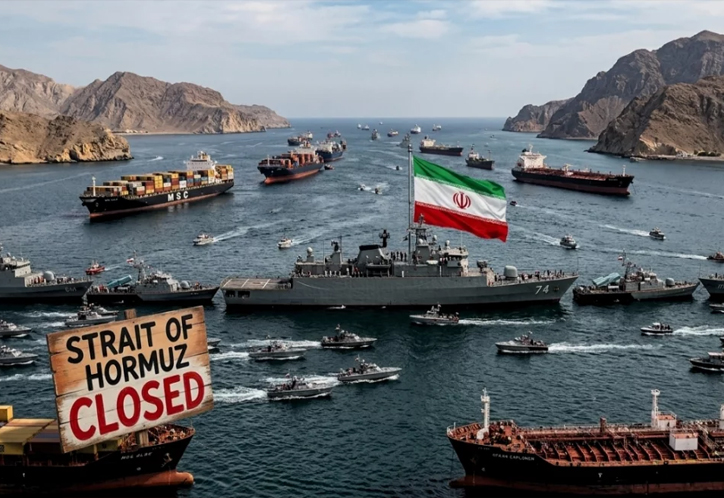
হরমুজ প্রণালিতে ইরানের সামরিক তৎপরতা এবং একই সময়ে যুক্তরাষ্ট্র-ইরান সংঘাতে সাময়িক বিরতি—দুটি বিপরীতমুখী ঘটনাই নতুন করে বিশ্ব জ্বালানি বাজারের অনিশ্চয়তা সামনে এনেছে। সোমবার ইরানের রাষ্ট্রীয় সম্প্রচারমাধ্যম আইআরআইবির দাবি, হরমুজের দক্ষিণাংশে নেভিগেশন ও অবস্থান শনাক্তকরণ ব্যবস্থা বন্ধ রেখে ‘অবৈধ ও ঝুঁকিপূর্ণ’ পথে প্রবেশের চেষ্টা করায় ছয়টি জাহাজকে বাধা দিয়েছে ইরান। তাদের একজন দুর্ঘটনার কবলে পড়ে এবং অন্যগুলোকে পারস্য উপসাগরে ফিরে যেতে বাধ্য করা হয়। তেহরানের অভিযোগ, মার্কিন সামরিক প্ররোচনায় জাহাজগুলো ওই পথে প্রবেশের চেষ্টা করেছিল। ঘটনাটি গুরুত্বপূর্ণ, কারণ হরমুজ প্রণালি শুধু একটি সামুদ্রিক পথ নয়—এটি বৈশ্বিক জ্বালানি নিরাপত্তার অন্যতম প্রধান ‘চোকপয়েন্ট’। ২০২৫ সালের প্রথমার্ধে প্রতিদিন গড়ে প্রায় ২০.৯ মিলিয়ন ব্যারেল তেল ও তেলজাত পণ্য এই পথ দিয়ে গেছে, যা বৈশ্বিক পেট্রোলিয়াম তরল ব্যবহারের প্রায় ২০ শতাংশ এবং সমুদ্রপথে বাণিজ্য হওয়া তেলের প্রায় এক-চতুর্থাংশ। একই সময়ে বিশ্বের LNG বাণিজ্যের ২০ শতাংশেরও বেশি এই প্রণালি দিয়ে প্রবাহিত হয়েছে। তবে সামরিক উত্তেজনার মাঝেই বাজারে এসেছে সাময়িক স্বস্তি। যুক্তরাষ্ট্র ও ইরানের হামলা স্থগিতের খবরে ব্রেন্টের দাম প্রায় ৫ শতাংশ কমে ব্যারেলপ্রতি ৯১.৮৯ ডলার এবং WTI ৫.২৩ শতাংশ কমে ৮৪.৬৪ ডলারে নেমেছে। বিশ্লেষণ বলছে, এই পতন সংকটের অবসান নয়; বরং বাজারের ‘ঝুঁকি প্রিমিয়াম’ সাময়িক কমার প্রতিফলন। হরমুজ ও বাব আল-মানদেব—দুই গুরুত্বপূর্ণ নৌপথেই স্বাভাবিক জাহাজ চলাচল পুরোপুরি ফিরলে তবেই জ্বালানি বাজারে স্থায়ী স্বস্তি আসতে পারে। ফলে ছয়টি জাহাজ আটকের ঘটনা দেখিয়ে দিচ্ছে—কূটনীতির দরজা খোলা থাকলেও হরমুজ এখনো বৈশ্বিক অর্থনীতির সবচেয়ে বড় ভূরাজনৈতিক ঝুঁকিগুলোর একটি।
লেখক : এ বি এম কামরুল হাসান, কলামিস্ট ও রাজনৈতিক বিশ্লেষক।
সম্পর্কিত সংবাদ
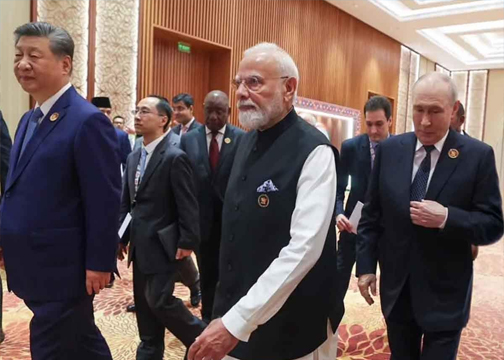
ব্রিকসে টানটান কূটনীতি! জিনপিংকে পাশে নিয়ে রাষ্ট্রসংঘে বদলের ডাক মোদির, বার্তা নেপাল নিয়েও
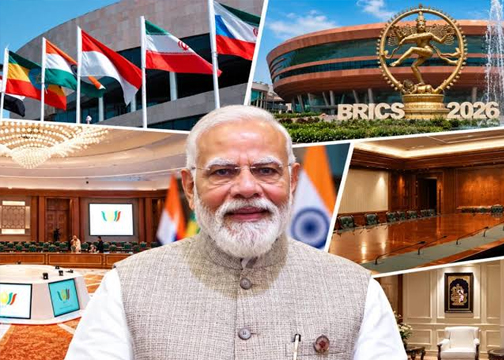
কূটনৈতিক মহাসঙ্কটে ইসলামাবাদ: ব্রিকসের ‘দিল্লি ঘোষণাপত্রে’ বিশ্বমঞ্চে কোণঠাসা পাকিস্তান
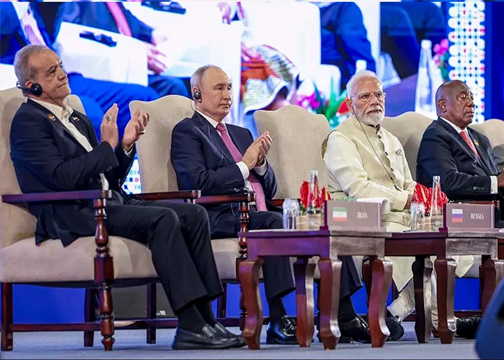
ডলারের সাম্রাজ্যে ধাক্কা: নিজ নিজ মুদ্রায় বাণিজ্যে ব্রিকসের ঐতিহাসিক পদক্ষেপ। মার্কিন অর্থনৈতিক আধিপত্যের বিকল্প: ‘দিল্লি ঘোষণা’ ও আন্তর্জাতিক বাণিজ্যের নতুন মোড়