
রক্তে আঁকা আলোকময় পথ: তারুণ্যের অবিনাশী নক্ষত্র,বীর মুক্তিযোদ্ধা শেখ কামাল
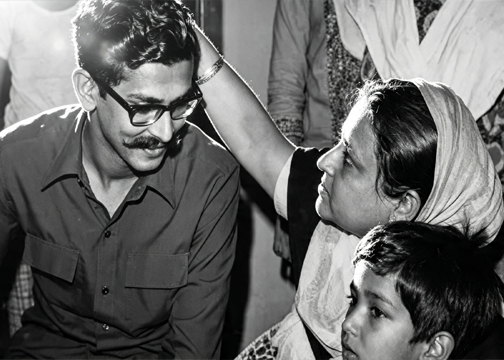
ইতিহাসের পাতায় কিছু মানুষের আয়ু মেপে তার মহত্ত্ব অনুধাবন করা যায় না। কর্মের বিশালতা যেখানে আকাশ ছোঁয়, সেখানে ক্ষণস্থায়ী জীবনও রূপ নেয় মহাকাব্যে। মাত্র ছাব্বিশ বসন্তের এক ঝোড়ো জীবন; অথচ তাতেই মহাকালের পটে নিজের নাম খোদাই করে গেছেন এক আজন্ম স্বপ্নযোদ্ধা—শেখ কামাল। জাতির পিতা বঙ্গবন্ধু শেখ মুজিবুর রহমানের জ্যেষ্ঠ পুত্র হয়েও যাঁর অতিসাধারণ চলন, বিনম্র দীপ্তি আর পরোপকারী মন স্পর্শ করেছিল সাধারণ মানুষকে। পিতার সুবিশাল পরিচয়কে কখনো অহংকারের বর্ম করেননি, বরং নিজস্ব প্রজ্ঞা, সৃজনশীলতা আর অদম্য তারুণ্যের শক্তিতে তিনি হয়ে উঠেছিলেন স্বাধীন বাংলাদেশের আধুনিকতার স্থপতি।
১৯৪৯ সালের ৫ আগস্ট গোপালগঞ্জের স্নিগ্ধ টুঙ্গিপাড়ায় যাঁর জন্ম, শৈশব থেকেই তিনি ছিলেন দ্রোহ আর সৃষ্টির এক অপূর্ব মেলবন্ধন। জীবনের প্রথম প্রভাবেই যাঁর কপালে জুটেছিল বিরহ—পিতা তখন স্বাধীনতার স্বপ্ন বুনতে গিয়ে বারবার কারারুদ্ধ। অবুঝ শিশু কামালের সেই হৃদয়বিদারক আকুতি, "হাচু আপা, তোমার আব্বাকে আমি একটু আব্বা বলি?"—যেন এক ঐতিহাসিক কাব্যের সবচেয়ে করুণ সুর। পিতৃহীন শৈশবের সেই ব্যাকুলতাই হয়তো তাঁকে অসময়ে পরিণত করেছিল, শিখিয়েছিল আত্মত্যাগের মহিমা। ছায়ানটের সেতার বাদন কক্ষ থেকে শুরু করে ঢাকা বিশ্ববিদ্যালয়ের নাট্যাঙ্গন কিংবা বাস্কেটবল কোর্ড—কোথাও তিনি থেমে থাকেননি। ঢাকা থিয়েটারের প্রতিষ্ঠাতা, 'স্পন্দন শিল্পীগোষ্ঠী'র প্রধান প্রাণপুরুষ হিসেবে স্বাধীনতার পরপরই যুদ্ধবিধ্বস্ত দেশের তরুণদের মাঝে তিনি বুনেছিলেন সংস্কৃতিচর্চার অনন্য বীজ। আইয়ুব খানের রবীন্দ্রসঙ্গীত নিষিদ্ধকরণের বিরুদ্ধে যাঁর প্রতিবাদী কণ্ঠ গর্জে উঠত, সেই তরুণই আবার স্বাধীনতার পর মঞ্চনাটকে বিপ্লব ঘটিয়ে কলকাতার বুকেও কুড়িয়েছেন প্রশংসা।
তবে ক্রীড়াঙ্গনে শেখ কামাল যা রেখে গেছেন, তা কোনো সাধারণ গল্প নয়—তা এক অবিস্মরণীয় মহাকাব্য। ঢাকার শাহীন স্কুলের ফাস্ট বোলার কিংবা আবাহনী ক্রীড়াচক্রের স্বপ্নদ্রষ্টা হিসেবে তিনি এনেছিলেন এক বৈপ্লবিক ঝোড়ো হাওয়া। উপমহাদেশে যখন জাতীয় দলেরও কোনো বিদেশী কোচ ছিল না, ১৯৭৩ সালে সেই সময়ে আবাহনীর জন্য বিল হার্টকে উড়িয়ে এনে তিনি বদলে দিয়েছিলেন ফুটবলের আধুনিক রূপরেখা। আজ বিশ্বমঞ্চে লাল-সবুজের যে গর্জন, আইসিসি চ্যাম্পিয়নস ট্রফি থেকে শুরু করে গ্লোবাল ক্রিকেটে যে দ্যুতি—তার প্রথম সিঁড়িটি কিন্তু একা হাতে তৈরি করেছিলেন এই আধুনিকতার দূরদর্শী কারিগর।
অথচ কী অদ্ভুত ইতিহাসের ট্র্যাজেডি! যে বীর সরাসরি মুক্তিযুদ্ধে অংশ নিয়ে প্রথম ওয়ার কোর্সে কমিশন পেয়ে জেনারেল ওসমানীর এডিসি হিসেবে দায়িত্ব পালন করলেন, স্বাধীনতার পর বিষাক্ত ষড়যন্ত্রকারীদের চক্রান্তে তাঁর কপালেই জুটেছিল অপপ্রচারের নিদারুণ কলঙ্ক। ব্যাংক ডাকাতি থেকে শুরু করে অপহরণের মিথ্যে বানাওয়াট গল্পে যাঁকে কালিমালিপ্ত করার চেষ্টা হয়েছিল, তা যে সময় ও ইতিহাসের কষ্টিপাথরে ধুলোর মতো উড়ে গেছে। লন্ডনের ডেইলি টেলিগ্রাফের সাংবাদিক পিটার হেজেলহার্স্টও সে সময় অনুধাবন করেছিলেন সেই সত্য—
অ্যাথলেটিক্সের 'গোল্ডেন গার্ল' সুলতানা খুকুর হাতে মেহেদির রঙ তখনো তাজা, বিয়ের মাত্র এক মাস পূর্ণ হয়নি—১৯৭৫ সালের ১৫ আগস্টের কালরাতে ঘাতকদের বুলেট স্তব্ধ করে দিল সেই ক্ষুরধার তারুণ্যকে।
ঘাতকের বুলেটে শেখ কামালের দেহাবসান ঘটেছে ঠিকই, কিন্তু তাঁর জ্বালিয়ে যাওয়া আলোর সলতে নিভিয়ে দেওয়া সম্ভব হয়নি। ছায়ানটের সেতারে, আবাহনীর সবুজ ঘাসে, থিয়েটারের আলো-আঁধারিতে আর সৃষ্টিশীল তারুণ্যের প্রতিটি ইতিবাচক পদক্ষেপে শেখ কামাল এক অবিনাশী মহীরুহ। তিনি বারবার আসেন না, কিন্তু একবার এসে যে নক্ষত্রময় দীপ্তি ছড়িয়ে গেছেন—তা সময়ের পরিক্রমায় আরও বেশি উজ্জ্বল, আরও চিরভাস্বর হয়ে জ্বলছে স্বাধীন বাংলাদেশের বুকে।
লেখক: জাহাঙ্গীর কবির নানক, রাজনীতিবিদ, প্রেসিডিয়াম সদস্য, বাংলাদেশ আওয়ামী লীগ।
সম্পর্কিত সংবাদ
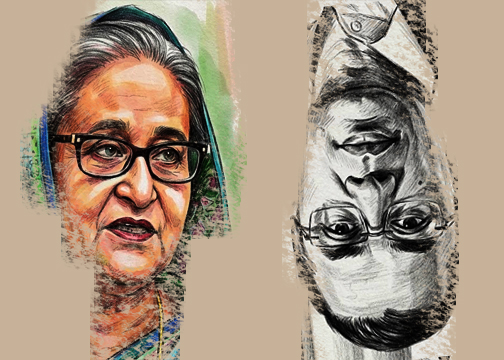
দ্রুত উন্নয়নের দিকে ধাবিত দেশটি উল্টো দ্রুত গতিতে ধ্বংসের দিকে যাচ্ছে। কূটনৈতিক সাফল্য ও বর্তমান নীতিহীনতার ফলে সৃষ্টি সংকট। দ্বিতীয় পর্ব:
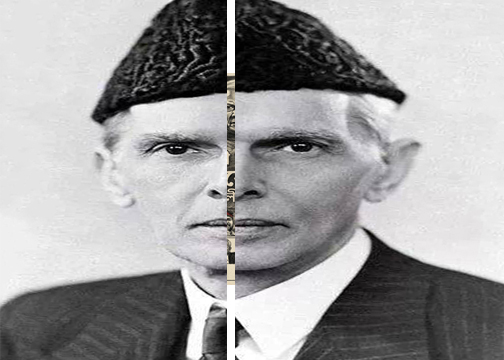
জিন্নাহর উত্তরাধিকার ও জামায়াতের রাজনীতি: আদর্শিক ধারাবাহিকতা নাকি সুবিধাবাদ?
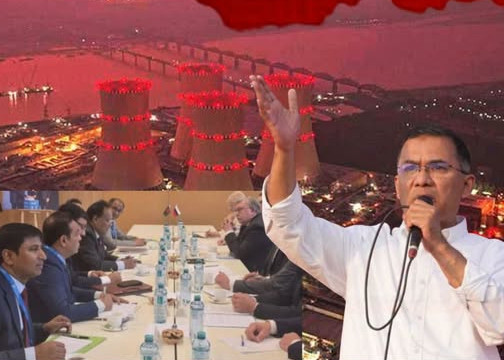
তীব্র বিদ্যুৎ সংকটের ধাক্কা: রূপপুর নিয়ে ঢাকার সুর বদল, ভিয়েনায় রোসাটমের সঙ্গে জরুরি বৈঠক