রয়টার্সের এক্সক্লুসিভ প্রতিবেদন বাংলাদেশের তৈরি পোশাকশিল্পের জন্য এক কঠিন সতর্কবার্তা নিয়ে এসেছে। রাজনৈতিক অনিশ্চয়তা, শ্রমিক অসন্তোষ, উৎপাদন ব্যাহত হওয়া, জ্বালানি সংকট এবং সরকারের নীতিগত অস্থিরতার সুযোগে বাংলাদেশের পোশাকের ক্রয়াদেশ সরিয়ে নিচ্ছে আন্তর্জাতিক ব্র্যান্ডগুলো। এর বড় অংশ যাচ্ছে প্রতিবেশী ভারতে। মাত্র ১৮ দিনে প্রায় ২৫ কোটি ৪০ লাখ ডলারের ক্রয়াদেশ অন্য দেশে স্থানান্তরের তথ্য দেশের অর্থনীতির জন্য গভীর উদ্বেগের। প্রশ্ন উঠছে, রাজনৈতিক ক্ষমতা ও প্রতিপক্ষ মোকাবিলার হিসাব মেলাতে গিয়ে সরকার কি দেশের সবচেয়ে বড় রপ্তানি খাতকেই বিপর্যয়ের মুখে ঠেলে দিচ্ছে?
১৮ দিনেই ২৫ কোটি ৪০ লাখ ডলারের অর্ডার হারাল বাংলাদেশ!
বাংলাদেশের তৈরি পোশাকশিল্পের জন্য আন্তর্জাতিক বাজার থেকে আসা নতুন সংকেত অত্যন্ত উদ্বেগজনক। রয়টার্সের এক্সক্লুসিভ প্রতিবেদন অনুযায়ী, নভেম্বরের প্রথম ১৮ দিনেই বাংলাদেশ থেকে প্রায় ২৫ কোটি ৪০ লাখ ডলারের পোশাকের ক্রয়াদেশ এশিয়ার অন্যান্য দেশে সরিয়ে নিয়েছে আন্তর্জাতিক ব্র্যান্ডগুলো। এসব ক্রয়াদেশের বড় অংশ পেয়েছে ভারত।
এটি কেবল সাময়িক ব্যবসায়িক ক্ষতি নয়; বরং বাংলাদেশের আন্তর্জাতিক বাণিজ্যিক অবস্থান দুর্বল হয়ে পড়ার একটি গুরুত্বপূর্ণ সংকেত।
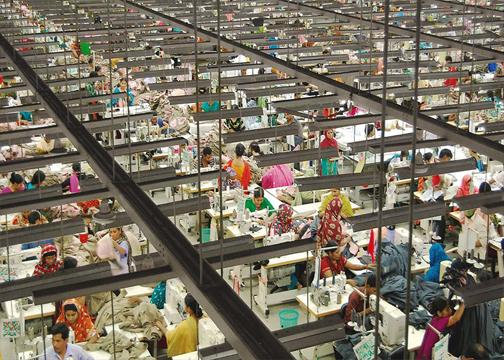
যে পোশাকশিল্পের ওপর দেশের রপ্তানি আয়, বৈদেশিক মুদ্রার প্রবাহ এবং লাখ লাখ মানুষের কর্মসংস্থান নির্ভরশীল, সেই শিল্পের ক্রেতারা যদি বিকল্প দেশ বেছে নিতে শুরু করেন, তাহলে তার প্রভাব গোটা অর্থনীতিতে ছড়িয়ে পড়বে।
সবচেয়ে উদ্বেগের বিষয়, ক্রেতারা একবার বিকল্প সরবরাহকারী খুঁজে পেলে ভবিষ্যতেও সেই সম্পর্ক বজায় রাখতে পারেন। ফলে হারানো ক্রয়াদেশ পুনরুদ্ধার করা বাংলাদেশের জন্য সহজ হবে না।
আওয়ামী লীগবিহীন রাজনৈতিক বাস্তবতা, কিন্তু অর্থনৈতিক স্থিতিশীলতা কোথায়?
বাংলাদেশের রাজনৈতিক পটপরিবর্তনের পর সবচেয়ে বড় প্রত্যাশা ছিল রাষ্ট্রীয় স্থিতিশীলতা, বিনিয়োগের পরিবেশ এবং অর্থনৈতিক কর্মকাণ্ডে গতি ফিরে আসবে। কিন্তু বাস্তব পরিস্থিতি নিয়ে এখন নতুন করে প্রশ্ন উঠছে।
রাজনৈতিক সংঘাত, শ্রমিক অসন্তোষ, কারখানায় উৎপাদন ব্যাহত হওয়া এবং প্রশাসনিক অনিশ্চয়তা আন্তর্জাতিক ক্রেতাদের কাছে বাংলাদেশের ভাবমূর্তিকে ক্ষতিগ্রস্ত করছে।
একটি দেশের রাজনৈতিক সরকার পরিবর্তন হতে পারে, রাজনৈতিক দলগুলোর মধ্যে বিরোধ থাকতে পারে; কিন্তু অর্থনীতির চাকা থেমে থাকার সুযোগ নেই। বিশেষ করে রপ্তানিনির্ভর অর্থনীতিতে রাজনৈতিক স্থিতিশীলতা ও উৎপাদনের ধারাবাহিকতা অত্যন্ত গুরুত্বপূর্ণ।
বর্তমান পরিস্থিতিতে সরকারের কাছে সবচেয়ে বড় প্রশ্ন হচ্ছে—রাজনৈতিক পরিস্থিতি সামাল দেওয়ার পাশাপাশি দেশের অর্থনীতির প্রধান চালিকাশক্তিগুলো সচল রাখতে কার্যকর উদ্যোগ কোথায়?
রাজনৈতিক প্রতিপক্ষকে মোকাবিলা কিংবা ক্ষমতার হিসাব-নিকাশের বাইরে গিয়ে অর্থনীতিকে অগ্রাধিকার দেওয়ার সক্ষমতা সরকারের জন্য এখন বড় পরীক্ষা।
ভারতের বড় লাভ, বাংলাদেশের ক্ষতি: প্রতিযোগিতায় পিছিয়ে পড়ছে দেশের পোশাকশিল্প
বাংলাদেশের পোশাকের ক্রয়াদেশ স্থানান্তরের ঘটনায় সবচেয়ে বেশি লাভবান হয়েছে ভারত। পাশাপাশি ভিয়েতনাম, কম্বোডিয়া ও ইন্দোনেশিয়াও বিকল্প সরবরাহকারী হিসেবে আন্তর্জাতিক ক্রেতাদের আগ্রহ পাচ্ছে।
বাংলাদেশ দীর্ঘদিন ধরে তুলনামূলক কম উৎপাদন ব্যয়, দক্ষ শ্রমিক এবং বড় উৎপাদন সক্ষমতার কারণে আন্তর্জাতিক পোশাকবাজারে শক্ত অবস্থান ধরে রেখেছিল।
কিন্তু এখন সেই প্রতিযোগিতামূলক সুবিধা দুর্বল হচ্ছে।
শ্রমিক অসন্তোষ, জ্বালানি সংকট, উৎপাদন ব্যয় বৃদ্ধি এবং রাজনৈতিক অনিশ্চয়তার কারণে ক্রেতারা বাংলাদেশকে নির্ভরযোগ্য সরবরাহকারী হিসেবে বিবেচনা করতে আগের মতো স্বস্তি পাচ্ছেন না।
ভারতসহ প্রতিদ্বন্দ্বী দেশগুলো এই পরিস্থিতিতে নতুন ব্যবসার সুযোগ পাচ্ছে। অর্থাৎ বাংলাদেশের অভ্যন্তরীণ অস্থিরতা প্রতিবেশী দেশগুলোর অর্থনৈতিক সুবিধায় পরিণত হচ্ছে।
৪০ কোটি ডলারের উৎপাদন ক্ষতি, বিপর্যয়ের মুখে রপ্তানি অর্থনীতি
তৈরি পোশাকশিল্প মালিকদের সংগঠন বিজিএমইএর তথ্য অনুযায়ী, সাম্প্রতিক শ্রমিক বিক্ষোভে এ খাতে ৪০ কোটি ডলারের বেশি উৎপাদন ক্ষতি হয়েছে।
এটি বাংলাদেশের মতো রপ্তানিনির্ভর অর্থনীতির জন্য বড় ধাক্কা।
দেশের মোট রপ্তানি আয়ের ৮০ শতাংশের বেশি এবং উৎপাদন খাতের প্রায় ৪০ শতাংশ কর্মসংস্থান এই শিল্পের ওপর নির্ভরশীল বলে প্রতিবেদনে উল্লেখ করা হয়েছে।
অর্থাৎ পোশাকশিল্পে দীর্ঘস্থায়ী সংকট তৈরি হলে শুধু কারখানার মালিকেরা ক্ষতিগ্রস্ত হবেন না। এর প্রভাব পড়বে শ্রমিক, পরিবহন খাত, ব্যাংকিং ব্যবস্থা, কাঁচামাল সরবরাহকারী, ক্ষুদ্র উদ্যোক্তা এবং সামগ্রিক বৈদেশিক মুদ্রার বাজারে।
এমন একটি গুরুত্বপূর্ণ শিল্পে উৎপাদন বন্ধ থাকা কিংবা আন্তর্জাতিক ক্রয়াদেশ হারানোর ঘটনা কোনোভাবেই বিচ্ছিন্ন সমস্যা হিসেবে দেখার সুযোগ নেই।
শ্রমিকের ন্যায্য দাবি বনাম সরকারের ব্যর্থ ব্যবস্থাপনা
শ্রমিক অসন্তোষের অন্যতম কেন্দ্রবিন্দু ন্যূনতম মজুরি বৃদ্ধি। প্রতিবেদনে বলা হয়েছে, সরকার পোশাক শ্রমিকদের ন্যূনতম মজুরি ৩৬ শতাংশ বাড়ানোর অনুমোদন দিয়েছে। কিন্তু গত চার দশকের মধ্যে এটিই সর্বনিম্ন মজুরি বৃদ্ধির হার বলে উল্লেখ করা হয়েছে।
শ্রমিক সংগঠনগুলো ন্যূনতম মজুরি দ্বিগুণেরও বেশি করার দাবি জানিয়ে আসছিল। সরকারের সিদ্ধান্ত প্রত্যাখ্যান করে শ্রমিকদের বিক্ষোভ এবং পুলিশের সঙ্গে সংঘর্ষ পরিস্থিতিকে আরও জটিল করেছে।
শ্রম ও কর্মসংস্থান মন্ত্রণালয়ের সচিব আবদুর রহমান তরফদার মজুরি বৃদ্ধিকে সন্তোষজনক উল্লেখ করে শ্রমিকদের কাজে ফেরার প্রত্যাশা জানিয়েছেন। কিন্তু মাঠপর্যায়ের পরিস্থিতি পুরোপুরি স্বাভাবিক হয়নি।
এখানে সরকারের দায়িত্ব ছিল শ্রমিক, মালিক ও সংশ্লিষ্ট পক্ষগুলোর সঙ্গে কার্যকর আলোচনার মাধ্যমে একটি গ্রহণযোগ্য সমাধান নিশ্চিত করা।
শ্রমিকের ন্যায্য মজুরি নিশ্চিত করা যেমন জরুরি, তেমনি শিল্পের উৎপাদন ও কর্মসংস্থান রক্ষা করাও গুরুত্বপূর্ণ।
কিন্তু শ্রমিকদের অসন্তোষকে শুধু আইনশৃঙ্খলার সমস্যা হিসেবে বিবেচনা করলে সংকটের মূল কারণ অমীমাংসিতই থেকে যাবে।
জ্বালানি সংকট ও উৎপাদন ব্যয়: বাংলাদেশের প্রতিযোগিতার মেরুদণ্ড ভেঙে পড়ছে
বাংলাদেশের পোশাকশিল্পের আরেকটি বড় সংকট জ্বালানি সরবরাহের অনিশ্চয়তা।
মধ্যপ্রাচ্যের সংকটের প্রভাবে দীর্ঘস্থায়ী জ্বালানি সমস্যার কথা উল্লেখ করে শিল্পনেতারা জানিয়েছেন, অনেক কারখানাকে ব্যয়বহুল বিকল্প জ্বালানির ওপর নির্ভর করতে হচ্ছে।
এর ফলে উৎপাদন ব্যয় বাড়ছে। অন্যদিকে আন্তর্জাতিক ক্রেতারা পণ্যের দাম কমানোর চাপ দিচ্ছেন।
বিজিএমইএ পরিচালক এম মহিউদ্দিন চৌধুরীর বক্তব্য অনুযায়ী, মজুরি বৃদ্ধির পাশাপাশি গ্যাস, বিদ্যুৎ ও কাঁচামালের বাড়তি দাম উদ্যোক্তাদের ওপর বড় ধরনের চাপ তৈরি করেছে।
অর্থাৎ একদিকে উৎপাদন খরচ বাড়ছে, অন্যদিকে আন্তর্জাতিক বাজারে পণ্যের দাম বাড়ানোর সুযোগ সীমিত।
এ অবস্থায় প্রতিযোগী দেশগুলোর তুলনায় বাংলাদেশের উৎপাদন ব্যয় বেশি হয়ে গেলে ক্রেতারা বিকল্প দেশ বেছে নেবেন—এটাই স্বাভাবিক বাণিজ্যিক বাস্তবতা।
১২০ দিনে ডেলিভারি, প্রতিদ্বন্দ্বীরা এগিয়ে ৬০ থেকে ৯০ দিনে!
বাংলাদেশের পোশাকশিল্পের প্রতিযোগিতায় পিছিয়ে পড়ার অন্যতম কারণ এখন সময়মতো পণ্য সরবরাহের সক্ষমতা।
বিজিএমইএ পরিচালক এম মহিউদ্দিন চৌধুরীর দেওয়া তথ্য অনুযায়ী, বাংলাদেশ থেকে পণ্য সরবরাহে যেখানে প্রায় ১২০ দিন সময় লাগে, সেখানে প্রতিদ্বন্দ্বী দেশগুলো ৬০ থেকে ৯০ দিনের মধ্যে উৎপাদন ও ডেলিভারি সম্পন্ন করতে পারে।
ভারত বাংলাদেশের চেয়ে প্রায় এক সপ্তাহ আগে এবং ভিয়েতনাম ও কম্বোডিয়া প্রায় ১৫ দিন আগে পণ্য সরবরাহ করতে সক্ষম বলে তিনি জানিয়েছেন।
বর্তমান বৈশ্বিক বাজারে শুধু কম দামে পণ্য তৈরি করলেই ব্যবসা ধরে রাখা যায় না। নির্ধারিত সময়ের মধ্যে পণ্য সরবরাহ করাও সমান গুরুত্বপূর্ণ।
আন্তর্জাতিক ব্র্যান্ডগুলো এখন দ্রুত ডেলিভারিকে বেশি গুরুত্ব দিচ্ছে। ফলে বাংলাদেশের দীর্ঘ উৎপাদনচক্র এবং জ্বালানি সংকট প্রতিযোগিতায় বড় বাধা হয়ে দাঁড়িয়েছে।
এটি কেবল উৎপাদন ব্যবস্থার সমস্যা নয়; বরং দীর্ঘদিনের অবকাঠামোগত দুর্বলতা ও নীতিগত পরিকল্পনার সীমাবদ্ধতারও প্রতিফলন।
২০ থেকে ২৫ কর্মদিবস উৎপাদন ব্যাহত, জমছে অর্ডারের পাহাড়
চলমান অস্থিরতার কারণে ঢাকা ও আশপাশের শিল্পাঞ্চলের কারখানাগুলোতে আনুমানিক ২০ থেকে ২৫ কর্মদিবস উৎপাদন ব্যাহত হয়েছে বলে প্রতিবেদনে উল্লেখ করা হয়েছে।
এর ফলে তৈরি হয়েছে বড় ধরনের উৎপাদন জট বা ব্যাকলগ।
নির্ধারিত সময়ে পণ্য সরবরাহ করতে অনেক কারখানা অতিরিক্ত সময় কাজ এবং ব্যয়বহুল আকাশপথে পণ্য পাঠানোর কথা বিবেচনা করছে।
কিন্তু এয়ার ফ্রেইটের মাধ্যমে পণ্য পাঠানোর খরচ অনেক বেশি। ফলে সময়মতো অর্ডার সরবরাহ করতে গিয়ে উদ্যোক্তাদের মুনাফা আরও কমে যাওয়ার আশঙ্কা রয়েছে।
এভাবে দীর্ঘদিন উৎপাদন ব্যাহত হলে আন্তর্জাতিক ক্রেতারা বাংলাদেশের পরিবর্তে এমন দেশ বেছে নেবেন, যেখানে উৎপাদন ও সরবরাহ ব্যবস্থা তুলনামূলক নিরবচ্ছিন্ন।
আন্তর্জাতিক ব্র্যান্ডের আস্থা হারাচ্ছে বাংলাদেশ, নতুন অর্ডার বন্ধের অভিযোগ
প্রতিবেদনে ইউরোপীয় ব্র্যান্ডগুলোর পোশাক সরবরাহকারী একটি প্রতিষ্ঠানের ব্যবস্থাপনা পরিচালক খান মনিরুল আলমের বক্তব্য বিশেষভাবে উদ্বেগজনক।
তিনি জানিয়েছেন, গত ১ নভেম্বর থেকে তাঁর অধিকাংশ ক্রেতা নতুন অর্ডার দেওয়া বন্ধ রেখেছেন। আগের অর্ডারগুলোও সরিয়ে নেওয়া, স্থগিত করা অথবা বাতিল করার কথা জানানো হয়েছে।
এটি বাংলাদেশের পোশাকশিল্পের জন্য বড় সতর্কসংকেত।
কারণ একটি আন্তর্জাতিক ব্র্যান্ড যখন কোনো দেশের সরবরাহকারীর সঙ্গে ব্যবসায়িক সম্পর্ক সীমিত করে, তখন তারা বিকল্প সরবরাহকারীকে যাচাই করতে শুরু করে। নতুন সরবরাহকারী উৎপাদন ও ডেলিভারিতে সন্তোষজনক ফল দেখাতে পারলে পুরোনো বাজার ফিরে পাওয়া কঠিন হয়ে যায়।
কারখানা মালিকদের সবচেয়ে বড় উদ্বেগও এখানেই। সাময়িকভাবে অন্য দেশে চলে যাওয়া ক্রয়াদেশ ভবিষ্যতে স্থায়ীভাবে হাতছাড়া হতে পারে।
ভারতের শেয়ারবাজারে উল্লাস, বাংলাদেশের শিল্পে দুশ্চিন্তা
রয়টার্সের প্রতিবেদন প্রকাশের পর ভারতের বস্ত্র খাতের বিভিন্ন প্রতিষ্ঠানের শেয়ারের দাম বেড়ে যাওয়ার তথ্যও উঠে এসেছে।
গোকলদাস এক্সপোর্টসের শেয়ারের দাম ১১ শতাংশ পর্যন্ত এবং ট্রাইডেন্টের শেয়ার প্রায় ৫ শতাংশ বেড়েছে। ওয়েলস্পান লিভিং, কেপিআর মিল ও বর্ধমান টেক্সটাইলের শেয়ারেও প্রায় ২ শতাংশ করে বৃদ্ধি দেখা গেছে।
এই ঘটনাটি বাংলাদেশের জন্য একটি গুরুত্বপূর্ণ অর্থনৈতিক বার্তা বহন করে।
বাংলাদেশের অভ্যন্তরীণ অস্থিরতা যেখানে আন্তর্জাতিক ক্রেতাদের বিকল্প বাজার খুঁজতে বাধ্য করছে, সেখানে প্রতিবেশী দেশের শিল্পপ্রতিষ্ঠানগুলো নতুন ব্যবসার সম্ভাবনা পাচ্ছে।
অর্থাৎ বাংলাদেশের শিল্পে অস্থিরতা অন্য দেশের শিল্পের জন্য সুযোগ তৈরি করছে।
এটি প্রতিযোগিতামূলক বিশ্ববাজারের কঠিন বাস্তবতা। কোনো দেশ তার রাজনৈতিক বা অভ্যন্তরীণ সমস্যার কারণে উৎপাদন ও সরবরাহে ব্যর্থ হলে আন্তর্জাতিক ক্রেতারা অনির্দিষ্টকাল অপেক্ষা করেন না।
শেখ হাসিনার সম্ভাব্য প্রত্যাবর্তন ঘিরে রাজনৈতিক উত্তেজনা, শিল্পের সামনে নতুন শঙ্কা
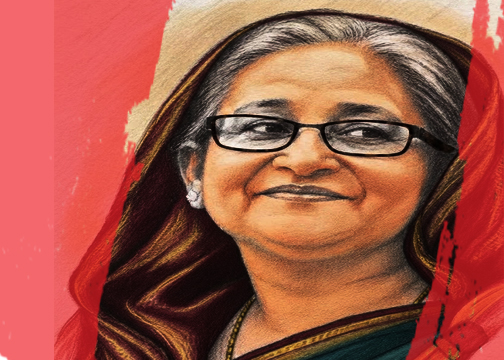
রয়টার্সের প্রতিবেদনে ভারতের অবস্থান থেকে শেখ হাসিনার সম্ভাব্য দেশে ফেরা নিয়ে তৈরি হওয়া রাজনৈতিক উত্তেজনার কথাও উল্লেখ করা হয়েছে।
বাংলাদেশের রাজনৈতিক পরিস্থিতি নিয়ে আন্তর্জাতিক ক্রেতাদের উদ্বেগের অন্যতম কারণ হচ্ছে ভবিষ্যৎ অনিশ্চয়তা।
একটি দেশের রাজনৈতিক পরিস্থিতি কেমন হবে, শ্রমিক অসন্তোষ কতটা নিয়ন্ত্রণে থাকবে, কারখানায় উৎপাদন নিরবচ্ছিন্ন হবে কি না এবং পণ্য সময়মতো সরবরাহ করা যাবে কি না—এসব বিষয় আন্তর্জাতিক ক্রেতাদের সিদ্ধান্তকে প্রভাবিত করে।
শেখ হাসিনার দেশে ফেরা নিয়ে রাজনৈতিক বিতর্ক থাকতেই পারে। কিন্তু সেই বিতর্ক যদি নতুন করে সংঘাত, সহিংসতা ও উৎপাদন ব্যাহত হওয়ার পরিস্থিতি তৈরি করে, তাহলে তার অর্থনৈতিক মূল্য দিতে হবে বাংলাদেশকেই।
রাজনৈতিক পক্ষগুলোর ক্ষমতার দ্বন্দ্বের চেয়ে দেশের অর্থনীতি ও কর্মসংস্থানের স্বার্থকে অগ্রাধিকার দেওয়া এখন সময়ের দাবি।
সরকারের ব্যর্থতার দায় কে নেবে?
বাংলাদেশের পোশাকশিল্পের বর্তমান সংকট এক দিনে তৈরি হয়নি। শ্রমিক অসন্তোষ, জ্বালানি ঘাটতি, উৎপাদন ব্যয়, অবকাঠামোগত সীমাবদ্ধতা এবং রাজনৈতিক অনিশ্চয়তা—সবকিছু মিলেই এই পরিস্থিতি তৈরি হয়েছে।
কিন্তু রাজনৈতিক অস্থিরতার মধ্যে উৎপাদন ও রপ্তানি কার্যক্রম স্বাভাবিক রাখার দায়িত্ব সরকারের ওপরই বর্তায়।
সরকারের কাছে কয়েকটি গুরুত্বপূর্ণ প্রশ্নের জবাব প্রয়োজন:
• আন্তর্জাতিক ক্রেতাদের আস্থা ফেরাতে এখন পর্যন্ত কার্যকর কী উদ্যোগ নেওয়া হয়েছে?
• শ্রমিকদের ন্যায্য মজুরি ও কারখানার উৎপাদন অব্যাহত রাখার মধ্যে ভারসাম্য কীভাবে নিশ্চিত করা হবে?
• জ্বালানি সংকট মোকাবিলায় দীর্ঘমেয়াদি পরিকল্পনা কোথায়?
• কারখানায় নিরাপত্তা ও শ্রমিকদের কর্মপরিবেশ নিশ্চিত করতে কী ব্যবস্থা নেওয়া হচ্ছে?
• রাজনৈতিক সংঘাতের কারণে রপ্তানি খাত ক্ষতিগ্রস্ত হলে তার দায় কে নেবে?
• অন্য দেশে চলে যাওয়া ক্রয়াদেশ ফিরিয়ে আনতে সরকারের বাণিজ্যিক কূটনীতি কতটা সক্রিয়?
•
এসব প্রশ্নের উত্তর শুধু উদ্যোক্তাদের নয়, দেশের কোটি মানুষের অর্থনৈতিক ভবিষ্যতের সঙ্গেও সম্পর্কিত।
রাজনৈতিক ক্ষমতার লড়াইয়ে অর্থনীতিকে বলি দিলে বাংলাদেশই হারবে
রয়টার্সের এক্সক্লুসিভ প্রতিবেদন বাংলাদেশের জন্য একটি কঠোর সতর্কবার্তা। মাত্র ১৮ দিনে প্রায় ২৫ কোটি ৪০ লাখ ডলারের পোশাকের ক্রয়াদেশ অন্য দেশে চলে যাওয়ার ঘটনা কোনো সাধারণ ব্যবসায়িক পরিবর্তন নয়। এটি বাংলাদেশের আন্তর্জাতিক প্রতিযোগিতামূলক অবস্থান দুর্বল হওয়ার ইঙ্গিত।
যে শিল্পের ওপর দেশের রপ্তানি আয়, বৈদেশিক মুদ্রা এবং বিপুল কর্মসংস্থান নির্ভরশীল, সেই শিল্পকে রাজনৈতিক অস্থিরতা ও প্রশাসনিক ব্যর্থতার ঝুঁকিতে ফেলে রাখার পরিণতি ভয়াবহ হতে পারে।
ক্ষমতার রাজনীতি সাময়িক হতে পারে, সরকার পরিবর্তন হতে পারে, রাজনৈতিক দলগুলোর অবস্থান বদলাতে পারে। কিন্তু আন্তর্জাতিক বাজারে একবার হারানো আস্থা ও ব্যবসায়িক সম্পর্ক পুনরুদ্ধার করা অত্যন্ত কঠিন।
আজ ভারতের শিল্পপ্রতিষ্ঠানগুলো বাংলাদেশের হারানো ক্রয়াদেশ থেকে লাভবান হচ্ছে। আগামীকাল সেই বাজার আরও ছড়িয়ে যেতে পারে ভিয়েতনাম, কম্বোডিয়া ও ইন্দোনেশিয়ায়।
তখন রাজনৈতিক বক্তব্য দিয়ে হারানো অর্ডার ফিরিয়ে আনা যাবে না। ফিরিয়ে আনা যাবে না শ্রমিকের হারানো কর্মসংস্থান কিংবা উদ্যোক্তাদের বিনিয়োগের নিশ্চয়তা।
সবচেয়ে বড় কথা, রাজনৈতিক প্রতিপক্ষকে মোকাবিলার নামে যদি দেশের উৎপাদনব্যবস্থা, শ্রমবাজার ও রপ্তানি অর্থনীতি বিপর্যস্ত হয়ে পড়ে, তাহলে সেই রাজনৈতিক বিজয়ের মূল্য দিতে হবে গোটা জাতিকে।
বাংলাদেশের অর্থনীতি কোনো রাজনৈতিক দলের সম্পত্তি নয়। দেশের পোশাকশিল্প কোনো সরকারের ব্যক্তিগত সাফল্যের স্মারকও নয়। এটি কোটি মানুষের জীবিকা, জাতীয় অর্থনীতির ভিত্তি এবং আন্তর্জাতিক বাজারে বাংলাদেশের পরিচয়ের অন্যতম প্রধান স্তম্ভ।
এখনই রাজনৈতিক সংঘাতের পরিবর্তে উৎপাদন, বিনিয়োগ, শ্রমিকের অধিকার ও রপ্তানি সক্ষমতাকে অগ্রাধিকার দিতে হবে। অন্যথায় বাংলাদেশের পোশাকশিল্পের বাজার শুধু সাময়িকভাবে নয়, দীর্ঘমেয়াদেও প্রতিবেশী দেশগুলোর হাতে চলে যাওয়ার আশঙ্কা তৈরি হবে।
প্রশ্ন তাই একটাই—রাজনৈতিক ক্ষমতা রক্ষার লড়াইয়ে ব্যস্ত সরকার কি দেশের অর্থনীতি রক্ষার দায়িত্ব পালন করবে, নাকি বাংলাদেশের পোশাকশিল্পের পতনই হয়ে উঠবে বর্তমান রাজনৈতিক অস্থিরতার সবচেয়ে বড় মূল্য?
লেখক: ড. আবুল হাসনাৎ মিল্টন,সাংবাদিক, রাজনৈতিক বিশ্লেষক ও প্রধান সম্পাদক, দ্যা সোর্স নিউজ বাংলা (The Source News Bangla)
A Reuters exclusive report has delivered a serious warning for Bangladesh’s ready-made garment (RMG) industry. International brands are shifting their garment orders away from Bangladesh, with a significant share going to neighbouring India, amid political uncertainty, labour unrest, production disruptions, energy shortages and rising manufacturing costs. The transfer of approximately $254 million worth of orders to other countries in just 18 days raises serious concerns about the country’s economic future.
A critical question now emerges: In its pursuit of political power and efforts to confront political opponents, is the government pushing Bangladesh’s largest export sector towards a devastating crisis?
Bangladesh Loses $254 Million in Orders in Just 18 Days
The latest signals from the international market are deeply concerning for Bangladesh’s garment industry. According to a Reuters exclusive report, international brands shifted approximately $254 million worth of garment orders from Bangladesh to other Asian countries during the first 18 days of November. India received the largest share of these orders.
This is not merely a temporary business setback. It is a significant indication that Bangladesh’s position in international trade may be weakening.
The garment industry is the backbone of the country’s export earnings, foreign currency inflows and employment for millions of people. If international buyers begin choosing alternative countries, the consequences will extend throughout the national economy.
The most worrying aspect is that once buyers establish relationships with alternative suppliers, they may continue doing business with them in the future. Recovering lost orders could therefore become extremely difficult for Bangladesh.
A Political Reality Without the Awami League, but Where Is Economic Stability?
Following Bangladesh’s political transition, one of the greatest expectations was that political stability, a favourable investment climate and momentum in economic activities would return. However, the current situation is raising fresh questions about whether those expectations are being fulfilled.
Political confrontations, labour unrest, disruptions in factory production and administrative uncertainty are damaging Bangladesh’s image among international buyers.
A government may change, and political parties may remain divided, but the wheels of the economy cannot be allowed to stop turning. Political stability and uninterrupted production are particularly important for an export-dependent economy.
The biggest question facing the government is this: Where are the effective initiatives to keep the country’s principal economic drivers functioning while managing the political situation?
The government is now facing a major test of its ability to prioritise the economy beyond political rivalries and calculations of power.
India Gains as Bangladesh Loses: The Country’s Garment Industry Falls Behind in Competition
India has emerged as the biggest beneficiary of the relocation of garment orders from Bangladesh. Vietnam, Cambodia and Indonesia are also attracting interest from international buyers as alternative suppliers.
For years, Bangladesh maintained a strong position in the global garment market because of its relatively low production costs, skilled workforce and large manufacturing capacity.
But those competitive advantages are now weakening.
Labour unrest, energy shortages, rising production costs and political uncertainty are making international buyers less confident about Bangladesh as a reliable sourcing destination.
India and other competing countries are gaining new business opportunities as a result. In other words, Bangladesh’s internal instability is turning into an economic advantage for its neighbours.
More Than $400 Million in Production Losses: Export-Dependent Economy Faces a Major Setback
According to the Bangladesh Garment Manufacturers and Exporters Association (BGMEA), recent labour protests have caused more than $400 million in production losses in the sector.
This is a major blow to an export-dependent economy like Bangladesh.
The report states that the garment industry accounts for more than 80 per cent of the country’s total export earnings and approximately 40 per cent of manufacturing employment.
A prolonged crisis in this sector would therefore affect far more than factory owners. Its consequences would spread to workers, transportation, banking, raw material suppliers, small businesses and the overall foreign exchange market.
Disruptions to production or the loss of international orders in such a vital industry cannot be dismissed as isolated incidents.
Workers’ Legitimate Demands Versus the Government’s Failure of Management
One of the central issues behind the labour unrest is the increase in the minimum wage. According to the report, the government approved a 36 per cent increase in the minimum wage for garment workers. However, the report describes this as the lowest wage increase in four decades.
Labour organisations had been demanding more than a doubling of the minimum wage. Workers rejected the government’s decision, and subsequent protests and clashes with police further complicated the situation.
Labour and Employment Ministry Secretary Abdur Rahman Tarfadar described the wage increase as satisfactory and expressed the expectation that workers would return to work. However, conditions on the ground have not fully returned to normal.
The government’s responsibility was to ensure an acceptable resolution through effective dialogue involving workers, factory owners and all relevant stakeholders.
Ensuring fair wages for workers is essential. Equally important is protecting industrial production and employment.
If workers’ dissatisfaction is treated merely as a law-and-order problem, the underlying causes of the crisis will remain unresolved.
Energy Shortages and Rising Production Costs: Bangladesh’s Competitive Edge Is Under Threat
Uncertainty over energy supplies is another major challenge facing Bangladesh’s garment industry.
Industry leaders have pointed to prolonged energy problems linked to the crisis in the Middle East, saying that many factories have been forced to depend on expensive alternative fuels.
This is driving up production costs. At the same time, international buyers are pressuring manufacturers to reduce product prices.
According to BGMEA Director M. Mohiuddin Chowdhury, rising wages, gas and electricity prices, and the increasing cost of raw materials are placing significant pressure on manufacturers.
In other words, production expenses are rising while opportunities to increase prices in the international market remain limited.
Under these circumstances, if Bangladesh’s production costs become higher than those of competing countries, international buyers will naturally turn to alternative sourcing destinations. That is the reality of global business competition.
Bangladesh Takes 120 Days to Deliver, While Competitors Finish in 60 to 90 Days
One of the key reasons Bangladesh is losing its competitive edge in the garment industry is its ability to deliver products on time.
According to information provided by BGMEA Director M. Mohiuddin Chowdhury, delivering products from Bangladesh takes approximately 120 days, whereas competing countries can complete production and delivery within 60 to 90 days.
He also said that India can deliver products approximately one week earlier than Bangladesh, while Vietnam and Cambodia can do so around 15 days earlier.
In today’s global market, producing goods at low prices is no longer enough to retain business. Delivering products within the agreed timeframe is equally important.
International brands are increasingly prioritising faster delivery. As a result, Bangladesh’s lengthy production cycle and energy shortages have become major obstacles to competitiveness.
This is not simply a production-management problem. It also reflects longstanding infrastructure weaknesses and limitations in policy planning.
Production Disrupted for 20 to 25 Working Days, Creating a Growing Backlog of Orders
According to the report, ongoing unrest disrupted production for an estimated 20 to 25 working days in factories across Dhaka and surrounding industrial areas.
This has created a substantial production backlog.
To meet delivery deadlines, many factories are considering extended working hours and the use of expensive air freight to ship products.
However, air freight is significantly more expensive. As a result, manufacturers may face further reductions in profit margins as they try to fulfil orders on time.
If production disruptions continue for an extended period, international buyers are likely to choose countries where manufacturing and supply chains operate more consistently.
Bangladesh Is Losing the Confidence of International Brands Amid Allegations of a Halt in New Orders
The remarks made by Khan Monirul Alam, managing director of a company supplying garments to European brands, are particularly concerning.
He said that most of his buyers had stopped placing new orders since November 1. He also reported that existing orders had been shifted elsewhere, suspended or cancelled.
This is a major warning sign for Bangladesh’s garment industry.
When an international brand reduces its business relationship with suppliers in a particular country, it begins assessing alternative suppliers. If those new suppliers demonstrate satisfactory production and delivery performance, regaining the lost business becomes difficult.
This is precisely what worries factory owners most. Orders temporarily shifted to other countries could eventually be lost permanently.
Indian Stock Market Celebrates as Bangladesh’s Garment Industry Faces Uncertainty
The Reuters report also highlighted an increase in share prices of several Indian textile companies following its publication.
Shares of Gokaldas Exports rose by as much as 11 per cent, while Trident gained nearly 5 per cent. Welspun Living, KPR Mill and Vardhman Textiles also recorded gains of approximately 2 per cent each.
This development carries an important economic message for Bangladesh.
While internal instability in Bangladesh is prompting international buyers to explore alternative markets, companies in neighbouring countries are seeing new business opportunities.
In other words, instability in Bangladesh’s industrial sector is creating opportunities for industries in other countries.
This is the harsh reality of a competitive global market. International buyers will not wait indefinitely if a country fails to maintain production and delivery because of political or domestic problems.
Political Tensions Over Sheikh Hasina’s Possible Return Raise Fresh Concerns for Industry
The Reuters report also referred to political tensions surrounding Sheikh Hasina’s possible return to Bangladesh from India.
One of the major concerns for international buyers is uncertainty about Bangladesh’s political future.
The country’s political environment, the extent to which labour unrest can be contained, the continuity of factory production and the ability to deliver products on time—all these factors influence the decisions of international buyers.
Political debate over Sheikh Hasina’s return may continue. But if that debate leads to renewed confrontation, violence and production disruptions, Bangladesh itself will bear the economic cost.
It is now essential to place the interests of the national economy and employment above political power struggles.
Who Will Take Responsibility for the Government’s Failures?
The current crisis in Bangladesh’s garment industry did not emerge overnight. Labour unrest, energy shortages, rising production costs, infrastructure limitations and political uncertainty have combined to create the present situation.
However, the responsibility for maintaining normal production and export activities amid political instability rests primarily with the government.
Several important questions now demand answers:
• What effective measures has the government taken to restore the confidence of international buyers?
• How will it ensure a balance between fair wages for workers and uninterrupted factory production?
• Where is the long-term plan to address the energy crisis?
• What steps are being taken to ensure factory security and a safe working environment for employees?
• Who will be held accountable if political conflict damages the export sector?
• How active is the government’s trade diplomacy in bringing back orders that have moved to other countries?
The answers to these questions are important not only for manufacturers but also for the economic future of millions of people across the country.
If the Economy Is Sacrificed in the Struggle for Political Power, Bangladesh Will Be the Ultimate Loser
The Reuters exclusive report serves as a stern warning for Bangladesh. The transfer of approximately $254 million worth of garment orders to other countries in just 18 days is not an ordinary business development. It signals a potential weakening of Bangladesh’s competitive position in the international market.
Allowing political instability and administrative failures to threaten an industry that sustains the country’s export earnings, foreign currency reserves and massive employment could have devastating consequences.
Political power struggles may be temporary. Governments may change, and political parties may alter their positions. But restoring international confidence and rebuilding lost business relationships can be extremely difficult once they are gone.
Today, Indian companies are benefiting from orders lost by Bangladesh. Tomorrow, those markets could expand further towards Vietnam, Cambodia and Indonesia.
At that point, political rhetoric will not bring back lost orders. Nor will it restore workers’ lost jobs or provide manufacturers with the investment security they need.
More importantly, if the country’s production system, labour market and export economy are pushed towards collapse in the name of confronting political opponents, the entire nation will have to pay the price for that political victory.
Bangladesh’s economy does not belong to any political party. The country’s garment industry is not a personal achievement or legacy of any government. It is the livelihood of millions of people, a foundation of the national economy and one of the most important pillars of Bangladesh’s identity in the international market.
The time has come to prioritise production, investment, workers’ rights and export competitiveness over political confrontation. Otherwise, Bangladesh risks losing its garment market not merely temporarily but potentially for the long term to its neighbouring competitors.
The question, therefore, is simple: Will the government, preoccupied with the struggle to retain political power, fulfil its responsibility to protect the national economy—or will the decline of Bangladesh’s garment industry become the greatest economic price of the country’s current political instability?
Author: Dr. Abul Hasnat Milton, Journalist, Political Analyst and Editor-in-Chief, The Source News Bangla