
বঙ্গমাতা শেখ ফজিলাতুন নেছা মুজিব, বাঙালির অবিনশ্বর ধ্রুবতারা
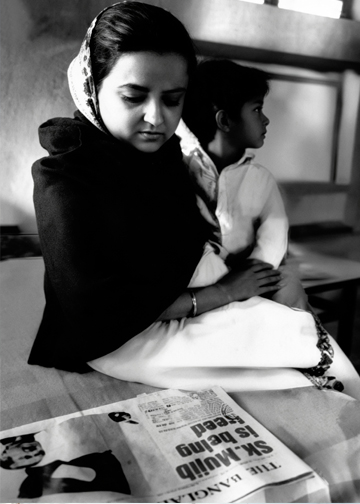
বঙ্গমাতা শেখ ফজিলাতুন নেছা মুজিব, বাঙালির অবিনশ্বর ধ্রুবতারা
ইতিহাসের পাতায় কিছু নাম স্বমহিমায় উজ্জ্বল থাকে, আর কিছু নাম নেপথ্যে থেকে গড়ে তোলে ইতিহাস ও তার মহানায়কদের। বঙ্গমাতা বেগম শেখ ফজিলাতুন্নেসা মুজিব ছিলেন তেমনি এক মহীয়সী নারী। তিনি শুধু জাতির পিতা বঙ্গবন্ধু শেখ মুজিবুর রহমানের সহধর্মিণী ছিলেন না; ছিলেন তাঁর রাজনৈতিক জীবনের প্রধান রাজনৈতিক ছায়া, চালিকাশক্তি ও নীরব প্রেরণা।
সংসারের সমস্ত দায়িত্ব নিজে কাঁধে তুলে নিয়েছিলেন বেগম মুজিব। স্বামীর কাছে কখনো বাড়তি কিছু দাবি করেননি—না শাড়ি, না গয়না, না কোনো বিলাসী জীবন। '৫৪ সালে বঙ্গবন্ধু মন্ত্রী হওয়ার পর আবদুল গণি রোডের সরকারি বাড়িতে ওঠেন, কিন্তু দল পুনর্গঠনের জন্য মন্ত্রীত্ব ত্যাগ করার সিদ্ধান্ত নেন। অন্য যেকোনো সাধারণ নারী হয়তো এই বিলাসিতা আর নিরাপত্তা হারানোর ভয়ে বাধা দিতেন, কিন্তু বেগম মুজিব একবাক্যে সমর্থন জানিয়ে নিঃসংকোচে দুই কামরার সাধারণ ঘরে ফিরে গিয়েছিলেন।
বঙ্গবন্ধুর জীবনের সিংহভাগ সময় কেটেছে কারাগারে। সেই দুঃসময়ে সংসারের কঠিন হাল ধরে রেখেছিলেন তিনি পরম ধৈর্যে। ছোট ছোট সন্তানদের আগলে রাখা, বাড়ি খোঁজা, মামলা-মোকদ্দমা চালানো থেকে শুরু করে কর্মীদের সাহায্য করা—সব সামলেছেন নীরবে। অভাবের দিনে সন্তানদের বুঝিয়ে খিচুড়ি রান্না করে দিয়েছেন, কিন্তু মুখে কখনো 'নাই' শব্দ ফুটতে দেননি। এমনকি দলের কর্মী ও অসুস্থ নেতাদের সহায়তায় নিজের গয়না ও ঘরের ফ্রিজ পর্যন্ত বিক্রি করে দিয়েছেন হাসিমুখে।
রাজনীতিতে তাঁর দূরদর্শিতা ছিল অনন্য। '৬৬-এর ৬ দফার প্রশ্নে যখন অনেক নেতা বিভ্রান্ত হয়ে ৮ দফার দিকে ঝুঁকেছিলেন, বেগম মুজিব তখন অটল থেকে সাফ জানিয়েছিলেন, "৬ দফাই বাংলার মানুষের মুক্তির সনদ।" আগরতলা ষড়যন্ত্র মামলার সময় যখন আইয়ুব খান বঙ্গবন্ধুকে প্যারোলে মুক্তি দিয়ে গোলটেবিল বৈঠকে নেওয়ার চেষ্টা করছিল, বেগম মুজিব বন্দিশালা থেকেই বার্তা পাঠিয়েছিলেন—প্যারোলে মুক্তি নয়, নিঃশর্ত মুক্তি ছাড়া কোনো আপস নয়। তাঁর সেই অবিচল সিদ্ধান্তই সেদিন স্বাধীন বাংলাদেশের বীজ বপন করেছিল। ১৯৭১ সালের ঐতিহাসিক ৭ই মার্চের ভাষণের ঠিক পূর্বে বঙ্গবন্ধুকে দেওয়া তাঁর সেই অমর পরামর্শ—"তোমার মনে যা আসবে, তুমি তা-ই বলবে"—আজ পৃথিবীর অন্যতম শ্রেষ্ঠ রাজনৈতিক দূরদর্শিতার উদাহরণ।
কিন্তু স্বাধীনতা সংগ্রামের এই পরম অভিভাবকের মহাকাব্যিক জীবনের সমাপ্তি ঘটেছিল চরম ট্র্যাজেডিতে। ১৯৭১ সালে বন্দিদশায় অস্ত্রধারী সিপাহীকে "হাতিয়ার ডালদো" বলে হুঙ্কার দেওয়া কিংবা স্বাধীনতার পর নির্যাতিত নারীদের পরম মমতায় পুনর্বাসিত করা—যে নারী ছিলেন সাহসের প্রতীক, ১৯৭৫ সালের ১৫ই আগস্টের কালরাতে তিনি দেখালেন এক অতুলনীয় আত্মত্যাগ।
ঘাতকরা যখন তাঁর প্রিয়তম 'মুজিব'কে নির্মমভাবে হত্যা করে, তখন বেগম মুজিব নিজের জীবন ভিক্ষা চাননি, পলায়নের চেষ্টা করেননি। বরং বুক চিতিয়ে ঘাতকদের সামনে দাঁড়িয়ে বলেছিলেন, "ওনাকে যখন মেরে ফেলেছ, আমাকেও মেরে ফেল।"
আজীবন ছায়ার মতো পাশে থাকা এই মহিয়সী নারী মৃত্যুর মুখোমুখি দাঁড়িয়েও প্রিয় সঙ্গীকে একা ফেলে যাননি। রক্তে রাঙা রাজকীয় বিদায়ে তিনি বরণ করে নিয়েছিলেন একই বুলেটের আঘাত। আজীবন নীরব ত্যাগে বাংলাদেশকে গড়ার পর, রক্তের আখরে বঙ্গবন্ধুর পাশে শুয়ে তিনি চিরকালের জন্য এক অবিচ্ছেদ্য ভালোবাসার প্রতীক হয়ে রয়েছেন। মহীয়সী বঙ্গমাতার এই অবদান ও আত্মত্যাগ বাঙালি জাতির হৃদয়ে চির অমলিন হয়ে থাকবে।" বঙ্গমাতা শেখ ফজিলাতুন নেছা মুজিব, বাঙালির অবিনশ্বর ধ্রুবতারা হয়েই আমাদের পথ দেখিয়ে গেছেন, পথ দেখিয়ে যাবেন – জয় বাংলা, জয়বঙ্গ বন্ধু।
লেখক: অ্যাডভোকেট জাহাঙ্গীর কবির নানাক, রাজরীতিবিদ, প্রেসিডিয়াম সদস্য বাংলাদেশ আওয়ামী লীগ ।
সম্পর্কিত সংবাদ
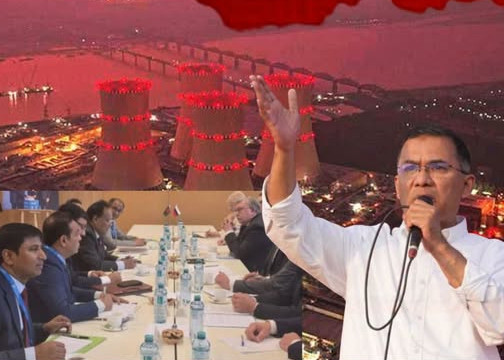
তীব্র বিদ্যুৎ সংকটের ধাক্কা: রূপপুর নিয়ে ঢাকার সুর বদল, ভিয়েনায় রোসাটমের সঙ্গে জরুরি বৈঠক
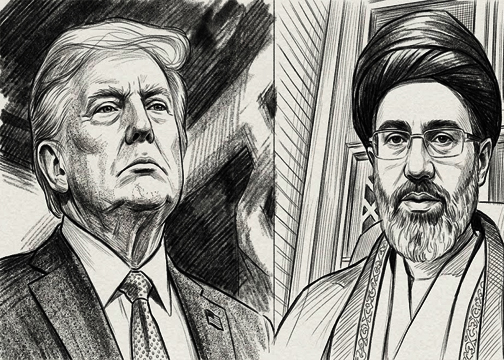
মহাকাশ থেকে ছায়াযুদ্ধ: মার্কিন ঘাঁটিতে ইরানি হামলার নেপথ্যে কি তবে চিনা কৃত্রিম উপগ্রহ? মধ্যপ্রাচ্যের ভূ-রাজনীতিতে মহাকাশ গোয়েন্দাগিরির নতুন সমীকরণ
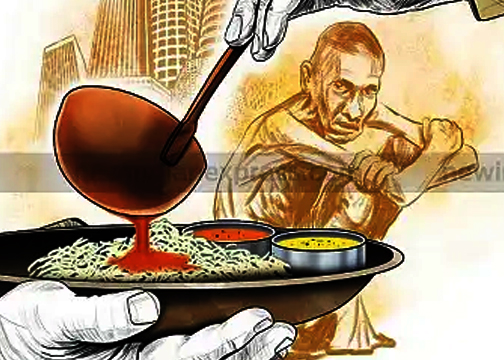
বাংলাদেশ কি চরম সংকটের দ্বারপ্রান্তে? — প্রবৃদ্ধি, শাসনব্যবস্থা ও টিকে থাকা