বাংলাদেশের অর্থনীতি ও রপ্তানি আয়ের সবচেয়ে বড় চালিকাশক্তি পোশাক খাত আজ এক গভীর সংকটের মুখে। দুই সপ্তাহ আগে স্বরাষ্ট্র মন্ত্রণালয়ের রাজনৈতিক শাখা থেকে আগাম গোয়েন্দা সতর্কতা পাঠানো হলেও এবং সুনির্দিষ্ট সুপারিশ থাকার পরও সরকারের নীতিগত নিষ্ক্রিয়তা ও উদাসীনতার কারণে পহেলা নভেম্বরের ভয়াবহ সংঘাত এড়ানো সম্ভব হয়নি। প্রশ্ন উঠেছে—সরকার কি তবে কেবল 'ষড়যন্ত্রের জুজু' দেখিয়ে নিজেদের দায় এড়াতে চাইছে?
১. গোয়েন্দা চিঠির আগাম সতর্কতা এবং সরকারের রহস্যজনক নীরবতা
গত ১৮ অক্টোবর স্বরাষ্ট্র মন্ত্রণালয়ের রাজনৈতিক শাখা থেকে শ্রম ও কর্মসংস্থান মন্ত্রণালয়ে একটি অতি গুরুত্বপূর্ণ গোয়েন্দা চিঠি পাঠানো হয়। উপসচিব কে এম ইয়াসির আরাফাতের স্বাক্ষরিত ওই চিঠিতে স্পষ্টভাবে উল্লেখ করা হয়েছিল যে, পে-স্কেল, ন্যূনতম মজুরি বোর্ড গঠন, চা ও নৌযান শ্রমিকদের বকেয়া ও দাবি আদায়ের ক্ষোভের জেরে দেশের শ্রমখাতে বড় ধরনের অস্থিরতা তৈরি হতে পারে।
অথচ আশ্চর্যের বিষয় হলো, গোয়েন্দা প্রতিবেদনে সুনির্দিষ্টভাবে ৪টি গুরুত্বপূর্ণ সুপারিশ করা হলেও বর্তমান সরকারের সংশ্লিষ্ট মন্ত্রণালয় ও বিভাগগুলোর পক্ষ থেকে সময়মতো কোনো প্রতিরোধমূলক বা কার্যকর পদক্ষেপ নেওয়া হয়নি। এমনকি উদ্ভূত পরিস্থিতির মধ্যেই শ্রমমন্ত্রীর বিদেশ সফরের পরিকল্পনাও সরকারের দায়িত্বহীনতার বড় প্রমাণ হিসেবে দেখছেন বিশ্লেষকরা।
২. পহেলা নভেম্বরের দাবানল: গাজীপুর থেকে মিরপুর নজিরবিহীন সহিংসতা
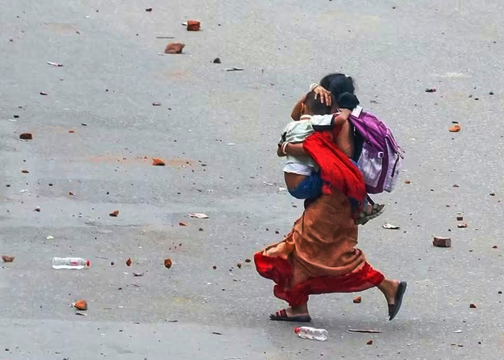
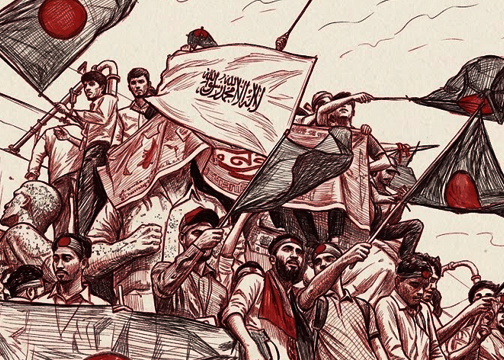
গোয়েন্দা সতর্কতার কার্যকারিতা না থাকায় গত পহেলা নভেম্বর সকালে গাজীপুরের কোনাবাড়ী, কালিয়াকৈর, চন্দ্রা, পল্লী বিদ্যুৎ, মৌচাক এবং সাভার-আশুলিয়াসহ বিভিন্ন শিল্পাঞ্চলে শ্রমিকরা বিক্ষোভে ফেটে পড়েন।
ন্যূনতম মজুরি বৃদ্ধি, বকেয়া পরিশোধ এবং কালো তালিকাভুক্তির প্রথা বাতিলের দাবিতে শ্রমিকরা ঢাকা-টাঙ্গাইল ও নবীনগর-চন্দ্রা মহাসড়ক অবরোধ করেন।
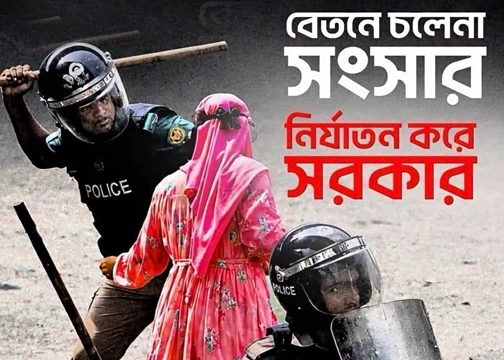
কোনাবাড়ী ও মিরপুরে পুলিশের সাথে দফায় দফায় সংঘর্ষ, পুলিশ বক্সে ও গাড়িতে অগ্নিসংযোগের ঘটনা ঘটে।
নিরাপত্তার মারাত্মক ঝুঁকিতে মিরপুরের তিনটি মেট্রো স্টেশন সাময়িকভাবে বন্ধ রাখতে বাধ্য হয় কর্তৃপক্ষ।
৩. ৫২৯টি কারখানা বন্ধ ও ১০ লাখ শ্রমিকের অনুপস্থিতি: অর্থনৈতিক বিপর্যয়
পরিস্থিতি নিয়ন্ত্রণের বাইরে চলে যাওয়ায় এবং শিল্পাঞ্চলের নিরাপত্তা ভেঙে পড়ায় মালিকপক্ষ বাধ্য হয়ে একের পর এক কারখানায় ছুটি ঘোষণা করে।
বাংলা ট্রিবিউনের তথ্য অনুযায়ী, একযোগে ৫২৯টি তৈরি পোশাক কারখানা থেকে শ্রমিকরা বের হয়ে যান এবং প্রায় ১০ লাখ শ্রমিক কাজে যোগ দেননি।
মালিকপক্ষের ‘কাজ নেই, বেতন নেই’ বা শ্রম আইনের ১৩(১) ধারায় কারখানা বন্ধ রাখার কঠোর সিদ্ধান্ত সাধারণ দরিদ্র শ্রমিকদের আরও বেশি ক্ষুব্ধ করে তুলেছে।
এর ফলে আন্তর্জাতিক বাজারে সময়মতো পোশাক সরবরাহের বাধ্যবাধকতা বা 'লিড টাইম' মারাত্মকভাবে বিঘ্নিত হচ্ছে, যা দেশের রপ্তানি বাণিজ্যকে চরম ঝুঁকিতে ফেলছে।
৪. সরকারের দায় এড়ানোর সংস্কৃতি: ‘ষড়যন্ত্রের তত্ত্ব’ বনাম বাস্তবতার সংকট
পরিস্থিতি সামাল দিতে প্রধানমন্ত্রী তারেক রহমান জরুরি বৈঠক করলেও এবং স্বরাষ্ট্রমন্ত্রী সালাউদ্দিন আহমেদ ও শ্রমমন্ত্রী আরিফুল হক চৌধুরী পরিস্থিতি কঠোর হাতে দমন করার হুশিয়ারি দিলেও মূল সংকট চাপা থাকছে।
সরকারের পক্ষ থেকে দাবি করা হচ্ছে যে, এই অস্থিরতার পেছনে সীমান্তের ওপার থেকে ইন্ধন রয়েছে এবং সাবেক প্রধানমন্ত্রী শেখ হাসিনার ডিসেম্বরে দেশে ফেরার ঘোষণাকে কেন্দ্র করে অস্থিতিশীলতা তৈরির পাঁয়তারা চলছে।
তবে বিশ্লেষকদের মতে, রাজনৈতিক দোষরোপ বা ষড়যন্ত্রের তত্ত্ব দিয়ে শ্রমিকদের অর্থনৈতিক সংকট, মূল্যস্ফীতির বাজারে জীবনযাত্রার ব্যয় এবং ন্যায্য মজুরির দাবি পাশ কাটানো যাবে না। গোয়েন্দা সংস্থার নিজস্ব রিপোর্ট অনুযায়ী পুলিশের বর্তমান সক্ষমতা দিয়ে বড় ধরনের আন্দোলন সামাল দেওয়া দুরূহ, যা নীতিনির্ধারকদের বড় ব্যর্থতারই ইঙ্গিত দেয়।
শেষ কথা
শ্রমিকদের ন্যায্য আন্দোলন এবং কোনো রাজনৈতিক গোষ্ঠীর অশুভ চক্রান্ত—দুটি বিষয়কে আলাদাভাবে নিরপেক্ষ তদন্তের মাধ্যমে খতিয়ে দেখা জরুরি। কেবল গোয়েন্দা রিপোর্ট চাপা দিয়ে বা ষড়যন্ত্রের অজুহাত দিয়ে শিল্পাঞ্চলের এই বারুদ স্তিমিত করা যাবে না। অতি দ্রুত শ্রমিকদের যৌক্তিক দাবি বাস্তবায়ন এবং মালিক-শ্রমিক আস্থার সংকট দূর করে দেশের অর্থনীতি ও রপ্তানি খাতকে রক্ষা করার জন্য সরকারের পক্ষ থেকে কার্যকর রাজনৈতিক ও অর্থনৈতিক উদ্যোগ গ্রহণ করা এখন সময়ের দাবি।
লেখক: ড. আবুল হাসনাৎ মিল্টন,সাংবাদিক, রাজনৈতিক বিশ্লেষক ও প্রধান সম্পাদক, দ্যা সোর্স নিউজ বাংলা (The Source News Bangla)
The readymade garment (RMG) sector, the primary engine of Bangladesh’s economy and export earnings, currently faces a deep crisis. Despite an early intelligence warning sent two weeks ago by the Political Branch of the Ministry of Home Affairs containing specific recommendations, the government’s policy inaction and apathy failed to prevent the severe clashes on November 1st. Questions are now being raised—is the government merely trying to evade responsibility by raising the bogey of a "conspiracy"?
1. Early Warning via Intelligence Letter and Government's Mysterious Silence
On October 18, a crucial intelligence letter was sent from the Political Branch of the Ministry of Home Affairs to the Ministry of Labour and Employment. Signed by Deputy Secretary K. M. Yasir Arafat, the letter explicitly warned that discontent stemming from pay-scale adjustments, the formation of a minimum wage board, and unpaid dues for tea and transport workers could trigger widespread unrest in the labor sector.
Shockingly, despite four specific and critical recommendations made in the intelligence report, the relevant ministries and departments of the current government took no timely preventive or effective measures. Analysts view even the Labour Minister’s planned foreign trip amidst this emerging situation as stark evidence of government irresponsibility.
2. The Wildfire of November 1st: Unprecedented Violence from Gazipur to Mirpur
Failing to act on intelligence warnings, workers erupted in protest on the morning of November 1st across major industrial hubs, including Konabari, Kaliakair, Chandra, Palli Bidyut, Mouchak in Gazipur, as well as Savar and Ashulia.
• Workers blocked the Dhaka-Tangail and Nabinagar-Chandra highways, demanding a minimum wage hike, clearance of unpaid dues, and the abolition of the blacklisting system.
• Repeated clashes broke out between workers and police in Konabari and Mirpur, leading to arson attacks on police boxes and vehicles.
• Due to severe security risks, authorities were forced to temporarily close three metro stations in Mirpur.
3. 529 Factories Closed and 10 Lakh Workers Absent: An Economic Disaster
As the situation spiraled out of control and security in the industrial belt collapsed, factory owners were forced to declare factory closures one after another.
• According to data from Bangla Tribune, workers walked out from 529 garment factories simultaneously, leaving nearly 1 million (10 lakh) workers absent from work.
• The factory owners' strict enforcement of the "No Work, No Pay" policy under Section 13(1) of the Labour Act further inflamed the ordinary, impoverished workers.
• As a result, critical supply commitments ("lead time") for international markets have been severely disrupted, placing the country's export trade at extreme risk.
4. Culture of Blame Evasion: ‘Conspiracy Theory’ vs. Ground Realities
Although Prime Minister Tarique Rahman called an emergency meeting to control the situation, and Home Minister Salauddin Ahmed along with Labour Minister Ariful Haque Chowdhury warned of strict crackdowns against violence, the core issue remains unaddressed.
• The government claims that this instability is being fueled from across the border and that there is a conspiracy to create chaos around former Prime Minister Sheikh Hasina’s announced return to the country in December.
• However, according to analysts, political blame-shifting or conspiracy theories cannot bypass the genuine economic distress of workers, rising living costs under inflation, and demands for fair wages. Intelligence reports themselves indicate that current police capabilities are insufficient to handle large-scale unrest, pointing directly to a major failure on the part of policymakers.
Conclusion
It is essential to distinguish between the legitimate demands of working-class citizens and any sinister political ploys through an impartial investigation. Simply suppressing intelligence reports or using conspiracies as an excuse will not douse the flames in the industrial belt. Swift government implementation of reasonable worker demands, restoring trust between factory owners and workers, and taking effective political and economic initiatives to protect the national economy and export sector are now urgent imperatives.
Author: Dr. Abul Hasnat Milton, Journalist, Political Analyst, and Editor-in-Chief, The Source News Bangla