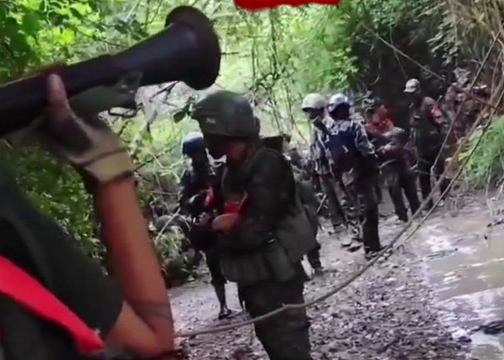
বাংলাদেশের দক্ষিণ-পূর্ব সীমান্ত অঞ্চলে সাম্প্রতিক সময়ের ঘটনাপ্রবাহ আন্তর্জাতিক নিরাপত্তা এবং ভূ-রাজনীতির প্রেক্ষাপটে অত্যন্ত স্পর্শকাতর মোড় নিয়েছে। টেকনাফ সীমান্তে মিয়ানমারের শক্তিশালী অরাষ্ট্রীয় সশস্ত্র গোষ্ঠী আরাকান আর্মি (AA)-এর দৃশ্যমান উপস্থিতি এবং বান্দরবান সীমান্তে কেএনএফ (কুকি-চিন ন্যাশনাল ফ্রন্ট)-এর ধারাবাহিক তৎপরতা সীমান্ত নিরাপত্তাকে চরম ঝুঁকিতে ফেলেছে। একই সাথে মিয়ানমার জান্তা সরকারের পক্ষ থেকে প্রেরিত একের পর এক কূটনৈতিক বার্তা (নোট ভারবাল) এবং ঢাকার পরোক্ষ বা প্রত্যক্ষ নীরবতা আঞ্চলিক রাজনীতিতে এক নতুন আলোচনার জন্ম দিয়েছে।
সীমান্তের ত্রিমুখী সংঘাতের সমীকরণ
টেকনাফ সীমান্তে আরাকান আর্মির সশস্ত্র মহড়া মূলত রোহিঙ্গা ক্যাম্পভিত্তিক সশস্ত্র সংগঠন ‘আরসা’ (ARSA)-কে কেন্দ্র করে। আরাকান আর্মি নাফ নদী ও তৎসংলগ্ন সীমান্ত এলাকায় আরসার ঘাঁটি এবং প্রভাব নির্মূল করতে চায়। এর বিপরীতে রোহিঙ্গা ক্যাম্পগুলোর অস্থিতিশীলতা এবং স্থানীয় নিরাপত্তার ওপর তৈরি হয়েছে তীব্র ঝুঁকি। যদি সীমান্তে আরাকান আর্মি, আরসা এবং বাংলাদেশ সীমান্তরক্ষী বাহিনীর মধ্যে প্রত্যক্ষ বা পরোক্ষ কোনো সংঘাত ঘটে, তবে তা ত্রি-মুখী সামরিক মুখোমুখি অবস্থানে রূপ নিতে পারে।
অন্যদিকে, পার্বত্য বান্দরবানে কুকি-চিন আর্মির (কেএনএফ) উপস্থিতি অভ্যন্তরীণ নিরাপত্তার পাশাপাশি সীমান্ত ব্যবস্থাপনাকেও জটিল করে তুলেছে। এই অঞ্চলে একই সাথে অরাষ্ট্রীয় একাধিক সন্ত্রাসী বা সশস্ত্র গোষ্ঠীর তৎপরতা সমগ্র দক্ষিণ-পূর্বাঞ্চলের ভূ-প্রাকৃতিক নিরাপত্তাকে এক বড় চ্যালেঞ্জের মুখোমুখি দাঁড় করিয়েছে।
মিয়ানমারের কূটনৈতিক বার্তা ও ঢাকার অবস্থান
সম্প্রতি মিয়ানমার সরকার 'নোট ভারবাল'-এর মাধ্যমে ঢাকাকে কয়েকটি গুরুতর বিষয়ে অবহিত করেছে। প্রথমত, সীমান্তে পরিস্থিতির অবনতি হলে এবং ঢাকা সময়মতো তা নিয়ন্ত্রণে ব্যর্থ হলে এর দায় বাংলাদেশের ওপর বর্তাবে বলে সতর্ক করা হয়েছে। দ্বিতীয়ত, মিয়ানমার সীমান্ত সংলগ্ন এলাকায় বেশ কিছু পশ্চিমা দেশের কর্মকর্তাদের কূটনৈতিক ও গোয়েন্দা তৎপরতা এবং ঘন ঘন বৈঠকের বিষয়ে মিয়ানমার তীব্র আপত্তি জানিয়েছে।
সবচেয়ে স্পর্শকাতর অভিযোগটি হলো—সীমান্তবর্তী অঞ্চলে পাকিস্তানি গোয়েন্দা সংস্থার কার্যক্রম বা ক্যাম্পের উপস্থিতি। মিয়ানমারের দাবি অনুযায়ী, আগামী ১৭ই আগস্টের মধ্যে এসব অবকাঠামো বা তৎপরতা গুটিয়ে না নিলে তারা কঠোর পদক্ষেপ গ্রহণ করবে।
এই পুরো প্রেক্ষাপটে বাংলাদেশের পররাষ্ট্র মন্ত্রণালয় ও নীতি-নির্ধারকদের নীরবতা বা আনুষ্ঠানিক প্রতিক্রিয়ার অভাব নিরাপত্তা ও রাজনৈতিক বিশ্লেষকদের ভাবিয়ে তুলছে। এমনকি জাতীয় নিরাপত্তার দায়িত্বে থাকা ঊর্ধ্বতন পর্যায়—যেমন পররাষ্ট্র উপদেষ্টা ডক্টর খলিলুর রহমানও এসব বিষয়ে কোনো বিস্তারিত মন্তব্য বা তথ্য জানা নেই বলে এড়িয়ে গেছেন, যা কূটনৈতিক রহস্য আরও ঘনীভূত করেছে।
কূটনৈতিক নীরবতার সম্ভাব্য কারণ ও পরিণতি
১. কৌশলগত সংযম (Strategic Restraint): মিয়ানমারের অভ্যন্তরীণ গৃহযুদ্ধে জান্তা বাহিনী কিংবা বিরোধী আরাকান আর্মি—কোনো পক্ষকেই উসকানি না দিয়ে স্থিতাবস্থা বজায় রাখা। ২. তথ্য যাচাইকরণ: মিয়ানমার জান্তা সরকারের দেয়া স্পর্শকাতর অভিযোগগুলোর (যেমন পাকিস্তানি গোয়েন্দা সংস্থা বা পশ্চিমা হস্তক্ষেপ) সত্যতা ও উদ্দেশ্য নিশ্চিত না হয়ে আনুষ্ঠানিক মন্তব্যে না যাওয়া। ৩. বহুপাক্ষিক ভারসাম্য: চীন, ভারত, পশ্চিমা বিশ্ব এবং মিয়ানমারের জান্তা ও বিরোধী শিবিরের মধ্যে ভারসাম্য রক্ষা করে চলা।
তবে কৌশলগত নীরবতা দীর্ঘায়িত হলে আন্তর্জাতিক দরবারে বাংলাদেশের ভাবমূর্তি ও সীমান্ত নিরাপত্তার নীতি দুর্বল হিসেবে প্রতিপন্ন হতে পারে। মিয়ানমারের আলটিমেটাম এবং সম্ভাব্য সামরিক পদক্ষেপ যদি সীমান্ত অতিক্রম করে, তবে তা সরাসরি বাংলাদেশের সার্বভৌমত্বের জন্য হুমকি হয়ে দাঁড়াবে।
বাংলাদেশের সার্বভৌমত্ব ও জাতীয় নিরাপত্তা রক্ষা করতে হলে সীমান্ত এলাকায় অবিলম্বে কঠোর দৃশ্যমান নজরদারি বাড়াতে হবে। আরসা বা কুকি-চিনের মতো সশস্ত্র গোষ্ঠীগুলোর অবসান ঘটাতে অভ্যন্তরীণ অভ্যন্তরীণ সক্ষমতা বাড়ানোর পাশাপাশি কূটনৈতিক টেবিলে মিয়ানমার সরকারের নোট ভারবালের পরিষ্কার ও বস্তুনিষ্ঠ জবাব দেয়া প্রয়োজন। কারণ, নীরবতা যেমন কৌশল হতে পারে, তেমনি সঠিক সময়ে তা না ভাঙলে তা সংকটের গভীরতা বাড়িয়ে দিতে পারে।
লেখক: ড.আবুল হাসনাৎ মিল্টন, সাংবাদিক,রাজনৈতিক বিশ্লেষক ও প্রধান সম্পাদক,দ্যা সোর্স নিউজ বাংলা
Recent developments along Bangladesh's southeastern border have taken a highly sensitive turn in the context of international security and geopolitics. The visible presence of the powerful Myanmar non-state armed group, the Arakan Army (AA), on the Teknaf border and the continuous activities of the KNF (Kuki-Chin National Front) along the Bandarban border have placed border security at extreme risk. At the same time, a series of diplomatic communications (Note Verbales) sent by the Myanmar junta government and the direct or indirect silence from Dhaka have sparked new discussions in regional politics.
Equations of the Three-Way Border Conflict The Arakan Army's armed maneuvers on the Teknaf border are primarily centered around the Rohingya camp-based armed organization, 'ARSA' (Arakan Rohingya Salvation Army). The Arakan Army aims to eradicate ARSA's bases and influence along the Naaf River and adjacent border areas. Conversely, this has generated severe risks for the stability of the Rohingya camps and local security. If a direct or indirect confrontation occurs on the border among the Arakan Army, ARSA, and Bangladeshi border guards, it could turn into a three-way military showdown.
On the other hand, the presence of the Kuki-Chin Army (KNF) in the Chittagong Hill Tracts' Bandarban district has complicated border management alongside internal security. The simultaneous activities of multiple non-state terrorist or armed groups in this region have posed a major challenge to the overall geo-physical security of the entire southeastern zone.
Myanmar's Diplomatic Communications and Dhaka's Stance Recently, the Myanmar government informed Dhaka of several serious issues through Note Verbales. First, it warned that if the border situation deteriorates and Dhaka fails to control it in time, the responsibility will fall upon Bangladesh. Second, Myanmar expressed strong objections regarding the diplomatic and intelligence activities as well as frequent meetings of officials from several Western countries in areas adjacent to the border.
The most sensitive allegation involves the activities or presence of camps belonging to a Pakistani intelligence agency in the border region. According to Myanmar's claim, if these infrastructures or activities are not wrapped up by August 17, they will take strict action.
Against this entire backdrop, the silence or lack of an official reaction from Bangladesh's Ministry of Foreign Affairs and policymakers is concerning security and political analysts. Even high-level officials responsible for national security—such as Foreign Affairs Adviser Dr. Khalilur Rahman—avoided the matter by stating they had no detailed comments or information on these issues, deepening the diplomatic mystery.
Possible Reasons and Consequences of Diplomatic Silence
1. Strategic Restraint: Maintaining the status quo without provoking either side in Myanmar's internal civil war—whether the junta forces or the opposition Arakan Army.
2. Information Verification: Refraining from official comments without confirming the authenticity and motives behind the sensitive allegations made by the Myanmar junta government (such as Pakistani intelligence agencies or Western interference).
3. Multilateral Balancing: Maintaining a balance among China, India, the Western world, as well as Myanmar's junta and opposition camps.
However, if this strategic silence is prolonged, Bangladesh's image in the international arena and its border security policy may appear weak. If Myanmar's ultimatum and potential military actions cross the border, it will directly threaten Bangladesh's sovereignty.
To protect Bangladesh's sovereignty and national security, strict visible surveillance along the border must be increased immediately. Alongside enhancing domestic capacity to eliminate armed groups like ARSA or KNF, a clear and objective reply to the Myanmar government's Note Verbale is required at the diplomatic table. This is because while silence can be a strategy, failing to break it at the right time could deepen the crisis.
Author: Dr. Abul Hasnat Milton, Journalist, Political Analyst, and Editor-in-Chief, The Source News Bangla